Entertainment
The Best Thriller Film From Every Year of the 1990s

Without any doubt, the 1990s brought the most thrilling cinematic experiences ever. This really was the time for unforgettable movie entertainment. It released blockbusters, epic Academy Award-winning masterpieces, and created pop-cultural landmarks that we still recognize today. Truly, it was a decade of excitement each year, where every genre shined. But one notable highlight was the thriller genre. And, boy, were we spoiled.
Modern entertainment arguably wouldn’t be the same without the epic thriller classics that defined this awesome decade. They’re honored, beloved, and recognized for their act of always keeping us on the edge of our seats. They’re still intense and thrilling today, with some being recognized as the most significant of the genre, not just in this decade but of all time. From tightly paced crime mysteries to shocking whodunits to explosive high-octane action flicks, here are the best thrillers from each year of the 1990s. Buckle up for a wild ride.
‘Misery’ (1990)
Starting off with an epic nailbiter, we have Misery, the tense, claustrophobic horror thriller directed by the late Rob Reiner and based on a riveting Stephen King novel. What happens when a celebrity faces their worst nightmare of encountering a dangerous fan? Well, for writer Paul Sheldon (James Caan), he has to face that nightmare alone, as, after a debilitating car accident, he’s rescued but then held captive by his obsessed #1 fan Annie Wilkes (Kathy Bates), a disturbed former nurse who’s not going to let him go.
Its claustrophobic tension mixed with a creepy stalker premise that turned this much-beloved Stephen King adaptation into one of his most regarded and acclaimed efforts. It leaves you constantly on edge, fearing just what Annie may be capable of and how far she’ll go to keep Paul all to herself. Kathy Bates’ wildly unpredictable performance as this deranged captor earned her an Academy Award for Best Actress, a rare achievement for the horror genre, showing just how perfect her casting was. Truly, Misery is a stressful, eye-catching movie experience that kick-started the 1990s with a thrilling bang.
‘The Silence of the Lambs’ (1991)


In this genre-defining masterpiece, the late Jonathan Demme changed the face of the thriller and horror genres with a well-crafted, tightly paced mystery horror film that audiences will never forget. Released in 1991, The Silence of the Lambs became a massive critical and commercial success and went on to win Best Picture. Starring Oscar winners Sir Anthony Hopkins and Jodie Foster, it follows FBI trainee Clarice Starling as she probes the mind of the brilliant convicted killer Dr. Hannibal Lecter to trace the behavior of another serial killer on the loose and stop him before he kills his next victim.
You follow along with Clarice as she engages in a mental game of chess with Dr. Lecter, learning something new about her target while also dodging Lecter’s psychological forms of intimidation. Every scene with Lecter is pure nightmare-fuel as the great Anthony Hopkins delivers a terrifyingly memorable performance as this dangerous yet eerily sophisticated criminal mastermind. The Silence of the Lambs has become recognized as being timelessly thrilling, as the mystery and chilling performances have kept relevant and exciting throughout the years.
‘Basic Instinct’ (1992)


In this steamy, alluring erotic crime thriller from 1992, Paul Verhoeven‘s Basic Instinct is a delight as it instantly grips you with a dangerous tale of sex and murder. Starring Sharon Stone and Michael Douglas, it follows a San Francisco police detective who, after investigating a gruesome murder, begins to piece together that the culprit may be a beautiful, mysterious crime novelist who is killing for new material for her latest book.
Basic Instinct is a film that hardly anyone in 1992 ever forgot. It’s a blast that knows how to keep your attention until the end. From the intriguing mystery elements, tense story, to Sharon Stone’s career-defining performance as the captivating femme fatale Catherine Tramell, you’ll never be bored for a second, and there’s always more to appreciate about it upon multiple rewatches.
‘The Fugitive’ (1993)

In a year dominated by cinematic wonder, it was Andrew Davis‘ The Fugitive that became one of its most thrilling standouts. This pulse-pounding action thriller combines epic chases, daring escapes, and tight suspense, all mixed into a fascinating mystery. It sees the iconic Harrison Ford as Dr. Richard Kimble, a man wrongfully accused of murdering his wife, who escapes custody and must prove his innocence while a dedicated U.S. Marshall, Samuel Gerard (Tommy Lee Jones), hunts him down at all costs.
What ensues in this two-hour-long nail-biter is one of the most gripping games of cat and mouse ever brought to the silver screen. You follow as Kimble tries to clear his name, while Gerard never stops to find and bring him in dead or alive. There are a lot of close calls, moments where it seems hopeless for Kimble to succeed, and it all makes you worried if he’s ever going to make it out of this situation at all. Truly, The Fugitive is an edge-of-your-seat experience that doesn’t get old, and will always get more thrilling with age.
‘Speed’ (1994)

Buckle up for a nonstop thrill ride in this legendary 1994 action spectacle. Jan de Bont‘s Speed is an explosive peak of ’90s blockbuster cinema, featuring thrilling suspense and jaw-dropping excitement. Starring Keanu Reeves and Dennis Hopper, it sees hot-shot LAPD SWAT officer Jack Traven as he races against the clock to thwart a crazed extortionist’s plan to blow up a city bus full of people that will explode if it drops below 50 mph.
Speed is a high-octane, adrenaline-fueled blast of entertainment that became the movie-going experience of 1994. Even now, it’s still tense, nailbiting, and feels like one big stressful race that never lets up the suspense until the last explosion. The performances from the likable, iconic cast make it fun and engaging, and its simple yet epic premise ensures that audiences are in for a wild, fun ride.
‘Se7en’ (1995)

1995 saw a slew of instant thriller classics, from Heat and Jade to The Usual Suspects. But, truly, none of these come close to the mind-blowing greatness that is David Fincher‘s career-defining thriller masterpiece Se7en. Starring Oscar winners Morgan Freeman and Brad Pitt, it follows an experienced, disillusioned police detective and his hot-shot, young partner as they track a highly elusive serial killer who is basing his murders on the seven deadly sins.
This intense, hauntingly bleak mystery crime flick transcended the decade to become one of the most memorable thrillers in movie history. From its well-structured mystery and eerie suspense to the fantastic lead performances and riveting dialogue, it’s got something here to completely drag you into a thrilling experience. Even its ending alone is enough to leave you speechless and never forget the film long after seeing it. Overall, Se7en’s not just a perfect thriller, it’s simply one of the most perfect movies, period.
‘Scream’ (1996)
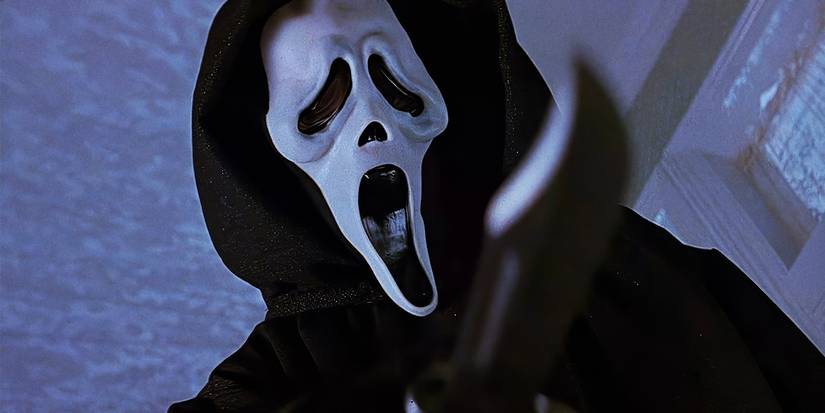
The mid ’90s were arguably the lowest point of the horror genre, a time stagnated by tired sequels and schlocky nonsense. But in 1996, along came a savior in the form of Scream, a trailblazing horror comedy that mixed terror, humor, and thrills all into one powerful blend that changed horror and cinema for the better. Directed by the late Wes Craven, it follows a group of California high schoolers as they use their knowledge of horror movie tropes to figure out who among them has been going around killing people in a Ghostface mask.
It’s simply an endless blast of creative fun and excitement, featuring an enduring whodunnit slasher premise that doesn’t get old and only gets better with age. Scream changed the game, popularizing the meta-horror trope that would carry on well into our current era. It’s undoubtedly funny, terrifying at times, and has an edge-of-your-seat feeling that is nonstop throughout its entire runtime. Truly ’90s pop culture would not be the same without it.
‘Funny Games’ (1997)
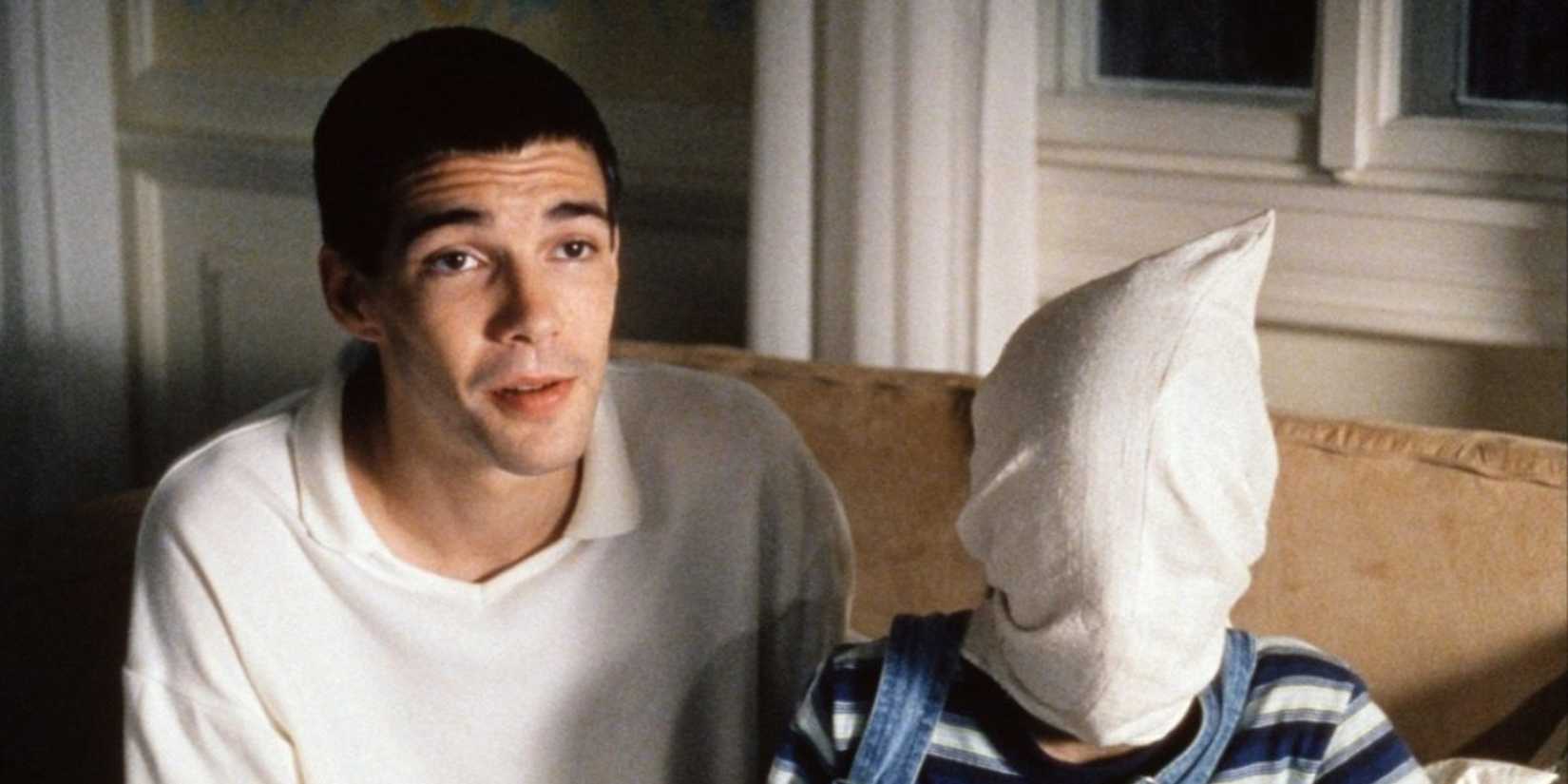
Experience heartbreaking terror unlike anything else in ’90s cinema. Released in 1997, Funny Games is a heavy psychological torture thriller from Germany. What happens through its nearly two-hour-long runtime is one of the most shocking and depressing looks at human nature and senseless violence ever brought to the screen. It follows an innocent family of three on vacation at their secluded lake house as they’re put through a night of horror by a pair of sadistic teenage boys who torment them for fun.
It’s a twisted delve into how we as audiences react to violence, and the central message has us take a deep look into ourselves, and makes us feel part of the mayhem that occurs on screen. Funny Games has you holding your breath right up to a devastatingly bleak and intentionally unsatisfying finale, and it’s one you can’t get out of your mind. Really, it has surpassed the decade to become an all-time thriller classic.
‘A Simple Plan’ (1998)

No doubt one of the most underrated thrillers of the 1990s, 1998’s A Simple Plan may have slipped under most people’s radars at first, but make no mistake, it’s an undeniable masterpiece. Starring the late Bill Paxton and Billy Bob Thornton, it’s a tragic tale of greed, following two blue-collar brothers and their best friend as they slowly become paranoid and face the threat of being killed when they stumble upon and keep a bag full of money that they found in an undiscovered plane crash in the woods.
A Simple Plan is an excellent blend of character drama, crime, and mystery to perfectly thrill viewers from beginning to end. It keeps you hooked with a nailbiting premise that follows these men as they debate whether to keep the money for themselves and face retaliation by its criminal owners or turn it over to the police. It’s very thought-provoking and even tragic, as it ends on a sour note, as the last survivor is left alone without even claiming the money. Overall, it’s a fantastic hidden thriller gem that truly needs to be experienced more.
‘The Sixth Sense’ (1999)
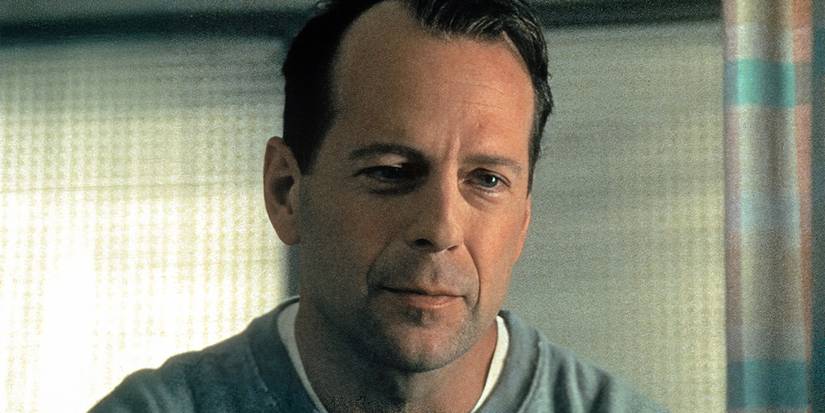
Ending the decade on a glorious high note was The Sixth Sense, the groundbreaking supernatural horror thriller by memorable filmmaker M. Night Shyamalan. This iconic staple of ’90s pop culture became one of the most acclaimed features of 1999, featuring Oscar-worthy acting and brilliant storytelling. Starring Bruce Willis and Haley Joel Osment, it follows a revered child psychiatrist who, after a brush with death at the hands of a disgruntled former patient, seeks to find redemption in himself by helping a struggling, lonely boy with a unique power to see ghosts.
The Sixth Sense has the power to firmly grip onto the viewers, taking them through a wildly emotional, and at times, horrifyingly thrilling, ride through its unique premise. It keeps mounting with shock and suspense, culminating in one of the most unexpected twist endings in movie history. It’s timelessly engaging, and it capped off the 1990s with a thunderous bang, cementing this decade as one of the most significant in thriller history.
You must be logged in to post a comment Login