Entertainment
‘The Boys’ Could Say Goodbye To Its Core Team If It Follows the Comics

With The Boys entering its final stretch, the possibility of the show saying goodbye to its core team has begun to look like a legitimate endgame. And while Prime Video’s adaptation has spent years diverging from Garth Ennis and Darick Robertson’s source material, it has also preserved many of the comics’ ugliest instincts, particularly when it comes to the idea that victory in this world never comes without collateral damage. If the series follows the comics where it matters most, even without reproducing them scene for scene, then the odds of the team making it out intact look increasingly shaky.
Part of what makes the theory stick is that the groundwork has been laid both inside and outside the story. Eric Kripke has repeatedly warned that the final season opens the door to major casualties, while Karl Urban has leaned into the same sense of instability, suggesting that nobody is protected anymore. A-Train’s death has already signaled that the show is willing to start thinning the board early, and the ominous clues surrounding later episodes have only fueled suspicions that the final season is not building toward a conventional triumph. For a series that has always treated heroism as something compromised, messy, and often fatal, a darker ending would hardly come out of nowhere.
Why Billy Butcher May Be the Real Threat to The Boys

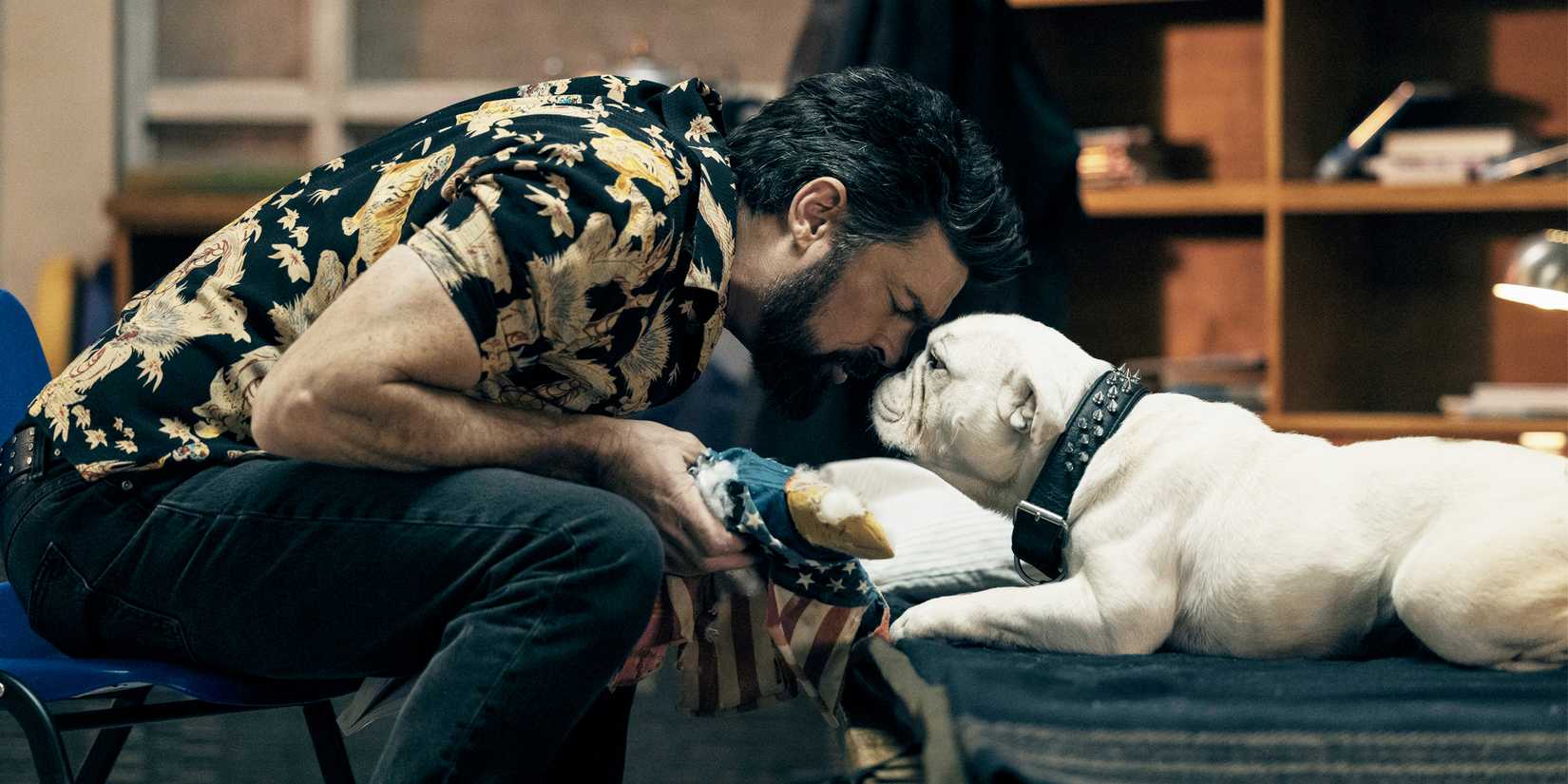
If the show draws from the comics in any major way, the most important element to watch may not be Homelander’s (Antony Starr) downfall, but Butcher’s (Karl Urban). One of the source material’s cruelest twists is that the central conflict does not end with the team united against its greatest enemy; rather, it implodes from within. After Homelander falls, Butcher’s genocidal plan to eliminate all Supes turns him into the story’s final antagonist, forcing the very people who followed him to stand against him. Mother’s Milk (Laz Alonso) dies, Frenchie (Tomer Capone) and Kimiko (Karen Fukuhara) die, and Hughie (Jack Quaid) ultimately kills Butcher himself.
The series has not copied that arc directly, but it has been inching closer to a version of its logic for some time. Butcher has become increasingly unstable, both morally and physically, Ryan’s (Cameron Crovetti) existence has complicated every choice he makes, and the introduction of the supe virus created a weapon capable of pushing his extremism into something catastrophic. Even without adapting the comics literally, the show has built enough of an infrastructure to steer Butcher into a final act in which he becomes as dangerous as the enemies he set out to destroy. If that happens, the threat to the team no longer comes from Homelander alone but from the man who built The Boys in the first place.
Even if the show does not kill Frenchie, Kimiko, and Mother’s Milk in a direct adaptation of the comics, the symbolism is hard to ignore. The final season appears aware of the parallels, and it seems willing to play with them. That alone gives the theory weight. And if The Boys wants to preserve the tragic force of the source material while still surprising viewers, reshaping those losses rather than replicating them would be exactly how the show has always operated.
Black Noir, Ryan, and the Show’s Biggest Comic Detour
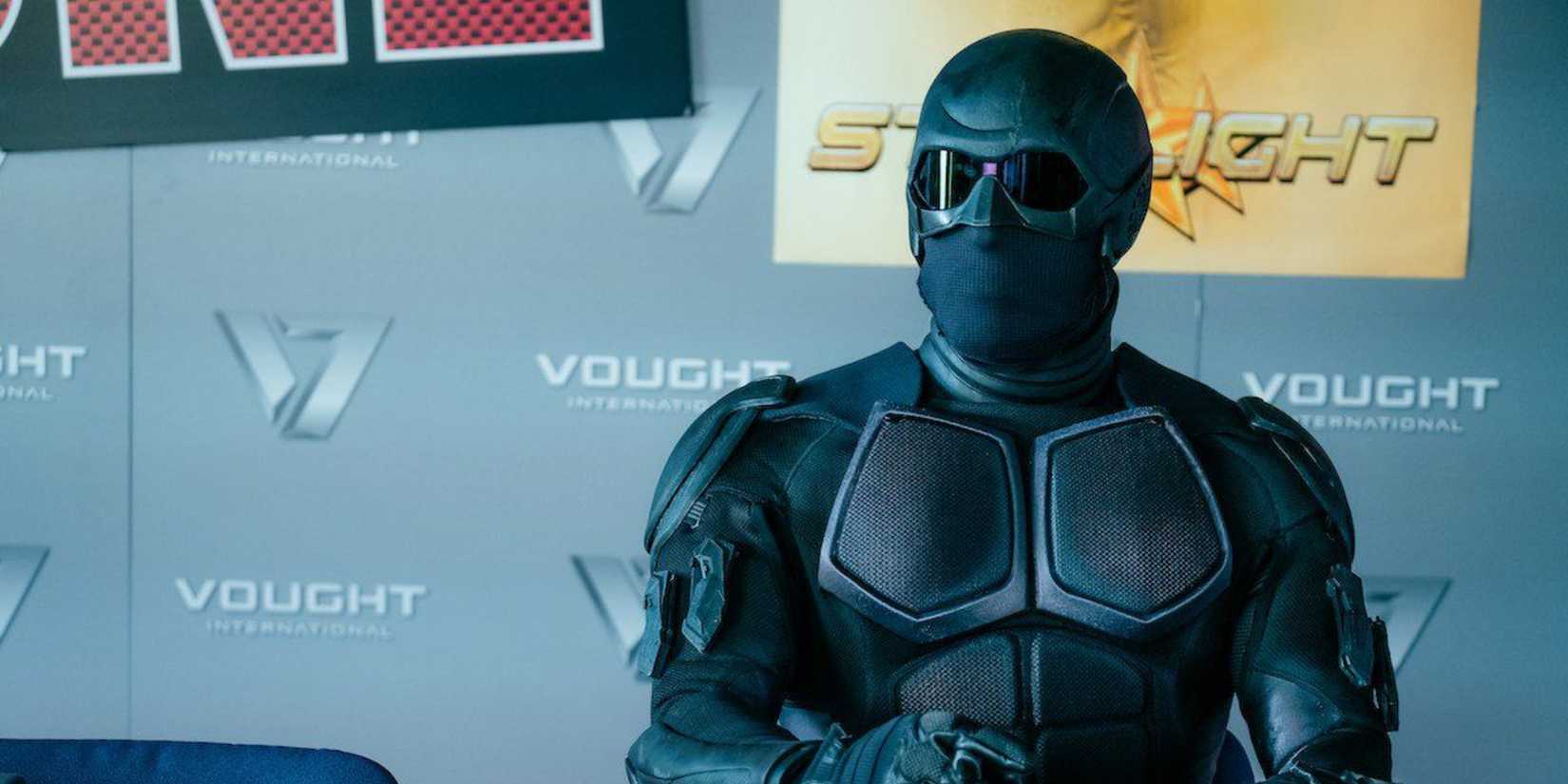
Of course, the strongest argument against a fully comic-accurate ending is also the strongest argument for why the show may still reach a version of it. The adaptation has changed too much to simply photocopy what happens in the books. Black Noir (Nathan Mitchell) is not the same character; Soldier Boy (Jensen Ackles) absorbed major pieces of comic mythology, and Ryan now occupies a role with enormous narrative importance that never existed in the source material.
The growing focus on Black Noir’s suspicious silence, theories about whether he has been replaced, and the repeated emphasis on Oval Office imagery have revived speculation that the show may still be circling some variation of Homelander’s comic-book death. But even if Black Noir does not fulfill that role, Ryan might. In many ways, Ryan already feels like the adaptation’s answer to several comic concepts folded into one character. If the show redistributes who performs certain functions in the endgame, it would be doing what it has done for years.
Why Losing the Core Team Would Fit ‘The Boys’

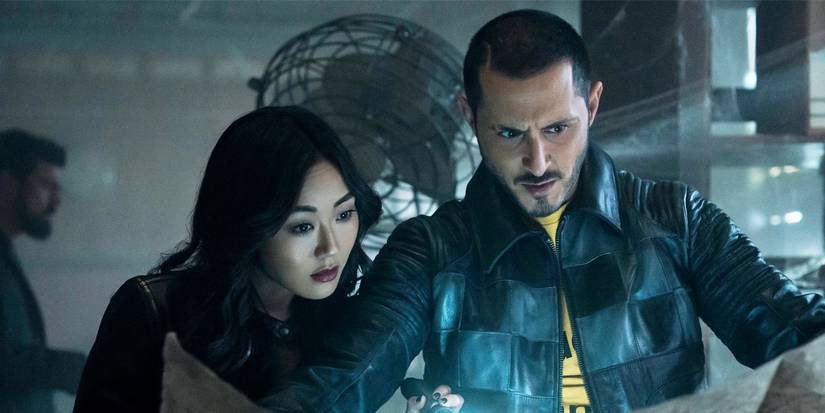
Final seasons are where stories cash in their risks, and Kripke has said as much. Once there is no future season to preserve characters for, consequences can land harder, sacrifices can become permanent, and the idea of major characters dying can suddenly feel like narrative inevitability.
And this doesn’t mean every member of The Boys is doomed. Hughie and Annie (Erin Moriarty) may yet emerge as the survivors the comics position them as. The show may choose a less nihilistic route, but even a softer version of the source material may still involve the destruction of the team as viewers know it. Some goodbyes come through death and others come through a fracture.
If the series follows the comics where it matters most, not in literal plot mechanics but in tragic structure, then yes, The Boys may be preparing to say goodbye to its core team. At this point, the evidence suggests viewers should at least be ready for the possibility.
You must be logged in to post a comment Login