Entertainment
The Streaming Era’s Biggest Mistake Is Officially Impossible To Ignore

In 2026, it is astounding that we live in a world where so much media is at our fingertips, yet movies and television shows can still disappear overnight. Lost media was once largely associated with the early days of film and television, when fragile prints and tapes could be damaged, misplaced, reused, or destroyed. Today, however, a title can become inaccessible simply because a streaming service decides that keeping it available no longer makes financial sense.
Warner Bros. Discovery’s removal of numerous animated shows and other original programs from HBO Max demonstrated how quickly a supposedly permanent streaming library could change. Although some projects have since resurfaced elsewhere, others remain difficult or impossible to watch legally. That is why physical media is still so important. A Blu-ray, 4K disc, or DVD cannot be quietly removed from someone’s shelf because a licensing agreement has expired, or a company changed its content strategy.
Before streaming became the dominant model, it was common for most major movies and television shows to receive at least a DVD release. Major theatrical films still frequently arrive on Blu-ray and 4K, but the same cannot be said for streaming originals. Many of the most popular shows and movies produced for Netflix, Disney+, Prime Video, Apple TV+, and other services have never been made available on physical media.
Netflix was the first major streamer to build its identity around original programming. Several of its earliest shows received physical releases, including Orange Is the New Black and House of Cards. Both series were produced with outside companies, which made traditional distribution agreements more practical. As Netflix began financing and controlling more of its original programming, physical releases became increasingly uncommon. Other streaming services largely followed the same model. Although boutique distributors and studio partners occasionally release streaming originals on Blu-ray or 4K, those editions remain exceptions. For every high-profile title that receives a collector’s edition, countless other movies and series remain available only through the company that produced or licensed them.
Apple TV+ offers a few notable exceptions. For All Mankind received Blu-ray releases for its first two seasons through Sony Pictures Home Entertainment, while Defending Jacob was released through Warner Archive. The first two seasons of Ted Lasso also received limited DVD releases in select international markets. Some Apple Original Films, including CODA and Killers of the Flower Moon, have received boutique or studio physical editions, but these remain uncommon compared with the platform’s overall library, particularly for ongoing television series.
Mike Flanagan’s The Haunting of Hill House and The Haunting of Bly Manor were both released on Blu-ray through Paramount. Flanagan previously expressed frustration that several of his other projects, including Hush, Gerald’s Game, Midnight Mass, and The Midnight Club, had not received the same treatment. There has been some progress: Hush eventually received a physical release from Shout! Studios after leaving Netflix. However, acclaimed series like Midnight Mass still cannot be purchased on Blu-ray or 4K.


Stranger Things presents another revealing example. Its first two seasons received limited-edition Blu-ray and 4K sets designed to resemble VHS tapes, but Netflix subsequently stopped releasing individual seasons on physical media. That finally changed in 2026, when Netflix and Arrow Films announced Stranger Things: The Complete Series, a 25-disc Blu-ray and 4K collection containing all five seasons. The set is scheduled for release in the United States and Canada on July 28, 2026.
The announcement is a major victory for collectors, but it also highlights the larger problem. Fans had to wait until the entire series ended to receive a complete physical edition of one of Netflix’s biggest shows. Most streaming originals will never attract the audience or collector demand necessary to receive that kind of premium release. Not every streaming movie or series needs an elaborate collector’s edition. However, significant original productions should have some form of physical release, particularly when the alternative is trusting that they will remain available online forever. Streaming libraries have already proved that they cannot make that promise.
Lost media refers to movies, television episodes, recordings, and other creative works that are no longer known to exist in a complete, accessible form. Prints can be destroyed, tapes can be erased, and archival materials can be misplaced or discarded. Many early films have been lost because studios did not anticipate their future cultural or historical value.
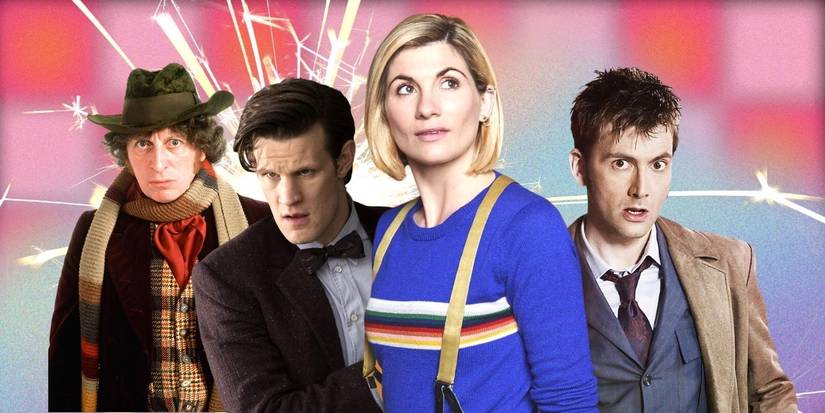
The Terror, released in 1928, was one of the earliest sound horror films. The complete film is now considered lost, demonstrating how easily an important piece of cinematic history can disappear when no preserved copy remains publicly available. One of television’s most famous examples is the BBC’s Doctor Who. Beginning in 1963, the series was affected by the BBC’s former practice of wiping and reusing tapes after programs had been broadcast. For decades, fans and archivists have searched for copies that were distributed to broadcasters around the world.
But in 2026, two episodes from the 1965 serial “The Daleks’ Master Plan” were recovered after being missing for approximately 60 years. Their discovery reduced the number of missing Doctor Who episodes from 97 to 95. Complete audio recordings survive because viewers recorded the broadcasts at home, allowing some missing stories to be reconstructed or animated, but the original footage for dozens of episodes may never be recovered.
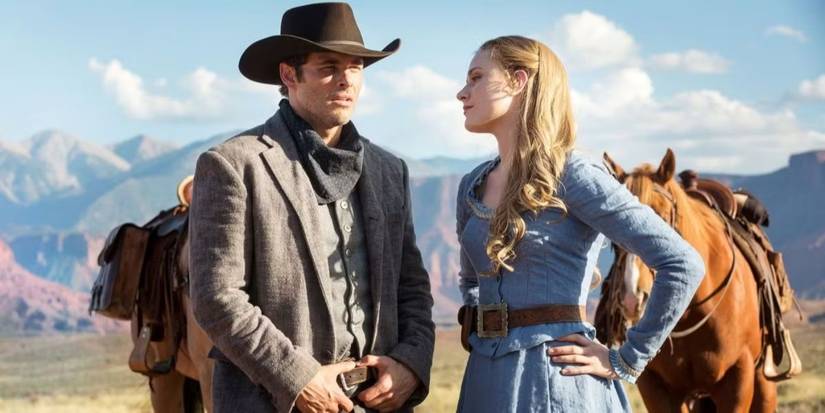
Streaming-era titles face a different form of disappearance. Their original files may still exist in corporate archives, but viewers can lose all legal access to them. Warner Bros. Discovery attracted widespread criticism after removing numerous original shows from HBO Max, including animated programs that had never received physical releases.
Westworld was also removed from HBO Max despite being one of HBO’s most prominent recent dramas. It later resurfaced through free, ad-supported streaming arrangements, including availability through services such as Tubi and The Roku Channel. That outcome proves that removal does not always mean permanent disappearance, but it also demonstrates how little control viewers have over where, when, or even whether a show will remain available.
Some removed originals have moved to other platforms, while others remain unavailable to stream or purchase legally. A television show does not have to be physically destroyed to become functionally lost to its audience. It only needs to exist behind a locked corporate door with no release, license, or physical edition. With thousands of movies and shows only a few clicks away, that convenience becomes conditional as streaming services are not permanent archives. Their catalogs are constantly altered by licensing agreements, tax considerations, mergers, cancellations, and shifting corporate priorities.
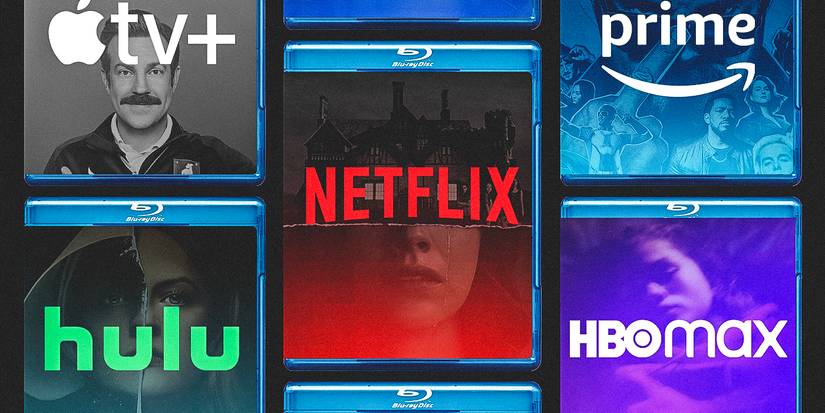
Keeping physical media alive matters because it gives viewers control over what they have purchased. When someone owns a movie or television series on Blu-ray, 4K, or DVD, the studio cannot remotely remove the disc from their home. It remains accessible regardless of which company currently owns the distribution rights or which streaming service carries the title.
Digital purchases do not always provide the same certainty. Consumers are generally purchasing a license to access a title through a particular storefront rather than acquiring an unrestricted copy. That access may be affected by licensing changes, account restrictions, service closures, or other terms imposed by the platform. Even when removals are uncommon, the distinction between owning a disc and licensing digital access is important.
Physical media also reduces the need to maintain subscriptions to several streaming services simply to revisit a handful of favorite movies and shows. Instead of searching multiple platforms to discover where a title has moved, viewers can take it directly from their shelves. Many gaming consoles can also play Blu-rays or 4K discs, meaning some households already own compatible players without realizing it.
Reliable high-speed internet is not universal, either. Viewers in rural communities or areas with inconsistent service may experience buffering, reduced picture quality, or an inability to stream at all. A physical disc provides consistent playback and, in many cases, better video and audio quality than a heavily compressed stream.
Collectors do not need to buy every new release. Physical ownership can be as simple as purchasing the movies and television shows that someone expects to revisit repeatedly. These are the titles worth preserving: the favorites that would be genuinely missed if they suddenly disappeared from every subscription service.
Physical media is no longer merely about nostalgia. It is about preservation, accessibility, and genuine ownership. Streaming and physical media do not need to compete with each other. Streaming provides convenience and discovery, while Blu-rays, 4K discs, and DVDs provide permanence. Giving audiences both options is the best way to ensure that today’s movies and television shows remain available tomorrow. Every major streamer refusing to provide that choice is making the same enormous mistake.
You must be logged in to post a comment Login