Entertainment
This 20-Episode Stephen King Adaptation Is Quietly One of the Best Horror Shows To Binge

There are so many Stephen King adaptations now that it’s easy for even the good ones to get lost in the shuffle. Between blockbuster films, miniseries, and streaming originals, King’s name has become almost its own genre. But while many adaptations focus on recreating his monsters or most famous plots, one series quietly succeeded by doing something much harder: understanding why his horror works in the first place.
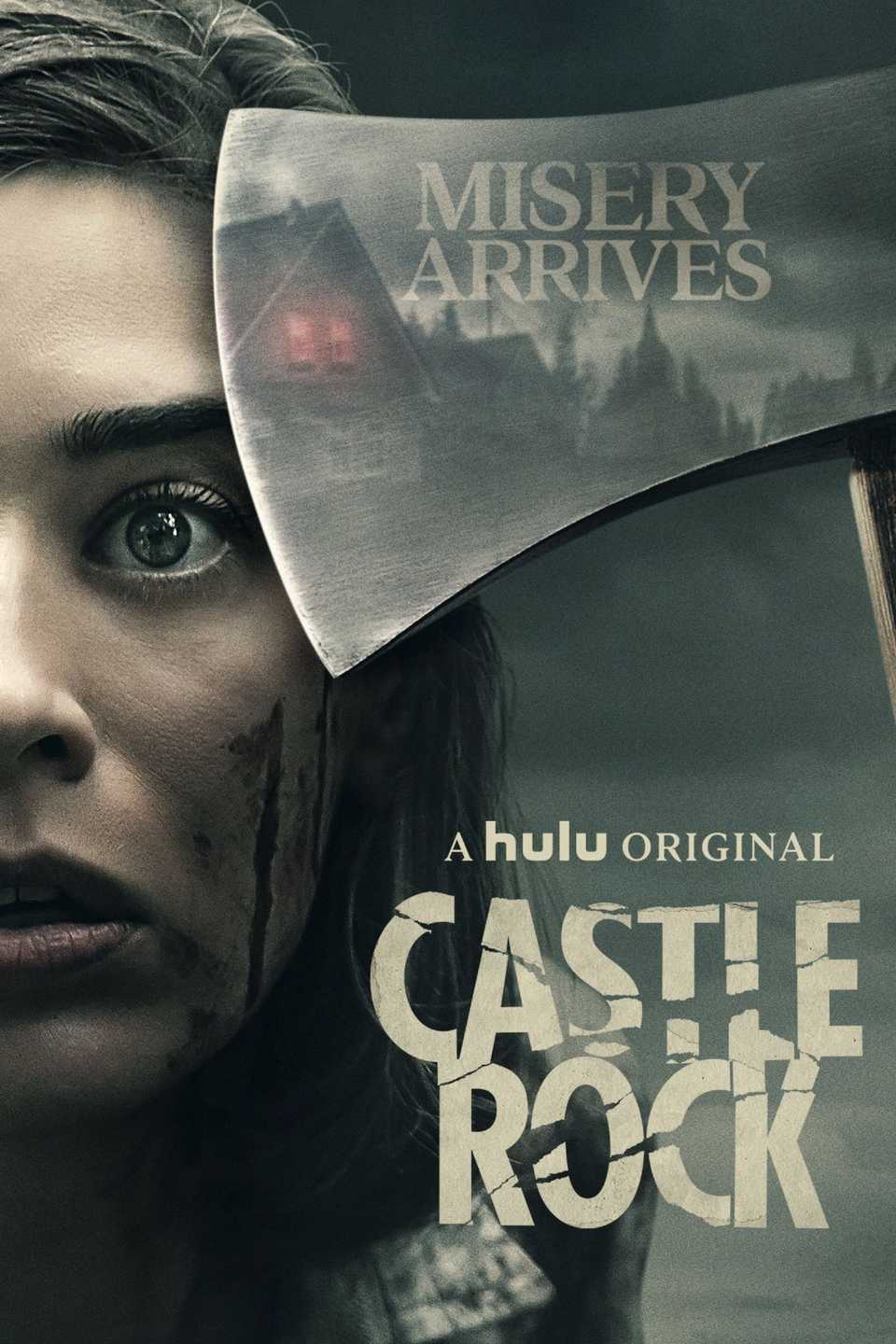
When Castle Rock premiered on Hulu in 2018, it didn’t adapt a single novel. Instead, it built an original story using King’s fictional Maine setting and the mythology surrounding places like Shawshank Prison. What makes it stand out isn’t just its connections to King lore, but how effectively it captures the emotional and psychological horror that defines his best stories. Rather than relying on constant shocks or elaborate mythology, Castle Rock succeeds because it understands something many modern horror shows forget: the scariest thing in a King story usually isn’t the monster. It’s the damage people were already carrying before the monster arrived.
‘Castle Rock’ Makes Its Setting Feel Like the Real Villain

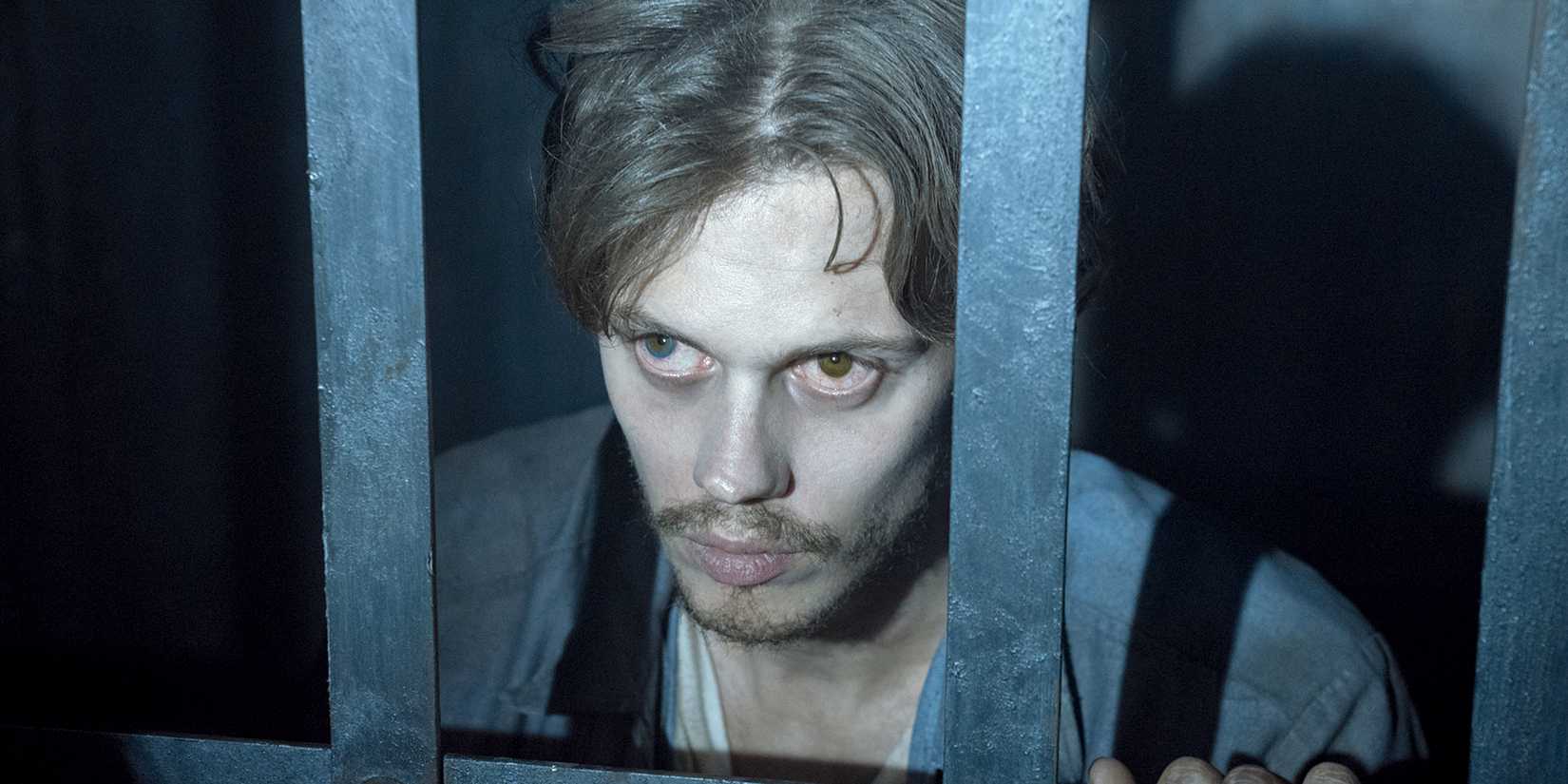
One of King’s greatest strengths has always been his ability to make a place feel alive, and not in a comforting way. Towns like Derry and Castle Rock feel infected by history, tragedy, and cycles of violence stretching back decades. From the moment Henry Deaver (André Holland) returns to his hometown after a mysterious inmate at Shawshank asks specifically for him, the show builds dread through atmosphere rather than spectacle. Nothing feels safe. Every location carries emotional weight, whether it’s Henry’s childhood home, the prison looming over the town, or streets filled with people who remember things he would rather forget.
What makes this approach effective is restraint. The series doesn’t rush to explain what’s wrong with Castle Rock. Instead, it allows unease to build through character interactions and small details. Conversations feel loaded with past conflicts, relationships feel strained by things left unsaid, and even before the supernatural elements fully emerge, the town already feels broken. Even Bill Skarsgård’s mysterious prisoner, known only as The Kid, isn’t treated like a traditional horror villain. He’s frightening, but the real tension comes from how his presence affects everyone else. As suspicion spreads, people begin acting in ways that suggest the town itself might be amplifying the worst parts of them. That’s King storytelling. Evil isn’t always an invading force; sometimes it feels like something a place has been quietly cultivating for years.

Stephen King’s Supernatural Small-Town Series Is Finally Available To Watch for Free 10 Years Later
Rewatching this horror series feels like returning to a place you didn’t realize you missed.
The Show’s Best Horror Comes From Emotional Trauma
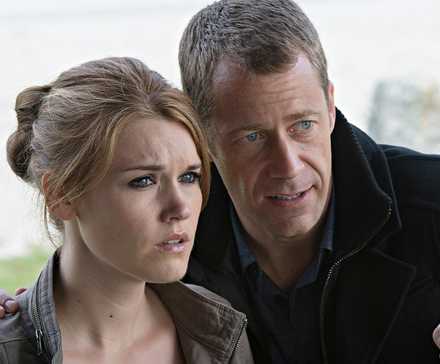
What elevates Castle Rock above many horror shows is how grounded it keeps its characters. Everyone feels shaped by personal history rather than just plot mechanics. Henry’s return isn’t just about solving a mystery, it’s about confronting a childhood filled with suspicion and unanswered questions. Melanie Lynskey’s Molly Strand could have been a simple psychic trope, but the show instead frames her sensitivity as something exhausting and isolating. This focus on emotional realism gives the horror real weight. The characters are reacting through layers of grief, guilt, addiction, and fear they were already dealing with.
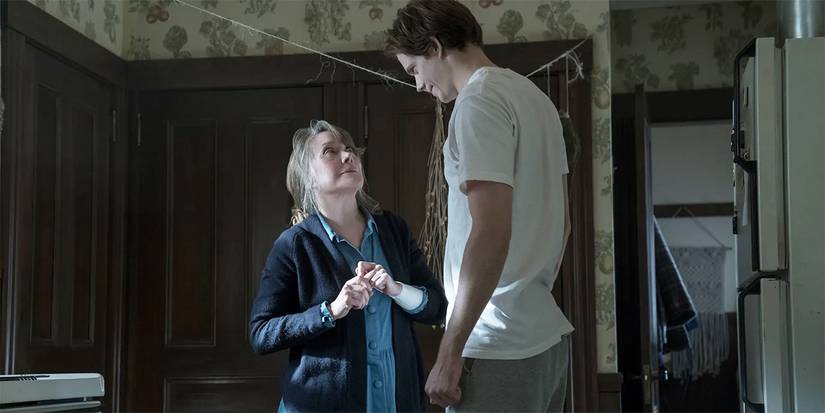
No episode demonstrates this better than Season 1’s standout installment, “The Queen,” centered on Sissy Spacek’s Ruth Deaver. Instead of relying on traditional horror structure, the episode places viewers inside Ruth’s fractured experience of dementia. Time shifts unpredictably, memories bleed into the present, and moments of clarity disappear without warning. The horror comes from watching someone struggle to trust their own mind. It’s a perfect example of what Castle Rock does differently. Instead of using trauma as backstory, it makes trauma part of the horror itself. The fear doesn’t just come from what might happen, but from what has already happened and how it continues to shape these people.
‘Castle Rock’ Proves Horror Doesn’t Need All the Answers

Another reason Castle Rock remains underrated is one of its biggest strengths: it refuses to overexplain its mysteries. Modern genre television often feels pressured to answer everything. Viewers expect detailed explanations of how every supernatural element works. But King’s best stories often leave room for interpretation, and Castle Rock follows that tradition. The show understands that not knowing is often more disturbing than certainty. This helps the series avoid a common trap where mystery eventually turns into exposition. Instead of building toward a clean explanation, Castle Rock builds toward emotional consequences. The question becomes less about what is happening and more about what it’s doing to the people involved.
That ambiguity helps the series linger after it ends. Rather than feeling like a puzzle solved, it feels like a story that continues beyond the final episode. That’s why Castle Rock remains one of the most interesting King television projects of the past decade. Not because it references his work, but because it understands his philosophy. His horror isn’t just about monsters: it’s about how fear reshapes people and how sometimes the most disturbing realization is that the darkness may have been there all along.

- Release Date
-
2018 – 2019-00-00
- Showrunner
-
Dustin Thomason
- Directors
-
Dustin Thomason
- Writers
-
Dustin Thomason
You must be logged in to post a comment Login