Entertainment
This Gripping Techno-Thriller Series Is the Perfect ‘Black Mirror’ Replacement

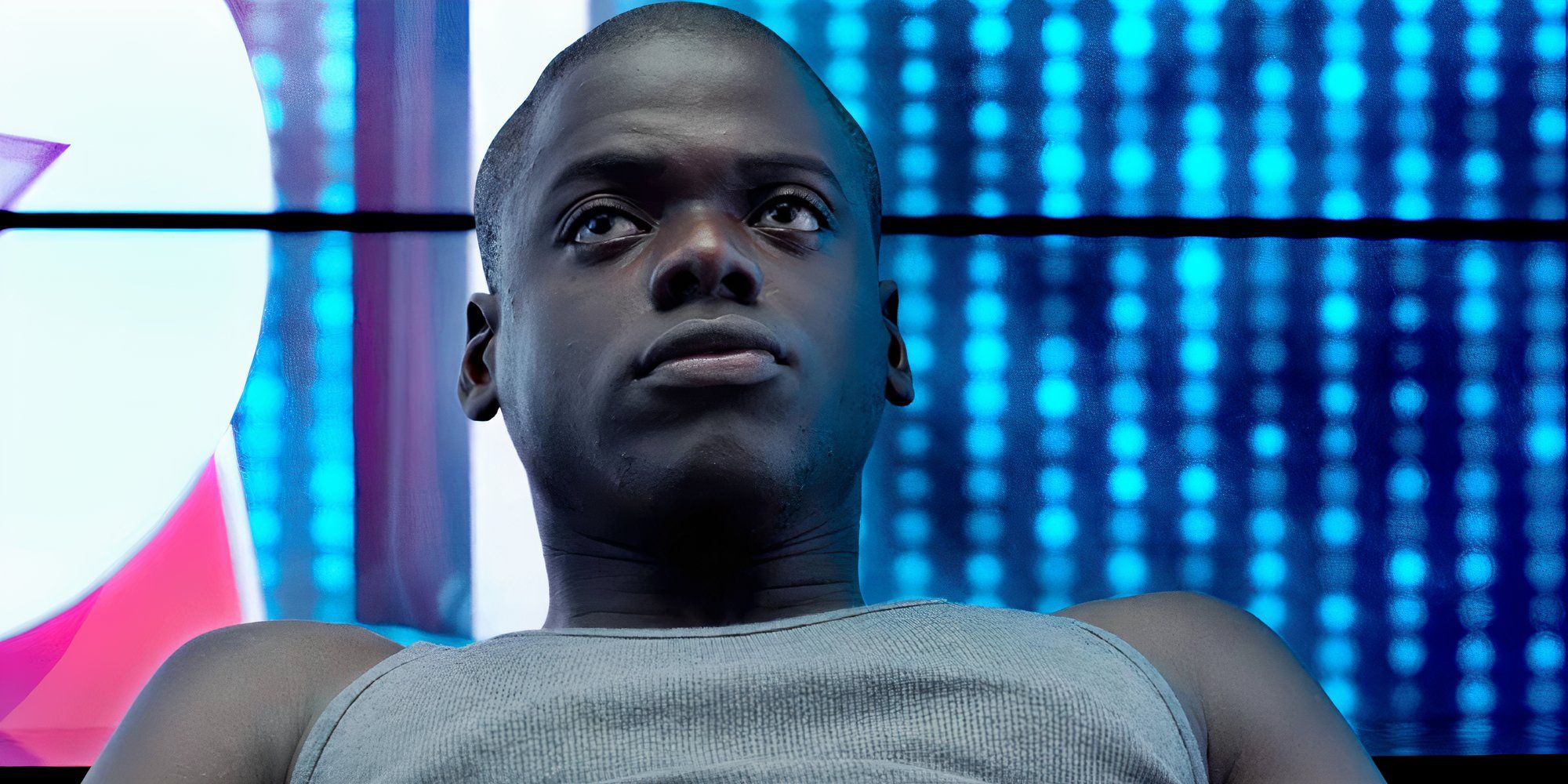

As far as dark techno-thrillers go, Black Mirror dominates the genre with its blatant disregard for the viewer’s comfort and its eerily prescient storytelling. But if the anthology show is a tad too dystopian, and you’d prefer something set in the world we are familiar with, then Mr. Robot should be your next watch. But unlike Black Mirror, which always comes with a shiny bit of futuristic technology, replace that with plain old hacking, the “plant a USB and watch code run across the screen” type. It has the gritty, sharp, and psychologically violent atmosphere of Black Mirror, but is rooted in a version of cybersecurity and anti-capitalism that is recognizable to a contemporary audience.
Mr. Robot follows Elliot Alderson (Rami Malek), a cybersecurity engineer who moonlights as a hacker vigilante. He is perpetually plagued by anti-capitalist diatribes, especially against the powerful E(vil) Corp, which doesn’t quite help with his social anxiety, dissociative disorder, or drug addiction. But when he meets the titular character, played by Christian Slater, who founded a community of hacker-activists called fsociety, Elliot finds a more decisive way to channel his rage against mega-corporations instead of the lone instances of vigilantism he is used to. But that means he is now on the radar of the huge conglomerate, disrupting his life of solitude and dragging him into a technological war for four seasons.
‘Mr. Robot’ Has the Prescience, Grit, and Discomfort of ‘Black Mirror’
Black Mirror has the knack for telling stories that are startlingly relevant to the modern age, despite the futuristic and almost inconceivable nature of the technology it depicts. Meanwhile, Mr. Robot achieves the same disconcerting sentiment, but on a more grounded scale. It roots itself in cybersecurity, simultaneously depicting the usefulness of hacking through grand schemes of taking down corporate overlords and the dangers of technology, forcing us to think twice about our passwords and digital footprint. Unlike the hackers we see in big-budget films, this show takes a grounded approach, often lingering on computer screens and tangible processes accompanied by explanations. Highly sophisticated firewalls aren’t toppled in mere seconds, instead that fictionalized hacking is replaced by techniques like phishing through USBs or password generator programs. Not as exciting, but terrifyingly authentic.
When Mr. Robot combines hacking with vigilantism, an even more Black Mirror-esque darkness emerges. The show veers strongly away from romanticizing the act of vigilantism, something shows like Dexter do with the instant gratification of watching a criminal finally get his comeuppance. Mr. Robot has a fiercely pragmatic approach that strips away any satisfaction. When Elliot confronts a target, he starkly lays out their crimes, whether that be accessing child pornography or running dark web marketplaces, and never really indulges in the idea of justice. Instead, we are left with the hollow feeling of knowing the crimes took place and that these figures are simply representative of others like them — there is neither respite nor catharsis.
Rami Malek Leads ‘Mr. Robot’ as a True Anti-Hero and Morally Ambiguous Hacker
Much of the show’s shifting grim tones also comes from Elliot’s characterization and Malek’s performance. Mr. Robot delivers a true anti-hero, not just a character who kills people for a good cause. Elliot is genuinely difficult to root for in the beginning, as he is socially awkward, openly finds refuge in drugs, and is utterly invasive — he hacks into the accounts of every single person he meets, good or bad. He is reminiscent of Joe Goldberg (Penn Badgley) from You in his lack of respect for privacy and the long mental monologues during conversations (though Elliot is hilariously called out for not speaking many times), but is also Joe’s antithesis. While Joe is a mix of charm and thinly-veiled misogyny, Elliot is the creepy, unblinking guy you would cross the street to avoid but his anarchistic actions actually match his beliefs.
Malek plays into the character’s awkwardness at the beginning of Mr. Robot, refusing to glamorize the vigilante at all. But as Elliot’s mental health is explored, including through scenes with a therapist, Malek deepens Elliot’s emotional texture and intensity. It’s as if we are witnessing a robot come to life, delving into the internal wiring that drives his addictions to drugs and thankless justice alike. His story unfolds evocatively, pairing effectively with the major storyline of taking down E Corp and making us more invested. Mr. Robot envelops us in darkness on all fronts, forming a thoughtful and disconcerting viewing experience that is gripping in its own right. As such, if you’ve finished up Black Mirror and need something just as uncomfortable and prescient, then this techno-thriller needs to be on your radar.
You must be logged in to post a comment Login