Entertainment
Tommy Lee Jones Sued Paramount Into Oblivion After ‘No Country for Old Men’

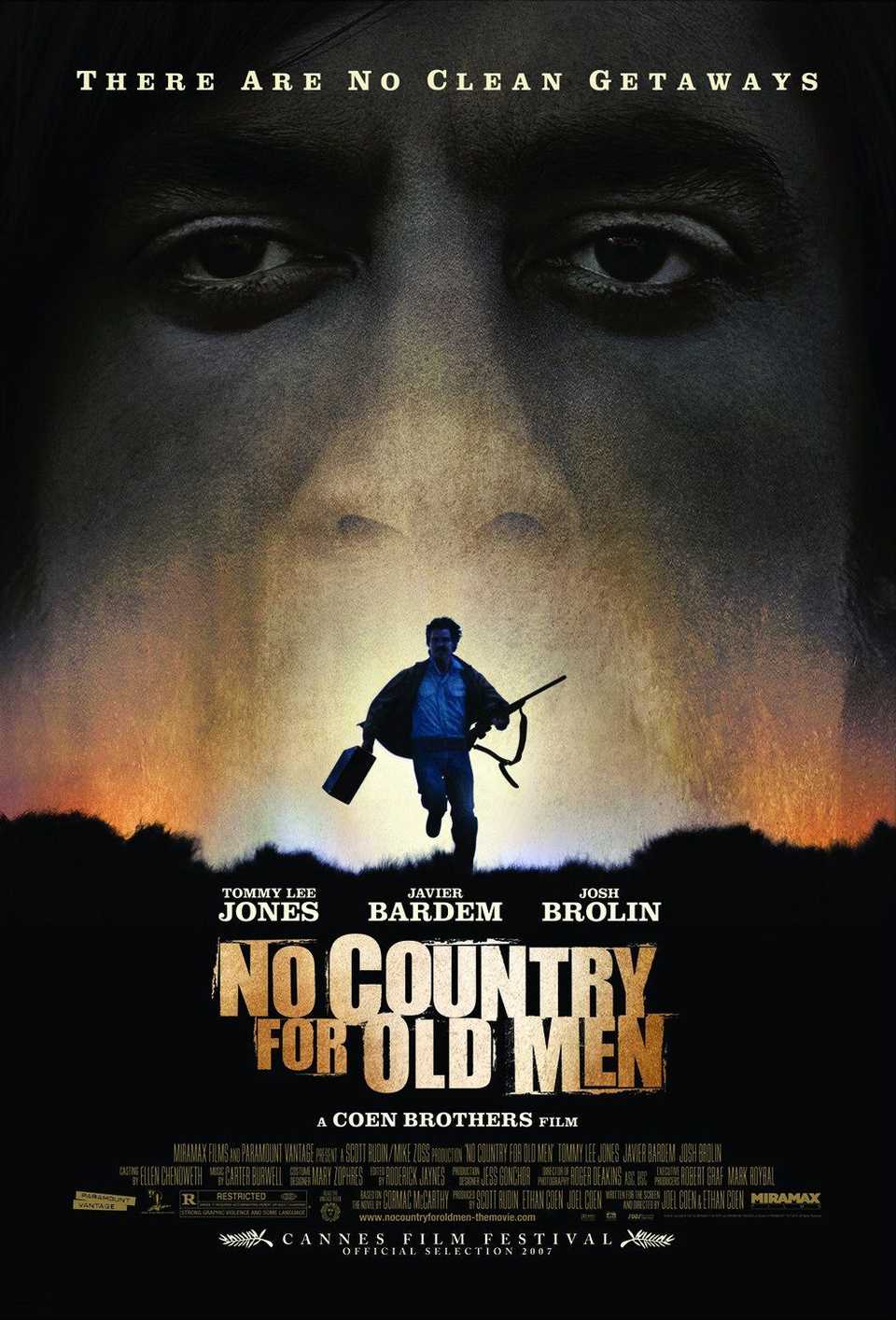
Despite becoming one of the defining American films of the 2000s, the Coen Brothers’ Oscar-winning neo-Western No Country for Old Men also sparked a major legal battle involving one of its biggest stars. Years after the film swept the Academy Awards, lead Tommy Lee Jones sued Paramount Pictures over millions in allegedly unpaid compensation for the movie’s success. It’s a strangely ironic little footnote to a modern classic already obsessed with the true cost of greed.
‘No Country for Old Men’ Is One of the Defining Films of the 2000s
Released in 2007, No Country for Old Men follows welder-turned-hunter Llewelyn Moss (Josh Brolin) after he stumbles across a briefcase holding $2 million in the wake of a drug deal gone wrong. That discovery puts him directly in the path of Anton Chigurh (Javier Bardem), the cattle-gun-wielding, coin-tossing hitman who is now an iconic part of movie history. Watching it all unfold is Jones as Sheriff Ed Tom Bell in one of the strongest performances of his career — a performance that led to him suing a studio.
While Bardem’s villain understandably became the face of the movie, Jones is undoubtedly the film’s emotional center. Bell spends the movie grappling with a changing America that no longer makes sense to him, attempting to come to terms with a world where violence and cruelty have evolved beyond his ability to stop them. It’s a masterclass performance that gives the Coen Brothers crime movie much of its soul. And without Jones, the film wouldn’t be the elegy for the American West that makes it so good in the first place.


No Country for Old Men was a massive critical success almost immediately. The Western won four Oscars, including Best Picture, Best Director, and Best Supporting Actor for Bardem. Critics hailed it as one of the Coens’ greatest works, and it quickly entered the contemporary canon alongside a run of other modern Westerns like Paul Thomas Anderson’s There Will Be Blood and Andrew Dominik’s The Assassination of Jesse James by the Coward Robert Ford — both 2007 releases, as well. Commercially, it was also far more successful than many expected, going on to gross over $170 million worldwide. In fact, it’s that very success that ultimately led to its legal problems.
Tommy Lee Jones Sued Paramount Over Millions in Unpaid Bonuses
In 2008, Jones filed a lawsuit against Paramount Pictures claiming the studio failed to properly pay him box office bonuses and compensation promised in his contract. According to the suit, Jones had accepted a lower salary in exchange for bonuses on the back end based on the film’s box office. It quickly devolved into a court case. And as later filings revealed, Jones was actually onto something: Paramount’s lawyers had allegedly made a major drafting mistake in his contract.
The bonus structure accidentally allowed him to get a bigger payout… even when the movie didn’t actually hit the threshold the studio intended. Instead of receiving bonuses after worldwide grosses doubled certain targets, Jones’ deal scored him payouts at half them instead. That error meant Jones was owed, even though the film had only earned around $160 million at the time. (For context, the previous Best Picture winner — Martin Scorsese’s perfect crime movie The Departed — had brought in nearly $300 million.)
After arbitration, Jones reportedly received a $17.5 million payout from Paramount. The studio’s former attorneys also settled with Paramount, losing $2.6 million over the mistake. Paramount then attempted to offset some of the financial loss by passing portions of the payout onto the film’s investors. That sparked another lawsuit involving Marathon Funding, a financing company that claimed Paramount improperly deducted Jones’ bonus from profit participation revenue.
Paramount won that separate dispute, but the damage had already been done: the entire situation exposed just how messy the financial side of filmmaking can be — even among the best movies. Looking back now, the whole saga feels oddly perfect for a film like No Country for Old Men. After all, the movie itself is fundamentally about people destroying themselves over money they can never truly control. Offscreen, things looked pretty similar. It’s an interesting wrinkle in the legacy of one of the greatest films of the century so far — but also a fitting one.

- Release Date
-
November 21, 2007
- Runtime
-
122 minutes
- Director
-
Joel Coen, Ethan Coen
- Writers
-
Ethan Coen, Joel Coen
You must be logged in to post a comment Login