Entertainment
Top 10 Movies Unlike Anything You’ve Ever Seen

It’s happened to everyone: You leave the movie theater, or you turn on the lights in your room, and all you can think is, What just happened? It’s always refreshing, if not shocking, to find a movie that’s almost entirely original, whose plot cannot be predicted or whose genre cannot be confined to a box. And with the rise of “Netflix dialogue” and endless blockbuster remakes, it’s no wonder so many film enthusiasts are desperate for more original viewing experiences.
Of course, there are still a number of filmmakers creating novel material, and there are a number of classic films that still shock contemporary audiences with their unique storytelling or groundbreaking visual techniques. Read on for ten of the best, most original films that you can watch today. Your eyes—and your mind—are in for a treat.
10
‘Koyaanisqatsi’ (1982)


If you’re open to experimental and non-narrative filmmaking, consider Godfrey Reggio’s Koyaanisqatsi. The documentary takes its name from the Hopi word for “life out of balance,” commenting on the excesses of capitalism and modern life’s destructive impact on the environment. With its class-conscious, environmentally-conscious themes, Koyaanisqatsi was far ahead of its time at its 1982 release and has since been deemed a cult classic, shown in museums, art studios, and film classes around the world.
Given its lack of plot or dialogue, Koyaanisqatsi requires its viewers’ full focus, along with an open mind. While it may seem slow or aimless, its tone and visuals transition over its 86-minute runtime, with contrasts that truly communicate Reggio’s overarching message that modernity has lost sight of life’s true meaning. This message is driven home by the film’s haunting, repetitive music by Philip Glass, which switches between pure instrumentals and haunting repetitions of the word Koyaanisqatsi.
9
‘Parasite’ (2019)

It’s difficult to tout Parasite as an unexpected film when, by now, it has become one of the most-watched films in the world. Indeed, when it was released in 2019, it racked up Oscars, Golden Globes, BAFTA Awards, a Palme D’Or, and more. In the process, it broke records for South Korean film on the global stage and opened countless minds to the beauty of global cinema (who can forget director Bong Joon Ho’s Oscar acceptance speech about subtitled films?).
That said, there’s no feeling like watching Parasite for the first time. Its narrative turns sharply several times, turning periphery characters into primary ones and transitioning from one genre into another. The plot, which begins as part heist film, part class-conscious comedy, quickly develops into a blood-soaked nightmare, with violence and melodrama that descends so suddenly that it’s impossible not to get whiplash.
8
‘The Wicker Man’ (1973)

Robin Hardy’s The Wicker Man is, without a doubt, one of the greatest sources of inspiration for Ari Aster’s Midsommar. Like Midsommar, it follows the journey of an outsider who witnesses the once-yearly ritual of a rural pagan cult, to fiery, tragic (depending on who you ask) ends. The Wicker Man also “transpires under an oppressive and blinding sun,” as Elise Godfryd wrote in her review of Midsommar for The Michigan Daily. This brightness stands in contrast to the literal darkness of most horror films, with a presence so incessant that viewers find themselves almost begging for a shadow or two. In Godfryd’s words, the sun is so unnerving because “the film’s literal brightness forces us to take in its horrors with a shocking clarity.”
But The Wicker Man remains unique for more than just its cinematic legacy. It bends genres, at one turn a thriller, at another a horror movie, and, for several inexplicable moments, a musical that verges on comedic. Disturbing and memorable, The Wicker Man keeps its audience on its toes for every moment of its 94-minute runtime.
7
‘Laurence Anyways’ (2012)

Clocking in at two hours and forty-eight minutes, Laurence Anyways is a daunting film to embark on. However, it’s more than worth it, with a gripping, emotionally lauded storyline that keeps viewers hooked and leaves them wondering, at the end, how three hours went by so fast. The Xavier Dolan masterpiece details the long, fraught romantic relationship between Laurence Alia (played by Melvil Poupaud) and Frédérique “Fred” Bellair (Suzanne Clement) as Laurence transitions into a woman.
While other, more reductive scripts might descend into abuse or pit one of these characters as an antagonist, Laurence Anyways explores the complex, intense nature of true love. Indeed, at the heart of this film lies not only Laurence’s strength but his undying—and mutual—adoration for Fred, which transcends time, sexuality, and gender. Far from being a weepy melodrama, Laurence Anyways is filled with comedy, energy, and an immaculate soundtrack whose dynamism matches the film’s bold colors and distinctive visuals.
6
‘A Girl Walks Home Alone at Night’ (2014)


Image via Vice Films
A Girl Walks Home Alone at Night defies genre and cinematic conventions in every one of its characteristics. It was promoted as “the first Iranian vampire western,” and it lives up to that name, straddling not only the horror and western genres but also romance, comedy, and thriller. In a nutshell, the film is about a feminist vampire who stalks the streets of an unnamed “Iranian ghost-town Bad City” on her skateboard, killing men who prey upon vulnerable women. She finds her pessimistic perception of mankind challenged, though, when she meets—and develops feelings for—a gentle man, who she soon discovers is a kindred spirit.
Somewhat unbelievably, these aren’t the only qualities that make A Girl Walks Home at Night so unique. Although director Ana Lily Amirpour is Persian-American and the film was shot in the United States, the film is entirely in Farsi. Furthermore, the film incorporates both eastern and western elements in its storytelling, aesthetics, and even in its soundtrack, which includes everything from Persian-language folk to ’80s-inspired British indie rock.
While these disparate elements—narrative, visual, and sonic—might seem too incongruous to flow together, they work. In every way, A Girl Walks Home at Night delights and surprises at every turn—something that both the Sundance Film Festival and the Gotham Independent Film Awards recognized upon its 2014 release. Amirpour’s work demonstrates the magic that can happen when an artist releases their reliance on convention and dares to create something truly, unexpectedly original.
5
‘Anomalisa’ (2015)
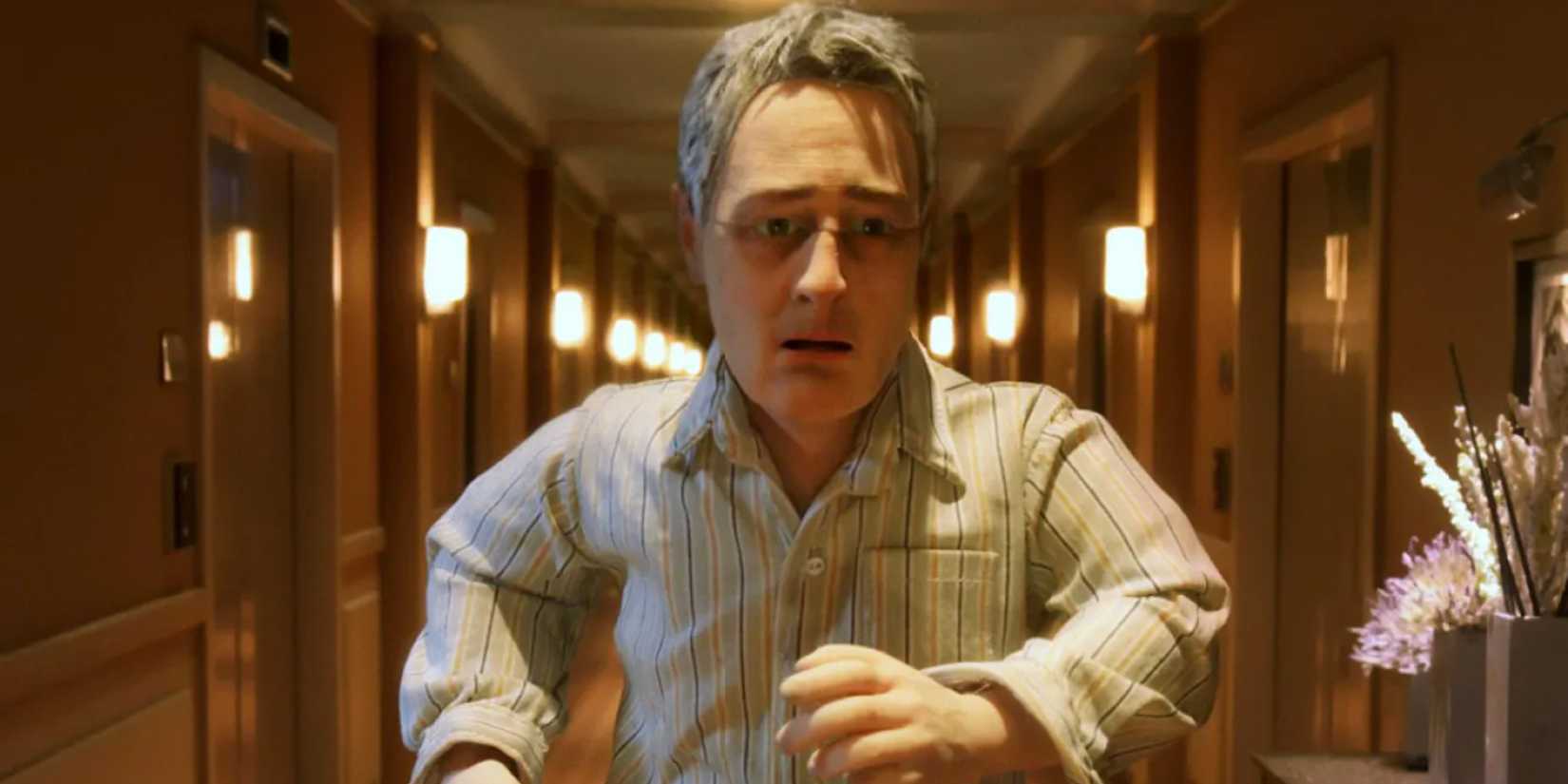
Fans of Charlie Kaufman know that this artist is always coming up with original ideas, from I’m Thinking of Ending Things to Eternal Sunshine of the Spotless Mind. The filmmaker and novelist is like the Salvador Dalí of cinema, imbuing his work with a surrealist lens that plays with time, space, and the limits of consciousness. And in no film are these themes more present than in his 2015 animated feature, Anomalisa.
Anomalisa is one of Kaufman’s more disconcerting pieces, starting off as a run-of-the-mill story about a bored, insecure man on a business trip before devolving into psychological disintegration. Much like I’m Thinking of Ending Things, Anomalisa leaves viewers wondering what’s real and what isn’t. It’s also marked by its unique animation, accomplished via unsettlingly lifelike 3D-printed puppets that were specifically made to be “disturbing and off-putting,” according to co-director Duke Johnson.
4
‘Diabolique’ (1955)

Diabolique (originally released as Les Diaboliques in its native France) is one of the most influential films of the twentieth century, particularly within the realm of the horror and thriller genres. Its twist ending and refusal to shy away from macabre themes particularly made their mark on cinema, with directors and film critics alike citing it as one of their favorite films of all time. The Criterion Collection even called it “an almost perfect movie about a very nearly perfect murder.”
The film, directed by Henri-Georges Clouzot, is originally based on the Boileau-Narcejac novel, She Who Was No More. It follows the consequences of a murder plot that two women devise against their abusive mutual lover. After killing him, however, they find that his body has gone missing, and that the boarding school where they work has been haunted by his spectral, vengeful presence. Dark and increasingly ominous—down to its very last second—Diabolique is an experience that lasts a little over ninety minutes, yet lingers for a lifetime.
3
‘Happy as Lazzaro’ (2018)

Loosely translated from its original Italian title, Lazzaro Felice, Alice Rohrwacher’s Happy as Lazzaro is a bit like Parasite in its stark tonal pivot. Inspired by a real-life scandal, the film tells the story of a group of workers on a tobacco farm who live in an archaic sharecropping lifestyle—with no knowledge of technology, the outside world, or their rights as workers. This early sequence is filmed in a dreamlike, idyllic style reminiscent of fairy tales, and is the context in which the audience meets the protagonist, Lazzaro.
By the second half of the film, the illegal sharecropping operation has been busted by officials, and the workers have been thrust into modern-day Italy. Many of them live in squalor, surviving via petty crime. Simple and innocent Lazzaro, meanwhile, has been asleep for years and has not aged. And when he finally awakens from his coma-like state, his innocence is tested by the perils of contemporary life, with dire consequences. In the end, Happy as Lazzaro is equal parts fable and socio-political commentary, driving home a message that’s become increasingly prescient with each passing year.
2
‘Sorry to Bother You’ (2018)


When musician Boots Riley announced that he’d be making his directorial debut with Sorry to Bother You, no one could have imagined this. On the surface, this film is a dark comedy about a down-on-his-luck man in Oakland, California who begins working as a telemarketer. After being encouraged to use his “white voice” to make sales, he finds himself torn between his values and his income.
At least, that’s what it seems like this film will be about. As soon as its viewers believe they have a grip on the plot, Sorry to Bother You pivots into a wild, surrealist nightmare with elements of the thriller and science fiction genres. In doing so, it retains its socio-political message without coming off preachy, marked by raunchy, uproarious send-ups of everything from the art world to activist culture to the American status quo.
1
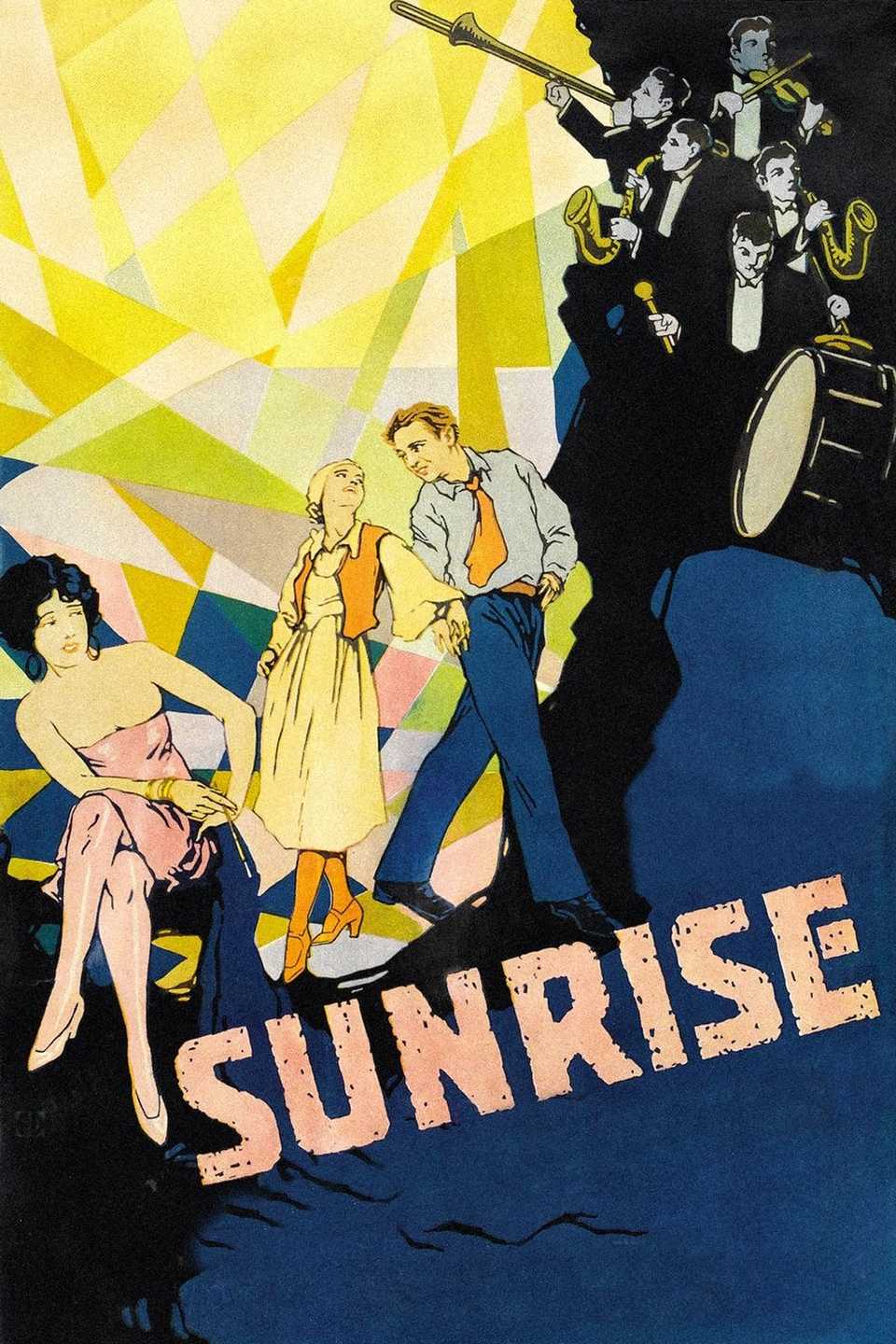
‘Sunrise: A Song of Two Humans’ (1927)

The Jazz Singer (1927) may be known as the first-ever “talkie,” or sound picture, but the silent era had been experimenting with music and sound long before its release. Perhaps the best example of this proto-sound era is F.W. Murnau’s Sunrise: A Song of Two Humans. This modern-day fable is one of the great examples of German expressionism, creating a dramatic, fairytale-like world, marked not only by its dramatic visuals but by synchronized diegetic sounds such as bells and even human voices.
In fact, Sunrise was one of the first films to have a soundtrack using new Movietone technology that attached synchronized sounds to the film itself. By working around the period’s limited technology for recording dialogue, Sunrise instead used creative means to immerse audiences in the story on an auditory level. Thus, although The Jazz Singer was certainly revolutionary, Sunrise is more interesting in how it used the limited sound technology of the time. Even today, the film blurs the line between silent films and talkies, challenging the simplistic modern understanding of film history.

- Release Date
-
November 4, 1927
- Runtime
-
94 Minutes
- Director
-
F.W. Murnau
- Writers
-
Hermann Sudermann, Carl Mayer
-

George O’Brien
The Man (Anses)
-
Janet Gaynor
The Wife (Indre)
-
Margaret Livingston
The Woman from the City
-

You must be logged in to post a comment Login