Entertainment
Watch These Maximalist Movie Masterpieces if You Love ‘Moulin Rouge!’

Few films embrace excess quite like Moulin Rouge! In true Baz Luhrmann form, this kaleidoscopic musical throws subtlety out of the window in favor of pure cinematic spectacle—whether it’s through rapid editing, lavish costumes, explosive musical numbers, and emotions that are dialed up to eleven. It’s the kind of film that overwhelms the senses in the best possible way, proving that sometimes bigger, louder, and more extravagant storytelling can create an experience that’s completely unforgettable.
That approach falls squarely into what film lovers often call maximalism: a style where filmmakers push visuals, performances, sounds, and emotions to their absolute limits. These movies aren’t afraid of bold colors, operatic drama, or stylistic chaos. Instead, they revel in it. So, if you’re craving stories that are just as audacious, vibrant, and special as Moulin Rouge!, perhaps take a look at these masterpieces that deliver spectacle in all the right ways.
‘Amélie’ (2001)


In the whimsical streets of Montmarte, shy waitress Amélie Poulain (Audrey Tautou) lives a quiet life filled with small pleasures and vivid imagination. But after discovering a hidden box of childhood treasures in her apartment, she decides to secretly improve the lives of those around her through a series of carefully orchestrated good deeds. Yet while she carries out these acts, Amélie struggles to pursue happiness in her own life—especially when she becomes enamored with an equally quirky man.
Like Moulin Rouge!, Amélie transforms everyday life into something dazzling and heightened. Director Jean-Pierre Jeunet fills the film with saturated colors, playful editing, whimsical narration, and visual gags that make Paris feel like a living storybook. The result is a world bursting with personality and romantic idealism. Better still, beneath the stylistic flourish lies a heartfelt message about connection, courage, and embracing life’s small joys—making it a perfect companion piece for anyone who loves punchy storytelling.
‘Scott Pilgrim vs. the World’ (2010)


Scott Pilgrim (Michael Cera) is a bass player in a scrappy Toronto garage band who falls instantly in love with the mysterious Ramona Flowers (Mary Elizabeth Winstead). Unfortunately, he soon discovers that dating Ramona comes with one small complication: Scott must defeat her seven evil exes in a series of increasingly absurd battles before their relationship can truly begin.
It’s no surprise that film auteur Edgar Wright was able to brilliantly turn a graphic novel into a full-blown sensory explosion. From comic-book panels, arcade sound effects, rapid-fire editing, and visual punchlines—everything collided in nearly every scene. Of course, this was likely because Scott Pilgrim vs. the World aimed to be a gleeful genre mash-up where the result feels entirely its own. It’s loud, colorful, unapologetically stylized, and packed with so much visual energy that the film practically demands repeat viewings.
‘Spider-Man: Across the Spider-Verse’ (2023)
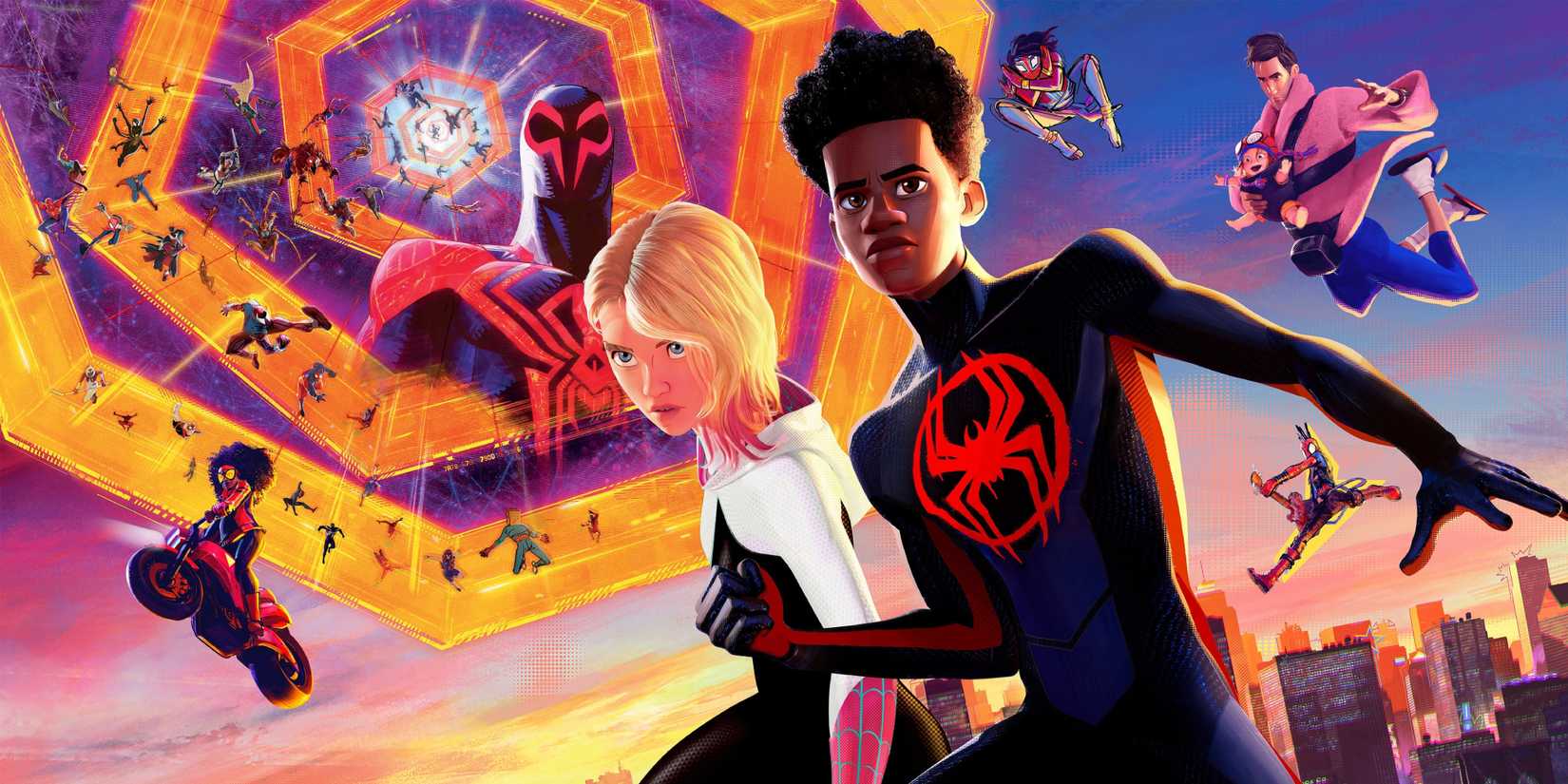
Miles Morales (Shameik Moore) continues his journey as Spider-Man while struggling to balance superhero responsibilities with the expectations of his family. But when he reunites with Gwen Stacy (Hailee Steinfeld) and is pulled into a vast multi-verse of Spider-People, Miles discovers that not everyone agrees on what it means to be a hero. As tensions rise between destiny and personal choice, Miles finds himself challenging the very rules that define the Spider-Man legacy.
If maximalism had a modern animated masterpiece, Spider-Man: Across the Spider-Verse would be near the top of the list. Every universe Miles visits boasts its own visual language—from watercolor dreamscapes to glitchy comic-book chaos—creating a kaleidescope of animation styles rarely seen in mainstream cinema. Like the film that came before it, this one embraces artistic excess in the best possible way (if not more). It’s bold, emotionally charged, and visually overstimulating, proving that sometimes the most powerful storytelling comes from pushing style to its absolute limit.
‘Everything Everywhere All at Once’ (2022)

Evelyn Wang (Michelle Yeoh) is a stressed laundromat owner juggling taxes, family expectations, and a strained marriage. To make matters more complicated, her life takes a surreal turn when she learns that she must connect with alternate versions of herself across the multiverse to stop a cosmic threat. But as Evelyn jumps between wildly different realities, she begins to confront the regrets and possibilities that define her life.
There’s no doubt that this Daniels’ genre-bending epic thrives on glorious chaos. Ricocheting between absurd comedy, heartfelt drama, martial arts spectacle, and science-fiction madness—Everything Everywhere All at Once thrills its audience through its dizzying speed. Yet much like Moulin Rogue!, the emotional core remains deeply sincere. Underneath the swirling visual intensity lies a surprisingly tender story about family, generational trauma, and finding meaning in a seemingly overwhelming universe. So gather your tissues as this one is a dousy, even though it will leave you staring at the screen, questioning what you have just seen.
‘Apocalypse Now’ (1979)

During the Vietnam War, Captain Benjamin Willard (Martin Sheen) is sent on a secret mission to assassinate Colonel Kurtz (Marlon Brando), a decorated officer who has gone rogue and established his own cult-like command deep in the Cambodian jungle. But as Willard travels upriver with a small crew by his side, the journey becomes increasingly surreal, exposing the psychological toll and moral ambiguity of war.
While very different in tone from Moulin Rogue!, Francis Ford Coppola‘s iconic war epic embodies maximalism in its most operatic form. Indeed, Apocalypse Now is packed with unforgettable imagery—from helicopters soaring to Richard Wagner’s “Ride of the Valkyries” to the hypnotic spectacle of Kurtz’s jungle compound. Coppola’s approach is grand, excessive, and utterly immersive, just like Luhrmann’s. In this sense, such a film proves that cinema at its most powerful often comes from directors willing to push style, scale, and emotion.
‘Kung Fu Hustle’ (2004)

Set in 1940s China, petty criminal Sing (Stephen Chow) dreams of joining the notorious Axe Gang but he repeatedly finds himself stumbling into situations far beyond his abilities. When he inadvertently sparks a conflict between the gang and the residents of Pigsty Alley, Sing discovers that the seemingly ordinary tenants are actually martial arts masters capable of extraordinary feats.
There’s no better form of entertainment than a maximalist tale that’s dressed as a comedy. And that’s just what Kung Fu Hustle does best, as the film gleefully blends slapstick humor, classic martial arts cinema, cartoon physics, and elaborate visual effects into something that feels both nostalgic and wildly inventive. Every fight sequence escalates the absurdity while still delivering jaw-dropping choreography. It’s a true celebration of spectacle with unapologetic enthusiasm—and who can ever complain about that?
‘Amadeus’ (1984)

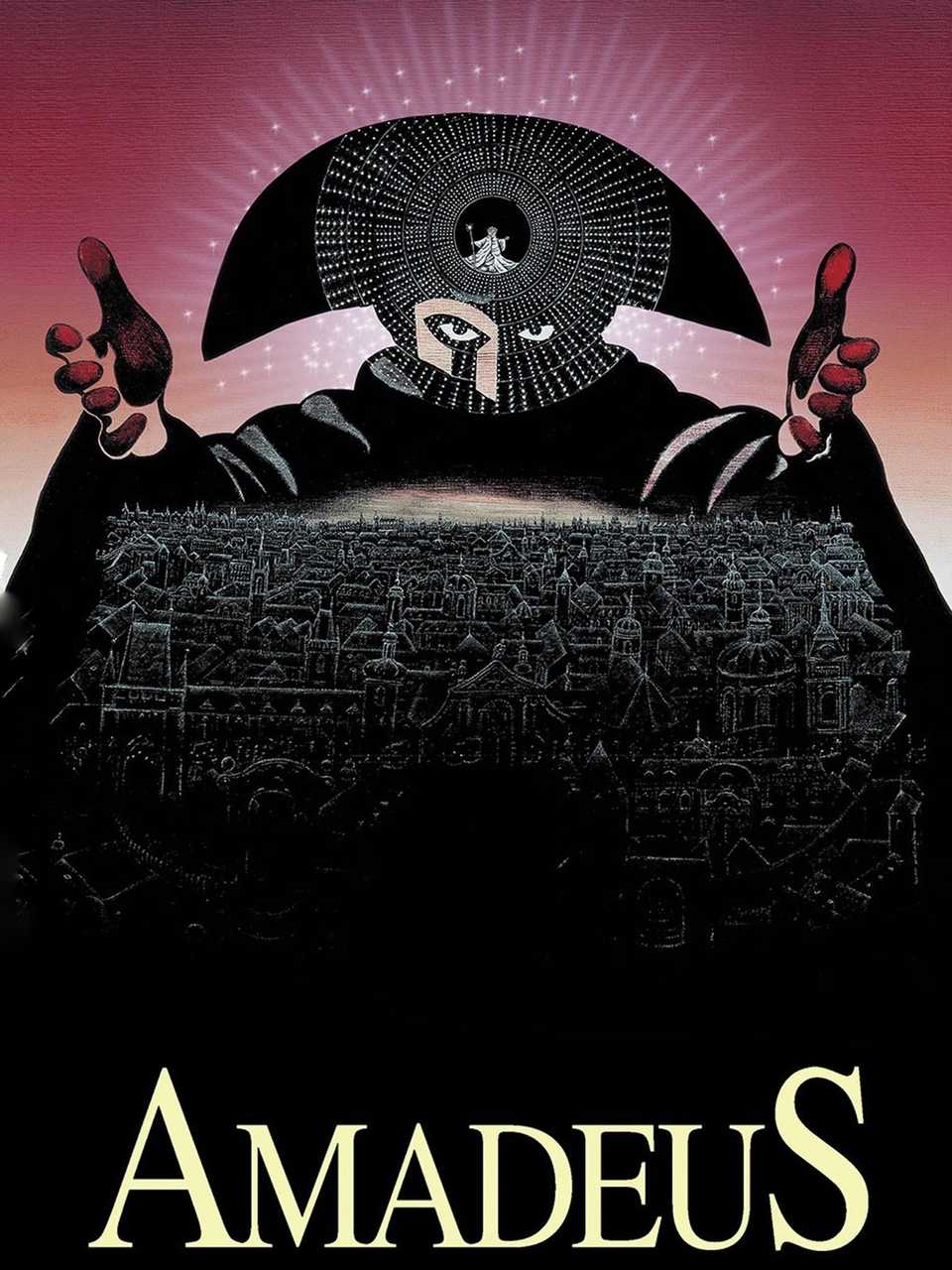
Set in 18th-century Vienna, Amadeus follows the bitter rivalry between court composer Antonio Salieri (F. Murray Abraham) and the brilliant yet immature Wolfgang Amadeus Mozart (Tom Hulce). Consumed by jealousy of Mozart’s effortless genius, Salieri becomes obsessed with undermining the young prodigy while secretly admiring the divine beauty of his music.
Taking a different approach to the traditional biopic, this film explores classical music with sweeping theatrical grandeur. Lavish costumes, towering sets, and thunderous orchestral performances turn Mozart’s compositions into cinematic events. The storytelling feels almost operatic in scale—filled with heightened emotion, spectacle, and dramatic flair. In this sense, fans of Moulin Rouge! will recognize the same commitment to artistic extravagance, where music and visual style merge into something overwhelming and unforgettable.

Amadeus
- Release Date
-
September 19, 1984
- Runtime
-
160 minutes
- Director
-
Milos Forman
- Writers
-
Peter Shaffer