Entertainment
What’s the Best Romantic Movie Ever Made? Surely It’s One of These 10 Films

Romance films are easy to dismiss until one catches you at the wrong moment. Maybe it happens late at night, or on a quiet afternoon, when you are not looking for anything heavy. These stories tend to sneak up on you. They start with small conversations or missed chances, then slowly turn into something that feels personal. The best romance films do not rely on sweeping gestures alone. They spend time on timing, hesitation, and the uncomfortable space between wanting something and knowing it might not last.
What makes this list interesting is that none of these films defines romance in the same way. Taken together, these movies show how flexible the genre can be, and why audiences keep returning to it. Love on screen works best when it feels human and imperfect, and every film here understands that.
10
‘Moonstruck’ (1987)


At first glance, Moonstruck looks like a simple romantic comedy set inside a loud, close-knit Italian American family in Brooklyn. Loretta Castorini (Cher) agrees to marry a man she does not love because it feels sensible and safe. Things shift when she meets his brother, Ronnie (Nicolas Cage), a volatile, wounded baker who lives with his anger close to the surface. Their connection begins with irritation, then slips into something messier and harder to ignore.
What gives the film its lasting power is how grounded everything feels. Love arrives through conversation, frustration, and honesty instead of grand gestures. Around them, family members wrestle with regret, temptation, and second chances, which gives Loretta’s story context instead of isolation. Cher plays Loretta with restraint and quiet intelligence, while Cage brings emotional chaos without tipping into parody. Together, they sell the idea that love can feel disruptive and inconvenient, yet still necessary.
9
‘Roman Holiday’ (1953)

Roman Holiday begins with exhaustion rather than sudden romance. Princess Ann (Audrey Hepburn) slips away from her rigid schedule while visiting Rome, desperate for a day without rules or expectations. She meets Joe Bradley (Gregory Peck), an American journalist who sees a story before he sees a person. Their day together unfolds across the city through small decisions, casual conversations, and shared curiosity.
The film works because it understands limits. Ann’s freedom is temporary, and Joe’s opportunity comes with a moral cost. Hepburn plays Ann with warmth and growing awareness, while Peck gives Joe an easy charm that slowly gives way to responsibility. The romance feels real because it does not promise permanence. Instead, it focuses on what two people can give each other in a short time. That restraint is what keeps Roman Holiday emotionally honest decades later.
8
‘Carol’ (2015)

Carol is set in 1950s New York, where attraction carries the real risk, and the silence of two people often feels safer than honesty. Therese Belivet (Rooney Mara) works behind a department store counter and drifts through life without direction until she meets Carol Aird (Cate Blanchett), a married woman locked inside a polite, carefully managed existence. Their first conversations are cautious, shaped by curiosity and restraint.
As they spend more time together, the film stays focused on what it costs to want something forbidden. Carol faces a brutal custody battle that forces her to choose between social acceptance and personal truth. Therese grows more confident as she learns what she is willing to lose. Blanchett brings control and vulnerability into the same frame, while Mara lets uncertainty sit quietly on her face. The romance feels intimate because it unfolds through glances, pauses, and decisions that cannot be taken back.
7
‘Before Sunset’ (2004)

Before Sunset reunites Jesse (Ethan Hawke) and Céline (Julie Delpy) nine years after a brief night together in Vienna. This time, they walk through Paris with less time and far more emotional baggage. Both have built adult lives shaped by compromise, and their conversation reflects that weight. Old memories resurface alongside disappointment, resentment, and unspoken longing.
The film relies almost entirely on their dialogues, yet it never feels static. Each exchange pushes the relationship forward, revealing how time changes people without erasing the connection. Jesse struggles with choices he regrets, while Céline questions the version of herself she became. Hawke and Delpy speak with the ease of people who know each other too well, which makes every pause feel loaded. The romance works because it feels unfinished, grounded in reality, and painfully aware of time slipping away.
6
‘The Apartment’ (1960)

The Apartment places romance inside an uncomfortable workplace arrangement and lets the consequences unfold slowly. C.C. Baxter (Jack Lemmon) lends his apartment to company executives in exchange for career favors, convincing himself it is temporary and harmless. That illusion breaks when he realizes Fran Kubelik (Shirley MacLaine), the elevator operator he cares about, is caught in the same system, used and dismissed by men with power.
From there, the film focuses on choice and self-respect. Baxter begins to understand what his ambition has cost him, while Fran confronts how little control she has been allowed over her own life. Lemmon plays decency as something awkward and hard-earned, not heroic. Their relationship grows out of shared loneliness, which gives the ending its due strength.
5
‘Pride & Prejudice’ (2005)
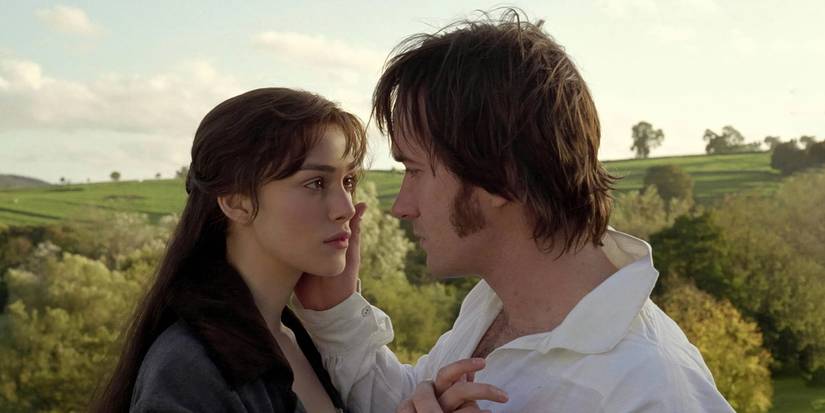
Pride & Prejudice opens in a world that is shaped by class, reputation, and marriage as survival. Elizabeth Bennet (Keira Knightley) moves through it with sharp judgment and little patience for social performance. When she meets Fitzwilliam Darcy (Matthew Macfadyen), their early interactions are defined by misunderstanding and pride on both sides. Each assumes they understand the other, and both are wrong.
As events force them to confront their own behavior, the story keeps its focus on growth. Elizabeth learns how prejudice shapes her certainty. Darcy faces how arrogance isolates him. Knightley gives Elizabeth intelligence and emotional clarity, while Macfadyen lets restraint do the work. Their romance builds through self-correction and humility, which makes their eventual connection feel even more honest than it looked on screen.
4
‘Casablanca’ (1942)

Casablanca is built around waiting. People wait for visas, for escape, for news that might change their lives. In that space, Rick Blaine (Humphrey Bogart) runs his café with emotional distance, choosing detachment as a form of survival. The past returns when Ilsa Lund (Ingrid Bergman) walks back into his life, carrying unfinished history and a choice that still hurts.
The film keeps its romance grounded in the consequences of people’s choices. Rick and Ilsa do not argue about feelings. They talk about duty, timing, and what the world demands from them. Victor Laszlo (Paul Henreid) complicates everything by representing a cause larger than personal happiness. Bogart plays restraint as moral weight, while Bergman lets longing sit just beneath composure. The love story works because it accepts loss as part of maturity.
3
‘In the Mood for Love’ (2000)
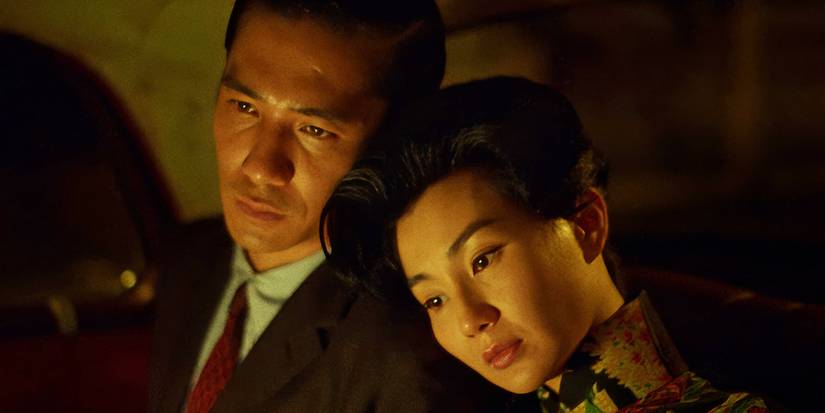
In the Mood for Love begins quietly, almost cautiously. Two neighbors, Chow Mo-wan (Tony Leung Chiu-wai) and Su Li-zhen (Maggie Cheung), notice small patterns that point to an uncomfortable truth about their spouses. The film does not rush this realization. It lets routine, silence, and repetition do the work.
As their connection grows, the focus stays on restraint. Chow and Su talk, rehearse conversations, and spend time together without crossing the line they fear. Their bond forms in pauses as they develop feelings for each other. Leung plays with loneliness with control, while Cheung gives Su dignity, which is shaped by social pressure around him. The romance lives in what they refuse to do, which makes it linger long after the story moves on, and when it ends, the viewers are shocked by its heaviness.
2
‘Brief Encounter’ (1945)

Brief Encounter centers on an ordinary routine that quietly breaks open. Laura Jesson (Celia Johnson) meets Alec Harvey (Trevor Howard) by chance at a train station, and what begins as polite conversation slowly becomes something harder to ignore. Both are married. Both understand the cost of stepping out of line, yet destiny had other plans.
The film stays close to Laura’s inner conflict. She weighs desire against responsibility in small moments rather than grand gestures. Johnson plays emotion through hesitation and restraint, making every choice he makes feel heavy. Howard gives Alec a calm sincerity, and he never pushes for more than what is offered. Their romance feels real because it respects limits above all. Love exists, but so does consequence, and neither is treated lightly.
1
‘Before Sunrise’ (1995)

Before Sunrise is one of the most romantic films ever made. With a simple decision, Jesse (Ethan Hawke) and Céline (Julie Delpy) meet on a train and choose to spend one night walking through Vienna together. There is no plan beyond conversation. They talk about family, fear, ambition, and time, letting curiosity guide them forward.
What sets the film apart is how seriously it takes dialogue as a connection. Each conversation shifts how they see themselves and each other. Hawke brings openness mixed with uncertainty. Delpy gives Céline intelligence and emotional precision. Their romance grows through listening to each other earnestly. By morning, nothing is resolved, yet everything matters. The film understands love as a moment shaped by honesty, not certainty, which is why it stays with you.


Before Sunrise
- Release Date
-
January 27, 1995
- Runtime
-
101 minutes
- Director
-
Richard Linklater
- Writers
-
Richard Linklater, Kim Krizan