Entertainment
What’s the Greatest Animated Movie of All Time? Surely It’s One of These 10 Films

Animation gets talked about too politely. People discuss it like a category, a medium, a craft tradition, a family-movie lane, a technical achievement. All true. Still too polite. The greatest animated films are not only impressive for cartoons but actually happen to be life-moving, with profound life lessons. They are soul-level movies. They enter you early and stay there. Sometimes they stay as comfort. Sometimes as grief. Sometimes as one image you saw at nine years old and never actually recovered from.
And that is why the best animated film of all time is such a vicious argument. You are not only ranking beauty. You are ranking first wounds, first wonders, first tears, first moments when movement and music and color and voice stopped feeling like entertainment and started feeling like life translated into another language. Any of these ten could win depending on what you believe animation is here to do.
10
‘Snow White and the Seven Dwarfs’ (1937)

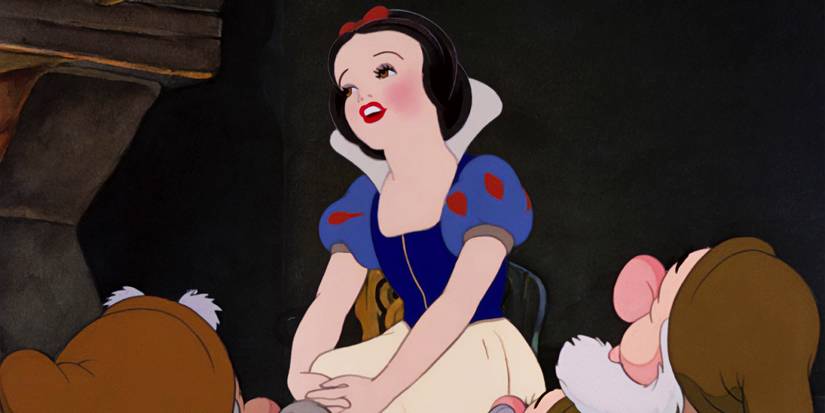
Part of the argument for Snow White and the Seven Dwarfs is simply this: the mountain had to be climbed before anybody else got to build cathedrals on top of it. But I do not want to praise it only like an artifact, because that flattens what still makes it moving. Snow White (Adriana Caselotti) is eerie. It is sweeter than modern animation often allows itself to be, yes, though it is also genuinely haunted. The forest sequence still feels like childhood fear rendered as pure visual panic, branches turning into claws, the world itself suddenly deciding that innocence is no protection. Then the film pivots and becomes almost absurdly tender, a house in the woods, little rituals of labor and domesticity, singing as survival.
That tonal swing is part of what makes it so foundational and so rewatchable. The Evil Queen (Lucille La Verne) is one great early animated villain. She is not just mean but vanity going necrotic. Snow White, meanwhile, works less as a psychological character in the modern sense and more as the center of a fairy-tale moral atmosphere. The film’s greatness comes from how unapologetically it believes in enchantment and terror sharing the same frame. Animation did not begin here, of course, but the idea that a feature-length animated world could carry dread, comedy, beauty, music, and death inside one sustained spell absolutely did.
9
‘Fantastic Mr. Fox’ (2009)
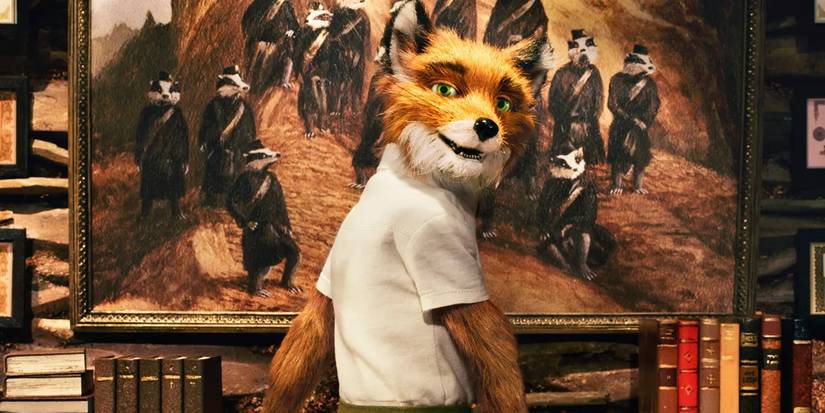
This is one of the best cases for the best animated film ever if your standard is not emotional devastation or mythic scale, but precision of personality. Wes Anderson’s Fantastic Mr. Fox is exquisitely made, every texture, every twitch, every corduroy and leaf and twitching whisker part of a complete tactile world. But the film stays with me because it understands the humiliating, funny pain of being a restless person trapped inside a life that should already be enough. Mr. Fox (George Clooney) is charming because he is a disaster. He wants domestic fulfillment and outlaw exhilaration at the same time, and the wanting makes him lie to everyone, including himself.
That is what gives the movie such emotional mileage on rewatch. Underneath the caper structure and all the perfect deadpan phrasing is a film about fathers embarrassing themselves in front of their sons, husbands mistaking appetite for vitality, and whole families improvising new forms of love while the world tries to dig them out and shoot them. Ash (Jason Schwartzman) gets sadder every time I see it. Kylie (Wallace Wolodarsky) gets funnier. Mrs. Fox (Meryl Streep) gets stronger. And the ending, with all that survival and dancing and fake-smooth style holding off real uncertainty by half an inch, feels almost miraculous. It is a movie about coolness, losing to need and becoming human in the process.
8
‘The Iron Giant’ (1999)
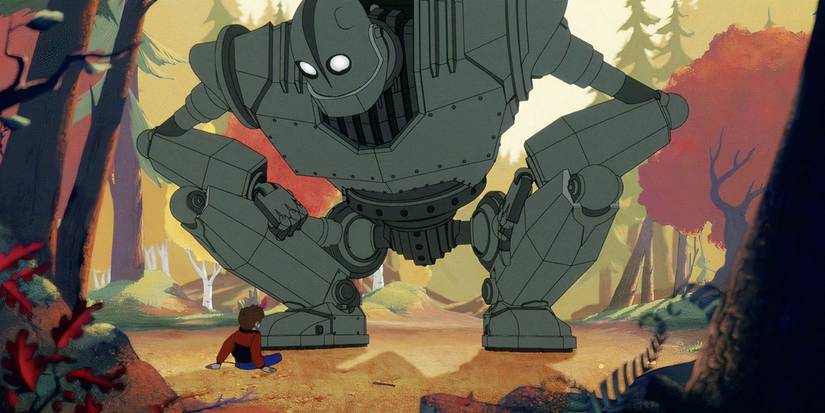
This movie has one of the strongest emotional cases on the list because it understands the exact second childhood wonder turns into moral feeling. The Iron Giant finding Hogarth Hughes (Eli Marienthal) is thrilling at first in the best giant-robot-fairy-tale way. A boy in the 1950s discovers this impossible metal being in the woods and the movie gives you all the initial pleasures, scale, secrecy, friendship, comic clumsiness, junkyard appetite, that beautiful sensation that the world just got bigger and nobody else knows yet. But then the film keeps deepening. The Giant (Vin Diesel) is not merely a machine. He is a consciousness deciding what kind of being he wants to become in a world already eager to define him as weapon.
And that is why the film keeps ruining people, because “You are who you choose to be” is not just a nice line here. It is the whole moral architecture. The Cold War paranoia matters because it turns fear into policy and policy into violence almost instantly. Dean McCoppin (Harry Connick Jr.) matters because he offers a different model of masculinity than the military panic machine. And Hogarth matters because children in great animated films are often the first people to believe that power and gentleness do not have to cancel each other out. The ending remains one of animation’s cleanest emotional detonations because the movie has made sacrificial heroism feel both cosmic and heartbreakingly personal.
7
‘Spirit: Stallion of the Cimarron’ (2002)

I know this is not the entry everyone expects to see this high in the argument, which is part of why I want to defend it emotionally rather than academically. Spirit: Stallion of the Cimarron works because it is all nerve. It has one of the boldest choices an American animated film of its era could make: center an animal, keep him unanthropomorphized in speech, and trust movement, music, and framing to carry almost everything that matters. That decision gives the film an unusual purity. Spirit (Matt Damon) is not delivering cute dialogue or winking one-liners to keep the audience comfortable. He is feeling through force, fear, resistance, and the aching instinct to remain himself while men keep trying to turn him into property.
That gives the movie a very different emotional texture from most studio animation. The train sequence, the taming attempts, the mountain spaces, the relationship with Rain, the bond with Little Creek (Daniel Studi), all of it plays like an ongoing war between freedom and possession. The film’s politics are not subtle, and good. They should not be. Colonization in Spirit feels like violation of land, animal life, and human dignity all at once. The score and songs, by Bryan Adams, may be unabashedly huge, though that hugeness is exactly what makes the movie land for people who love it. It does not hide its heart. It runs with it.
6
‘Toy Story’ (1995)
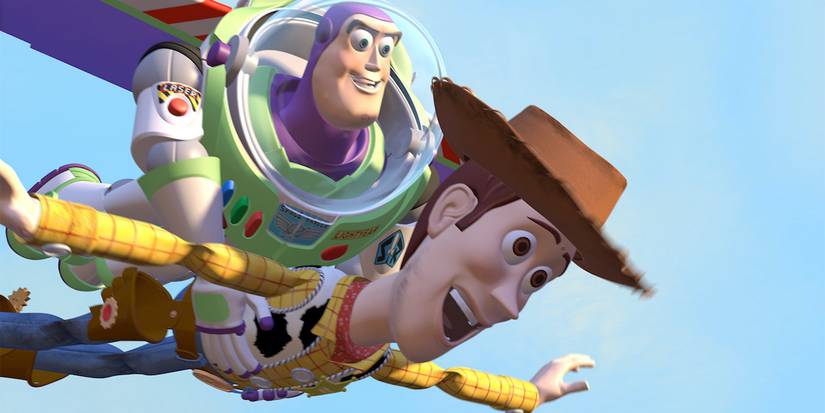
The argument for Toy Story is not just that it changed animation forever, though it obviously did. The stronger argument is that it changed the emotional possibilities of modern animation by making existential panic funny. Woody (Tom Hanks) is not just jealous of Buzz (Tim Allen). He is facing obsolescence. That is a very adult terror hidden inside a perfect children’s premise. Your worth has been tied to being loved in a certain role, then one day something shinier arrives and suddenly the entire structure that told you who you were starts wobbling. It’s an identity crisis in the toy world.
And what makes the film such a permanent rewatch is how sharply each toy embodies a different relationship to purpose. Buzz lives inside delusion until delusion breaks and leaves him with emptiness. Woody lives inside function until function is threatened and leaves him crueler than he wants to be. Their friendship matters because it is built through humiliation. They become friends by surviving the collapse of the stories they were telling about themselves. That is incredibly rich material for a movie this brisk and funny. And yes, the technical leap is historic. But the reason it lasts in the bloodstream is that it makes being a toy feel like being alive.
5
‘Spider-Man: Into the Spider-Verse’ (2018)

This one belongs in the fight because it did something animation almost never does at this scale, and certainly didn’t in the last few years — making innovation feel emotional instead of ornamental. The first time you see Spider-Man: Into the Spider-Verse, part of the thrill is pure sensation. The frame rate changes, the halftone textures, the comic-book ruptures, the color explosions, the way the image seems to be inventing itself scene by scene. But the movie would not still matter this much if that were all it had. What gives it a claim to best ever is that the visual language is tied to becoming. Miles Morales (Shameik Moore) does not yet move like himself because he does not yet know how to be himself. The form is unstable because he is.
That is such a beautiful use of animation. The multiverse stuff is fun, and the Spider-variants are delicious, and the movie has one of the best ensemble energy mixes in modern studio animation, but the real charge is Miles. He is scared in a very recognizable teenage way, scared of disappointing everyone, scared of not becoming enough, scared that the version of himself others are waiting for may not actually arrive on schedule. Then the leap happens. Not just the literal one, the emotional one. And the film earns that leap so completely that it stops being hype and becomes release.
4
‘The Lion King’ (1994)

This has one of the strongest best animated film ever claims. Everybody knows the skeleton, lost prince, murdered father, exile, guilt, return, but the reason The Lion King stays so powerful is that it does not feel like plot first. It feels like emotional weather. Mufasa (James Earl Jones)’s authority, Simba (Jonathan Taylor Thomas / Matthew Broderick)’s adoration, Scar (Jeremy Irons)’s bitterness, the whole opening sweep of the Pride Lands, everything is calibrated to make the eventual break feel like the world itself being morally disordered. That is why children carry the film so intensely. It is not just sad. It is cosmically wrong in a way they can feel before they can explain it.
And then adulthood changes the film again. Simba’s avoidance gets more painful. Timon and Pumbaa’s philosophy gets funnier and sadder. Nala (Moira Kelly) becomes more than a return-of-duty device. Scar grows richer as a character because his cruelty is so bound up with humiliation and grievance. And the animation itself remains extraordinary, not merely beautiful in the broad Disney sense, but emotionally legible. Fire. dust. moonlight. stampede. sunrise. ghostly cloud-presence. The movie keeps giving its themes elemental bodies. It is one of the clearest examples of animation turning archetype into lived feeling.
3
‘Grave of the Fireflies’ (1988)

If your definition of “best animated film of all time” is the film that most completely proves animation can carry unbearable human truth without softening it, Grave of the Fireflies might be your answer. It is not “great for an animated movie.” That phrase should be buried forever. It is one of the greatest anti-war films ever made, one of the greatest films about sibling love, and one of the most devastating works about social collapse and private pride ever created in any medium.
Seita (Tsutomu Tatsumi) and Setsuko (Ayano Shiraishi) are children trying to continue being children for one more day while the adult world breaks every structure that should protect them. The first time, the hunger and loss overwhelm you. Later, Seita becomes more complicated. His love for Setsuko becomes even more moving, but his pride, shame, and inability to bend before humiliation become part of the tragedy too. Society itself becomes the villain more clearly each time, not in some abstract ideological way, but through ordinary indifference, through people deciding someone else’s suffering is not their emergency. That is where the film destroys you. It makes catastrophe intimate and then refuses to let intimacy save anyone.
2
‘Pinocchio’ (1940)
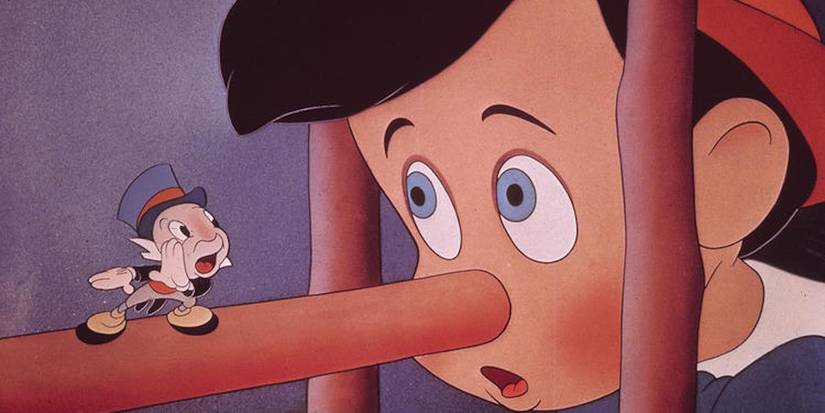
There is a very serious case that Pinocchio is the greatest animated film ever made because it still feels like animation discovering how dark moral storytelling could become once you let drawings dream properly. This movie is terrifying. Not in a side-scene, “that part scared me as a kid” way. In its actual structure. Pinocchio (Dickie Jones) moves through one predatory adult system after another, exploitation, fraud, temptation, trafficking, transformation, and the movie never truly lies about what is at stake. If he keeps drifting toward appetite without conscience, he will lose himself. That is a brutal story engine for a children’s film, which is one reason it feels so eternal.
And then there is the craftsmanship, which can still make you angry with admiration. The underwater work, the lighting, the dimensionality of the spaces, the texture of Stromboli’s theater and Pleasure Island and Monstro’s violence, it all still feels alive. Jiminy Cricket (Cliff Edwards) matters too much to reduce him to mascot charm. He is the film’s fragile moral witness, constantly outmatched by how seductive irresponsibility can look in the moment. That is why the movie remains so rich. It understands that becoming “real” is not cute. It is painful. It requires choosing integrity repeatedly while the world keeps marketing you easier selves.
1
‘Spirited Away’ (2001)
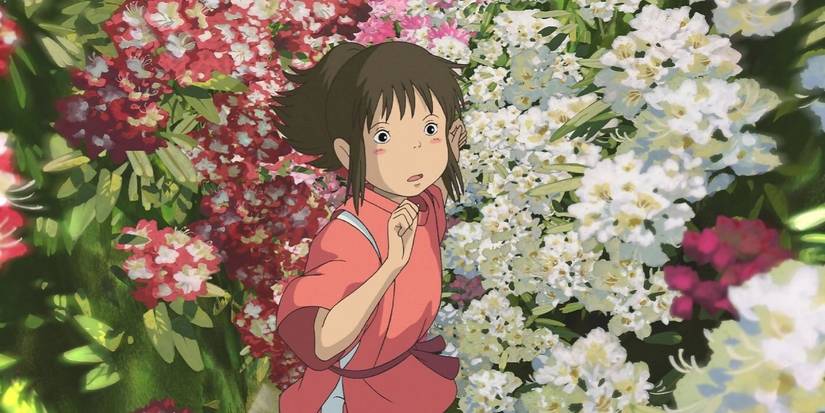
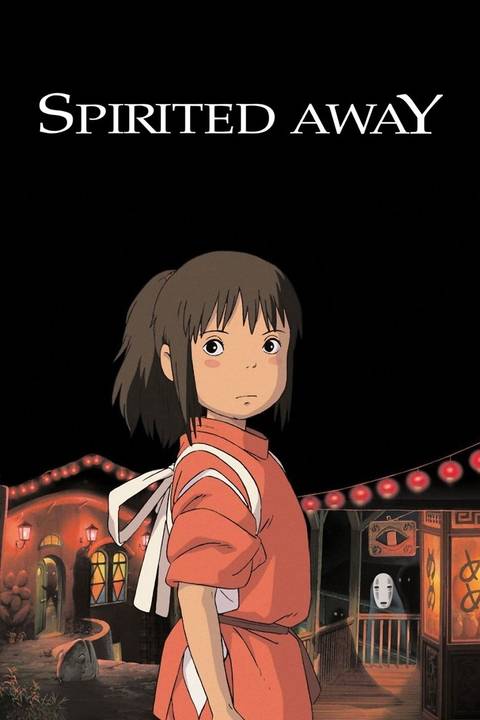
This is my number one because it feels like the medium remembering everything it can do at once. It can terrify. It can console. It can bewilder. It can make labor sacred. It can turn greed into a monster and loneliness into a train ride and childhood fear into a whole spirit economy. Spirited Away is not just imaginative. Plenty of animated films are imaginative. It feels spiritually complete. Chihiro (Rumi Hiiragi) entering the bathhouse world is one of the greatest passages in cinema because the movie immediately understands that the strange world is not there only to entertain her. It is there to reshape her.
That is what makes it the greatest. Chihiro begins frightened, sulky, overwhelmed, still soft in the way a child can be before responsibility has found its proper shape inside her. The spirit world does not reward specialness. It demands work, memory, courage, patience, and the ability to see beings beyond the role they appear to fill in front of you. Haku (Miyu Irino), No-Face (Akio Nakamura), Yubaba (Mari Natsuki), Zeniba, Kamaji (Bunta Sugawara), Lin (Yumi Tamai), the stink spirit, they all matter because the film is so alive to transformation. Nothing is fixed. Appetite changes people. Love changes them. Naming changes them. Forgetting changes them. Spirited Away feels endless because it is a movie about crossing through fear and coming back with a fuller soul. Animation has produced many masterpieces. This is the one that, for me, feels like the medium in full bloom.



You must be logged in to post a comment Login