Fashion
The Platinum Shift in Fine Jewelry: What Olertis Is Seeing for 2026 and Beyond


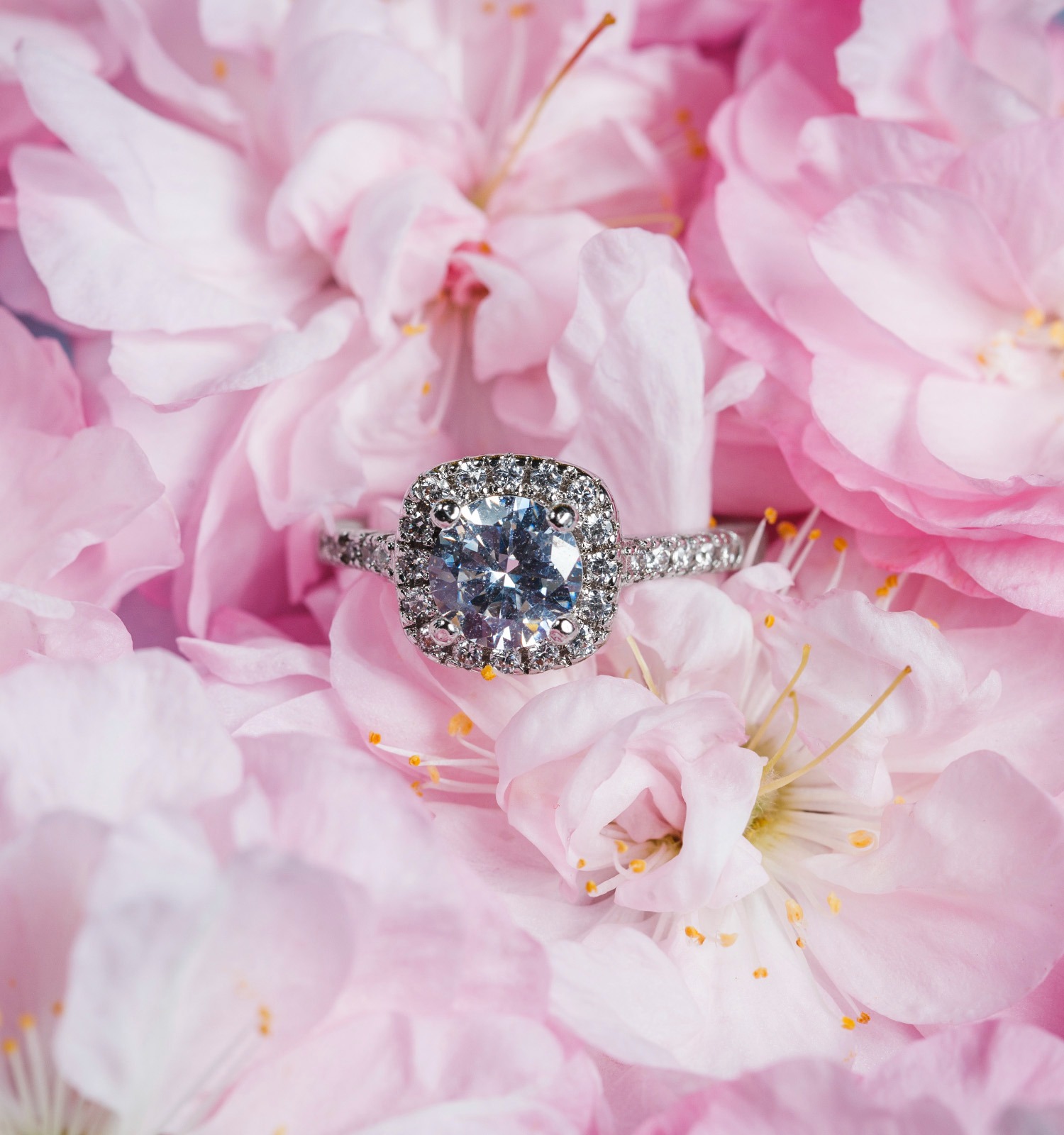
Jewelers have long associated platinum with American weddings – whether it’s an engagement ring, a wedding band, or an heirloom passed down through generations. This perception is evolving. Today, platinum is appearing more often in statement rings, sculptural necklaces, brooches, men’s jewelry, and custom jewelry designed to reflect an individual’s unique tastes instead of their wedding day. In fact, this change in how we view fine jewelry represents a larger trend: jewelry is becoming more about expressing who you are and your own sense of style.
From Bridal Classic to Jewelry That Says Something About Its Owner
The numbers suggest that platinum’s appeal is extending well beyond traditional wedding jewelry, making platinum jewelry trends in 2026 worth watching. According to PGI USA’s Retail Barometer (a study of 300 U.S. Jewelry retailers), sales of platinum jewelry outside of bridal rose by more than 24 percent in 2025. That figure applies specifically to non-bridal platinum jewelry, not to platinum sales overall. Olertis has recently reported seeing a similar shift among its own customers.
Clearly there are many reasons for this phenomenon. Consumers are increasingly looking for jewelry that feels personal rather than interchangeable. A statement ring does not have to be tied to a particular occasion. A necklace can be purely sculptural, while a brooch can feel like a work of art. For men, platinum offers a distinctive sense of weight and presence that other metals may not provide. Lastly, custom jewelry offers the opportunity to combine all of these elements together in one-of-a-kind pieces made for just one person.
In these custom pieces, platinum is no longer merely the base metal upon which a diamond sits. Instead platinum’s weight, scale, form, and naturally white color are incorporated into the bold design.
This matters because today’s luxury buyer is often looking for pieces with personal meaning. Once a piece of jewelry becomes part of someone’s signature style, then the material used in that piece becomes part of the statement.
What Makes Platinum Special for Design
Using the exact same design and making each version using platinum, 14K gold, and 18K gold will yield three products that are visually very different. The primary difference lies in density. Platinum is heavier than gold-based alloys. As stated by Jewelers of America, a ring or pendant containing 90% platinum can be approximately 60% heavier than a comparable 14K gold piece.
Because of platinum’s higher density, its mass can be felt in both statement and sculptural jewelry where size and scale matter. Without additional ornamentation, a substantial ring or necklace can feel more solid and weighty without needing more decoration.
Platinum is also inherently white in color and presents an ideal background for diamonds and colored gemstones. White gold can look similar when new, but it is commonly rhodium-plated to achieve its bright white finish. Unlike white gold, platinum does not require this process.
When rhodium plating begins to wear off, white gold may need to be replated to maintain its brightness and original appearance. However, unlike white gold, platinum develops a beautiful patina after prolonged wear. The finish of platinum can be polished to reveal a fresh surface. Many owners appreciate the softer appearance and unique character that develop naturally over time.
There is also a connection to the idea of individuality. Like its wearer, platinum jewelry can develop character over time rather than remaining permanently “brand-new.”
Compared to some 14K and 18K gold alloys, platinum is relatively soft, which means that it scratches differently and displaces metal at the surface as opposed to removing it entirely. As a result of this property, platinum retains much of its metal over many years of wear — an essential trait for fine jewelry that is expected to be passed down as an heirloom.
Why Platinum Can Cost More Even When It Costs Less per Gram
Platinum has historically traded at a premium to gold. Today, however, that relationship has reversed. Platinum currently trades well below pure gold – around $58 per gram versus roughly $142 for gold, based on September 2026 market quotes. However, this does not mean that finished platinum jewelry will be cheaper.
Platinum’s higher density means that the same physical design generally requires more metal by weight. A platinum ring would generally contain more grams than an equivalent gold ring.
While purity is relevant, it is not the reason platinum jewelry tends to cost more than similar 14k gold jewelry. Most platinum jewelry consists of 95% platinum whereas 14k gold consists of 58.3% gold. Doing simple math regarding a single gram shows clearly that the pure gold within a gram of 14k gold is worth more than the platinum contained in a gram of platinum jewelry.
Ultimately, the difference in the price of a finished piece comes from the work required to turn the metal into jewelry. Working with platinum involves specialized tooling and techniques and finishing processes are often more time-consuming. Custom jewelry presents an example where each aspect including contours, settings, and surfaces must be individually crafted and completed for the specific design.
The final price of a platinum piece reflects far more than its weight: design, gemstones, construction, craftsmanship and finishing all play a role. That is why a piece of platinum jewelry may have equal or greater value than an equivalent piece created in 14k gold regardless of whether platinum costs less per gram.
Choosing platinum can be about more than the material itself – it can be about exclusivity, durability, presence and the experience of owning something created specifically for the wearer.
Thus, the story behind platinum’s current pricing trends becomes compelling. Customers are still selecting it even when commodity pricing no longer presents it as the obvious option.
Why Platinum Could Become More Than a 2026 Fine Jewelry Trend
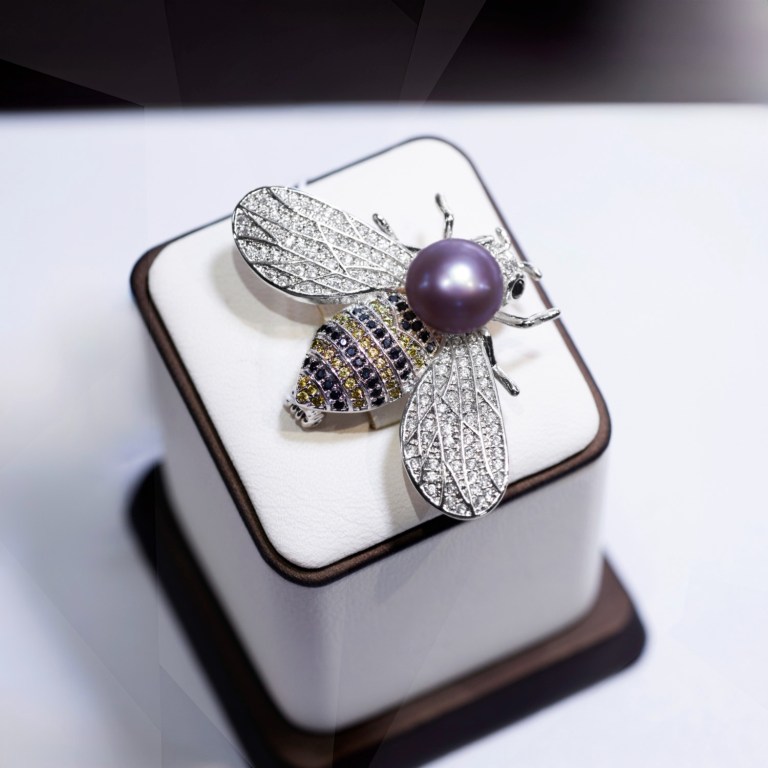

Customization creates a separate landscape within the fine jewelry market.
Although broadening consumer awareness and growth in customization remain positive developments within fine jewelry markets globally, the overall outlook is gloomier. According to data released by the World Platinum Investment Council in their May Platinum Quarterly publication, global demand for platinum jewelry is forecast to decline by 12% in 2026 while demand is expected to decline by 7% in North America alone. The decline is largely tied to the sharp rise in platinum prices, which had roughly doubled from a year earlier; even strong customers tend to reduce consumption of platinum once costs increase enough. These figures describe the broader platinum jewelry market rather than the custom segment.
However, Olertis reports a contrasting trend.
Demand for Olertis’s customized platinum jewelry has grown by 8 percent during the first half of 2026 when compared to the first half of 2025.
This is not an industry-wide statistic; it reflects what one company is seeing. It is significant nonetheless because it contrasts with the broader North American forecast rather than simply tracking alongside the category.
The company’s experts expect demand for customized platinum fine jewelry to continue increasing in 2027, even if demand decreases across other segments of the fine platinum jewelry market in North America.
The practical differences are most evident in what customers request for their custom pieces.
They typically request statement rings with unexpected proportions, necklaces built around distinctive shapes, large men’s pieces with platinum’s substantial heft, or designs featuring the properties inherent to the metal itself as part of its aesthetic appeal. Additionally, customers are drawn to platinum’s naturally white color, its heft, durability, or the patina it develops on its surface over time.
These requests differ from customer inquiries related to viewing options available at retail stores. They represent requests to design something that is personal.
And that may be platinum’s next chapter: moving from America’s iconic bridal metal to a more versatile luxury material for personal jewelry — chosen for its design, character, and presence rather than simply because tradition says so.
You must be logged in to post a comment Login