Fashion
The Quiet Glow-Up: Why Body Skincare Is Becoming Fashion’s Next Frontier

For years, the beauty conversation around ageing skin has centred almost entirely on the face — serums, retinols, in-office treatments, all deployed in the name of a dewy complexion. But a quieter shift is underway, and it’s happening from the neck down. Dermatologists and style-watchers alike are pointing to body lotion as the unlikely new frontier of a polished, put-together look, arguing that the texture of skin on arms, legs and décolletage says as much about personal style as the clothes draped over it.
It makes sense, in a way. As hemlines shorten again and sheer fabrics return to the runways, more skin is on display than in recent seasons of long sleeves and covered-up layering. That visibility has pushed body care out of the utilitarian “apply after shower” category and into something closer to a style ritual — one that dermatologists say deserves the same intention as a skincare routine for the face.
“When used consistently, anti-ageing lotions can improve the skin’s appearance by reducing fine lines, wrinkles, and age spots,” says board-certified dermatologist Pearl Rimtepathip. “Body moisturisers can also improve skin tone, texture, and hydration, which helps with the overall appearance of the skin. I like to think of anti-ageing body lotions as a key tool for skin maintenance.” In other words: the smoothness of an elbow or the firmness of a forearm is no longer an afterthought, it’s part of the outfit.
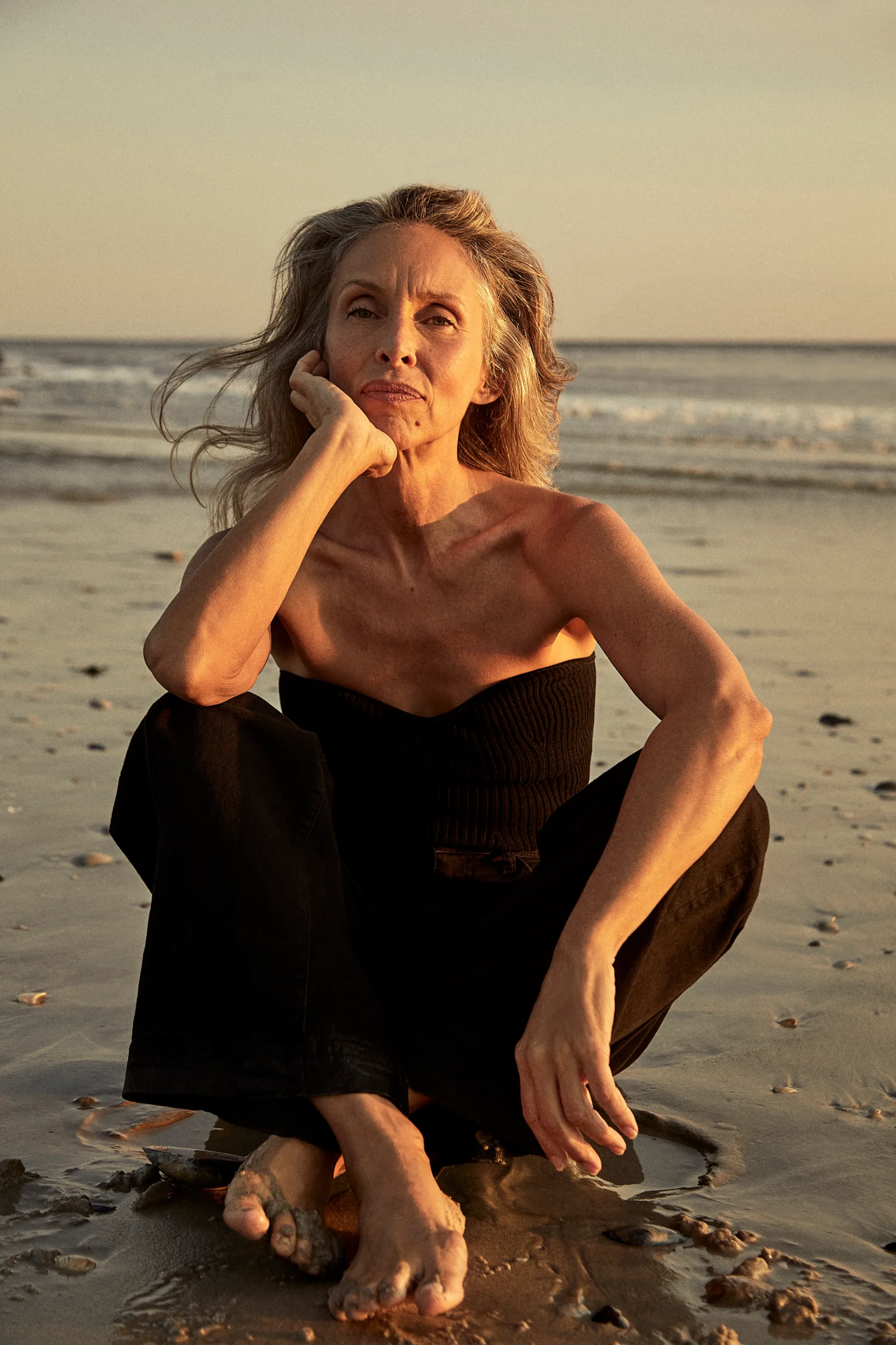

The formulas driving this shift read less like drugstore basics and more like face-serum science shrunk down for larger canvases. Brands are leaning on resveratrol, squalane and hyaluronic acid to target what dermatologists have taken to calling “inflammaging” — low-grade inflammation linked to visible signs of age. Others are borrowing patented technologies once reserved for high-end facial treatments, using peptide and amino-acid complexes to support cell renewal across the whole body, or combining botanical extracts with caffeine and horse chestnut to address puffiness and encourage what’s marketed as lymphatic drainage — a concept that has migrated from wellness clinics into mainstream beauty aisles.
Texture-specific concerns are getting their own dedicated fixes too. Crepey, thinning skin on the upper arms and chest — a common complaint as collagen production slows with age — is now addressed by firming lotions built around ingredients designed to support collagen and elastin. “This one’s excellent for helping with that thin, crepey skin we see on the arms and chest,” notes Manhattan dermatologist Michelle Henry of one such formula. “It supports collagen and elastin production and makes a real difference if you use it consistently.” Meanwhile, ceramide-rich creams — many popularised through the Korean skincare pipeline — are being recommended for sensitive or barrier-compromised skin, particularly for those dealing with dryness worsened by hard water or seasonal changes.
What ties all of this together is a broader cultural reframing of what “getting dressed” actually includes. Stylists have long argued that confidence is the most important accessory in any outfit, and dermatologists are now making a similar case for skin: that comfort in one’s own texture, tone and hydration levels changes how clothing sits, how sleeves are rolled, how much skin a person is willing to show. A well-moisturised arm reads differently under a cropped sleeve than a dry one; a firmer décolletage changes how a plunging neckline is worn.
None of this means every mature-skin lotion is interchangeable, dermatologists caution. Formulas vary widely by price point, texture and intended concern — some are richer and better suited to very dry skin, others are lightweight enough for daily wear under clothing, and a few are positioned as luxury treatments meant to be massaged in slowly, almost ceremonially, rather than slapped on in a rush before leaving the house. As with any skincare category, the “best” product is the one matched to an individual’s specific skin concern rather than whichever has the flashiest marketing claims.
Still, the underlying message from the beauty and fashion world this season is consistent: style no longer stops at the hemline. As more skin becomes part of the season’s silhouette, the products meant to care for it are being treated with the same scrutiny — and enthusiasm — once reserved strictly for what goes on the face.
You must be logged in to post a comment Login