Fashion
The River Came Without Warning – Nepal’s Flash Floods Leave Children Fighting to Survive

At around nine in the morning on 26 August 2026, a sudden surge in the Bhote Koshi and Lhende river system — triggered, according to preliminary satellite analysis, by an ice-rock avalanche upstream in Tibet — crashed across the Nepal–China border and tore through the settlements of Timure, Rasuwagadhi and Syabrubesi in Rasuwa district. The flood struck with no warning, at the exact hour children were walking to class. Markets, roads, bridges, a customs post and more than a dozen hydropower projects were swept away before the surge poured into the Trishuli River and raced downstream through Nuwakot, Dhading, Gorkha and beyond.
900+
Deaths reported by field teams (figures still provisional)
4,000+
People still missing, incl. children
500+
Travellers unaccounted for, many foreign tourists & pilgrims
69
Children reunited with families in the first 48 hours
01 Children among the most vulnerable
Children have borne the brunt of this disaster. Some were separated from their parents in the chaos of the rescue operations and taken to different temporary holding centres; overcrowded, inadequate shelters and repeated relocation expose already distressed children to further protection risks. Access to safe drinking water has been severely disrupted, raising the threat of waterborne disease in communities that have lost everything. Schools have been destroyed, and families who depended on trade, tourism and hydropower work have lost their livelihoods overnight.
Save the Children, working with local authorities, helped reunite more than 69 separated children with their parents or legal guardians within just 24–48 hours — but many more remain apart from their families, and the search for the missing continues.
02 The response on the ground
Save the Children has been on the ground since the first day, providing lifesaving assistance to 1,000 families and counting: tarpaulins for emergency shelter, baby kits, mosquito nets, dignity and hygiene kits, blankets, kitchen utensils, and clean water and sanitation supplies. The organisation is coordinating closely with the Disaster Management Committee (DMC) and other responders, and is preparing to expand its response as the scale of the need becomes clearer.
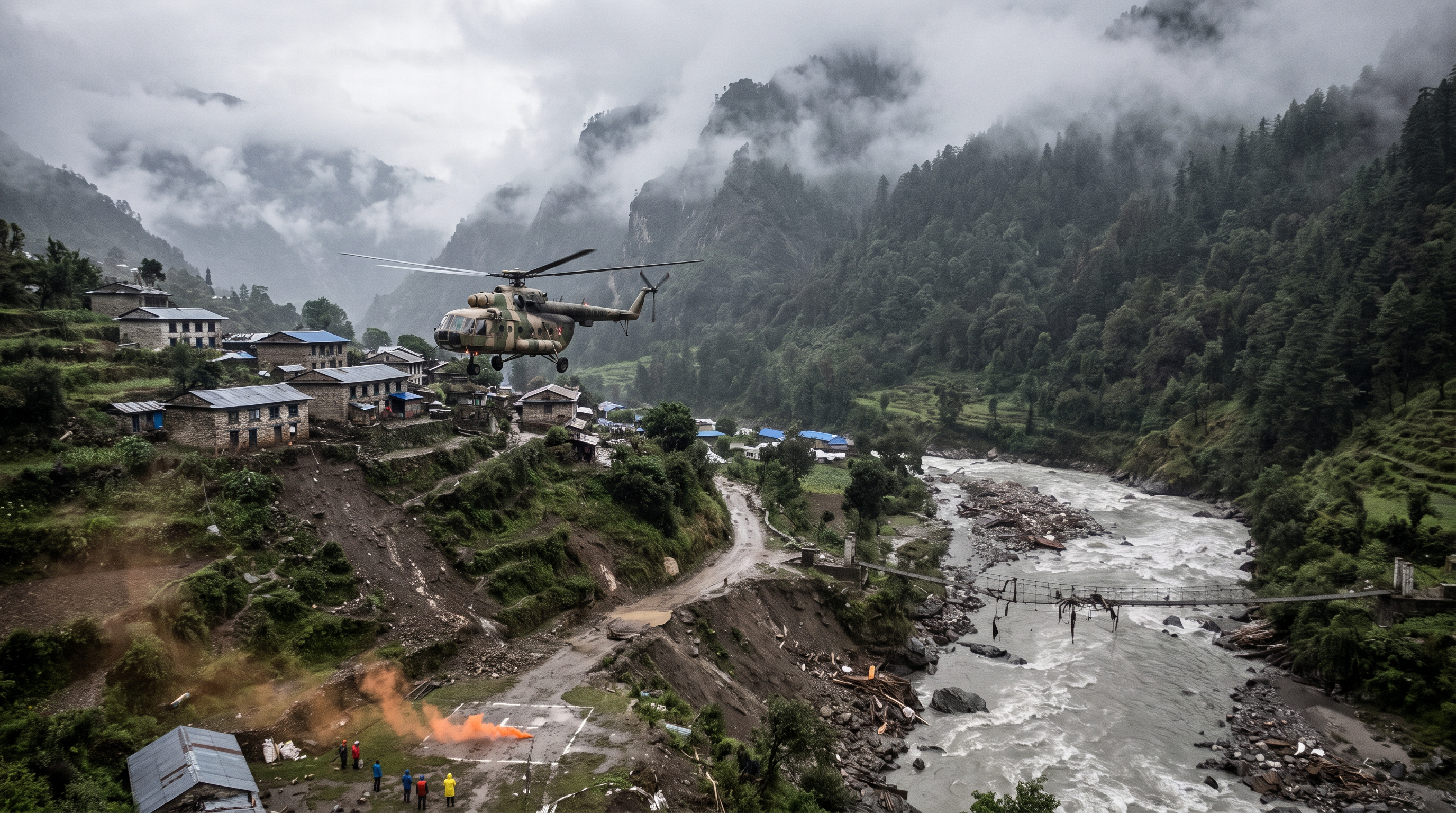
The terrain makes everything harder. Flooded and collapsed roads have slowed rescue and relief; many affected areas remain without electricity, internet or mobile connectivity; some communities are reachable only by helicopter. In a country where Save the Children has pre-positioned stocks in six warehouses with the capacity to support up to 10,000 families in a mega-disaster, teams can dispatch essential aid within 24 hours — but reaching cut-off mountain villages still depends on aircraft, weather and sheer persistence.

AI-generated illustration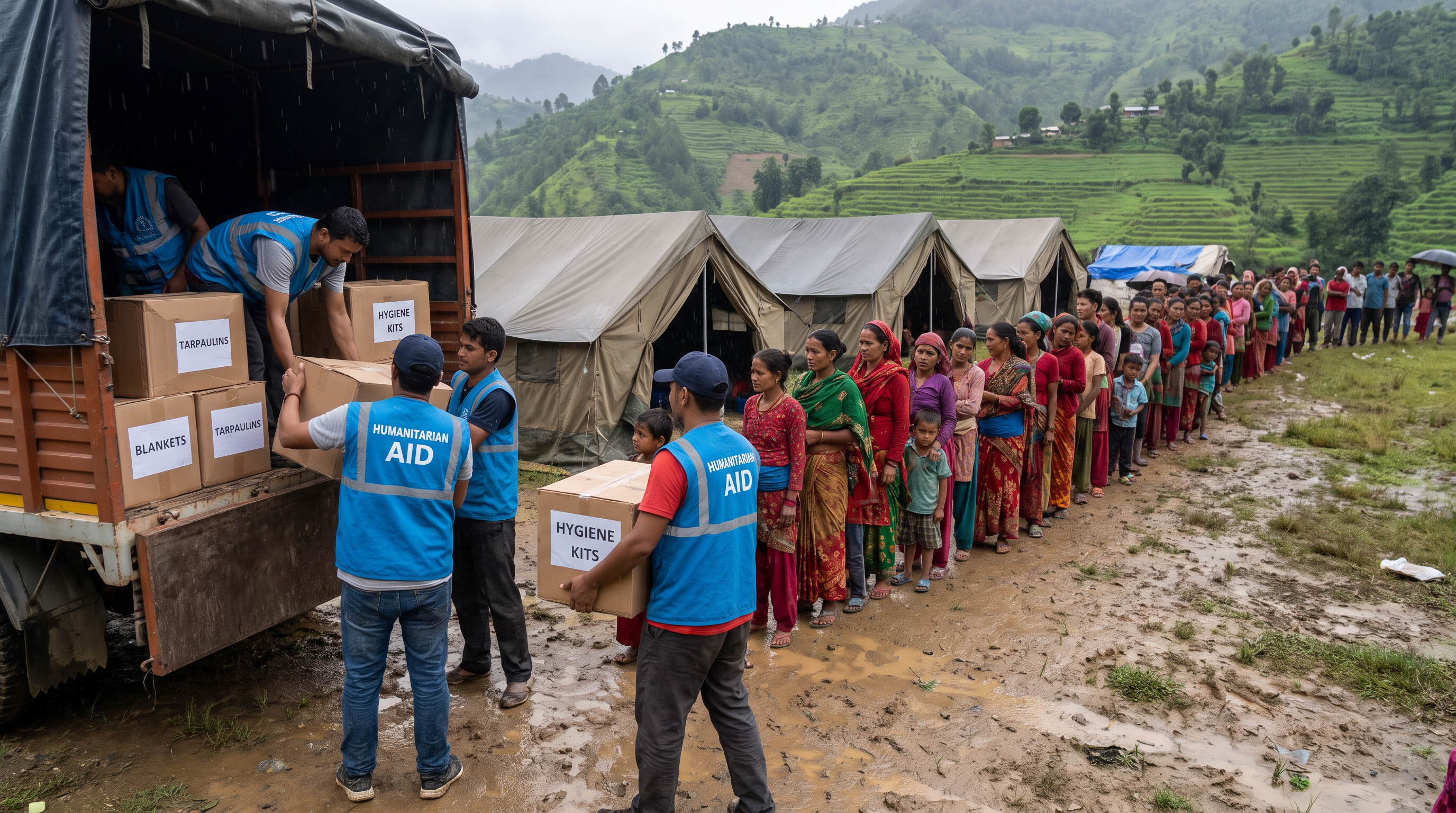
AI-generated illustration


03 What families need now
Children and families still urgently need shelter, clean water, food, healthcare and protection. Save the Children’s immediate priorities include emergency health care, family tracing and reunification, psychosocial support so children can begin to recover through play, and help getting children back into learning.
$60 could purchase a hygiene kit for a family of five
$89 could provide a food kit for one month to a family of four
$117 could purchase a mother and baby essentials kit
$200 could help reunite a lost child with their family after a disaster
$25/mo could support a child to recover from traumatic experiences through play
$50/mo could give a displaced family of seven two weeks of food
Important contacts — Save the Children Nepal
Phone+977-1-4568130 / +977-1-4564803
Country Office: Save the Children Nepal, Airport Gate Area, Shambhu Marg, Kathmandu, Nepal — GPO Box: 3394
You must be logged in to post a comment Login