NewsBeat
‘Alpine divorce’ is the dating red flag that could leave you stranded on a mountain

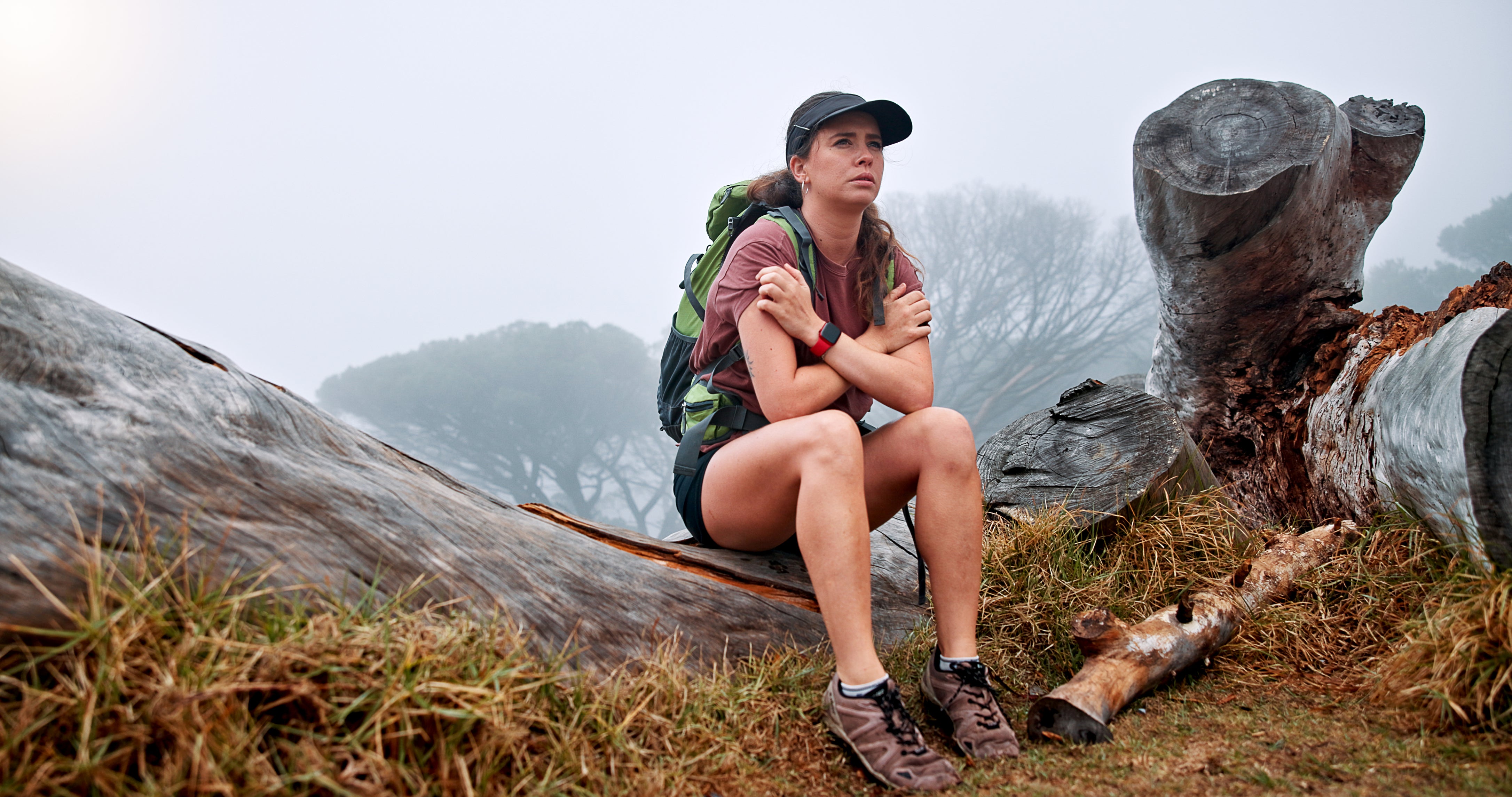
On a sweltering summer day in 2011, Maya Silver was hiking through Colorado’s remote Unaweep Canyon when her then-boyfriend started to grow frustrated with her pace. The sun was blazing overhead, the terrain was difficult, and she couldn’t keep up. Without a word, he stormed ahead — and then vanished from sight. Silver, an inexperienced hiker at the time, spent the next two hours alone, lost and spiraling with fears of rattlesnake bites, heatstroke, and the suffocating isolation of the canyon.
“After one hour, you start spiralling in your head,” she says. “I worried that I might never get off the trail and find him, that he had left me completely, or I would take a wrong turn and trip and fall.”
Silver experienced what has more recently been dubbed “alpine divorce,” a new dating term that describes the physical abandonment of a significant other, intentionally or unintentionally, in the mountains. Online, women have recounted experiences like Silver’s: being guided by a more experienced male partner on hikes, only to be left stranded — and with the unsettling sense that their partner does not have their best interests at heart. Some women say in their online testimonies that their experience of alpine divorce was an early sign of their partner’s emotional or physical abuse. While there are no statistics available to illustrate its scale yet, the uproar online suggests it is surprisingly common: one Reddit post on the topic has more than 1000 comments from women sharing similar experiences.
The term “alpine divorce” dates back to a 1893 short story by Scottish-Canadian author Robert Barr, in which a man plots to push his wife off a mountain. While fictional, the story taps into a long-standing fear of betrayal in remote, high-risk environments. The term went mainstream last month, after Austrian climber Thomas Plamberger was found guilty of gross negligent manslaughter for leaving his girlfriend to freeze to death during a hike on Grossglockner, Austria’s highest mountain at 14,461ft (3,798 meters), in 2025. The judge ruled that Plamberger was responsible for Gurtner, noting that his mountaineering skills were “galaxies” beyond hers and criticizing him for failing to assess her abilities. (Plamberger has denied criminal wrongdoing and is appealing.) During the trial, his ex-girlfriend Andrea Bergener testified that he had left her alone on a night hike on Grossglockner years earlier — though, in her case, she had fortunately managed to descend the mountain safely on her own.


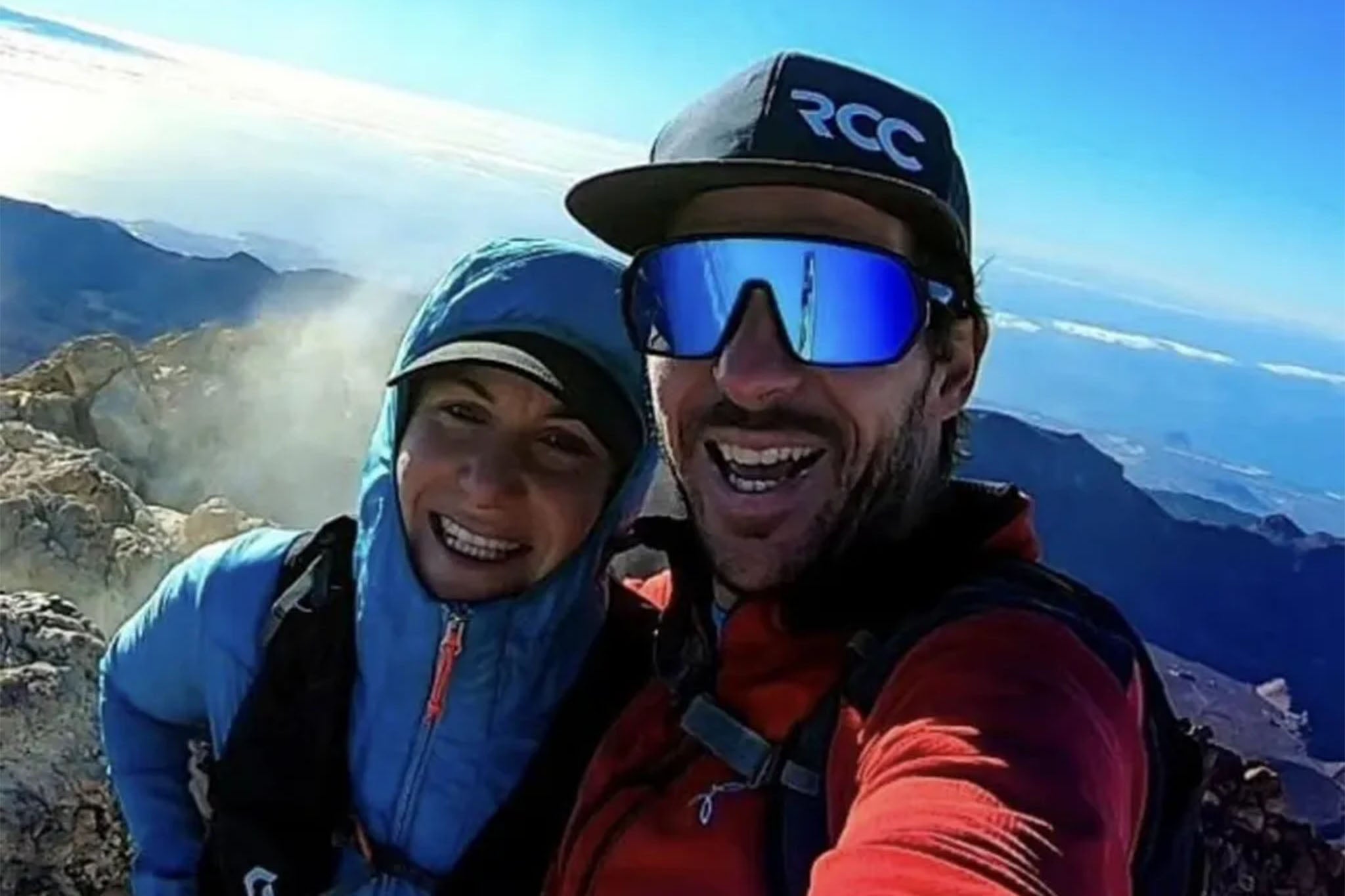
Silver, now an experienced climber and editor of Climbing Magazine, was later reunited with her boyfriend after her two arduous hours of survival and was furious with him. They broke up a few months later. But Silver still wonders what could have happened if she had not safely found her way back. “Things could have gone south,” she tells me. “You can see so many instances where this could have become a really big search and rescue situation, or it could have been fatal.”
The most common — and less extreme — form of alpine divorce occurs when one partner walks ahead during a hike, leaving the other alone after a minor argument. Minaa B, a New York-based social worker and relationship expert, describes it as a form of abandonment trauma. Being left behind on a hike can trigger a powerful fight-or-flight response, flooding the nervous system with fear and leaving a person disoriented and panicked. “It can be very dysregulating to the nervous system for somebody to be abandoned in either an unfamiliar environment or even an unsafe environment,” says Minaa B. Not having access to resources, like a working cell phone or a blanket, can add to the severity of the situation, too. “You might feel fear. You might feel extreme stress in that moment,” she says. “There’s a threat to your safety that’s happening.”
The relationship expert compares alpine divorce to ghosting — the sudden, unexplained cutoff of communication in a romantic relationship, often used to avoid confrontation. “People who struggle with emotional maturity and direct communication can find it easier to abandon someone versus having a very clear conversation about wanting to end the relationship,” says Minaa B. “This is an extreme form of ghosting, except it’s not happening in the digital space. It’s happening in real life to people.”

Alpine divorces are usually the result of a communication breakdown, says Dr. Jessica Carbino, a relationship expert and former sociologist for Bumble and Tinder. “It represents someone’s capacity to control their impulses,” she explains. “People who would engage in this type of behavior are having a challenge regulating their stress and becoming panicked or very anxious. And they then engage in these incredibly impulsive behaviors, like leaving somebody on a mountain, abandoning them and walking away.”
Power dynamics play a big role, too. The image of a man abandoning a woman, leaving her vulnerable, taps into traditional gender roles that assume the man leads and the woman follows. “Men historically have the power to determine the grounds for all interactions,” says Carbino. “By walking away from a conversation, you are taking the power back. You are denying the opportunity for interaction, and that certainly has a gender element to it.”
When a partner abandons you in a remote setting, it’s a profound breach of trust that’s hard to repair. According to Minaa B, it may signal that your needs aren’t a priority — and could be a sign it’s time to walk away. “That experience can trickle into how you perceive the relationship, the fact that your partner did abandon you in this way,” she adds. “And I think the question for that person experiencing that is, ‘What does this mean about trust?’”
As a regular alpinist with nearly 20 years of experience, Silver now knows what it takes to be prepared for a difficult hike. She hopes that less-experienced climbers, and women in particular, are not put off by these stories circulating online, but that they take extra caution when embarking on dates in more isolated locations.
“If you have any apprehension or lack of experience, do the research, ask the hard questions, don’t accept the answers point-blank [from your partner or date],” says Silver. If in doubt, pick somewhere familiar, busy and within cell reception service. “If you have any inkling that something isn’t right, suggest something much more mellow, go to the climbing gym instead. Or, choose a hiking route that you’ve done before.” It’s a sad reality, but one that all women should be aware of.
The national domestic abuse helpline offers support for women on 0808 2000 247, or you can visit the Refuge website. There is a dedicated men’s advice line on 0808 8010 327. Those in the US can call the domestic violence hotline on 1-800-799-SAFE (7233). Other international helplines can be found via www.befrienders.org
You must be logged in to post a comment Login