Connect with us

NewsBeat

Anglian Water could be prosecuted over ‘pollution incident’ that killed 900 fish

Published

on

Cambridgeshire Live

Around 900 fish were found following the incident in September 2024

Anglian Water could face prosecution over a suspected pollution incident that led to the death of around 900 fish. The dead fish were found floating in the King’s Dyke area between Stanground and Whittlesey in September 2024.

Advertisement

At the time, the Environment Agency (EA) found there were higher levels of ammonia and lower levels of oxygen in the water. An investigation revealed a nearby Anglian Water pumping station had been discharging sewage for 23 hours due to a pumping failure.

After two years of investigation, the EA has confirmed its plans to prosecute Anglian Water for the “pollution incident”.

In a letter addressed to MP Steve Barclay, Sadia Moeed, area director for East Anglia for the EA said: “Following the conclusion of our investigation I can now confirm that we have made the decision to prosecute Anglian Water Services Limited in relation to the pollution incident that occurred at King’s Dyke, Stanground in September 2024.

“This has been communicated to the company today (August 28).” The EA said it is awaiting a magistrates court date.

Advertisement

Ms Moeed added: “We are committed to taking action against water companies responsible for pollution and to ensuring that environmental regulations are robustly enforced.”

An Environment Agency spokesperson added: “Following a detailed investigation, we have taken the decision to prosecute Anglian Water in relation to alleged pollution of the King’s Dyke in Stanground, in Peterborough, in September 2024.”

Anglian Water did not wish to comment.

Do you want more of the latest Cambridgeshire news as it comes in from across the county? Sign up to our dedicated newsletter to make sure you never miss a big story from Cambridge or anywhere else in the county. You can also sign up to our dedicated Traffic and Crime newsletters for the latest updates on the topics you are most interested in.

Advertisement

Source link

Continue Reading
Click to comment

You must be logged in to post a comment Login

Leave a Reply

NewsBeat

Andy Burnham issues verdict on proposed DWP rule change for 13 million state pensioners

Published

on

Manchester Evening News

The Prime Minister has been urged to make a major change

The Government looks increasingly likely to face mounting pressure to abolish the state pension triple lock over the coming year following confirmation from Andy Burnham that there were no plans to abandon the policy.

Advertisement

The triple lock guarantees the rate of the state pension rises every year in line with whichever is highest out of inflation, wage growth or 2.5%. However, this can – and frequently does – result in costly above-inflation increases.

And that appears set to be the case once again in April 2027, based on current projections. The latest wage growth figures of 4.1% sit above inflation.

Click here to get the biggest stories straight to your inbox in our Daily Newsletter

The rise to the state pension earlier this year was also based on wages. The full state pension is on course to climb by over £500 next year.

Advertisement

The triple lock is enormously expensive for the nation as increases are secured annually, as the name implies. Even if the amount surges in one particular year, it would still be required to rise again the following year.

It essentially leaves any government held hostage to pension increases. Calls are growing ever louder for the triple lock to be scrapped, but any decision to do so would represent a bold political move.

Burnham has acknowledged questions surrounding the triple lock but has said it would be “dangerous” to go against the Labour manifesto.

Leading economists maintain it will ultimately fall to a Prime Minister to make the defining decision.

Advertisement

The Organisation for Economic Cooperation and Development (OECD) is amongst influential bodies to call for reform. Mark Pemberthy, benefits consulting leader at Gallagher, said: “Andy Burnham has declared he has a plan, but we may need to wait a while before we know exactly what that means for pensions.

Angeline Ong, senior investments analyst at IG, said: “The OECD has added its voice to a growing chorus questioning the long-term sustainability of the triple lock, but politics remains the biggest obstacle to reform.”

Source link

Advertisement
Continue Reading

NewsBeat

Cambridge residents hope new crossing will make road safer after door ripped off car

Published

on

Cambridgeshire Live

Cambridgeshire County Council said the new crossing on Four Lamps Roundabout was designed to enhance ‘safety and accessibility’

Cambridge residents said they hope a new crossing will make a central road safer after one woman’s car door was ripped off its hinges by a speeding driver. The Maids Causeway side of Four Lamps Roundabout was resurfaced earlier this year but more works were scheduled to take place in summer to improve the crossing.

Advertisement

Cambridgeshire County Council said they’ve had to delay the completion of this project until September 18 due to difficulties getting new streetlights. A spokesperson said the dual crossing, with separate lanes for pedestrians and cyclists, has been built to reduce crossing time and improve safety.

Linda Carmichael said her car door was ripped right off as she was parked by a driver speeding down the parking bay beside Maids Causeway. The 63-year-old said: “It was very distressing – if I had stepped back, my grandchild was unbuckled and it would have been awful.”

The hinges of the back door broke, hitting the front door, and she said it caused several thousand pounds worth of damage. She said she hopes the work which has reduced the lanes entering the roundabout down from two to one will slow cars down.

A zebra crossing has been added across the road for bikes and pedestrians so cars will now have to stop before reaching the roundabout. Linda said it’s made the crossing much safer than before but that more could be done to prevent cars from cutting through the parking bay.

Advertisement

She said: “It’s very good – I’m glad they’ve made the crossing better because I have little grandchildren. There was no crossing before, you’d just have to take your chance, and hundreds of people would come across – it was dangerous.”

But she added that she would have liked speed bumps and signs to be installed in the parking bay to prevent speeding drivers using it as a rat run.

Christian Brady praised the council for doing the work quickly and communicating with residents throughout the process. The 53-year-old said: “It’s going to be really good if it stops people from being hit by cars.

Advertisement

“It was a four-lane road before so you’re going to get queues here, but ultimately it’s going to slow people down and that’s a busy crossing. I would be the first to complain, but I think it’s been reasonable – I think they’ve done a really good job.”

Another resident, who did not want to be named, said the works at night were loud as the houses are old with thin walls but she understood why they had to be done at that time.

She said: “We’ve got two children and we crossed it fine before – we would use the crossing at the traffic lights on Maids Causeway.”

Advertisement

A spokesperson for Cambridgeshire County Council said: “The recent redevelopment of the Four Lamps roundabout prioritises improvements that enhance safety and accessibility. The scheme was developed following extensive positive engagement with local residents and stakeholders, and a formal consultation which received no objections.

“The new crossing, with the adjusted single lane approach and wider footpaths, reduces crossing time and provides safer and easier access across Maids Causeway towards the city centre and Midsummer Common, for people walking, wheeling and cycling.

“The resurfacing work was originally planned to be completed alongside the crossing improvements. However, part of the resurfacing work was brought forward to address concerns from residents about the condition of the road surface.

Advertisement

“Completion of the works has been delayed as we await the supply of the new streetlights. This delay has been caused by an issue at the manufacturing plant. The outstanding lighting is due to be installed next week, with final completion of all works anticipated by 18 September, after which the crossing will be formally opened.”

Source link

Continue Reading

NewsBeat

Helmsley celebrated Tour of Britain with a packed day

Published

on

Helmsley celebrated Tour of Britain with a packed day

“Helmsley did us proud once again” was the overriding message as the town celebrated the visit of the Tour of Britain with a packed schedule of events. (Image: George Jabbour)

The market was buzzing with people and families coming from near and far to watch the prestigious cycle race, mark the launch of the Heart of Helmsley Project and take part in many activities.

 Earlier this year, it was announced that the start of the fourth day of the 2026 Tour of Britain would be in Helmsley, which successfully hosted the finish of this bike competition four years ago.

 The occasion was also an opportunity to launch the Heart of Helmsley Project, an initiative with significant investment to deliver improvements to enhance the accessibility of the town’s facilities and make it a more inclusive and welcoming environment.

“Helmsley did us proud once again” was the overriding message as the town celebrated the visit of the Tour of Britain with a packed schedule of events. (Image: George Jabbour)

 Helmsley’s North Yorkshire Councillor, George Jabbour, said residents and visitors had a fabulous experience.  

Advertisement

“From watching the cyclists as they left Helmsley and listening to live music and the Bandamonium brassbands, to meeting local organisations and touring the town to view the decoration of the shops and streets, everyone had a brilliant time.

“Helmsley did us proud once again” was the overriding message as the town celebrated the visit of the Tour of Britain with a packed schedule of events. (Image: George Jabbour)

“It was a real delight to work with local volunteers, businesses and residents to decorate our beautiful town ahead of Saturday’s spectacular event.  Helmsley was absolutely stunning.  The enthusiasm and participation that we have seen from everyone demonstrated how excited the community was.  After the phenomenal success that Helmsley enjoyed at the 2022 Tour of Britain, a lot of effort had gone into ensuring that this prestigious cycling race would return.  Now that it has, Helmsley did us proud once again.”

 Heart of Helmsley Project Representative, Carolyn Frank, said: “We enjoyed welcoming the international cycling race again to Helmsley, and hope that people who came for the first time return to visit again.  For our community, this was a good opportunity to come together with voluntary organisations, businesses and residents all contributing and taking part together.  Helmsley was again simply the best market town in Britain, not just on Saturday and showed our famous community spirit.”

Advertisement

Source link

Continue Reading

NewsBeat

Binman shares tip to stop bins being left down the road

Published

on

Binman shares tip to stop bins being left down the road

Many people will complain about this after having to hunt down their bins, but it can be prevented.

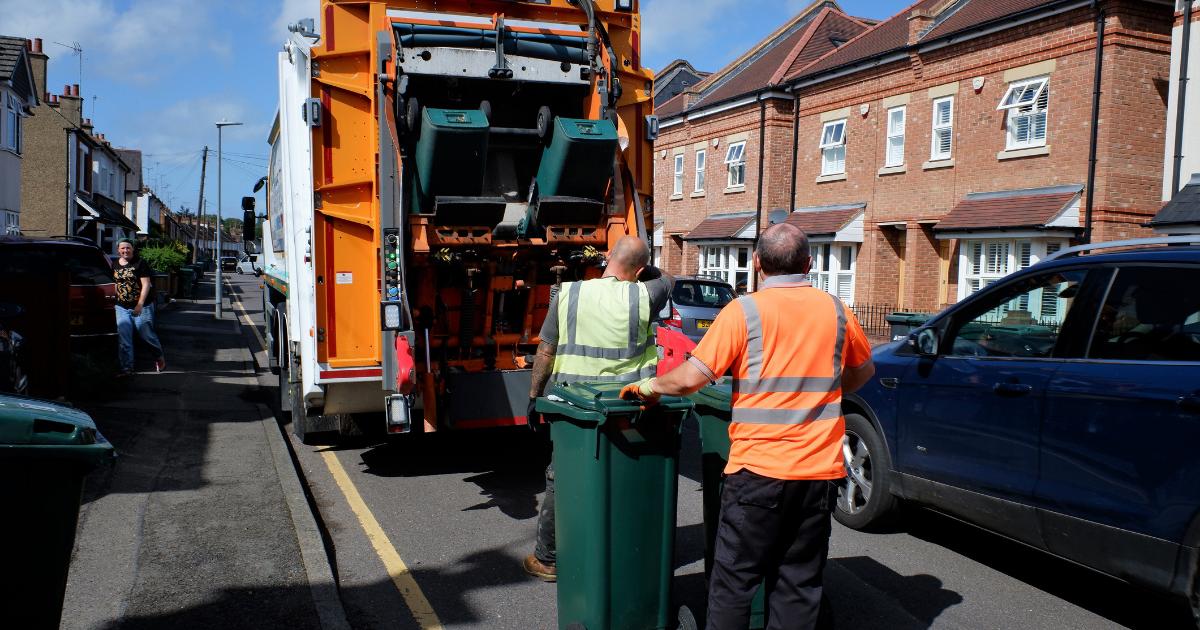
A binman has shared an easy and cheap tip to make sure your bin is returned to your house after the rubbish has been collected.

@theno1.binman The reason the binmen leave your bin down the road #Binformation #simplerrecycling #binmen #binday ♬ original sound – The No1 Binman

Easy trick to avoid losing your bin

The No.1 Binman on TikTok, Ashley, has shared why binmen often leave your bin down the road.

He said: “It’s probably because you haven’t got your number on your lid.

Advertisement

“No point putting it on the side because you can’t always see it.

“You want to be able to see it no matter where you are looking, you can always see the top of the bin.

“So get your number on top of your bin.”

While some people might paint the number of their house on the side of the bin, it is much easier to see if it is put on the bin lid instead.

Advertisement

If you have a house name instead of a number, this can also go on the top of the lid.

Ashley added: “You don’t have to your number, you can have your road name as well or your house name.

“It’s quite easy to do.”

By doing this “simple” trick, your binmen will find it easy to return the correct bin to the right houses.

Advertisement

He continued: “The binmen will put your bin outside your house, as long as you have a good binman.”

People took to the comment section to share their thoughts on the easy trick.

One person said: “Yessss I knew I wasn’t mad putting it on the lid!”

Another person said: “Mine has always been on the front, name and street, never had an issue.”

Advertisement

One person commented saying they did not mind walking up the road to get their bin.

They wrote: “My number is on the lid and it’s always 4 or 5 houses up the road.

“It’s not really an issue, I just collect it.

“Why are people so lazy, the extra steps will do us good.”

Advertisement

Will you be putting your house number on the top of your bin to make sure it does not get lost from now on? Let us know in the comments.

Source link

Advertisement
Continue Reading

NewsBeat

Forget the ‘London banana’, it’s all about the ‘squirrel’! New map reignites debate over the best places to live in the capital

Published

on

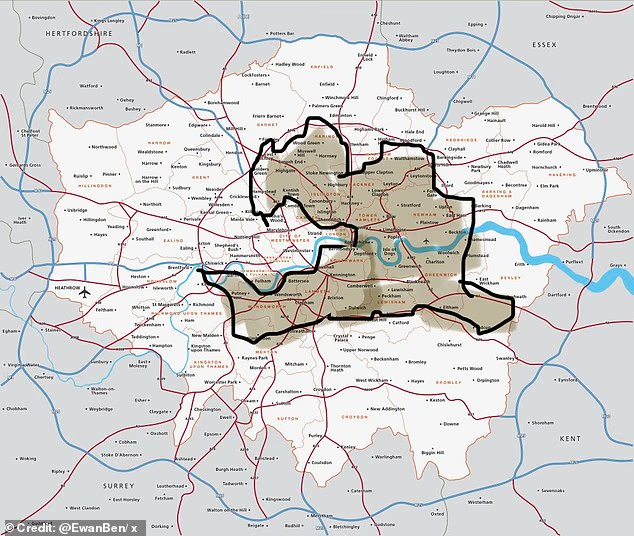
The London 'squirrel', which looks nothing like a squirrel, was posted by X user EwanBen amd highlights areas such as Stratford and Sidcup

You might think living in Notting Hill, Chelsea or Maida Vale means you indisputably reside in one of London‘s finest postcodes.

Not for some. 

A new map has reignited the debate over the best places to live in the capital – with the ‘London squirrel’ preferring swathes of east London over more traditionally swanky areas to the west and north-west.

It comes a year after the ‘London banana’ sparked arguments across the city over where the most desirable parts of the capital lie

Advertisement

The yellow fruit shape highlighted the best areas to live – the north-west, south-west and central – while simultaneously dismissing swathes of the city outside of the zone as ‘horrible’. 

The new map, however, highlights areas such as Peckham, Stratford and Sidcup over more traditionally sought-after spots such as Knightsbridge.  

The London ‘squirrel’, which looks nothing like a squirrel, was posted by X user EwanBen, who wrote: ‘My contribution to London Banana Discourse: London Squirrel. Best place in the world bar none.’

The post was met with widespread mockery over its design and the areas chosen. 

Advertisement

The London ‘squirrel’, which looks nothing like a squirrel, was posted by X user EwanBen amd highlights areas such as Stratford and Sidcup

The London banana, which went viral last year, was a map of the city with a hand drawn banana shape on top

The London banana, which went viral last year, was a map of the city with a hand drawn banana shape on top

Honey, 26, who works at a pie and mash shop in Greenwich, said the south-east London suburb is her favourite area in the capital

Honey, 26, who works at a pie and mash shop in Greenwich, said the south-east London suburb is her favourite area in the capital

Advertisement

One X user said: ‘Potentially the worst interpretation one could even fathom.’ 

Another said: ‘How the **** is that a squirrel?’ 

Others ridiculed the inclusion of zone five suburb Sidcup until the original user admitted he was from Sidcup. 

But those who live in the overlooked areas in the capital, that the squirrel highlights, have proudly argued their case against last year’s banana map. 

Advertisement

Honey, 26, who works at a pie and mash shop in Greenwich, said: ‘I did see the London banana. It completely misses south-east. Why you would ever want to live in north London I do not know.

‘Everyone is different and where you belong in London definitely depends on the type of person you are. South is for me.’ 

Honey moved to Greenwich several years ago from Wales and said it is her favourite area in London. 

She said: ‘The reason that I love Greenwich so much is that there is everything in one place. The whole area is just gorgeous.

Advertisement

‘It has got so much life and the people from here have got so much character. I love the culture and the history. Everyone here is just so friendly.

Robyn Moffat, 27, a nanny who recently moved to the area of Clapham from Scotland, says it is one of the best areas in London

Robyn Moffat, 27, a nanny who recently moved to the area of Clapham from Scotland, says it is one of the best areas in London 

Peter Addiall, 32, argued that Stratford in east London deserves to be in the squirrel

Peter Addiall, 32, argued that Stratford in east London deserves to be in the squirrel 

Cutty Sark sits behind the Gipsy Moth pub in Greenwich

Cutty Sark sits behind the Gipsy Moth pub in Greenwich

Advertisement

‘I have just become so at home here and I would never leave. I feel I can really express myself here.’

Niall Rowan, 60, who has worked in Greenwich Market for 14 years running an antique stall, said: ‘It’s a beautiful area. It is definitely the nicest in south-east London.

‘There is just so much to see. We have got a lot of history. Parts of it feel like the 17th century and other parts feel like the 22nd century.

‘It is London but low power London. It is much calmer and nicer than other parts. I think it has matured a bit recently rather than changed. There is something here for everyone.’

Advertisement

Over in Stratford, east London, residents also defended their spot in the squirrel – claiming that the area has improved since the 2012 Olympics held in the capital. 

Peter Addiall, 32, said: ‘Stratford absolutely deserves to be in the squirrel. A lot of people have been priced out of Hackney and Clapton, and they are coming out this way.

‘There is more nature and it is a lot more affordable to live. I am very passionate about the area.

‘I think there has been a lot of investment since the 2012 Olympics which has meant this area has improved from an infrastructure perspective and the vibe.

Advertisement

‘I feel it is a real celebration of multiculturalism. We have got people from all different communities living in harmony together.’

Jean Cristoph, 61, who has lived in the area of Clapham for 20 years says it is great for walking his dogs and definitely deserves its place among the elite areas in London

Jean Cristoph, 61, who has lived in the area of Clapham for 20 years says it is great for walking his dogs and definitely deserves its place among the elite areas in London

Reon Tyndale, 38, a police officer who has lived in Newham for three years says it is one of the best areas of London

Reon Tyndale, 38, a police officer who has lived in Newham for three years says it is one of the best areas of London 

Reon Tyndale, 38, a police officer who has lived in the area for three years, added: ‘I would definitely put it up there as one of the best areas in London to come visit.

Advertisement

‘Certain parts of Newham seem to be forgotten about when it comes to the council spending money. Parts like Stratford look great. It makes sense because this is the part where tourists come.

‘Everywhere in London has its problems but Stratford is looked after. There is always security everywhere.

‘All the lower working-class people have been pushed out to other parts of London.’

At the convergence of the banana and the squirrel lies the affluent suburb Clapham. 

Advertisement

Robyn Moffat, 27, a nanny who recently moved to the area from Scotland, said: ‘I would agree, it is definitely one of the best suburban places to live in London.

‘I think it is a lovely place. It is definitely great for kids.

‘There are good local amenities and really nice restaurants. Clapham Common is gorgeous.

‘It is really safe out here. It gets bad press but I have never had any problems.’

Advertisement

Jean Cristoph, 61, who has lived in the area for 20 years says it is great for walking his dogs and definitely deserves its place amongst the elite.

He said: ‘It is really lovely. I really enjoy living here and when I go to other places in London, I realise just how great this is. I would prefer to live here than in Chelsea.

Niall Rowan, 60, who has worked in Greenwich Market for 14 years running an antique stall, said: 'It's a beautiful area. It is definitely the nicest in south-east London'

Niall Rowan, 60, who has worked in Greenwich Market for 14 years running an antique stall, said: ‘It’s a beautiful area. It is definitely the nicest in south-east London’

Common Cafe on Clapham Common high street

Common Cafe on Clapham Common high street

Advertisement
Inside Clapham Common Tube station, which has an island platform

Inside Clapham Common Tube station, which has an island platform

‘There is a real community feel in Clapham and lots of shops, bars, and restaurants. It is a very young area.

‘Despite a few stabbings recently it still feels relatively safe.’

Joan Greenbury, 70, who has lived in the area for 43 years added: ‘It is a lovely area. It is the common that attracts people.

Advertisement

‘There are lots of young people. You can see why people want to come here. It has got everything going for it really.

‘I feel very safe, I have never had any trouble. I am very lucky to live here.’

The London banana map sparked a viral debate last year about where the best areas  in London are. 

The post caused furious conversation online as famously proud Londoners defended their local area, while banana dwellers smugly sent the map to friends, family and colleagues. 

Advertisement

Unlike the squirrel, house prices are typically higher inside the banana, an indication areas are more desirable to homeowners, while crime rates outside of the very centre of London tend to be lower. 

  • Are the places within the ‘London squirrel’ better than the ‘London banana’? Email: jamie.boys@dailymail.co.uk

Source link

Continue Reading

NewsBeat

Slimming World announces major rule change for all members

Published

on

Daily Record

The group said the upmate means all members are treated fairly and consistently

Slimming World is making a change which will affect every member. The weight loss giant is updating its plan rules so those using weight loss medication such as Wegovy and Mounjaro will be eligible for the organisation’s Slimmer of the Week and Slimmer of the Month awards, as well as its member competitions.

Every member – whether on the medication or not – will be treated the same and recognised using the same criteria. Slimming World said it is making the change as a result of the increased use of GLP-1 medications which some members are using alongside following the food optimising plan.

It said: “Every member should feel welcomed, supported and fully included.”

Advertisement

Slimmer of the Week and Slimmer of the Month are member recognition awards based on weight loss over a set period, while member competitions are assessed on a wider range of criteria alongside weight loss. Slimming World supports members through its 12,000 community groups across the UK and Ireland and digital service and the change follows a review of Slimming World’s member data and feedback from its Consultants and members.

Slimming World’s Managing Director, Lisa Salmon, says: “When GLP-1 weight loss medications first became more widely available, there was limited understanding of how these medications might influence members’ weight loss journeys. Over the past two years, we’ve built a clearer picture through our own data and our members’ experiences.

“We now know that members who engage with Slimming World’s programme and attend group regularly achieve excellent results, whether they’re using weight loss medication or not. Reflecting this, we’re updating our awards and competitions to include members who’ve used or are using weight loss medication.”

She added: “Experts are agreed that medication alone is not enough to help people make long-term changes, which is why we believe weight loss medication should be partnered with evidence-based support, delivered with empathy and compassion.

Advertisement

“Whether they’re taking weight loss medication or not, people come to Slimming World for the same reasons. They want to learn healthier habits, gain confidence, feel part of a supportive community and build the skills needed to manage their weight for the long term. We’re committed to doing exactly that for everyone who chooses Slimming World.

“Margaret Miles-Bramwell OBE founded Slimming World on the belief that every person who walks through our doors should feel welcomed, supported and never judged. That’s what I experienced myself when I joined as a member more than 20 years ago.

“This change reflects that commitment today. It ensures all members are treated fairly and consistently, and that everyone can be recognised and celebrated for their achievements as part of our supportive community.”

This is the latest change to recognise the increasing use of GLP-1 medications. In May Slimming World announced it was launching dedicated GLP‑1 support, designed to help people using weight loss medication build the healthy habits they need to achieve and, crucially, sustain their weight loss for life.

Advertisement

This included weekly in-person support, a specialist booklet and a dedicated GLP-1 online hub with support and advice. It said the move reflected “a clear and consistent belief while medication can play a role in weight loss, lasting success comes from getting the support to make changes around food, drink and exercise and build positive lasting habits – not medication alone”.

Speaking at the time Lisa Salmon said: “We’ve always steadfastly believed our methods can help anyone to lose weight, and our mission has always been to support anyone and everyone who wants help to do that. As more people turn to GLP‑1 medications and they are now undeniably part of the weight management landscape, that hasn’t changed.

“Everyone is agreed that these medications don’t work long term on their own, they need to be partnered with evidence-based wraparound support.”

Source link

Advertisement
Continue Reading

NewsBeat

BBC Radio 2 in the Park: Stage timings, how to get there and road closures

Published

on

Daily Record

The three-day music festival is being held at Stirling’s City Park next week

BBC Radio 2 in the Park 2026 is coming to Scotland next week as the countdown is officially on for the three-day festival at City Park in Stirling. The annual event, which changes location every year, will take place next weekend from Friday September 11 until Sunday September 13.

Advertisement

The event marks the first major Radio 2 live music event in Scotland since BBC Music’s Biggest Weekend in May 2018 at Scone Palace. This year’s line up across the weekend features some huge stars including Saturday headliner Chaka Khan and Sunday headliners Simple Minds.

Other Scottish acts include Emeli Sandé, Texas, Deacon Blue and Lulu while Level 42, James Blunt, Texas and The Script are also in the line up. Tickets to BBC Radio 2 in the Park are still available to purchase on Ticketmaster here and the weekend shows will be broadcast live on BBC 2 and iPlayer.

For those who are heading to the Stirling festival this weekend, here’s everything you need to know about the show including stage timings for each day, how to get there and the travel restrictions in place.

Stage timings

Friday evening’s opening DJ night party will see gates open at 4pm with the event see to finish no later than 11pm. Meanwhile on Saturday (September 12) and Sunday (September 13) gates will open earlier at 11am and the shows will finish before 10pm each night.

Advertisement

The entire line up for each day with stage timings can be found below.

Friday

  • Sara Cox’s Wower Hour 5-6pm
  • DJ Spoony’s Good Grove 6-7pm
  • Gary Davies’ Sound of the 80s 7-8pm
  • Michelle Visage’s Handbag Hits 8-9pm
  • Rylan’s Rybiza Anthems 9-10:30pm

Saturday (Main Stage)

  • DJ Set: Owain Wyn Evans 12-1pm
  • Texas 1-1:30pm
  • Lulu 2-2:30pm
  • Jack Savoretti 3-3:30pm
  • ABC 4-4:30pm
  • Emeli Sandé 5-5:30pm
  • The Script 6-6:45pm
  • DJ Set Vernon Kay 6.45-8pm
  • Chaka Khan 8-9pm

Saturday (DJ Stage)

  • Tony Blackburn’s Golden Hour 12-1pm
  • Shaun Keaveny’s Sound of the 70s 1-2pm
  • Paddy McGuinness’ School Disco 2-3pm
  • DJ Spoony’s Good Grove 3-4pm
  • Gary Davies’ Sound Of The 80s 4-5pm
  • Jo Whiley’s Shiny Happy Playlist 5-6pm
  • Rylan’s Rybiza Anthems 6-7pm

Sunday (Main stage)

  • DJ Set: OJ Borg 12-1pm
  • Deacon Blue 1-1:30pm
  • Appleton 2-2:30pm
  • Cast 3-3:30pm
  • Blue 4 -4:30pm
  • James Blunt 5-5:30pm
  • Level 42 6-6:45pm
  • DJ Set: Gary Davies – 6:45-8pm
  • Simple Minds 8 – 9:15pm

Sunday (DJ stage)

  • Jeremy Vine’s Hits and Headlines 12-1pm
  • Shaun Keaveny’s Sound of the 70s 1-2pm
  • Jo Whiley’s Shiny Happy Playlist 2-3pm
  • Gary Davies’ Sound Of The 80s 3-4pm
  • Romesh Ranganathan’s For the Love of Hip Hop 4-5pm
  • OJ Borg’s One Hit Wonders 5-6pm
  • Vernon Kay’s Dance Sounds of the 90s 6-7pm

How to get there

There are multiple ways that ticketgoers can travel to BBC radio 2 in the park next weekend.

The closest train station to City Park is Stirling Station, which is around a mile’s walk from the event site.

Advertisement

However, engineering works are expected to affect the direct Edinburgh–Stirling line over the weekend, so fans will need to check their ScotRail journey route before travelling. There will also be an official shuttle bus in operation, which will run to Stirling from multiple locations across Scotland on all three days.

A seat for this service can be booked here. No public parking is available within the residential streets around the festival site or at the venue and there will be a number of road closures in place.

Parking is available in a number of dedicated locations around the city but is limited and must be booked in advance here. A pick up and drop off point will be based at Castleview Car Park, operating 11am-1am on Friday and 8am-11.30pm on Saturday and Sunday while a taxi rank will sit on Queen’s Road, which is around a 10-minute walk from the venue.

Advertisement

Road closures

To ensure Radio 2 in the Park 2026 can take place safely, some roads around Stirling City Park will be closed or subject to restrictions for extended periods on September 11, 12 and 13. They are listed below.

  • A811, Dumbarton Road from King’s Knot roundabout to the junction of Kersebonny Road
  • Dumbarton Road West – from the junction of Albert Place to King’s Knot roundabout
  • A84, Millennium Way – for its entire length
  • Raploch Road – from King’s Knot roundabout to Ballengeich roundabout
  • Back O’Hill Road – from Ballengeich roundabout to the junction of Raploch Road at the Fire Station

These roads will be shut from Friday September 11 (12 noon-midnight), Saturday September 12 (8am-midnight) and Sunday September 13 (8am-midnight).

Closed roads with clearways

  • Drip Road (from Kildean Roundabout to the point where it meets Raploch Road)
  • Raploch Road – for its entire length
  • A84, Millenium Way – for its entire length
  • Back O’Hill Road – for its entire length
  • A811, Dumbarton Road – from the junction of Touch Road to the junction of Albert Place

These clearways will be in operation across Friday, September 11, Saturday, September 12 and Sunday, September 13 from 6am until midnight.

Resident only closures will also be in place on a number of roads from Friday September 11 from 12 noon until midnight and September 12 and 13 from 8am to midnight. The full list can be found here.

Source link

Advertisement
Continue Reading

NewsBeat

‘Awful smell’ fears as new energy plant planned for Chatteris

Published

on

Cambridgeshire Live

Residents are also concerned that there will be an increase in traffic

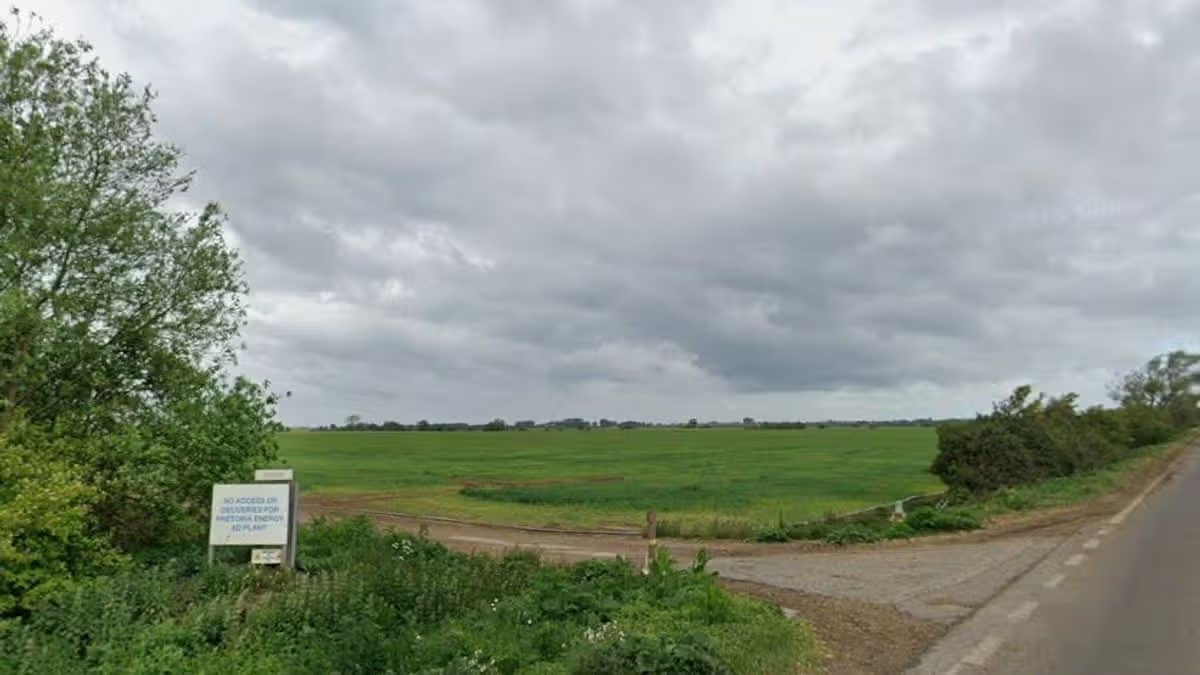
Locals fear “long queues of traffic” and potential bad smells coming from a new energy plant that is planned for land right next to an existing one. Pretoria Energy has submitted plans to build a large anaerobic digestion plant in Chatteris.

Advertisement

If approved, the plant could use around 220,000 tonnes of feedstock every year, including chicken and poultry litter, straw, and blended liquid food waste, to produce energy. People living in Chatteris fear the new plant could cause problems for the area.

Some people believe the smell could get worse being next to an existing plant. Neil Holmes, who doesn’t live in Chatteris but frequently uses the A142 that travels past the existing plant, said the current site already produces an “awful smell”.

He added: “As you drive by, some days are worse than others. I can’t imagine what it’s like to live anywhere close to it with that smell. And if the second plant produces the same amount, it would be unbearable to live anywhere within a 10-mile radius, especially if the wind is blowing it towards your property.”

Neil is also concerned about a potential increase in traffic. He added: ”At the moment there are a lot of tractors backwards and forwards along the A142 delivering to the site. If a second plant is built, I would assume that tractor traffic would at least double.”

Advertisement

Claire James is also concerned about the “effect of increased HGV traffic on the local roads”. She added: “[The roads] are already disintegrating due to huge farm vehicles, taking loads of chopped maize and other loads [to the plant].”

Gillian Baldry, who lives near the current plant, is more concerned about the smell. She said: “Since the expansion, there has been horrible smells coming across the fields and a significant amount of light and noise, as well as increased traffic along the main road. I would not want another plant to be built.”

Annabel Deaves described the current traffic along the A142 as a “nightmare”. She said: ”The traffic in and out of the current plant is a nightmare. It’s 20mph and [you’re unable] to overtake because of opposing traffic for the same reasons from Ely all the way to Mepal.”

Another woman, who wished to remain anonymous, fears the smell could put off people coming to Chatteris, or moving to the area. She said: “The smell is bad enough now, what is it going to be like when a second one could be built? It smells like gone off food most of the time, I don’t want more of that smell.

Advertisement

“It’s going to disgust people visiting here, let alone driving through Chatteris. Also the traffic is going to get worse. The roads are bad enough as it is with all the current tractors and lorries that use the roads. I don’t think the roads can cope with more vehicles on it.”

In a planning application, Pretoria said that its current plant produces 120 HGV movements per day, including 60 vehicles in and 60 out. Pretoria said there could be an overlap in HGV movements, but that would be for a “temporary period”.

In response to potential smells, the plans are accompanied by an odour assessment. Pretoria said this assessment will assess the “potential source of odour” and the cumulative impacts it could have.

Pretoria has been contacted for further comment.

Advertisement

Source link

Continue Reading

NewsBeat

Green Party deputy leader Mothin Ali linked to property lets in Leeds

Published

on

Mothin Ali looking to his right, wearing a beige suit jacket with a green and white scarf draped over his right shoulder

The deputy leader of the Green Party, Mothin Ali, is linked to two buy-to-let properties, despite his party’s opposition to private landlords.

Ali is the sole director of a company, which he set up and controls, that owns two rental properties in Leeds, bought in June 2022 and March 2025 – although he does not appear to profit from either of them.

The property purchases happened before the Greens adopted a policy committing to phasing out ownership of rental properties by private landlords in October 2025.

The Green Party told the BBC that, at the time Ali had set up the company, and since, he “has acted solely in the interests of vulnerable close family members for whom he has caring responsibilities”.

Advertisement

Ali’s connection to the rental properties via real estate company MA Holdings, which purchased them with buy-to-let mortgages, was first reported by the Times newspaper.

Records held by Companies House show that Ali is the sole director of MA Holdings, incorporated in December 2021, and he is listed in the records as the sole person with significant control, owning more than 75% of the shares.

The company’s business includes “buying and selling of own real estate”, “letting and operating of own or leased real estate” and “management of real estate on a fee or contract basis”.

The BBC has spoken to the previous owner and resident of the second property, who confirmed that Ali’s company had purchased the property and believed it was bought with the intention to be let out.

Advertisement

Asked why MA Holdings owns the rental properties, a Green Party spokesperson said: “We have provided deeply personal information to the BBC in confidence which shows that Councillor Ali has acted solely in the interests of vulnerable close family members for whom he has caring responsibilities.

“At Councillor Ali’s request, we are not going to make this information public to protect his family.”

The BBC is not publicising the personal information shared with it, at the request of the Greens, as it relates to private family matters.

In October last year, delegates to the Green Party’s annual conference, passed a motion titled “Abolish landlords”, external, headed “the private rental sector has failed, it is a vehicle for wealth extraction, funnelling money from renters to the landlord class”.

Advertisement

The motion states: “The effective abolition of private landlordism and the private rented sector, coupled with the mass expansion of council housing, is the only way to end the housing crisis.”

This is now official policy for the Green Party of England and Wales, with a plan to increase regulation and taxes on private rentals to make it difficult for landlords to make a profit, while boosting housebuilding by councils.

The policy would use existing Green policies such as imposing rent controls, ending buy-to-let mortgages and giving councils the right to buy a rental property when it is sold at a discounted price.

Asked whether Ali had sought to take any steps since the policy had been adopted to change anything with regard to the rental properties, a Green Party spokesperson told the BBC he fully supported the policy.

Advertisement

“The policy does not literally seek to abolish landlords, but rather to put in more regulations and taxes on private rentals through measures such as rent controls and expanded social housing,” they said. “All of which Mothin Ali supports.”

When the policy was introduced, Green Party MP Carla Denyer told the BBC “while the motion to conference had an eye-catching name, it does not actually ‘abolish’ landlords”.

“It does, however, address the housing crisis, empowers tenants and improves their wellbeing,” she added.

“It contains a range of policies which, over time, would reduce the proportion of the housing market that is privately rented, and increase the proportion of socially rented homes.”

Advertisement

Source link

Continue Reading

NewsBeat

Why the world can’t agree how to tackle drought

Published

on

Why the world can’t agree how to tackle drought

Delegates from 196 nations plus EU officials have met in Mongolia to discuss how best to tackle drought and desertification.

Often overlooked by the larger and busier climate summits, this small UN desertification summit, known as Cop17, felt more important than ever. Yet countries still could not agree on what needs to be done.

Negotiations that were often inconclusive and frustrating continued until 4am on some nights. The closing plenary was gavelled to a conclusion on August 29 at 2.36am.

The issue of drought split the negotiation room from the start. On behalf of the African Group and Togo, South Africa pushed a legally binding global drought protocol. The UK, Australia and Cook Islands rejected a binding instrument. India and Suriname wanted flexibility and country-driven design, not a one-size-fits-all approach.

Advertisement

After days of bilateral consultations with the summit presidency, some form of agreement was announced — a deferral, not a resolution. This debate will continue at the next UN desertification summit, due to take place in Egypt in 2027.

Cop17 was the UN’s 17th summit focusing on land and desertification.
Susan Ann Samuel, CC BY-NC-ND

Much of the UK has been struggling with severe droughts, empty reservoirs and hosepipe bans following its hottest summer since records began in 1884. Indeed, 71.3% of England is still in drought now.

Across the world, every continent – even Antarctica – is dealing with drought or flooding in some form due to climate change. In August, a devastating wall of mud, rock and water swept through the Nepal-Tibet border region following a glacial collapse. The death toll continues to rise after flash floods resulting from this rock-ice avalanche in the Himalayas.

Advertisement

During Cop17 in Mongolia, everyone agreed drought was a serious problem. But countries got stuck arguing about what kind of promise to make about it.

They disagreed on three things. First, how strict the promise should be: a firm rule everyone must follow, a gentler agreement, or just voluntary goals each country sets for itself. And second, how to describe the problem: is drought hitting the whole world equally, or something that hurts some places much more than others?

The final question — which is connected to the second — is whose job is it really to deal with this issue? Should there be one big global agreement binding everyone, or should each country be mainly responsible for handling drought within their own borders?

Advertisement
mongolian people sing and perform at pavilion space, blue background

Traditional Mongolian folklore at Cop17.
Susan Ann Samuel, CC BY-NC-ND

Solutions

The United Nations Convention to Combat Desertification (UNCCD) is often described as the global community’s legal instrument for land. It is the only legally binding international framework set up specifically to address desertification, land degradation and drought.

Its history can be traced back to the 1970s, when discussions around desertification heightened in the aftermath of severe drought in sub-Saharan Africa, which killed more than 200,000 people and millions of animals.

The UNCCD was formally established in 1994 following the introduction of three major conventions. These were set up during the UN’s Earth Summit in Brazil in 1992, and are known as the Rio conventions. Aside from land, the other two annual Cop summits focus on tackling biodiversity and climate.


À lire aussi :
The climate and biodiversity crises are entwined, but we risk pitting one against the other


But climate, biodiversity and land are one interlocking problem. Degraded land releases carbon and worsens climate change; a hotter climate dries out soil and drives drought and desertification; and biodiversity loss strips ecosystems of the very functions that hold water and hold soil together.

Advertisement

Yet the treaties that govern them often run on separate tracks, each with separate secretariats, national focal points, reporting systems and rules.

This is the fragmentation that negotiators in Mongolia kept bumping into. Tellingly, the word “synergies” (shorthand for making the three conventions talk to each other) was one of the agenda items the US blocked at the start of the summit.

To solve this, I believe a two-fold approach is necessary. First, strengthening the capacity for advocates from movements could increase the scope for transformative political action. Second, legal clarity is urgently needed across the Cops.

Drought is a climate obligation

Drought linked all three of the Rio conventions on climate, biodiversity and land. Yet at Cop17, negotiators fought over whether even to mention synergies.

Advertisement

The International Court of Justice (ICJ) had already given drought legal weight through the advisory opinion it published in July 2025. This treated the UNCCD as binding law, and therefore found the fight to combat drought and desertification to be legally intertwined with countries’ climate obligations.

The ICJ advisory framed drought as an issue that affects basic human rights, rather than simply being a misfortune. In other words, the court had already answered in law the question that people in the negotiating room in Mongolia could not resolve through politics.

While advisory opinions are not legally binding, they carry considerable legal authority and political weight – and often shape how international treaties are translated into domestic lawmaking, court decisions and implementation on the ground.

Yet that advisory opinion went unmentioned across the entire Cop17. I heard no mention of it during negotiations, at side events or in the pavilions. That silence was striking.

Advertisement

Source link

Continue Reading

Trending

Copyright © 2025