NewsBeat
Army out on streets and national holiday: How Pakistan is gearing up to host US-Iran peace talks

Islamabad entered a state of lockdown on Friday as Pakistan’s capital prepared to host high-stakes negotiations to end the US-Israeli war on Iran.
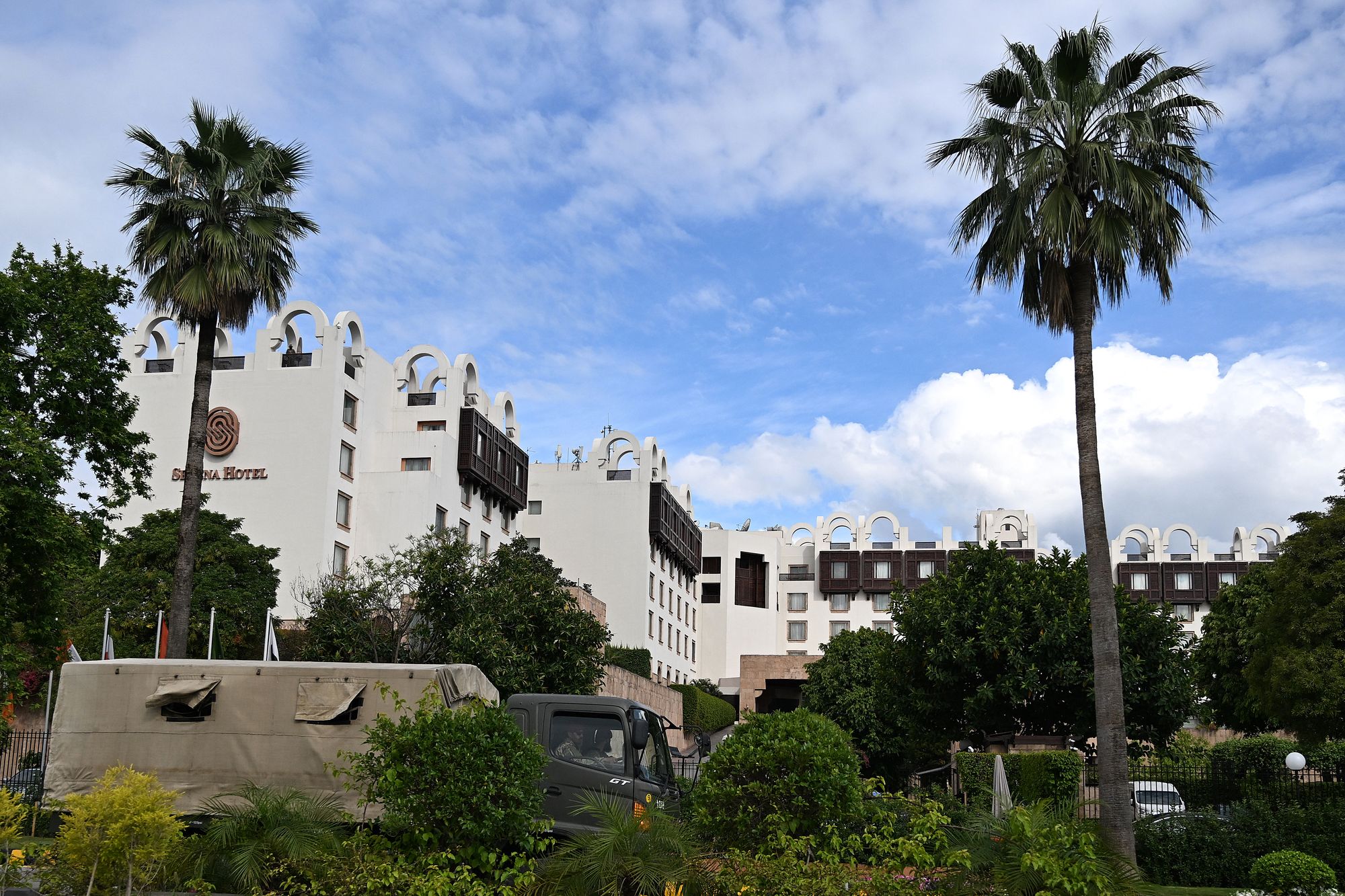
Army and paramilitary personnel guarded the roads around Serena Hotel, the venue of the talks, as police beefed up security across the city. On Wednesday, the luxury hotel’s management had asked its guests to check out by 5pm as the government had requisitioned the property for an “important event from this evening until Sunday”.
Pakistan’s political and military leaders achieved a major diplomatic breakthrough by mediating a ceasefire between the US and Iran early on Wednesday. The ceasefire was declared less than two hours before the deadline on US president Donald Trump’s threat to obliterate a “whole civilisation” if Iran did not open the Strait of Hormuz, a critical maritime route that usually carries a fifth of the global supply of oil and gas.
Although the truce was immediately threatened by Israel’s deadly strikes on Lebanon which killed hundreds of people, it paved the way for American and Iranian diplomats to gather in Pakistan and negotiate an end to nearly six weeks of intense fighting.

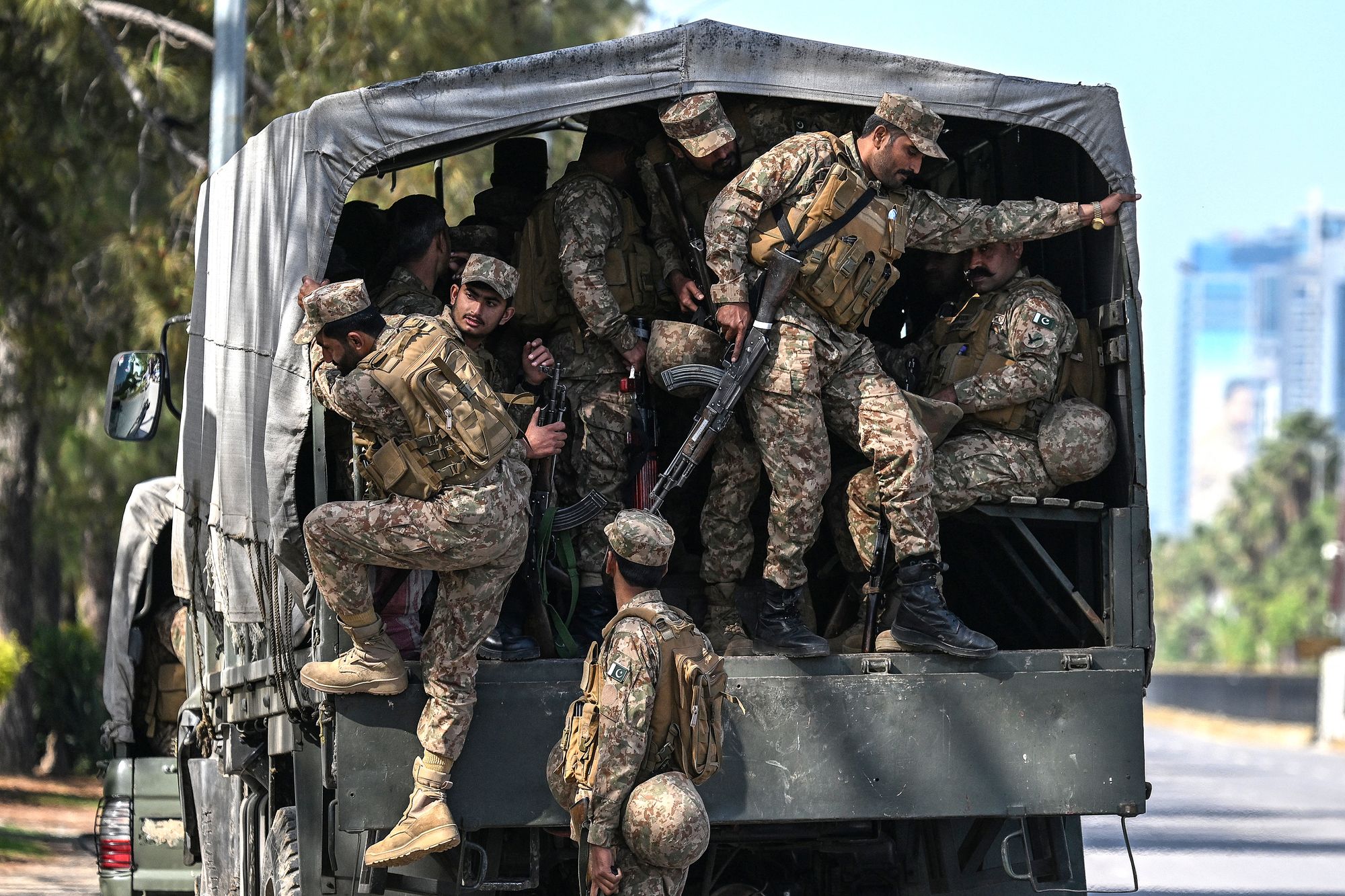
The diplomats will be under great pressure to pull off what some analysts are describing as “mission impossible” – a deal that brings peace to the Middle East and stabilises a world economy battered by the closure of the Strait of Hormuz.
In preparation for the meeting, the government declared public holidays on Thursday and Friday while police imposed strict traffic restrictions in Islamabad.
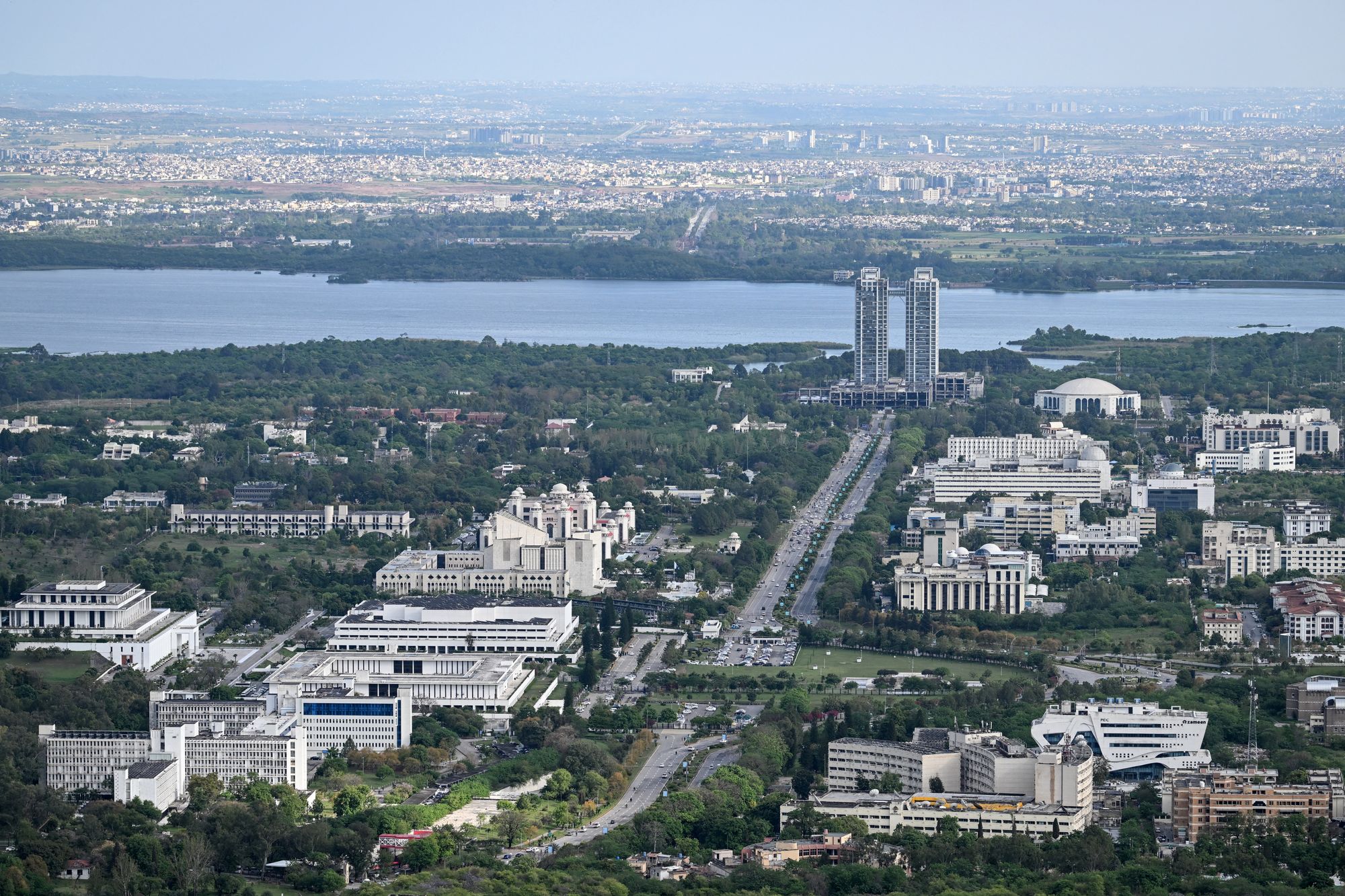
“The Red Zone and surrounding areas are closed to all types of traffic except official vehicles. Citizens are requested to avoid unnecessary travel,” the city police said in an advisory.
The Red Zone is a city landmark housing key government offices and foreign missions.
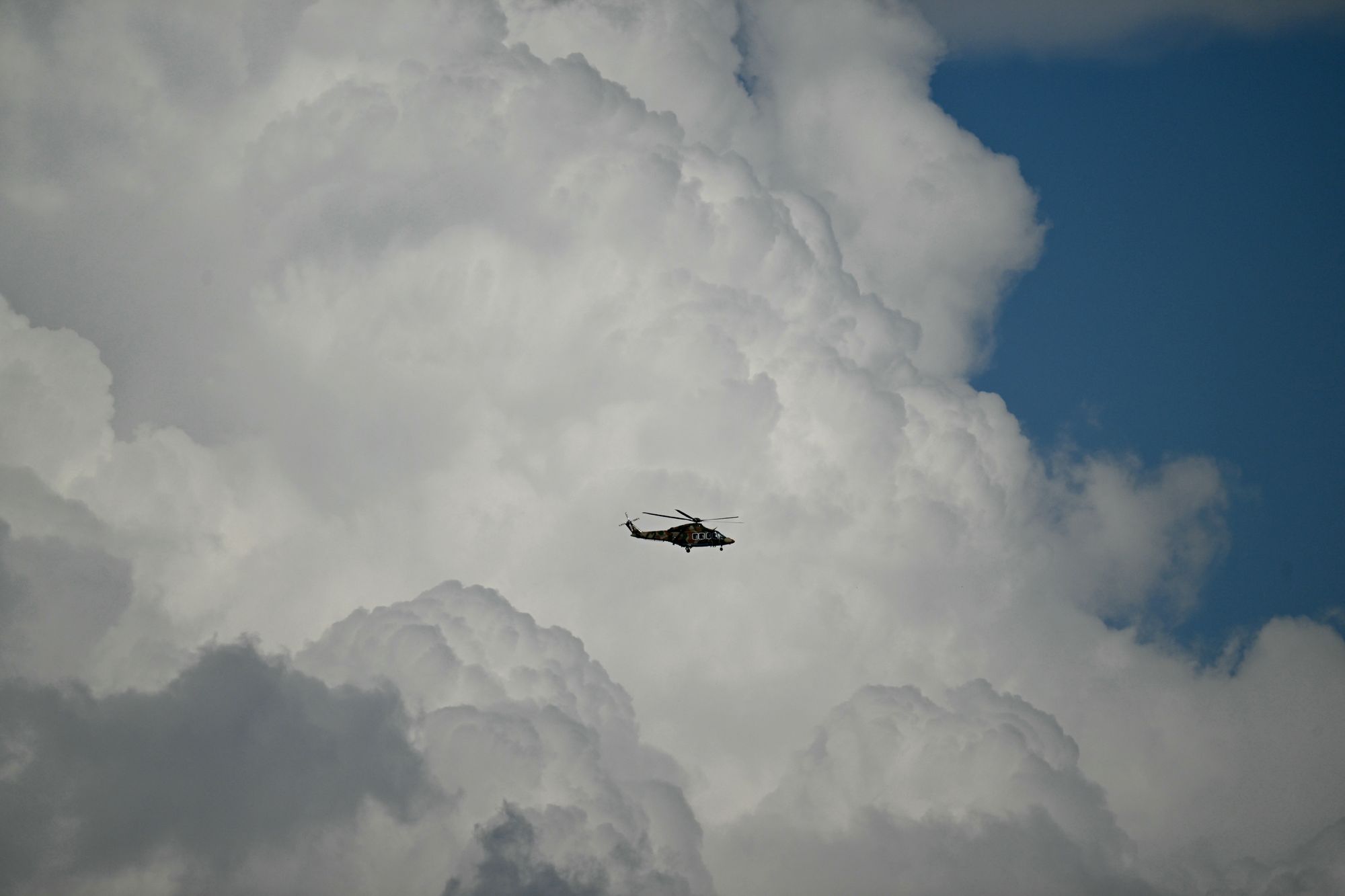
The heightened security measures are informed by the threat of terrorism, which remains real and present. There was a suicide bombing in Islamabad as recently as February and it was one of the triggers for the Pakistani airstrikes that fuelled weeks of fighting with neighbouring Afghanistan.
Islamabad accuses the neighbouring country of sheltering Islamist and ethnic insurgents responsible for carrying out terror attacks on its soil. Kabul denies the allegations.
“Given those risks, the lack of preparation time and the high-profile nature of these talks, this is a very challenging visit from a security perspective and speaks to the importance this administration places on the negotiations,” Elizabeth Threlkeld, director of the South Asia Program at the Stimson Center, said.
The US is expected to send a delegation headed by vice president JD Vance to conduct the talks in Islamabad, while Iran is set to be represented by foreign minister Abbas Araghchi and parliament speaker Mohammad Bagher Ghalibaf.
Gulf nations such as Qatar and Saudi Arabia, both of which are parties to the conflict, may also send delegations to Islamabad and hold talks on the sidelines.
Pakistani interior minister Mohsin Naqvi assured US chargé d’affaires Natalie Baker of elaborate arrangements for the visiting diplomats.
The newspaper Dawn reported that a 30-member US team was already in Islamabad to assess the security preparations.
Security analyst Zahid Hussain said the challenge for Pakistan was not just protecting the venue but to prevent diplomacy from being overtaken by forces outside the room.
Aside from this, analysts say, there isn’t much Pakistan can do. “What it lacks is meaningful leverage to compel concessions if the US and Iran are not willing to come to terms,” Ms Threlkeld said.
You must be logged in to post a comment Login