
Connect with us

NewsBeat

Big Tech is building its own ‘power grid’ to help fuel data centers desperately needed for AI

Published

on

Big Tech is building its own ‘power grid’ to help fuel data centers desperately needed for AI

Big tech companies are reportedly developing their own isolated, off-grid data centers where they can consume resources to provide the storage and compute needed for AI development and other digital services, according to a new report.

The GW Ranch project will see 8,000 acres of land in West Texas turned into an entirely off-grid data center facility that will consume more energy than the entire city of Chicago, according to The Washington Post.

The new project will generate all of its own electricity through natural gas and solar panels and—crucially for tech companies—won’t have to wait around for utilities to solve power availability issues.

The GW Ranch project is just one of several off-grid data center undertakings planned at sites in Wyoming, New Mexico, Pennsylvania, Utah, Ohio, and Tennessee, according to regulatory filings, permits, and other documents reviewed by the Post.

Advertisement

Several of the projects are already under construction. The builds are being pushed by big-name players in the world of tech: Meta, OpenAI, Oracle, and Chevron, to name a few.

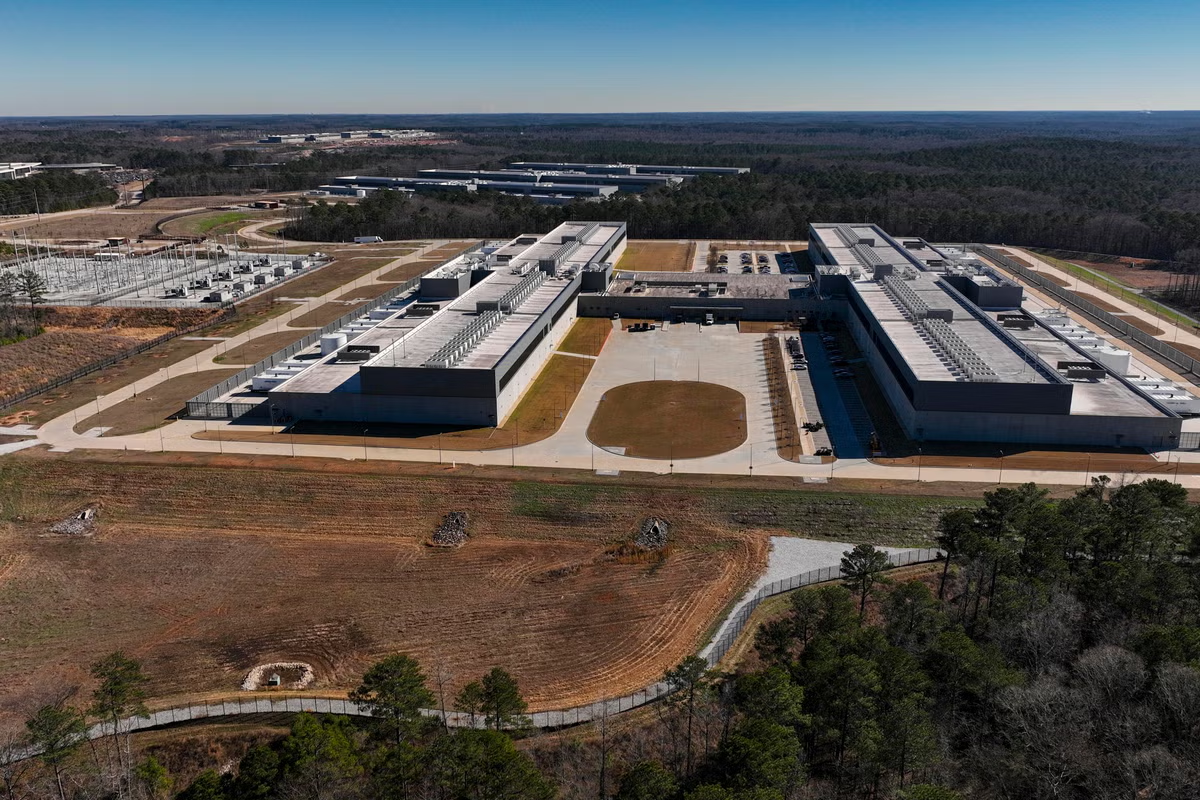
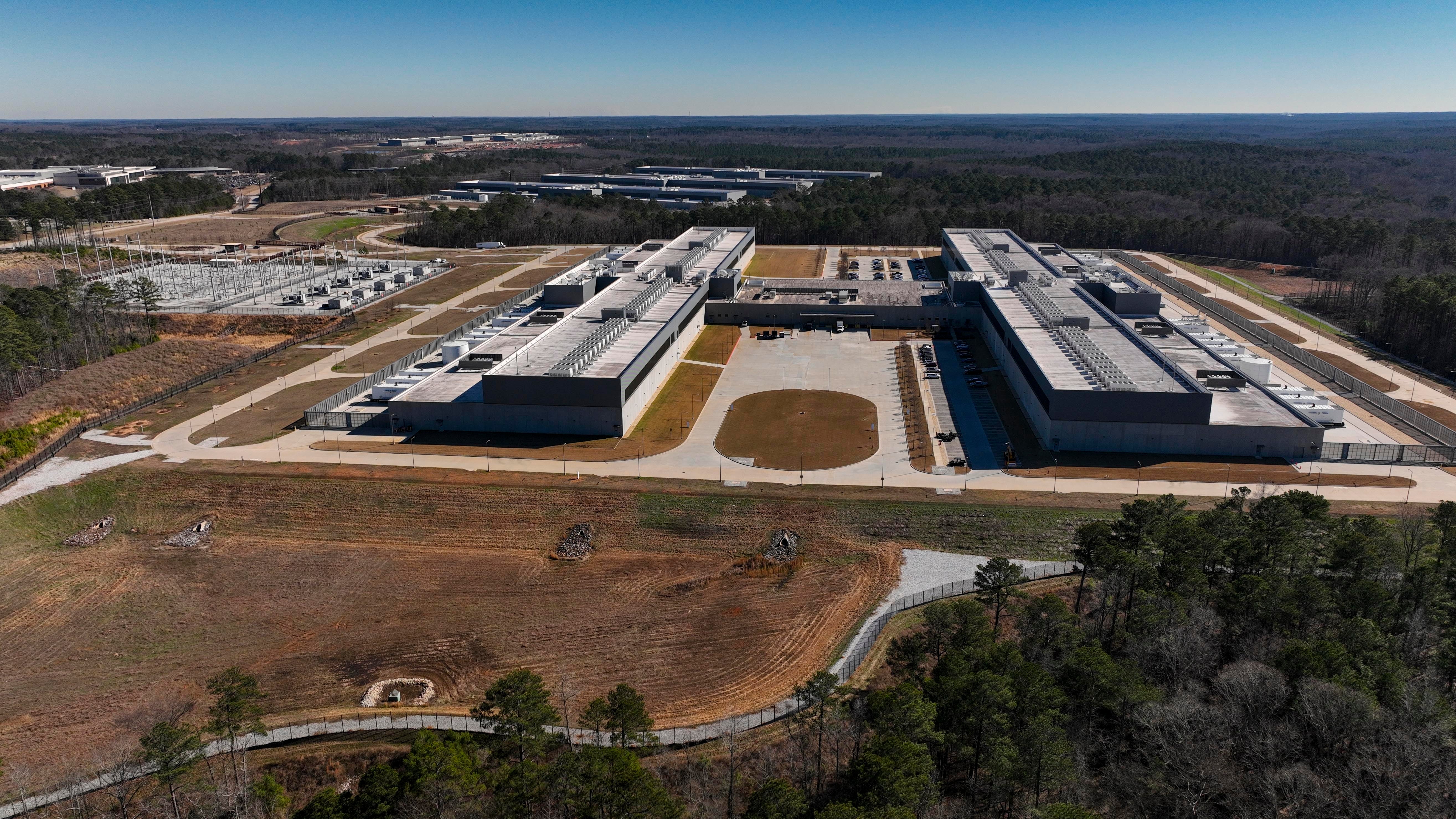
Meta's Stanton Springs Data Center in Georgia. Meta is building off-grid data centers in El Paso and New Albany, Ohio. It’s just one of several big tech companies building supposedly power self-sufficient data center facilities across the countryer

Meta’s Stanton Springs Data Center in Georgia. Meta is building off-grid data centers in El Paso and New Albany, Ohio. It’s just one of several big tech companies building supposedly power self-sufficient data center facilities across the countryer (Copyright 2026 The Associated Press. All rights reserved)

Some states have already passed legislation making it easier for data center projects to set up shop.

In West Virginia, a new off-grid data center is being planned near the city of Davis. The project will include a gas plant large enough to produce enough power to fuel every home in the state.

Advertisement

“They removed local control completely for this speculative gold rush,” Amy Margolies, a resident fighting against the development, told the paper. “Everything is shrouded in secrecy, and the public is removed from the process.”

Some 5,246 data centers are operating in the U.S., according to the most recent information from the Data Center Map project, collectively consuming at least 17 gigawatts of power. A large nuclear power generator produces 1 gigawatt of energy, which can power between 300,000 and 750,000 homes.

In the race for AI dominance, countries are rolling out data centers at breakneck speed to cope with the immense amounts of compute needed.

Though the off-grid centers will incorporate solar power, most will rely on natural gas because more sustainable fuels provide less consistent output. Without an electric grid to act as a backup, natural gas will be the primary power source for the facilities. That will no doubt mean an increase in emissions at a time when human-driven climate change is already causing more frequent severe weather across the country.

Advertisement
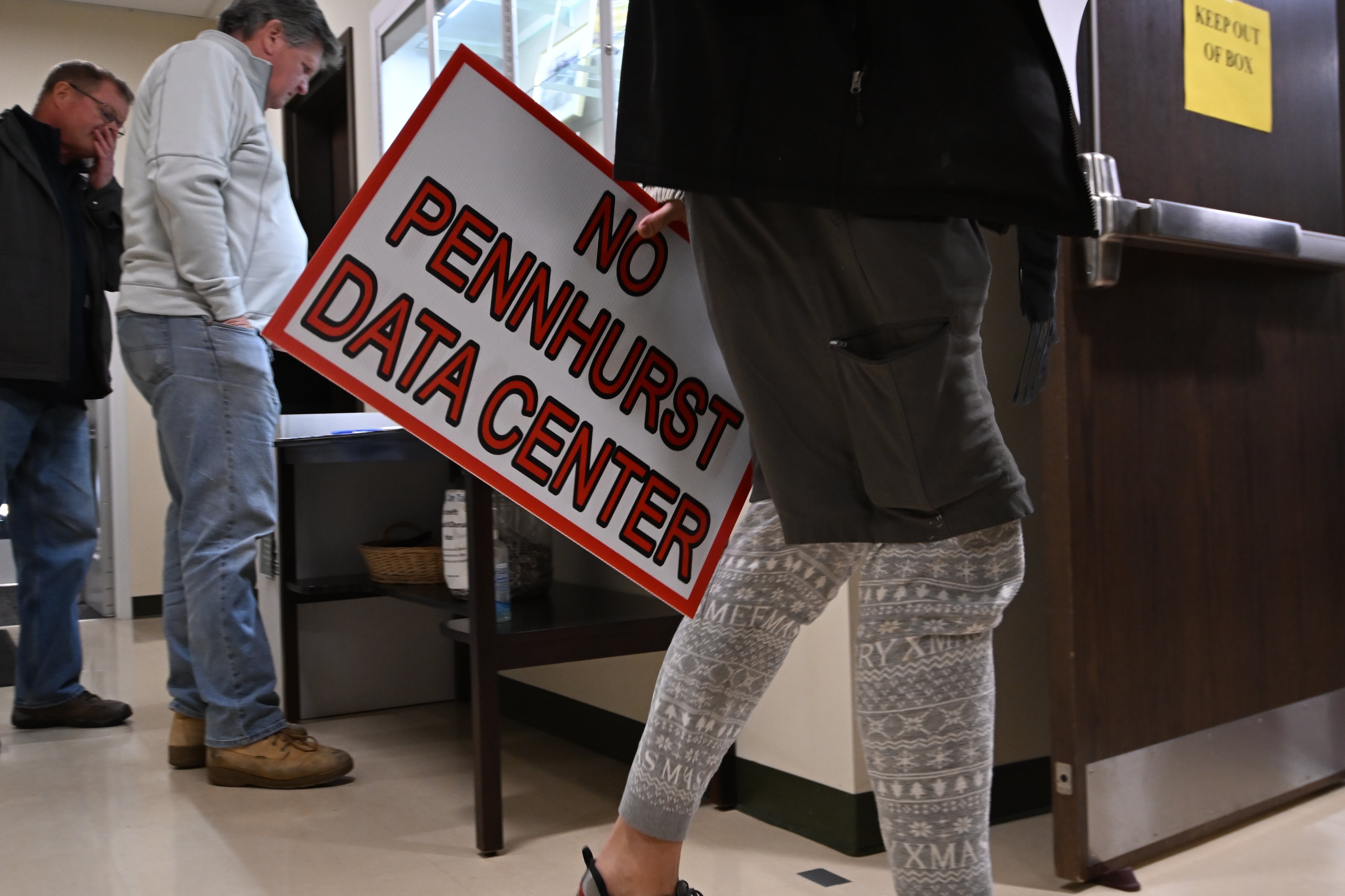
A resident carries a data center protest sign into an East Vincent Township, Pennsylvania supervisors meeting on December 17, 2025, where an agenda item involved a data center proposal at the former Pennhurst state hospital grounds is being discussed.

A resident carries a data center protest sign into an East Vincent Township, Pennsylvania supervisors meeting on December 17, 2025, where an agenda item involved a data center proposal at the former Pennhurst state hospital grounds is being discussed. (Copyright 2025 The Associated Press. All rights reserved.)

“It is catastrophic for climate goals,” Michael Thomas, founder of Cleanview, an energy industry research group, told the Post. Cleanview has identified 47 off-grid data center projects across the country.

Even though the data centers will be off-grid, that doesn’t mean that typical ratepayers are isolated from the consequences of these developments.

Jigar Shah, an energy entrepreneur who helped manage federal energy investments under the Joe Biden administration, told the Post that tech companies, with their virtually limitless resources, will now be competing for maintenance and equipment against public utilities.

Advertisement

If it takes longer—or becomes prohibitively expensive—for utility companies or public utility agencies to access equipment, they will have to pour more money into trying to maintain older infrastructure. The cost of those rising maintenance expenses will almost certainly be passed on to ratepayers. In other words, their bills will go up.

“This whole thing feels like a fairy tale concocted on the back of a napkin,” Shah said.

Tech companies trying to build data centers on regional power grids have, in some cases, been throttled by how much energy grid operators can provide to their projects while still serving regular ratepayers.

That’s one of the reasons Elon Musk opted last year to build an entirely off-grid data center in Memphis. Bypassing the local grid allowed him to get the data center—used by his xAI company—running in a matter of months rather than years. His project is powered by dozens of portable gas generators: efficient, but not without environmental costs.

Advertisement

The Environmental Protection Agency ruled last month that Musk’s setup illegally breached emissions rules and told xAI to obtain permits for its generators.


Elon Musk’s xAI Data Center in Memphis, Tennessee, is fully reliant on dozens of gas power generators

Elon Musk’s xAI Data Center in Memphis, Tennessee, is fully reliant on dozens of gas power generators (Copyright 2025 The Associated Press. All rights reserved)

When data centers do try to set up shop in populated areas, they’ve faced opposition from locals who do not want the noise and emissions pollution in their neighborhoods or who balk at the massive water and energy use—and the inflated energy bills that come along with the projects.

A large data center can consume up to 5 million gallons of water per day—the equivalent of a town of 10,000–50,000 people—according to the Environment and Energy Institute.

Advertisement

A group of concerned citizens in Tucson, Arizona, managed to defeat a proposal for a large data center in the city called “Project Blue,” citing water usage in the already parched desert and the potential for increased energy bills.

Data center operators no doubt hope to mitigate some of the public’s concerns by building off-grid.

“As designed, it is intended to operate independently and does not rely on ratepayer-funded infrastructure or impact existing residential customers,” Fundamental Data, the company building the Davis, West Virginia, data center, told the Post.

Though many of the tech companies backing the off-grid data centers have kept their names off the projects until they’ve gone through the permitting and clearance process, Meta has been upfront about its upcoming builds.

Advertisement

The parent company of Facebook has one project underway called Socrates in New Albany, Ohio, that will use a pair of off-grid gas power plants to provide its energy needs. That site is scheduled to go live later this year.

Meta is also building data centers in El Paso, where it’s working with a local utility provider to build a gas-generating facility through the linking of 813 smaller generators. Local and city officials protested the project, claiming Meta only received approval to build by stating the site would use clean energy.

El Paso Electric, Meta’s local energy partner, wrote in regulatory filings that to power the site using solar panels and battery storage, it “would require thousands of acres adjacent to the Data Center site which are not available,” according to a Texas Tribune report.

Meta said in a statement to the Post that it plans to fulfill its clean energy obligation by buying clean energy and adding it to the grid.

Advertisement

“As with all of our data centers, including dozens of renewable projects throughout Texas, we work to add energy to the grid and match our data center’s electricity use with 100% clean and renewable energy,” the statement said.

Shah is skeptical about the projects, noting that even with tech companies’ deep pockets, they can’t ensure uninterrupted reliability without the security of a major grid.

“I get that cost is no object for these companies and they just want to get online,” Shah told the Post. “But they have not figured out even with unlimited funds how to make these plants run with 24/7 reliability.”

Source link

Advertisement
Continue Reading
Click to comment

Leave a Reply

Your email address will not be published. Required fields are marked *

NewsBeat

ResPark- City of York Council parking permit costs in 2026/7

Published

on

ResPark- City of York Council parking permit costs in 2026/7

The changes, which are set to take effect this April, will see the price of discounted first ResPark permits stay at £92-a-year.

Costs for the first premium permit for larger or higher emission vehicles are set to rise by £17, to £190-a-year.

It comes as part of City of York Council’s budget for the 2026/7 financial year which councillors approved on Thursday, February 12.


RECOMMENDED READING:

Advertisement

Yearly charges for households’ second permits are set to go up by £13 to £277 for standard ones, £10.40 to £221.60 for discounted ones and £37 to £411 for premium ones.

The price of households’ third permits will be £577.50-a-year for standard passes, £27.50 more, £462-a-year for discount ones, £22 more and £823 for premium ones, £75 more.

Visitor permit charges are set to stay at £1.45, or 35p for concessionary rates.

Minster Badges, which give York residents daytime discounts on parking charges of 30 per cent and 50 per cent in the evening, is set to stay at £45.

Advertisement

Special Control Parking Permits for people living in the Micklegate, North Street or Agar Street ResPark areas are set to cost £7 more, £149, for standard passes.

Discount ones are set to go up by £5.60, to £119.20, with premium ones rising by £19 to £208.

Prices for Special Additional Permits for people in receipt of Personal Independence or Attendance Allowances are set to increase in line with special control charges.

Business Permits are set to cost £27 more, £563, or £21.60 more, £450.40, for discounted rates.

Advertisement

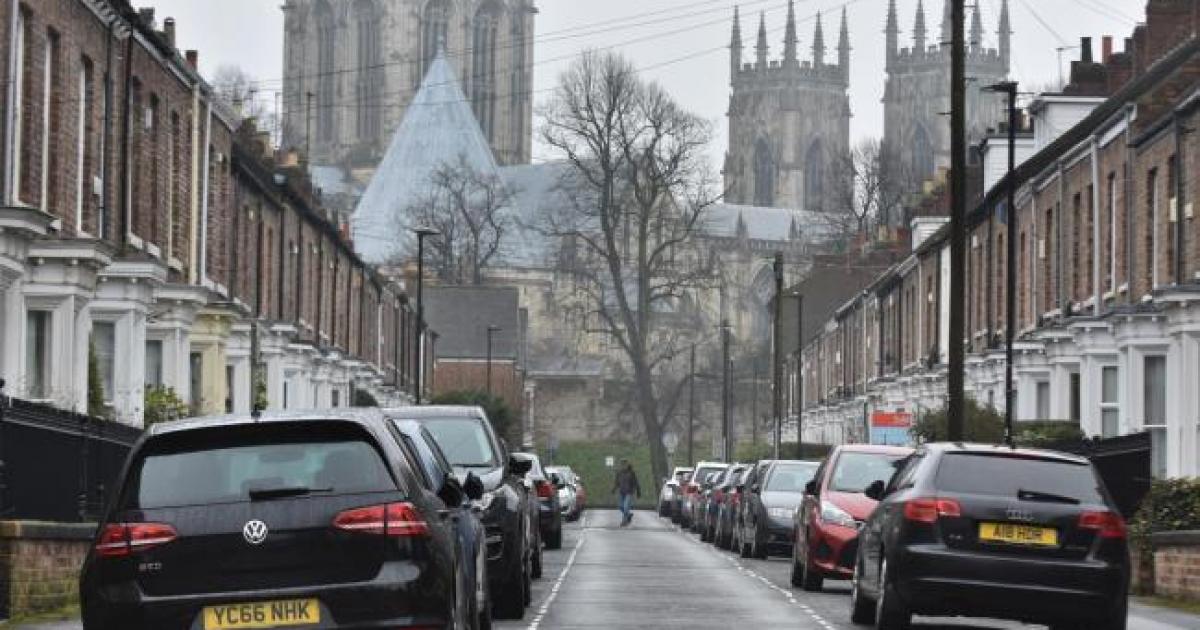
Some charges for residential parking (ResPark) permits are set to change

The same increases and prices will apply to Guest House Authorisation Cards.

Permits for homes of multiple occupancy (HMOs) residents are set to increase by £11 to £223, or by £8.80 to £179.20 for discount passes.

Separate HMO permits are set to be abolished and households put into the standard ResPark system following a council decision in December.

Landlord permit charges are set to rise by the same amount and to equivalent rates to the current HMO ones.

Advertisement

The landlord scheme includes premium rates which are set to increase by £25 to £277.

Community Permit charges for carers are set to be £4 more for standard ones, £75, £3.20 more for discounted ones, £60, and £9 more for premium ones, £96.

Day use Community Permits are set to remain at £1.45, or 35p for charities.

The charge for an Authorisation Card, which allows people without a car to buy visitor permits, is set to cost 20p more and will be priced at £4.40.

Advertisement

An £8 increase for Property Renovation Permits for people working in unoccupied homes is set to see prices rise to £176, with discount ones rising by £6.40 to £140.80.

Commercial Permits allowing people visiting homes or businesses to park in ResPark zones are set to cost £838, £40 more.

Discount rates for those permits are set to rise by £32 to £670.40.

Charges for Commercial Permits for specific zones are set to go up by £10 to £210 for standard rates and by £8 to £168 for discount ones.

Advertisement

Commercial Permits for schools are set to cost £132, £6 more, and £4.80 more, £105.60, for discount ones.

Parking fines are set to remain at £50 for lower penalty charge notices (PCNs) and £70 for higher ones for more serious offences.

It will continue to cost £25 to pay off a lower PCN early, or £35 for a higher one.

Enforced PCNs where charge certificates are issued will still cost £75 for lower ones and £105 for higher ones.

Advertisement

Standard charges for vehicle removals are set to rise by £7, to £138, by £1 for storage, to £17-a-day and by £2 for disposals, to £34.

The administration fee is set go up to £3 to £61.

Source link

Advertisement
Continue Reading

NewsBeat

Weirdly named County Durham village becomes US quiz question

Published

on

Weirdly named County Durham village becomes US quiz question

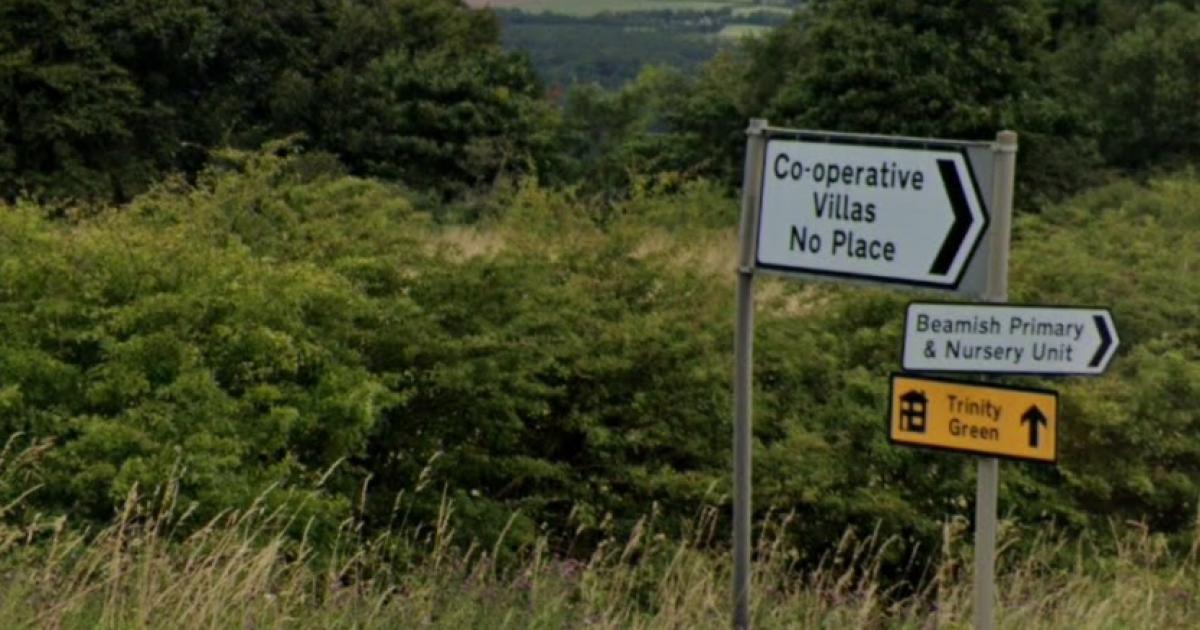
According to The Northern Echo’s Chris Lloyd “No Place is one of the greatest place names ever coined,” and the village, between Stanley and Beamish is ‘great’ because “no one has ever satisfactorily explained how it came to be No Place.”

It has such a bemusing name that it even featured as a quiz question in an American-made video game.

Jackbox Games, a studio based in Chicago, Illinois, included the village in a question in its 2014 game ‘Fibbage’ and the answer tricked some United States players.

Advertisement

“Located near the town of Stanley, there’s a small village in England called No _________.”

The answer is of course ‘Place’.

Despite the fact that nobody quite knows how or why it got its name, scholars have nevertheless attempted to come up with some explanations.

David Simpson, a toponymist from Durham, offers several possible explanations.

Advertisement

He believes the settlement, built in the mid-19th century, may have been dubbed “No Place” because it sat on the border between the parishes of Chester-le-Street and Stanley.

Neither parish wanted to claim responsibility for the village, meaning it was, quite literally, no place.

Other theories suggest the name could be a corruption of “Near Place” or “Nigh Place”, referencing its proximity to two pits at Beamish Colliery.

Another possibility is that it once stood for “North Place,” though this is less likely as it is not located north of any significant landmarks.

Advertisement

Despite the uncertainty, the village’s unusual name continues to spark curiosity and conversation worldwide.

Source link

Advertisement
Continue Reading

NewsBeat

Trial set to begin for climber who ‘left his girlfriend to die’ on Austria’s highest mountain

Published

on

Trial set to begin for climber who ‘left his girlfriend to die’ on Austria’s highest mountain

The trial of an Alpine climber charged with manslaughter after he left his girlfriend on Austria’s highest mountain before she froze to death, is due to begin on Thursday.

Thomas P and Kerstin G were just 50m away from the 3,798m (12,460ft) summit of Grossglockner when she started suffering from exhaustion and disorientation, according to the Innsbruck public prosecutor’s office.

Mr Thomas decided to leave her at 2am on Sunday, 19 January last year and descend to the nearest mountain hut to seek help, only returning six and a half hours later in the morning to find her dead, according to the public prosecutor.

Kerstin, 33, froze to death alone on the mountain after she was left in -8C temperatures, with winds of up to 45mph contributing to temperatures that “feel” as low as -20C.

Advertisement

Prosecutors undertook an 11-month investigation into the incident and examined the couple’s mobile phones, sports watches, and photographs of their climb, as well as commissioning an independent report from an Alpine mountaineering expert.

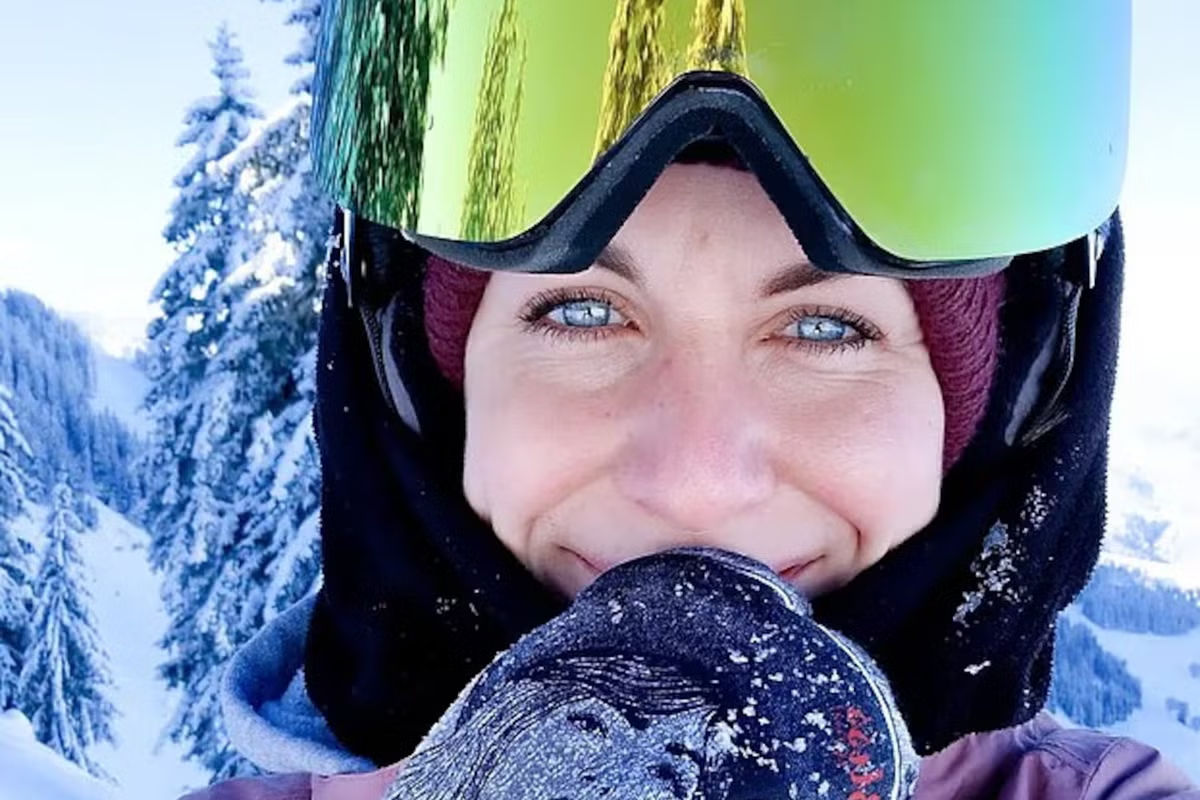
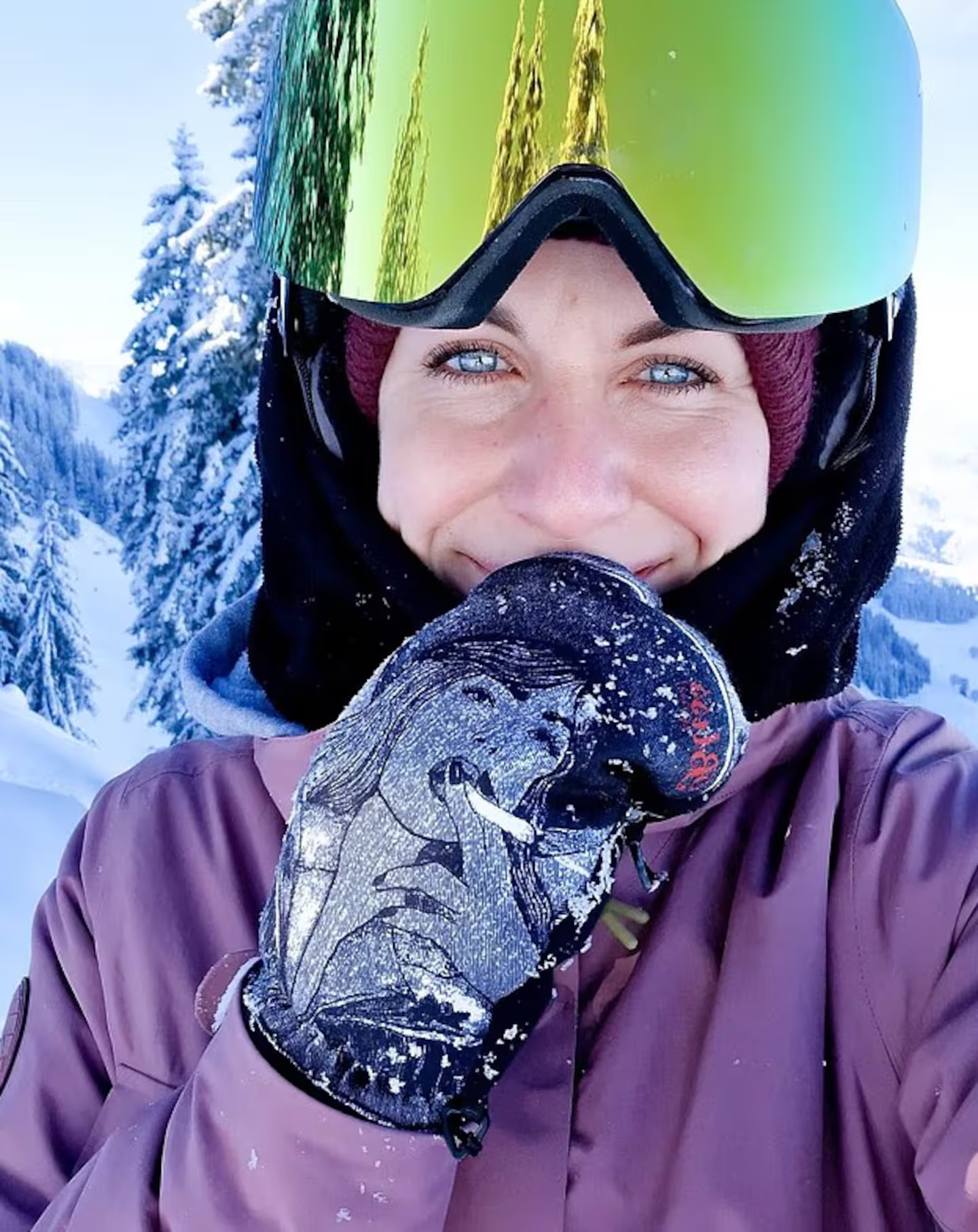
Kerstin G died in January 2025 while attempting to climb Grossglockner with her boyfriend

Kerstin G died in January 2025 while attempting to climb Grossglockner with her boyfriend (Instagram)

They have now charged Mr Thomas with negligent manslaughter, arguing that he made nine key mistakes that led to Kerstin’s death, from not planning the expedition properly to failing to make contact with search teams and police.

The trial, which opens in Innsbruck, Austria, will focus on whether Mr Thomas’ actions amounted to gross negligent manslaughter.

Advertisement

Prosecutors argue that, as the more experienced climber and the person who organised the ascent of the Grossglockner, he was the “responsible guide for the tour”.

Mr Thomas has denied any wrongdoing. His lawyer has previously rejected part of the Innsbruck prosecutors’ timeline of events, claiming he left Gurtner on the mountain “by mutual agreement”.

Prosecutors say the couple set off two hours too late on the morning of 18 January to realistically summit Grossglockner and return safely.

They effectively became stranded by stormy weather at approximately 8.50pm, but prosecutors allege that Mr Thomas made no attempts to call for help and did not issue any distress signals to a police helicopter that flew over their position at 10.50pm.

Advertisement

Police tried to call Mr Thomas multiple times before he called an officer back at 12.35am. The prosecutor’s office said the contents of the call remained “unclear” but that Mr Thomas then put his phone on silent and no further contact was made.

“At approximately 2am, the defendant left his girlfriend unprotected, exhausted, hypothermic, and disoriented about 50m [metres] below the summit cross of the Grossglockner. The woman froze to death,” the statement said.

“Since the defendant, unlike his girlfriend, was already very experienced with alpine high-altitude tours and had planned the tour, he was to be considered the responsible guide of the tour,” it added.

The defence, led by lawyer Karl Jelinek, described Kerstin’s death as a “tragic accident” and disputed parts of the prosecution timeline.

Advertisement

He argued the couple planned the expedition together, believed they were sufficiently experienced and properly equipped, and only encountered sudden difficulties close to the summit.

At 12.35am on 19 January, Mr Thomas contacted mountain police, though the exact details of the conversation remain unclear. His lawyer says he requested assistance and denies that he told officers everything was fine. Prosecutors allege he then put his phone on silent and did not answer further calls.

Mr Jelinek denies that his client ignored police calls or failed to seek help promptly.

The Grossglockner is considered one of the most challenging climbs in the Austrian Alps, requiring full climbing and glacier gear.

Advertisement
The couple were metres away from the summit when Kerstin Gurtner fell sick

The couple were metres away from the summit when Kerstin Gurtner fell sick (AFP/Getty)

Yet police said Mr Thomas allowed his girlfriend to use a splitboard – a snowboard that can be divided into two parts to be used like skis for climbing – and soft snowboard boots, equipment that prosecutors said was unsuitable for their high-alpine winter route.

He also allegedly failed to move his girlfriend to a position where she would be sheltered from the wind or to give her their bivouac sleeping bag or aluminium foil blankets to keep her warm before he left.

Prosecutors said the woman was inexperienced and had never undertaken an alpine tour of this length, difficulty, and altitude.

Advertisement

In a series of posts on his now-deleted Instagram, Mr Thomas said Kerstin’s death was “hurting so much”.

“I miss you so much. It hurts so incredibly much. Forever in my heart. Without you, time is meaningless”, he wrote on social media, and co-signed the obituary her parents wrote, according to Bild.

Tributes on Kerstin’s page since her death have described her as a “beloved daughter, sister, sister-in-law, godmother, granddaughter, partner and friend”.

“Thank you, dear Kerstin, for being you, for being you, and for your soul always will be. Thank you for the mark you left not only on me, but on so many others. Through you, you live on here as well,” a friend of Kerstin wrote.

Advertisement

If Mr Thomas is found guilty, he could face up to three years in prison.

Source link

Continue Reading

NewsBeat

gripping thriller reminds us why academic freedom needs protecting

Published

on

gripping thriller reminds us why academic freedom needs protecting

Kleber Mendonça Filho’s The Secret Agent (O Agente Secreto, 2025) marks a moment of consolidation in one of contemporary Brazilian cinema’s most consistent careers.

Since his early short films such as Cold Tropics (Recife Frio, 2009), the filmmaker has developed a unique style packed with movie references that tantalisingly falls somewhere between arthouse and genre film. These traits reach new heights of self-awareness and formal freedom in The Secret Agent, which has been nominated for four Academy Awards, including best picture, and best actor for Wagner Moura.

The film belongs to a recent wave of Brazilian productions revisiting the military dictatorship (1964-1985), including Walter Salles’s Oscar-winning I’m Still Here (Ainda Estou Aqui, 2024), and actor/director Wagner Moura’s Marighella (2019). Yet these films do more than reconstruct historical episodes: they process, through cinema, an unresolved trauma whose reverberations continue to shape Brazil’s political present.

The film’s Brazilian director Kleber Mendonça Filho.
Marco Barada / Alamy

One of the features that makes The Secret Agent, set predominantly in 1977, particularly compelling in this regard is its treatment of universities, as battlegrounds where memory, power and democracy collide.

Advertisement

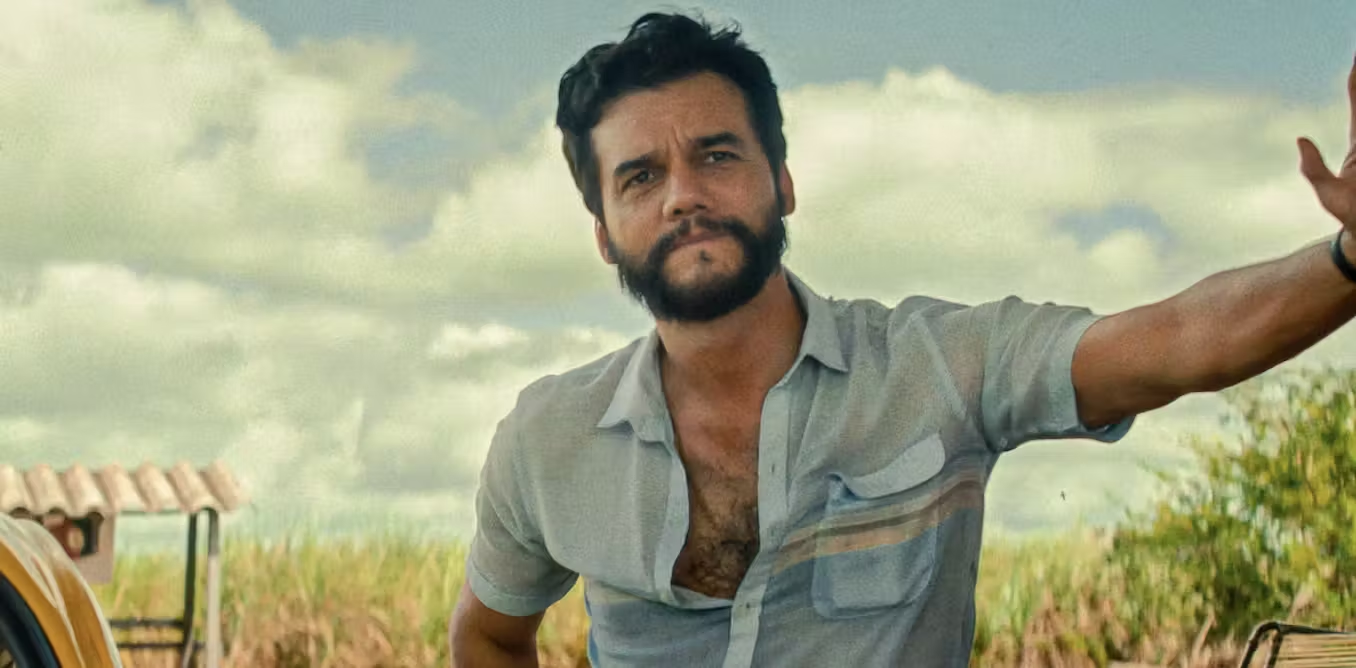
The film’s main character Armando, played by Oscar-nominated Moura, is not, in fact, a secret agent and has no obvious links to opposition movements. He is an academic forced into hiding after clashing with big business interests aligned with the authoritarian regime who want to get their hands on his research.

Brazilian philosopher Marilena Chauí has spoken of her personal experience of these dark days in Brazil portrayed in Mendonça Filho’s film. Chauí returned from France in 1969 with her PhD in hand, just after the Brazilian military suspended most civil rights in the country, leading to a state hunt for “communists” and the intensification of torture and censorship.

Chauí describes the presence on campus of mysterious military figures with the power to hire and fire and “disappear” staff and students who were hostile to the regime. The presence of secret agents disguised as students to monitor professors and students in classrooms in public universities was commonplace.

Advertisement

In The Secret Agent, Armando has recently returned from the University of Leeds in Britain. He and the international research team he has set up at the Federal University of Pernambuco in Brazil’s north-east fall under the scrutiny of Henrique Ghirotti, an industrialist from Sao Paulo.

Armando openly questions Ghirotti’s ethics and points to a conflict of interest: how can a wealthy industrialist justify taking government funding destined for universities for his own private interests? Armando’s bitter reaction to such an open show of corruption is enough for him to become a marked man. Much of the film portrays Armando’s attempt to hide from Ghirotti and the corrupt law enforcement and paid assassins he has at his disposal.

This dramatic situation illuminates not only the surveillance and repression universities endured under the dictatorship, but also broader patterns of corruption. The spider’s web connecting military interests with big business that drained Brazil’s economic momentum throughout the 1970s, is a history that is only now fully coming to light.

The film’s focus on academic freedom carries contemporary resonance. Mendonça Filho wrote The Secret Agent during the presidency of far-right Jair Bolsonaro (2019-2022), whose long list of hostile measures included attacks on public education. Between 2019 and 2022, federal universities lost 14.4% of their budget, and by 2022 funding had fallen below 2013 levels.

Advertisement

Universities reported severe difficulties maintaining basic operations and scholarship programmes, with accumulated cuts exceeding R$100 billion (£14 billion) over four years. Bolsonaro and his followers encouraged the reporting (and “outing” on social media) of teaching staff deemed to be “ideological”. Following Lula’s victory in the 2022 elections, modest relief arrived and, with the renewal of funding lines, the reconstruction of this ravaged terrain is slowly getting underway.

Walter Salles’ I’m Still Here explores similar territory about Brazil’s military dictatorship.

Archives of repression

The Secret Agent also speaks to renewed global debates around the privatisation of research, intellectual property, and the political vulnerability of universities, increasingly viewed as hotbeds of leftist sedition. Mendonça Filho’s film suggests that authoritarianism attacks society not only through violence but through the destruction, privatisation, or silencing of knowledge production itself.

The industrialist Ghirotti takes delight in informing Armando that he’ll be recommending that his research team is shut down and the work transferred to the University of São Paulo, with whom Ghirotti has dubious links. Ghirotti questions the usefulness of any research being carried out in the north-east that speaks to national interests, particularly when Canadians are working on the same tech and Brazil can pay for foreign science and technology.

Advertisement

Mendonça Filho, who is from Recife, the capital of Pernambuco, has been very vocal about the ingrained prejudice of many from the wealthier and whiter southern states in relation to the north, which is dismissed as backward. It is telling that in The Secret Agent Armando’s international research team first took shape in Leeds, given similar prejudices are often held about the north of England.

In a subplot set in the present day, a group of students work on an oral history project involving tape recordings made by dissidents during the dictatorship, including Armando. One of them, Flávia, travels to Pernambuco to visit Armando’s now middle-aged son.

A young black mother with family in the north-east, living in the periphery of São Paulo, Flávia, typifies the new, more diverse university student body, made possible by hard-won affirmative action initiatives and the expansion of the public university network.

In The Secret Agent, it is Flávia and students like her who have inherited not only the archives of repression, but also the possibility of transforming knowledge into a form of democratic repair.

Advertisement

Anchored by Wagner Moura’s compelling performance, Mendonça Filho’s film connects the struggles of the past to the curiosity and courage of a new generation. In so doing, The Secret Agent powerfully underscores cinema’s ability not only to entertain, but also to illuminate, question and inspire.

Source link

Advertisement
Continue Reading

NewsBeat

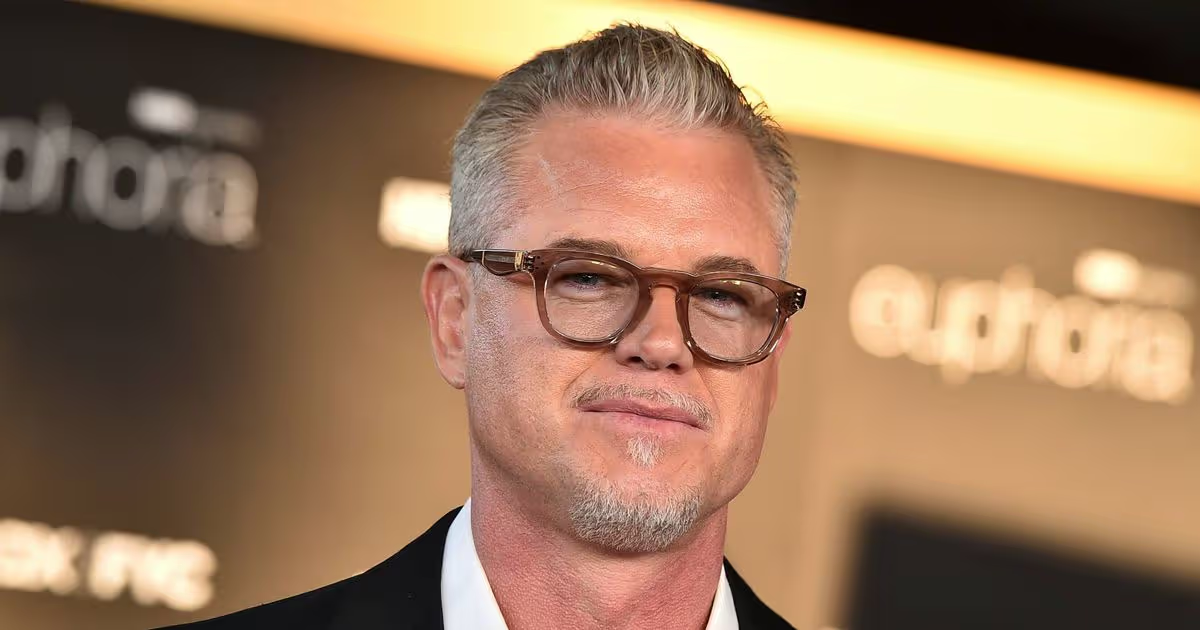
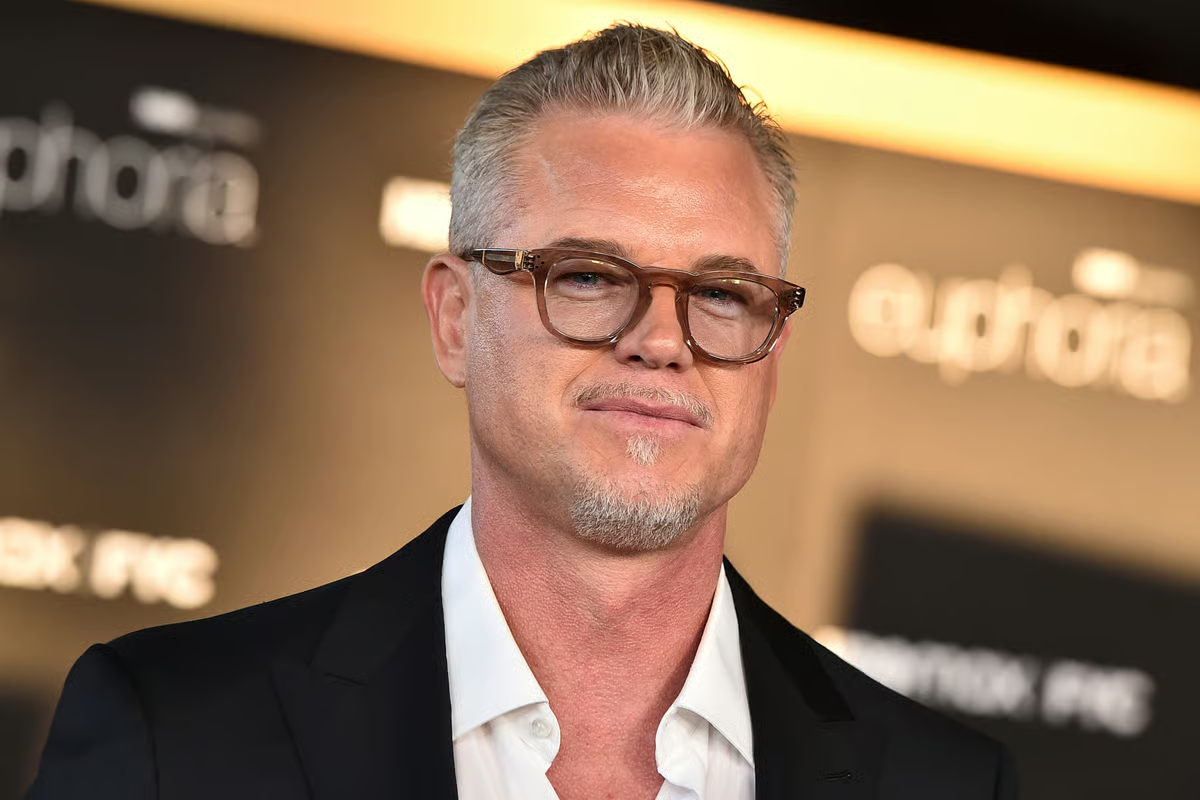
Grey’s Anatomy actor Eric Dane dies aged 53 after ALS battle

Published

on

Grey’s Anatomy actor Eric Dane dies aged 53 after ALS battle

“Throughout his journey with ALS, Eric became a passionate advocate for awareness and research, determined to make a difference for others facing the same fight. He will be deeply missed, and lovingly remembered always. Eric adored his fans and is forever grateful for the outpouring of love and support he’s received.”

Source link

Continue Reading

NewsBeat

Trump directs release of government files ‘related to alien and extraterrestrial life’

Published

on

Trump directs release of government files ‘related to alien and extraterrestrial life’

President Donald Trump is directing the release of government files “related to alien and extraterrestrial life” and other related topics.

Trump announced Thursday night he’s directing top officials, including Defense Secretary Pete Hegseth, to begin identifying and releasing ”Government files related to alien and extraterrestrial life, unidentified aerial phenomena (UAP), and unidentified flying objects (UFOs), and any and all other information connected to these highly complex, but extremely interesting and important, matters.”

The Independent has contacted the White House for more information.

Just hours before his announcement, Trump accused former President Barack Obama of making a “big mistake” and sharing “classified information” after he suggested aliens are real on Brian Tyler Cohen’s podcast at the weekend.

Advertisement
Trump announced Thursday he’s directing officials to release files about ‘alien and extraterrestrial life’ and other related matters
Trump announced Thursday he’s directing officials to release files about ‘alien and extraterrestrial life’ and other related matters (Getty Images)

“They’re real, but I haven’t seen them, and they’re not being kept in … Area 51. There’s no underground facility unless there’s this enormous conspiracy and they hid it from the president of the United States,” Obama told the podcaster.

Obama later clarified his answer on Instagram: “I was trying to stick with the spirit of the speed round, but since it’s gotten attention let me clarify. Statistically, the universe is so vast that the odds are good there’s life out there.”

The Independent has contacted Obama’s office for comment.

Officials have been quick to react to Trump’s comments.

Hegseth re-shared the announcement on X, along with an alien emoji and a salute emoji.

Advertisement

Senator John Fetterman, a Democrat from Pennsylvania, discussed the announcement during a Fox News interview with Jesse Watters on Thursday night.

“If he’s going to release all of the X-Files, I think that could be a bipartisan thing,” Fetterman said, referring to the 1990s TV show, which follows two government agents as they investigate aliens and other unexplained phenomena.

Source link

Advertisement
Continue Reading

NewsBeat

Grey’s Anatomy star Eric Dane dies after short battle with disease that attacks neurons

Published

on

Daily Record

Eric Dane died from amyotrophic lateral sclerosis at 53-years-old

Grey’s Anatomy star Eric Dane has died at 53-years-old after a short health battle.

The actor passed away on Thursday, February 19 a short battle with amyotrophic lateral sclerosis (ALS). Dane was diagnosed with the disease that attacks motor neurons in the brain and spinal cord in 2025.

Advertisement

A statement from the Eric’s family reads: “With heavy hearts, we share that Eric Dane passed on Thursday afternoon following a courageous battle with ALS. He spent his final days surrounded by dear friends, his devoted wife, and his two beautiful daughters, Billie and Georgia, who were the centre of his world.”

Ensure our latest stories always appear at the top of your Google Search by making us a Preferred Source. Click here to activate or add us as your Preferred Source in your Google search settings.

“Throughout his journey with ALS, Eric became a passionate advocate for awareness and research, determined to make a difference for others facing the same fight.”

Advertisement

“He will be deeply missed, and lovingly remembered always. Eric adored his fans and is forever grateful for the outpouring of love and support he’s received. The family has asked for privacy as they navigate this impossible time.”

Eric continued to work despite his ill-health. The progressive and fatal disease causes a loss of voluntary muscle control, paralysis and respiratory failure. Around 5,000 new cases of the disease are diagnosed in the US every year.

He was not well enough to attend the Emmy Awards last month.

Eric enjoyed a 35-year career, during which Eric portrayed Dr Mark Sloan, also known as McSteamy, in the hit show Grey’s Anatomy between 2006 and 2012. He returned for a cameo in 2021. He also starred in nine episodes of fantasy drama Charmed in 2003 and 2004.

Advertisement

Until his death, Eric continued to film psychological teen drama Euphoria. The third season is yet to air.

Speaking on Good Morning America in June, a Eric said: “I wake up every day and I’m immediately reminded that this is happening… It’s not a dream. I don’t think this is the end of my story… I don’t feel like this is the end of me.”

Source link

Advertisement
Continue Reading

NewsBeat

British couple’s 10-year Iran prison sentence has left them in ‘panic’, says son | World News

Published

on

Lindsay and Craig Foreman. Pic: Family handout

British nationals Lindsay and Craig Foreman have been sentenced to 10 years
in prison over allegations of espionage in Iran.

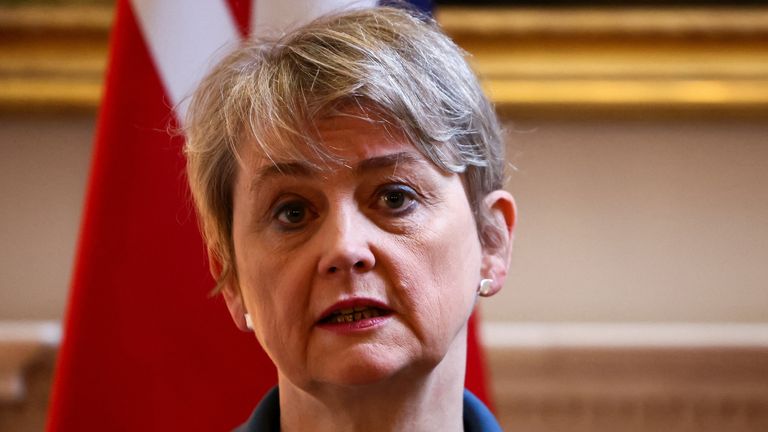
Foreign Secretary Yvette Cooper has condemned their sentence as “completely appalling and totally unjustifiable”.

“We will pursue this case relentlessly with the Iranian government until we see Craig and Lindsay Foreman safely returned to the UK and reunited with their family,” she said.

Joe Bennett, Lindsay Foreman’s son, told Sky News’ Jason Farrell he had spoken with the couple since their sentencing, describing how they reacted to the news with a “kind of mass panic”.

Advertisement

Advertisement

Joe Bennett, the son of Lindsay Foreman, spoke to Sky News in January

He said the prison sentence left him with a “pit in the stomach”, describing how “I felt sick, [I] didn’t sleep”.

The couple were arrested in January 2025 while travelling through the country on an around-the-world motorcycle journey and detained on charges of espionage.

The Foremans, from East Sussex, who are being held in Tehran’s Evin prison, deny the allegations.

Advertisement

The couple’s family says the sentence places the case “in line with the most severe politically motivated detentions of UK nationals in Iran”.

Advertisement

What can govt do about British couple held in Iran?

Mr Bennett said the couple had been “sentenced to 10 years following a trial that lasted just three hours and in which they were not allowed to present a defence”.

“They have consistently denied the allegations. We have seen no evidence to support the charge of espionage,” he added.

Advertisement

The sentence follows a court appearance on 27 October 2025 before Judge Abolghasem Salavati at Branch 15 of the Islamic Revolutionary Court in Tehran.

Lindsay and Craig Foreman. Pic: Family handout
Image:
Lindsay and Craig Foreman. Pic: Family handout

Judge Salavati has previously been sanctioned by the UK, US and EU in connection with human rights violations and the conduct of trials criticised internationally for lack of due process.

Ahead of his sentencing, Mr Foreman described being held in an “eight-foot cell with a hole in the floor and a sink” and described the effects of 57 days in solitary confinement, saying: “Emotionally and physically, it broke me to pieces”.

He said that once a month, meetings with his wife are what sustain him.

Pic: Family handout
Image:
Pic: Family handout

Read more from Sky News:
Trump could be about to force yet another Labour U-turn
Retail warns of more job losses

Mr Bennett said the couple had “already spent more than 13 months in detention”. “We are deeply concerned about their welfare and about the lack of transparency in the judicial process,” he added.

Advertisement

He told Jason Farrell that the couple’s family had received a call straight away from Foreign Office minister Hamish Falconer, who was “quite forceful in the fact that he was going to pick it up with his counterparts”.

Mr Bennett also welcomed Ms Cooper’s statement, saying he had already noticed a “different tone… from the government and that’s only been within 24 hours”.

“For the first time, there’s a sentence that the government can now act on, which is what they’ve been asking for for the last 14 months,” he added.

The Foreign Office is currently warning people not to travel to Iran, because of “the significant risk of arrest, questioning or detention”. “The UK government will not be able to help you if you get into difficulty in Iran,” it has cautioned.

Advertisement

Iran has arrested dozens of foreign visitors and dual nationals in recent years, mostly on espionage and security-related charges.

Yvette Cooper said the sentence was 'completely appalling and totally unjustifiable'. Pic: PA
Image:
Yvette Cooper said the sentence was ‘completely appalling and totally unjustifiable’. Pic: PA

Human rights groups and some Western countries have accused Iran of trying to win concessions from other nations through arrests on trumped-up charges.

British-Iranian dual nationals like Nazanin Zaghari-Ratcliffe and Anoosheh Ashoori are among those who have spent years behind bars in Iran before diplomatic negotiations helped secure their release.

The sentencing of the Foremans comes amid heightened tensions in the region following a deadly crackdown on a wave of demonstrations in Iran.

Advertisement

US President Donald Trump last month urged Iranian protesters – thousands of whom have been killed by the regime’s forces – to keep demonstrating and promised that “help is on the way”.

A powerful US military force continues to assemble within striking distance of Iran.

Advertisement

Source link

Continue Reading

NewsBeat

Strict new rules proposed for dog walkers on dozens of Welsh beaches

Published

on

Wales Online

The changes could land dog walkers with a fine of up to £1000 if they break the rules

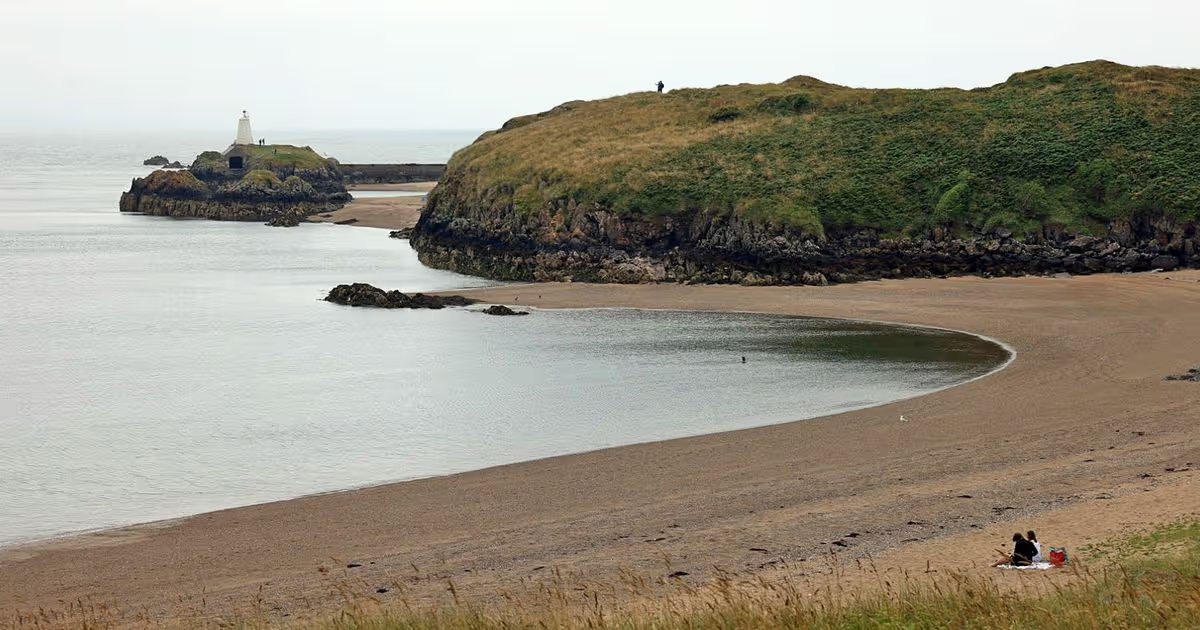
New rules for dog walkers have been proposed for multiple popular beaches in Wales. Due to ongoing complaints of fouling and dogs being walked in banned areas, the Isle of Anglesey County Council is proposing to enforce stricter rules on beaches across the island.

With “growing concern about dogs across Anglesey” the council has proposed a Public Space Protection Order that could land dog walkers with a fine of up to £1000.

The council is asking residents for their thoughts on the proposal that would replace the restrictions currently in place. This consultation will close on March 31, 2026.

Advertisement

Ensure our latest news and sport headlines always appear at the top of your Google Search by making us a Preferred Source. Click here to activate or add us as Preferred Source in your Google search settings

The order will be implemented to discourage anti-social behaviour involving dogs such as the failure to clear-up after dog fouling. The PSPO can last for three years and if breached, an authorised officer could issue a fixed penalty notice of up to £100, which, if not paid, could be increased to £1,000.

The council said: “The need for a dog control PSPO has arisen due to ongoing complaints about dog related anti-social behaviour issues, such as fouling and dog walking in banned areas such as certain beaches. These issues have a detrimental effect on the residents of and visitors to local communities.”

The main objectives of the order according to the council are to allow the council to have the ability to tackle dog related antisocial behaviour, prevent dog fouling, allow those who breach a PSPO to be issued with fixed penalty notices and formalise the exclusion of dogs from certain areas.

Advertisement

The draft will include ‘dog fouling of land’ prohibition, which makes it an offence if dog owners do not remove their dog’s faeces from land within all public highways in areas within the boundaries where the highways are subject to a 30mph or 20mph speed limit.

This includes the carriageways and adjoining footways and verges as well as:

  • all public open land within designated areas including school land and school playing fields and other playing fields and public cemeteries; and
  • all school land and public playing fields which are located outside such areas.

The beaches set to be included within the PSPO are:

  • Llanddwyn beach
  • Penrhos Llanddwyn
  • Malltraeth Bay
  • Traeth Mawr, Aberffraw
  • Rhosneigr
  • Llanfaelog
  • Traeth Llydan Rhoscolyn
  • Borth Wen Rhoscolyn
  • Porth Diana
  • Trearddur Bay
  • Porth Dafarch
  • Traeth Newry
  • Traeth Penrhos Holyhead
  • Porth Penrhyn Mawr Llanfwrog
  • Porth Tywyn Mawr
  • Porth Trefadog
  • Porth Trwyn Llanfwrog
  • Porth Swtan
  • Cemlyn
  • Traeth Bach a Traeth Mawr Cemaes
  • Porth Llechog
  • Porth Eilian
  • Traeth Lligwy
  • Moelfre
  • Traeth Bychan
  • Benllech
  • Traeth Coch
  • Llanddona
  • Beaumaris
  • Penmon
  • Breakwater Country Park

Land exempt from the draft order includes, private land, highways that are subject to a 40mph speed limit or higher, woodlands, marshlands and moorland/heathland.

Source link

Advertisement
Continue Reading

NewsBeat

First World War soldiers remembered in Greater Manchester

Published

on

First World War soldiers remembered in Greater Manchester

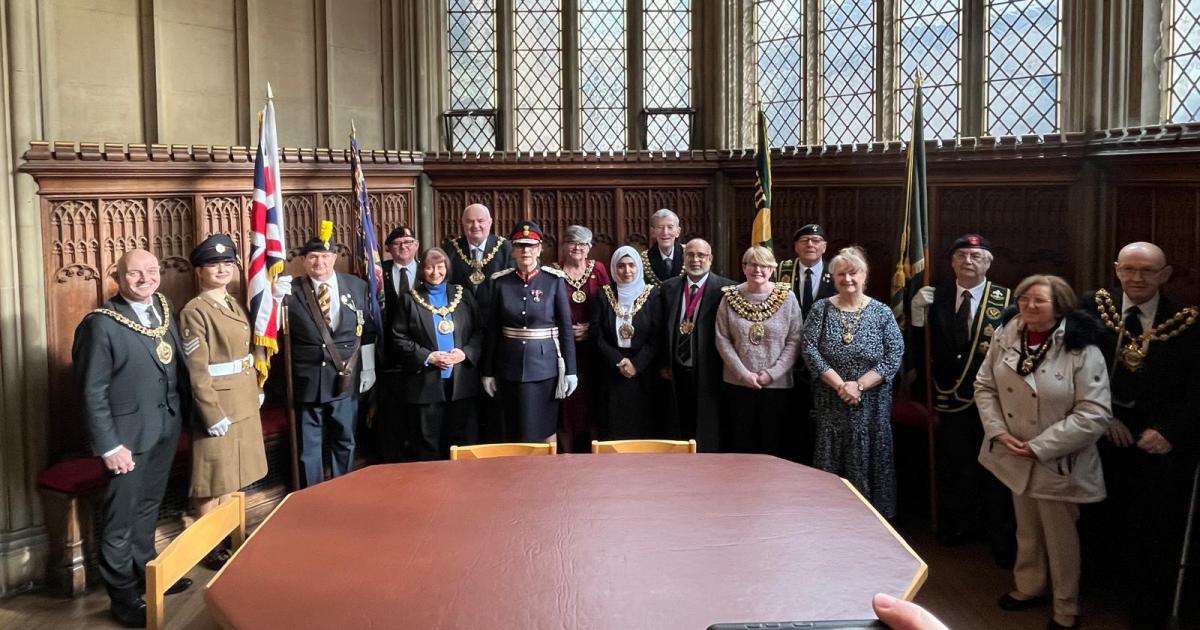
The Turning of the Leaves ceremony, which has been held regularly since 1937, commemorates servicemen “shot at dawn” during the conflict.

Among those attending was Mayor of Bolton Cllr David Chadwick.

The event ensures these men are not forgotten, with a strong sense of remembrance pervading the proceedings.

The ceremony, held regularly since 1937, commemorates servicemen “shot at dawn” (Image: Supplied)

The ceremony takes its name from the prominent Books of Remembrance, whose leaves are turned by veterans during the ceremony.

Advertisement

The ceremony saw an assembly of clergy, veterans, and local leaders from all over Greater Manchester.

The ceremony saw an assembly of clergy, veterans, and local leaders from all over Greater Manchester (Image: Supplied)

Despite their advancing age and the challenge of all weather conditions, the veterans continued to uphold their commitment to remembering those who lost their lives.

Source link

Advertisement
Continue Reading

Trending

Copyright © 2025