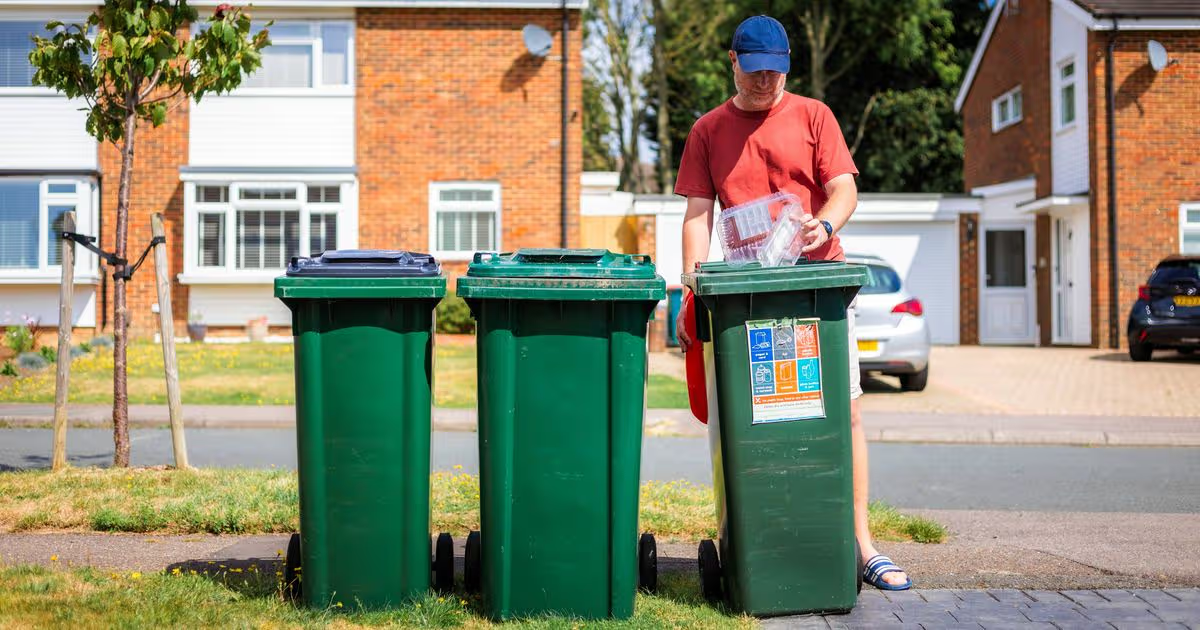
People who unknowingly make the mistake might be confused if their recycling gets left behind
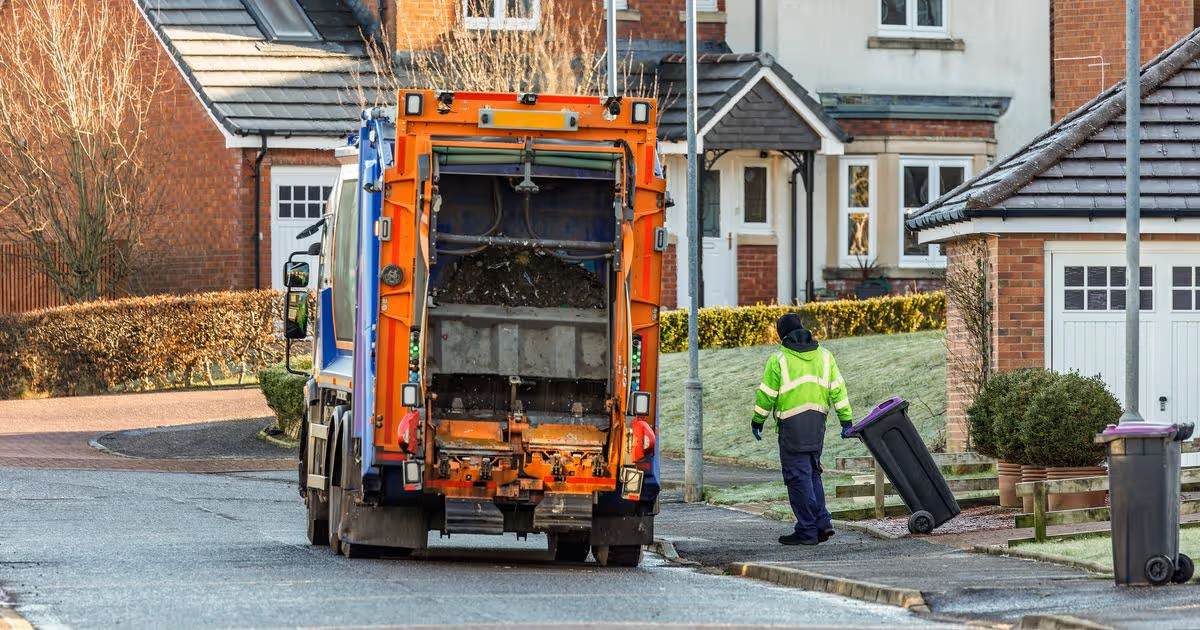
People have been warned that their recycling could be ignored by rubbish collectors if they find a specific item in their bins. People who attempt to sneak in items that could cause significant problems at recycling centres risk having to wait for the next weekly collection.
A binman has claimed online that a common material found in many everyday items, including takeaways, should always be disposed of in the rubbish bin. In a TikTok video viewed by over 2.4 million people, @Theno1.binman said: “When the binmen find polystyrene hiding in the recycling.”
Holding up a piece of polystyrene, he simply put: “Now I have to leave the bin.” Most local authorities won’t risk collecting polystyrene if it’s mixed with approved recycling materials.
Although the material can technically be recycled, it poses additional complications that make disposal challenging. Recycle Now, the national recycling campaign, said on its website that polystyrene is “a type of plastic which is not commonly recycled and should be placed in the waste bin”.
It further added that expanded polystyrene is often used for takeaway food containers and packaging white goods such as microwaves, reports the Mirror.
Explaining the reasons, a spokesperson for London Recycles added: “Polystyrene often isn’t recycled because it is difficult to sort from other types of plastic waste and easily breaks into small beads, which can clog up sorting machines and cause them to break down. Try and avoid buying food and drink which comes in polystyrene. If you can’t, put the containers in your rubbish bin.”
A statement on Wales Recycles reads: “Polystyrene is a type of plastic which is not commonly recycled and should be placed in your bag or bin for non-recyclable waste… Expanded polystyrene is sometimes used for take-away food containers and to package white goods like microwaves. Polystyrene is also sometimes used for other food packaging, like multi-pack yoghurts. Some local councils accept it in recycling collections, although it is unlikely to actually be recycled.”
What to think about when recycling
Recycling is an important process that requires everyone in the street to follow the same rules to ensure waste materials are given a second life. It often takes just one mistake to ruin an entire batch, contributing to landfill problems.
Contamination in recycling means anything that shouldn’t be there. In some instances, this might result from ‘wishcycling’ – when people have the right intentions but dispose of items without checking whether they’re recyclable.
Recycle Now explains: “It could be something that’s recyclable, but not collected by your particular local council, such as plastic wrapping. Or it could be something that is collected by your local council, but that has been tainted by a material or substance that isn’t, such as a grease-soaked cardboard takeaway pizza box or the food residue from a can of beans.”
Most packaging, including food and household products, frequently shows whether it can be recycled. Occasionally, full items can be placed in the recycling bin intact – such as toilet roll tubes and plastic bottles – though the rules differ slightly across different regions of the country.
Some items – like plastic film wrappers on some cartons of fresh fruit – cannot be recycled, despite the carton itself being safe to put in the recycling bin. These items generally cannot be included in curbside recycling because they tangle, jam, and damage sorting machinery, creating dangerous and costly maintenance issues.
For the most precise information, use the free Recycling Locator tool from Recycle Now to discover what you can place in your household recycling bins. It also directs people to their nearest recycling drop-off location if they don’t have a regular collection or have too much for one bin collection.