NewsBeat
Canada’s Carney signs uranium deal with Modi during historic India visit: ‘End of challenging period’

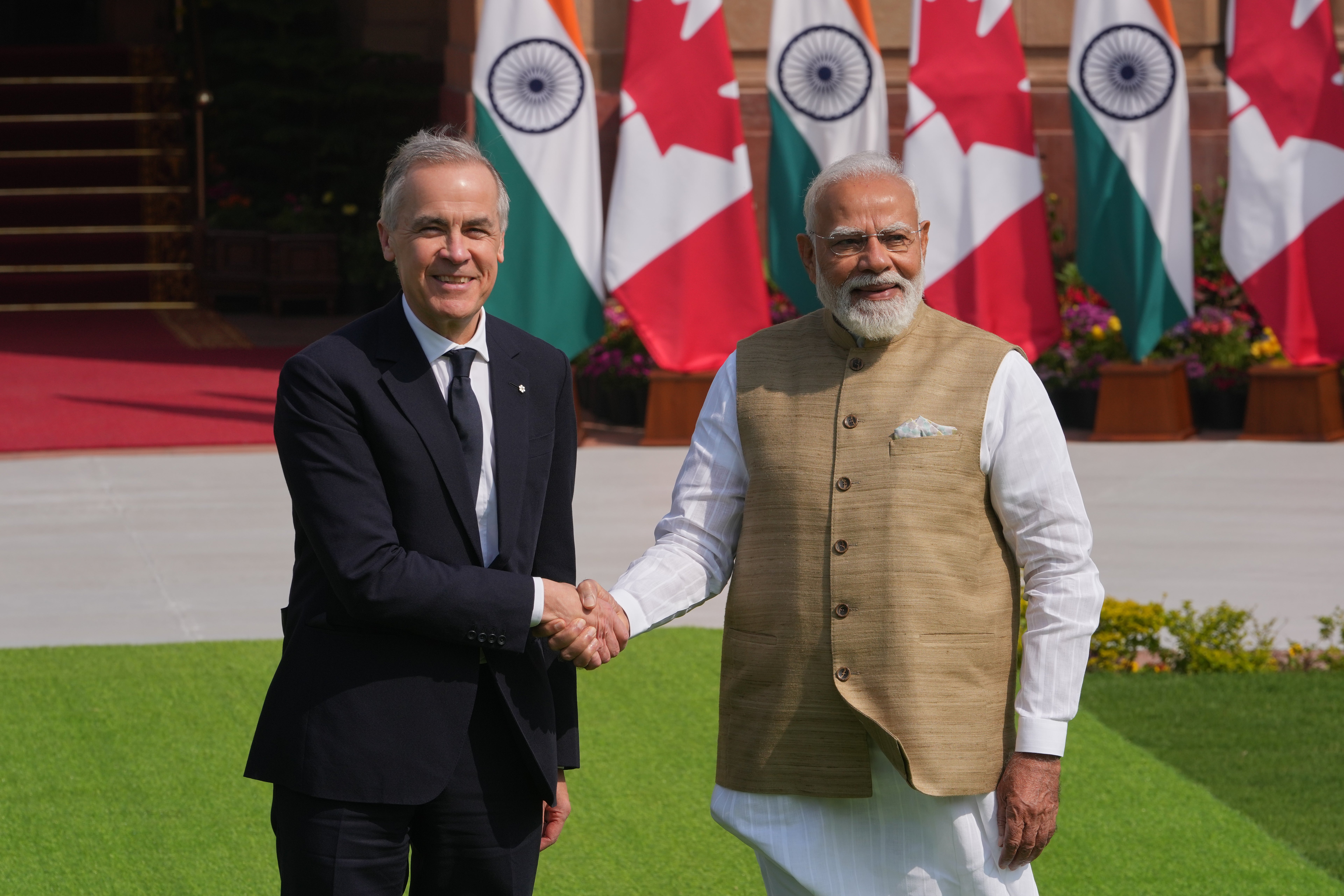
Canada and India signed a 10-year uranium supply agreement as Mark Carney met Narendra Modi in Delhi on Monday, signalling a reset in strained diplomatic ties.
The Canadian prime minister called his visit to India “a new era of partnership” while delivering his statement alongside his Indian counterpart. The two nations announced a host of agreements on energy, trade, and education.
“This visit marks the end of a challenging period and, more importantly, the beginning of a new, more ambitious partnership between two confident and complementary nations,” he said.
“We are advancing towards a Canada-India Economic Partnership agreement with an aim to conclude it by the end of this year,” he added.
Relations between the two countries deteriorated sharply in 2023–24 following allegations by the previous Canadian government that Indian agents were involved in the killing of a Sikh separatist in British Columbia. Diplomatic expulsions and stalled trade talks followed, but both sides are now seeking to move toward a comprehensive economic partnership, with officials earlier signalling India was “no longer” a threat.
Mr Carney said Canadian company Cameco has signed a long-term deal to supply uranium to India. The agreement, valued at $1.9bn, will secure long-term Canadian uranium supplies for India’s expanding nuclear sector, part of a broader push into energy cooperation which includes oil, gas and critical minerals.
Canada is the world’s second-largest uranium producer, accounting for roughly 13–15 per cent of global output. Cameco is the Saskatchewan-based producer and one of the world’s largest publicly traded uranium companies.

The new deal comes as Delhi accelerates plans to expand nuclear power as a central pillar of its energy security strategy. Nuclear currently accounts for just over three per cent of India’s electricity generation. The country operates 22 reactors with an installed capacity of 6,780 megawatts and is aiming to raise that to 22,480 MW by 2031. Over the longer term, India plans to expand nuclear capacity to 100 gigawatts by 2047.
In December, India introduced legislation to open its nuclear sector to private investment for the first time, allowing firms selected by the government to build and operate plants. The proposed law forms part of a wider plan to make atomic energy central to India’s clean energy push and would also allow private firms to import and process uranium.
Limited domestic uranium production has made long-term import agreements increasingly important. India produces roughly 600 tonnes of uranium annually, while projected reactor demand is expected to exceed 1,800 tonnes as capacity expands. Much of the country’s reserves are low-grade, and the addition of more light water reactors will further increase reliance on imported fuel.
India’s electricity demand is projected to grow by about two-thirds by 2030 compared with 2024 levels, as the world’s fastest-growing major economy expands its industrial base. India’s high commissioner to Canada, Dinesh Patnaik, said the country is willing to buy “whatever Canada is offering” on energy as it seeks to fulfil its needs.
“On energy, there is an appetite which even Canada cannot fulfil and we are willing to buy whatever Canada is offering on crude, on LPG, on LNG,” he told CBC News ahead of Mr Carney’s meeting in Delhi.
“We are willing to take whatever,” he added, referring to uranium. “Nuclear is a huge field in which we want to work together.”


India imports the vast majority of its oil and gas, and as global trade becomes increasingly volatile, with India facing tensions with the US over Russian oil purchase, the war in the Middle East and the potential closure of the Strait of Hormuz, which has rattled energy markets, the country is ramping up its efforts to secure dependable long-term fuel supplies.
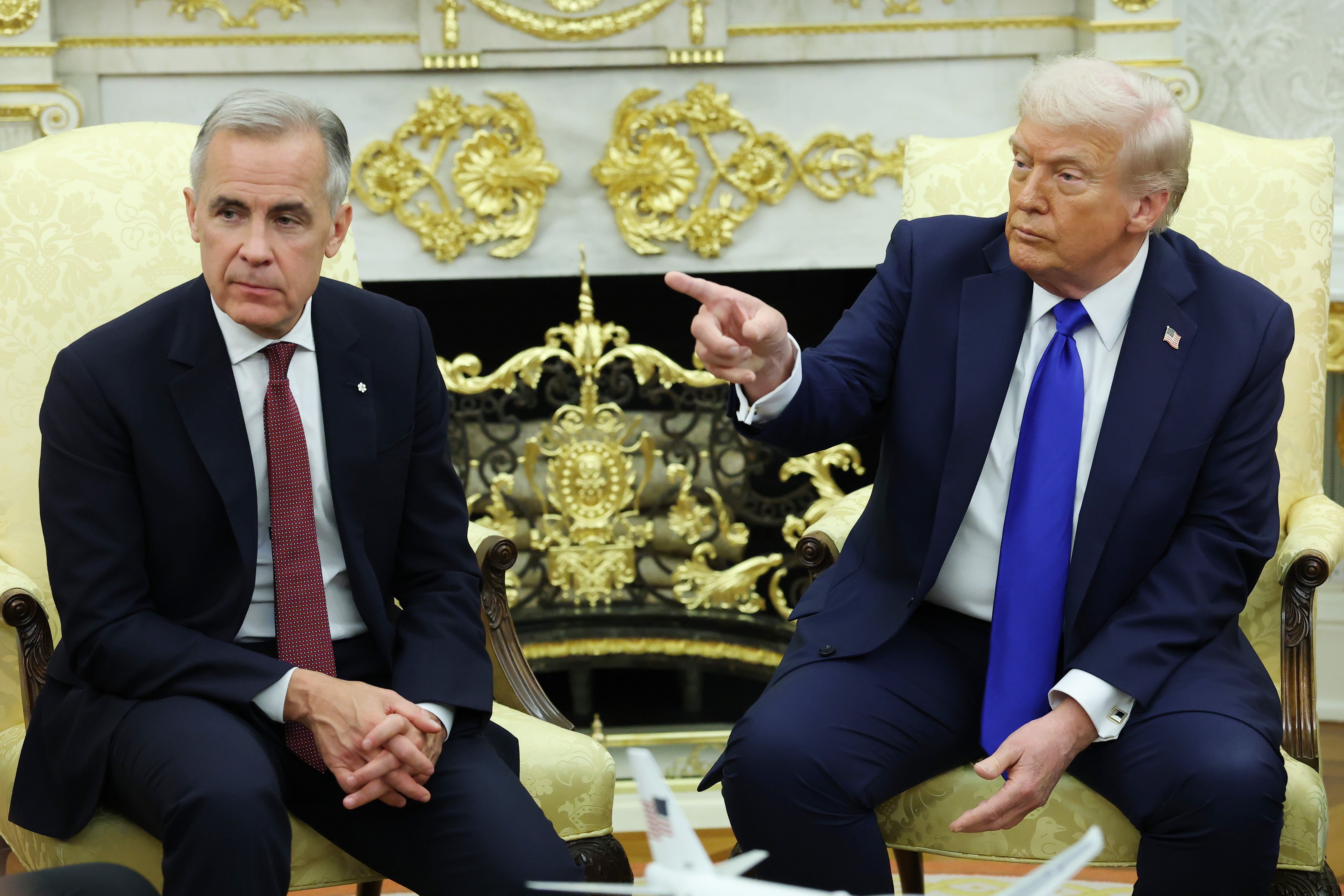
For Canada, the deal reinforces Mr Carney’s ambition to position the country as a reliable energy supplier to Asian markets beyond the US, which has so far accounted for the overwhelming majority of Canadian crude exports, but US-Canada relations have also been under increasing strain in recent months, with president Donald Trump’s repeated jibes calling Canada the 51st state of the US.
“Team Canada is here on a mission. Premiers, ministers and I were in Mumbai working to double our trade with India, secure energy partnerships, and attract massive new investment – to build a stronger, more resilient Canadian economy,” Mr Carney wrote on X during his visit.
He has described India as a “natural partner” and earlier said his visit marks “the end of a challenging period, and more importantly, the beginning of a new, more ambitious partnership between two confident and complementary nations.”

You must be logged in to post a comment Login