



Connect with us
DAPA Banner

NewsBeat

Carr Infant School in Acomb in York in special measures

Published

on

Carr Infant School in Acomb in York in special measures

Carr Infant School, in Ostman Road in Acomb, has 211 pupils aged between three and seven and is currently working with Excel Learning Trust, with a view to academising and joining the trust in the near future.


Recommended reading:


Leaders at the school, which was rated ‘good’ at its last inspection in 2022, have responded to the Ofsted inspection report, confirming that decisive action is already underway to address the areas identified for improvement.

Matthew Oxley, interim head of school, said: “We accept the inspectors’ findings, all of which we had already identified and begun to address through the school’s partnership with Excel Learning Trust.

Advertisement

“We are pleased the report recognises the ‘renewed energy’ within our leadership and the commitment of our staff.

“While there is significant work ahead to reach the standards our children deserve, we now have the right plans and the right support in place to drive these improvements rapidly.”

Matthew Oxley interim head at Carr Infant School (Image: Supplied)

The inspection which took place at the end of January and resulted in the school being placed into special measures.

Mr Oxley said that recognising the need for specialised expertise during a period of leadership instability, the governing body proactively sought the expertise of Excel Learning Trust, who started working with the school at the start of January 2026.

Advertisement

Ofsted noted that this strategic change has infused the school with a “renewed sense of energy, vision and drive.”

Crucially, inspectors highlighted that senior leaders had already identified the most urgent priorities and moved decisively to establish effective frameworks to address them.

The report confirmed that the school’s new plans for improvement are “appropriate, precise, and aligned with the school’s needs”.

Inspectors further recognised that staff feel well-supported, understand the need for change and are fully committed to securing further improvements for pupils.

Advertisement

The report also highlighted that “pupils feel safe, settled and happy. They enjoy coming to school and most attend regularly” and “pupils form positive, warm relationships with staff. They know who they can speak to if they have any worries or concerns. They say that there is no bullying here”.

In order to address the areas for improvement identified by Ofsted, Carr Infant School is embedding a Rapid Improvement Plan that builds on the work which had already started prior to the inspection. Key priorities include strengthening curriculum expertise, raising academic expectations, and improving attendance for all pupil groups.

As part of the Special Measures process, Carr Infant School will receive regular monitoring visits from Ofsted to track progress and provide assurance as improvements continue.

Carr Infant School in Acomb (Image: Google Street View)

Advertisement

Source link

Continue Reading
Click to comment

You must be logged in to post a comment Login

Leave a Reply

NewsBeat

Higgs Boson was UK triumph, but British physics faces ‘catastrophic’ cuts

Published

on

Higgs Boson was UK triumph, but British physics faces 'catastrophic' cuts

Those experiments seek to answer some of the biggest questions in science. These include learning how the Universe began and how it will end, finding the first ever signs of life on planets orbiting distant stars, detecting black holes that ripple space time, mapping newborn planets around distant stars and analysing their atmospheres for signs of life. All of these are experiments in which, historically, the UK played a leading role. But now, British scientists could be largely locked out of them in the future, if the STFC does not pay its way.

Source link

Continue Reading

NewsBeat

A new U.S. trade deal with Indonesia secures fossil fuels and access to critical minerals

Published

on

A new U.S. trade deal with Indonesia secures fossil fuels and access to critical minerals

A new trade pact between Indonesia and the United States has recast their economic ties, binding Jakarta’s resource wealth and energy future more closely to Washington’s strategic needs.

Indonesia agreed to widen access for U.S. investors in critical minerals, boost its purchases of U.S. crude and liquefied petroleum gas, back the development of an American coal export corridor and cooperate on small modular nuclear reactors.

In turn, the U.S. trimmed a threatened 32% tariff on Indonesian goods to 19% and granted broader access to the American market, including a zero-tariff entry policy for major products such as palm oil, coffee, cocoa, spices and rubber.

Though the U.S. Supreme Court’s ruling against President Donald Trump‘s tariffs may impact how it is implemented. The deal fits with longer term U.S. efforts to secure critical mineral supply chains, beef up its oil and gas exports and reduce dependence on China.

Advertisement

Meanwhile other export-reliant Southeast Asian economies negotiating with the United States, including Vietnam, are closely watching the Indonesia–U. S. trade deal for clues about the tariff levels and concessions Washington may demand across the region.

Indonesia, the world’s largest nickel producer, has vast mineral reserves needed for electric vehicles and clean energy systems. It’s caught between the conflicting aims of the U.S. and China, a key source of foreign investment and market for Indonesian coal and nickel, analysts say.

China is concentrating on electrification, renewables and dominance of battery supply chains, while the U.S. is pairing its push for mineral access with more fossil fuel exports.

Haryo Limanseto of Indonesia’s Coordinating Ministry for Economic Affairs, said the deal’s energy provisions “balance foreign trade and meet domestic energy needs.”

Advertisement

“The leadership of Indonesia is trying to tread a fine line between the West and China,” said Putra Adhiguna of the Jakarta-based Energy Shift Institute, adding that Chinese influence is “inescapable” since it is Indonesia’s largest trading partner.

US gains a new foothold to Indonesia’s minerals

Indonesia has pledged to promote U.S. investment across its mineral industry, from exploration and mining to refining, transport and export. In some cases, American investors will receive treatment “no less favorable” than domestic firms.

Restrictions on exports of critical minerals to the U.S. will be relaxed to expedite development of Indonesia’s rare earths and critical minerals sector with U.S. partners, promising “greater certainty” for companies involved in extraction to help boost production, the agreement says.

Advertisement

Major policy shifts have altered Indonesia’s mining sector in the past six months and the trade deal’s new restrictions on existing foreign-owned entities in Indonesia will curb excess output from processing plants. Foreign businesses must follow the same tax, environmental, labor and quota rules as other companies.

Indonesia’s critical mineral processing sector is currently dominated by China, which has firms operating or financing multiple nickel smelters and industrial parks.

“Indonesia is absolutely central to this competition because it combines resource endowment with political ambition,” said Kevin Zongzhe Li, with the Center for China Analysis within the Asia Society Policy Institute, a New York-based think tank.

Competition over critical minerals is heating up and the agreement “opens the door for U.S. firms to have a real shot” at “modestly leveling a sector where Chinese industries established first mover advantage,” he said.

Advertisement

Indonesia to purchase more US energy

Indonesia has agreed to cut red tape so that its companies can more easily purchase U.S. energy products.

It plans to buy $15 billion worth of American energy commodities over an unspecified period, mainly fossil fuels such as liquefied petroleum gas, crude oil and gasoline.

Trump’s efforts to persuade Asian countries to buy more American LNG has gained momentum during trade talks, with energy purchases emerging as a way to narrow trade gaps. It’s unclear if the turmoil in oil trading due to the war with Iran might impact that effort.

Advertisement

Indonesia, one of the world’s top coal exporters, will also invest in developing an export corridor from the U.S. West Coast to help make American coal more competitive in global markets, the agreement says.

Indonesia also pledged to work with the U.S. and Japan to deploy small modular nuclear reactors, starting with a potential project in West Kalimantan.

Shift in energy transition policies

The deal reflects changed U.S. energy priorities under the Trump administration, away from cooperation on reducing Indonesia’s climate change -causing emissions.

Advertisement

In 2022, Indonesia joined the Just Energy Transition Partnership, a multi-billion deal where the U.S. and other wealthy nations pledged support for reducing coal use and expanding clean energy. The program was faltering even before Trump withdrew from it last year.

Despite the U.S. withdrawal, Indonesian officials said the $21.4 billion partnership will continue. As of January, at least $3.4 billion, around 15%, of the funds had been received, according to Airlangga Hartarto, Indonesia’s minister for economic affairs.

Adhiguna said the deal’s biggest impact may be political, with Jakarta emulating the U.S. emphasis on fossil fuel use.

“There is the risk that the political leadership of Indonesia is going to fall back into that hole,” Adhiguna said.

Advertisement

That will mean still slower progress in areas like solar energy.

Over the past five years, tropical, sunny Indonesia has installed less than 1 gigawatt of solar energy — compared with roughly 2 GW in Vietnam and nearly 60 GW in India. The International Energy Agency found that fossil fuels, like coal, oil and natural gas, made up nearly 78% of Indonesia’s energy mix in 2023.

Indonesia should prioritize building 100 GW of solar and storage capacity and expand interconnection grids to enable renewable energy sharing, said Dinita Setyawati, with the United Kingdom-registered energy think tank Ember.

Tariff strike down creates confusion

Advertisement

The deal’s future has been clouded by the U.S. Supreme Court’s recent ruling against Trump’s sweeping global tariffs, just after the agreement was reached — casting doubt on the durability of his trade strategy. The agreement requires ratification by Indonesia’s parliament before it can take effect.

That adds another “layer of uncertainty,” said Meha Sitepu, with the Washington-based strategic advisory firm The Asia Group.

Some provisions of the agreement are drawing criticism, including those that are seen as diluting Indonesia’s halal certification requirements in the mostly Muslim country of nearly 288 million, Southeast Asia’s most populous nation.

“Parliamentary approval could be an uphill battle and added uncertainty from the U.S. side may complicate things further,” Sitepu said.

Advertisement

___

Delgado reported from Bangkok, Thailand. Associated Press writer Edna Tarigan in Jakarta contributed to this report.

___

The Associated Press’ climate and environmental coverage receives financial support from multiple private foundations. The AP is solely responsible for all content. Find AP’s standards for working with philanthropies, a list of supporters and funded coverage areas at AP.org.

Advertisement

Source link

Continue Reading

NewsBeat

Cardiologist says popular breakfast food is a ‘cholesterol bomb’

Published

on

Belfast Live

A cardiologist has warned about three worst foods with high cholesterol – with one popular breakfast item described as a ‘cholesterol bomb’

A leading cardiologist has identified the three worst foods for people aiming to lower their cholesterol levels, with one item labelled a “cholesterol bomb”.

Dr Steven Lome, a cardiologist at Rush Copley in Aurora, Illinois, made the revelations during an appearance on the Physicians Committee podcast, where he outlined the most problematic foods for cholesterol management.

Advertisement

Before examining these foods, it’s worth understanding that cholesterol comes in two primary forms: HDL and LDL. HDL cholesterol is considered ‘good’ cholesterol as it can lower the chances of developing heart disease or suffering a stroke.

LDL cholesterol, conversely, is regarded as bad cholesterol, as excessive amounts can cause arterial blockages and heighten heart disease risk.Consequently, maintaining elevated HDL cholesterol levels whilst keeping LDL cholesterol low is crucial.

When discussing the three principal foods to steer clear of, Dr Lome highlighted processed meats, red meats, and eggs as the primary culprits. He explained: “Processed meats, pepperoni, baloney, salami, sausage, things like that, they’re extremely high in saturated fat and, most of the time most, saturated fat has the biggest impact and they are high in saturated fat.

“They also have a good amount of dietary cholesterol which we need to remember, dietary cholesterol is not an essential nutrient. Processed meats I think by far would be the worst.

Advertisement

“Next, I would put red meats which still would be high in cholesterol and saturated fat significantly so you really want to get rid of those. And then eggs.”

Dr Steven delivered a particularly striking assessment when discussing eggs, stating: “Eggs are a cholesterol bomb, I hear people call them. That yolk is just so full of cholesterol. In most surveys, eggs are the number one source of dietary cholesterol in the American diet.”

The relationship between diet and cholesterol levels extends beyond mere speculation, with numerous studies examining how various foods affect overall health.

Advertisement

Eggs

Multiple research papers have explored the connection between egg consumption and cholesterol levels. One investigation published in the Science Direct journal examined the effect of eggs on blood lipid profiles and whether they warrant inclusion in our diets.

The researchers found: “When combined with healthy eating patterns that include more dietary fibre or fish, eggs may be beneficially associated with lipid outcomes. Overall, these results provide no evidence that egg intake should be limited when consumed as a part of a fibre-rich, heart- healthy diet.”

Meanwhile, separate research indicated that eggs might contribute to elevated LDL cholesterol levels. Published in the Nutrients journal, researchers concluded: “Notably, longer-term high egg-consumption may lead to higher LDL-c/HDL-c ratio and LDL-c. However, RCTs with long tern follow-up are needed to guarantee the association between egg consumption and human health.”

Red and Processed Meat

Advertisement

Both red and processed meat have been associated with a heightened risk of heart disease according to research published by the University of Oxford. Publishing their study in the Critical reviews in Food Science and Nutrition journal they found that higher intakes of red and processed meat could increase the risk of heart disease.

In a statement following the publication of the findings, co-lead author of the study Dr Keren Papier said: “Red and processed meat have been consistently linked with bowel cancer and our findings suggest an additional role in heart disease.

“Therefore, current recommendations to limit red and processed meat consumption may also assist with the prevention of coronary heart disease.”

For more information on how to reduce your cholesterol, visit the NHS website.

Advertisement

Source link

Continue Reading

NewsBeat

Inside Iran’s children’s wards: The painful human cost of US-Israel airstrikes | World News

Published

on

Anita's 14-year-old brother

The human cost of Israel and America’s air campaign on Iran is mounting, nowhere more painfully felt than in the children’s wards of its hospitals.

In the intensive care unit of one, four-year-old Anita lies in a coma with severe head injuries a few days after being pulled out of the rubble of her home when it was destroyed in an airstrike.

Her mother Zeiba was in torment, clutching her tiny hand and begging her to wake up. Doctors say she almost certainly never will.

Image:
Zeiba holds the hand of four-year-old Anita

Later, I asked her if she had a message for Donald Trump about this war.

“Why did this happen to us?” she said, pausing to let out her tears.

Advertisement

“To innocent people, my innocent four-year-old girl, who was only going downstairs to come to me, why do it to ordinary people like us?

“We were sitting together at home, they have taken away our safety, our happiness, and the health of our children.”

Anita had been playing with her 14-year-old brother and was coming down the stairs, answering their mother’s call, when the missile came in.

Anita's 14-year-old brother
Image:
Anita’s 14-year-old brother

It was terrifying, he told us: “Suddenly, everywhere went black. I didn’t understand what happened next. I didn’t hear a sound, nothing… I thought I was dreaming.”

Israel and America are calling their airstrikes precision-targeted. The term often loses most of its meaning when you see the impact on the ground.

Advertisement

Civilians are being hurt in the air campaign here because some airstrikes are being used on targets in residential areas. That is abundantly clear in places like Resalat in eastern Tehran.

Here, missiles have devastated a huge area the size of a city block. There was a Basij or paramilitary security force base here, say residents, but civilian apartments too, many of them.

We could see the impact of several direct hits on two apartment blocks. We met Seyed Hossein Sane, whose daughter had been at home when the missiles struck mid-afternoon. He’d been at work.

Advertisement

35-year-old Seyedeh Farideh’s body was pulled out of the rubble and identified three days later.

Read more:
Tehran is dotted with the scars of war

Voters split on Starmer’s Iran stance

Seyed had this message for the leader of whichever country sent the missiles: “I wish the same thing would happen to them that they would have to identify the body of their youth with their own hands. Them and their families.

“Same as what I did to the body of my daughter after three days, I wish that for whoever caused this.”

Advertisement
Seyed Hossein Sane, whose daughter was at home when missiles struck
Image:
Seyed Hossein Sane, whose daughter was at home when missiles struck

Israelis and Americans say their airstrikes are the best way of achieving their war aims, regime change among them.

But the longer they go on, the greater the human cost and anguish.

Source link

Advertisement
Continue Reading

NewsBeat

Prince William ‘calling more of the shots’ amid royal family shake-up

Published

on

Cambridgeshire Live

The Prince of Wales is believed to be increasingly taking the lead in royal family decisions, including those involving Prince Andrew

Prince William is reportedly “calling more of the shots” within the royal family. The Prince of Wales is thought to be increasingly taking the helm in decision-making, including matters concerning his disgraced uncle Andrew Mountbatten-Windsor, who was forced to leave Royal Lodge this year.

Andrew, who denies any wrongdoing, saw his daughters Princess Beatrice and Princess Eugenie barred from Royal Ascot this week. It’s understood that William, 43, had a hand in this decision, which allegedly left the princesses “completely blindsided”.

Advertisement

Royal expert Andrew Lownie stated today: “William, I think, is calling more of the shots now. So there’s definitely a change going on, and I get the sense also that there’s a bit of distancing even from the Sussexes, clearly from the Waleses.” Speaking on his podcast, The Lownie Report, he suggested that William is eager to see a significant shift in public perception of the monarchy, reports the Mirror.

Among the sisters, Beatrice has reportedly found the decision to exclude them from Royal Ascot most difficult. The siblings have maintained a low public profile since their father’s arrest on February 19 at his residence on the private Sandringham Estate.

Mr Lownie added: “I think the decision to ban them from Ascot is interesting. The line that they’re [Beatrice and Eugenie] pushing is that they were never going to go to Ascot in the first place, and it does seem odd to be so public about this distancing.”

Both Beatrice and Eugenie hold the titles of princess and HRH, and it has been revealed that both are permitted to rent homes in esteemed royal palaces. However, royal expert Jennie Bond suggests it might be time for Beatrice and Eugenie, who are not working royals, to relinquish their royal titles in their personal and professional lives.

Advertisement

“I don’t think either of them has ever flaunted their titles, but there’s obviously a huge cachet in some circles about being called a Princess,” she said. “A title like that opens doors and sets up connections, which both Beatrice and Eugenie have used to their advantage. There’s nothing wrong in that, but now that their father has been stripped of his titles and their mother can no longer use hers, they might like to quietly drop the use of theirs.”

In October last year, it was reported that father-of-three William was firmly “calling the shots” to shield King Charles from “criticism” over his hesitation to act against his disgraced brother. Andrew, however, has consistently denied any wrongdoing.

Source link

Advertisement
Continue Reading

NewsBeat

Dog owners face unlimited fines for farm livestock attacks

Published

on

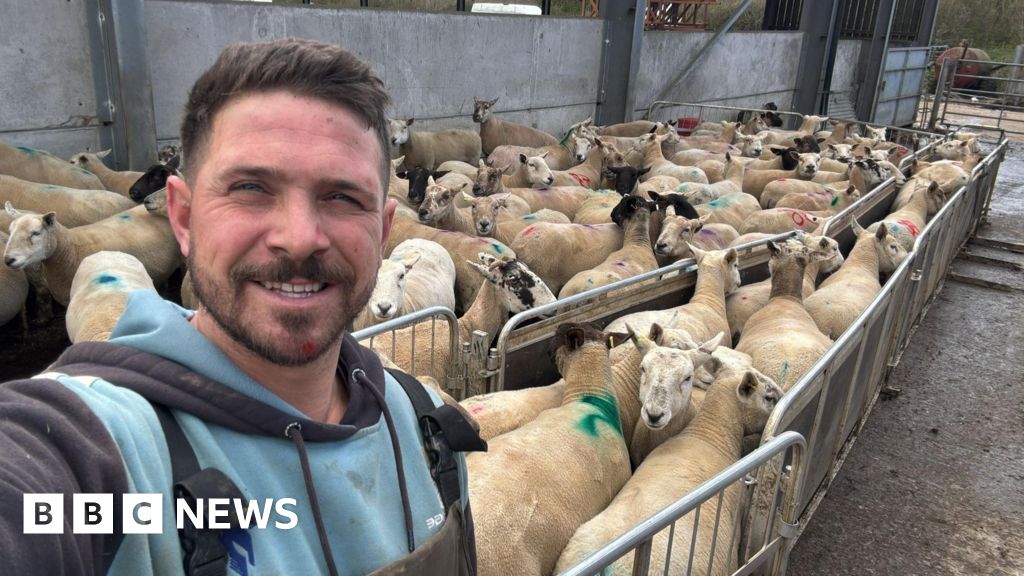
Dog owners face unlimited fines for farm livestock attacks

Dr Anna Muir, a dog behaviourist who runs a training centre near Mold, Flintshire, also welcomed the changes, saying: “For irresponsible dog owners who let their dogs run loose under no control, who let them off lead in sheep fields, who show no effort to reduce them chasing livestock – I am absolutely supportive of unlimited fines.”

Source link

Continue Reading

NewsBeat

‘I thought I needed a power nap – but it was 13 tumours in my breast’

Published

on

Wales Online

Claire Danvers complained of fatigue as early as 2024 but brushed it off along with other symptoms thinking she was just busy

Mum thought cancer was being busy

A mum who blamed needing a power nap before the school run on being a busy mum was devastated when doctors uncovered 13 tumours in her breast. Claire Danvers says she first became aware of her symptoms, which included severe back pain, fatigue, and nausea, at the start of 2024.

Claire says the fatigue became so extreme that her ‘eyes would feel heavy’ after lunchtime and her body would ‘physically hurt’. The 39-year-old says she would find herself needing to take a nap before picking her children up from school – but put the tiredness down to being a busy, self-employed mum.

Claire, who was taking painkillers every day because her back pain was so severe, says that her symptoms were initially put down to her suffering from endometriosis. But after discovering a lump in her right breast in February 2025, Claire was prompted to visit her GP in April 2025.

Doctors referred Claire for a biopsy and at the end of May 2025 she received the devastating news that she had breast cancer – after doctors discovered 13 tumours in her right breast. Claire says she was ‘traumatised’ by the news and has since undergone a mastectomy as well as chemotherapy and radiotherapy treatment.

The network marketer says the fear of leaving her children behind is ‘horrendous’ and is encouraging other women who experience breast cancer symptoms to ‘advocate for themselves’. Claire, from Poole, Dorset, said: “I was suffering with extreme back pain. I was taking paracetamol and ibuprofen every day for the aches and pains that I was having.

“I was experiencing extreme fatigue – I was tired all the time. I would get to after lunch time and my eyes would feel so heavy and my body would actually hurt. I would want to go to sleep but then I was putting it down to having two kids and having a very stressful business because I’m self-employed.

Advertisement

“I was putting all of my symptoms down, explaining them away with how my life was. There were definitely some days that I would recline in my chair and close my eyes for a little bit. I just put it down to the fact that I was going through a lot of stress at the time.”

Claire visited her GP in April 2025 after discovering a lump in her right breast two months earlier. She said: “In December 2024 I had a lump come up in my armpit. I was explaining stuff away – I was like I’ve been unwell, it’s just a raised lymph node and then that disappeared in 10 days.

“When I found the lump in my breast in February 2025 yet again I thought that’s not normal, that doesn’t feel right, but I had a lump in my armpit and that went away. I unfortunately left it until April and it was only because my husband was constantly badgering me to go to the doctors and actually get it checked out that I did.

Advertisement

“The doctor examined me and said that straight away she was referring me for the two-week rapid referral pathway for breast cancer.” Claire underwent a biopsy on May 2nd 2025 and received the devastating news that she had invasive lobular carcinoma, a type of breast cancer, later that month.

Claire said: “By the time I actually found it, my cancer as a whole had grown to 9.7cm and I had 13 tumours in my breast. I was traumatised [when I was diagnosed]. The hardest thing I’ve ever had to do is tell my family and my two kids.

“Cancer diagnosis is traumatic enough but there’s also guilt you feel as a parent, especially having young children. My children have only just turned six and eight. The fear of leaving them behind – that guilt is horrendous.”

Advertisement

Claire underwent a mastectomy with reconstruction on her right breast in June 2025 and has since undergone four months of chemotherapy treatment and 15 sessions of radiotherapy. She said: “Everything is just very traumatic. You can’t take it in – it’s like your watching your life from the outside.”

She added: “It doesn’t feel like you’re going through it, it feels like you’re watching someone else go through it. I’ve literally just finished my chemotherapy and radiotherapy and now I’m having hormone therapy.

“Because the cancer is driven by my hormones, they have to shut your hormones off. My life has now been changed for the rest of my life.

Advertisement

“I’m 39 years old, and I’ve been drop-kicked into menopause because they have to stop my hormones, to stop my cells turning into cancer. Once I’ve done all of that, as long as I can tolerate the next stage of hormone therapy, I will then eventually have a hysterectomy.”

Claire is now encouraging other people who notice that there is something wrong with their bodies to “advocate for themselves”. She said: “I think it was very easy for people – doctors or even myself – to look and say my symptoms were because of endometriosis.

“My advice would be to always advocate for yourself. If you have that gut feeling that something isn’t right and even if you don’t know what it is, push through it and keep pursuing it.”

Advertisement

Source link

Continue Reading

NewsBeat

DWP plans to move more claimants into work amid benefits warning

Published

on

Cambridgeshire Live

Pat McFadden says the UK must move from a ‘welfare state to a working state’, with employment at the centre of welfare policy, but disability charities warn of increased pressure on vulnerable claimants

Millions of benefit claimants could face increasing pressure to enter employment after the UK Government signalled a change in how the welfare system functions. Work and Pensions Secretary Pat McFadden said the UK must transition from a “welfare state to a working state”, with employment positioned at the heart of welfare policy.

Addressing an audience at Waltham Forest College in London on Monday, Mr McFadden said welfare reform ought to concentrate on creating pathways for individuals to secure employment rather than depending on long-term assistance from the Department for Work and Pensions (DWP).

Advertisement

He said: “Welfare reform should be about opportunity and work, and that’s what I mean by a working state. This is an approach that puts work at its heart.”

The UK Government maintains the existing system fails to adequately support people into jobs, as the number of individuals out of work owing to sickness or long-term health conditions continues to climb.

The most recent DWP statistics reveal approximately 24 million people across Great Britain are receiving at least one benefit. This comprises 8.3m on Universal Credit and over 3.9m on Personal Independence Payment (PIP), reports the Daily Record.

While disability payments are now administered in Scotland through Adult Disability Payment (ADP), broader welfare policy and work requirements remain under Westminster’s jurisdiction.

Advertisement

The DWP chief said employment can serve a crucial role in enhancing people’s lives and cautioned too many individuals were being denied opportunities. He said: “Work is one of the most important ways in which we realise the best versions of ourselves.”

As part of the proposals, the UK Government has committed £1 billion towards supporting young people into employment. Companies could be offered payments of up to £3,000 for taking on young people who have been out of work for at least six months, as ministers seek to address growing youth unemployment and economic inactivity.

Mr McFadden stated that getting people into work was fundamental to the UK Government’s welfare reform strategy. He said: “I see no reason why MPs should not support welfare reform that has work and opportunity at its heart.”

The DWP states the measures are part of a broader approach designed to cut economic inactivity and assist employers in filling job vacancies. Nevertheless, disability charities have cautioned that potential welfare system changes could place additional financial strain on vulnerable individuals.

Advertisement

In response to the address, Evan John, policy adviser at Sense, said: “It’s extremely concerning that the government seems to be laying the groundwork for reforms to disability benefits, fuelling anxiety among disabled people already struggling as the cost of living rises. Sense research found that two in five disabled people with complex needs who rely on benefits are in debt because they cannot afford the essentials.”

John expressed that the charity was particularly worried about the future of the health element of Universal Credit, which assists individuals whose conditions limit their capacity to work. He stated: “Scrapping this benefit will not help more young disabled people find work – instead it risks pushing them further into poverty and isolation by increasing the barriers they already face.”

John suggested that the UK Government should concentrate on enhancing employment support rather than reducing disability benefits. He commented: “The government needs to rule out further cuts and focus instead on investing in more support to help disabled people find and stay in employment.”

More information regarding the UK Government’s welfare reform plans is anticipated later this year. Pat McFadden’s full speech can be read online at GOV.UK.

Advertisement

Source link

Continue Reading

NewsBeat

CBS Evening News ratings drop below 4M for first time with Tony Dokoupil in the anchor chair after Bari Weiss overhaul

Published

on

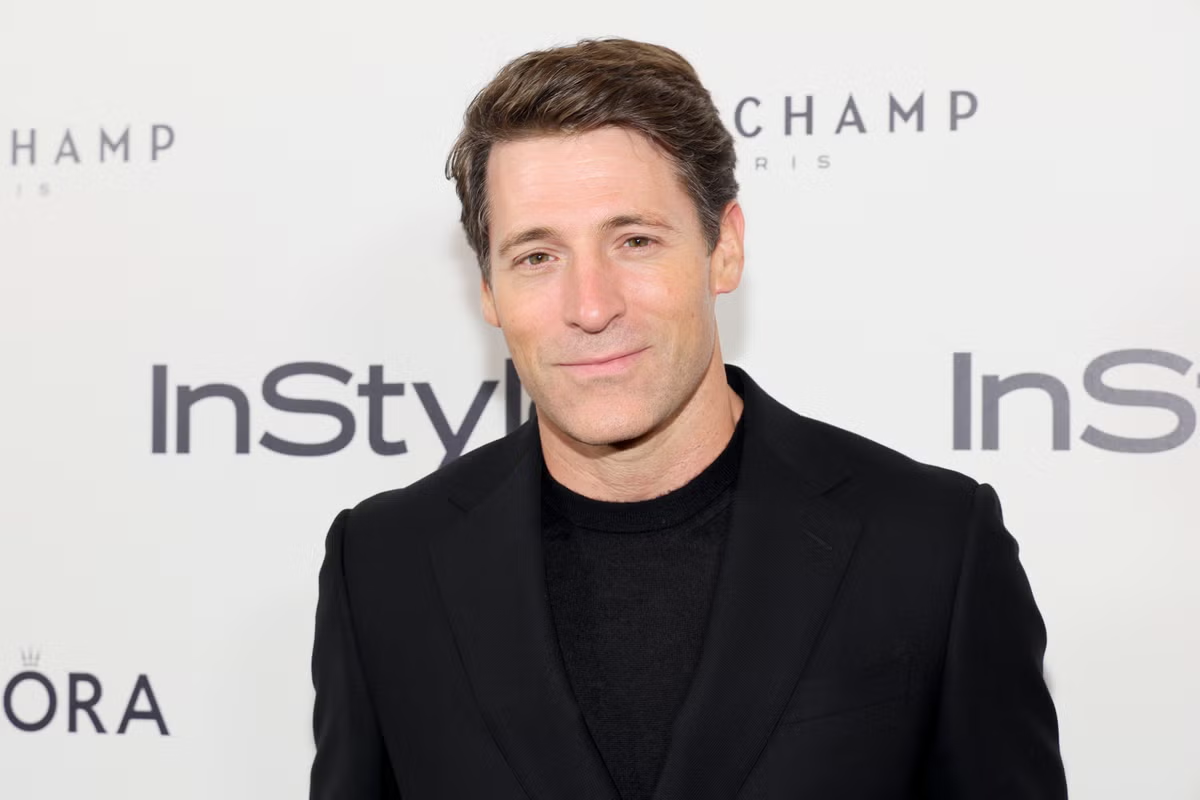
CBS Evening News ratings drop below 4M for first time with Tony Dokoupil in the anchor chair after Bari Weiss overhaul

Ratings for CBS Evening News have dropped below four million for the first time since host Tony Dokoupil took the helm after editor-in-chief Bari Weiss’ overhaul of the network.

The revamp of the nightly news program kicked off to a rough start in January. During his first regular broadcast, Dokoupil ran into some technical issues while switching between segments.

One network staffer at the time told The Independent Dokoupil’s debut as the new host of CBS Evening News, which included social media clips of him asking random people at a train station to pronounce his last name, was “embarrassing.”

The first week of ratings for the nightly news program with Dokoupil in the anchor chair averaged nearly 4.17 million total viewers and 533,000 in the key demographic of adults aged 25 to 54, according to Nielsen Media Research data cited in several outlets.

Advertisement
Ratings for CBS Evening News have dropped below four million for the first time since host Tony Dokoupil took the helm after editor-in-chief Bari Weiss’ overhaul of the network

Ratings for CBS Evening News have dropped below four million for the first time since host Tony Dokoupil took the helm after editor-in-chief Bari Weiss’ overhaul of the network (Getty Images)

Despite the 23 percent dip in total viewership ratings from the same period in 2025, according to Deadline and Variety, CBS News touted it as a victory, saying it was up 4 percent in total viewership compared to the rest of the season, which started in September.

But now, ratings have slipped below 4 million again. The show had a total viewership of nearly 3.83 million and 468,000 among 25 to 54 year olds last week, Variety reported, citing Nielsen data.

Variety reports the network scrapped the CBS Evening News anchored by Maurice DuBois and John Dickerson after the program shed audience and fell below 4 million viewers on many weeknights.

Advertisement

Dokoupil’s ratings lagged behind ABC’s World News Tonight with David Muir, which had a total audience of nearly 8.48 million last week, and NBC’s Nightly News with Tom Llamas, which saw 6.51 million total viewers, according to Nielsen.

The nightly news program reportedly had a total viewership of nearly 3.83 million last week

The nightly news program reportedly had a total viewership of nearly 3.83 million last week (Getty Images)

Weiss, who founded the so-called anti-woke media outlet The Free Press, took over as CBS News’ editor-in-chief last October.

Dokoupil replaced evening news co-anchors Maurice DuBois and John Dickerson soon after, as one of several changes to the network under Weiss’ leadership.

Advertisement

One network staffer told The Independent Dokoupil had turned CBS Evening News into “state TV.”

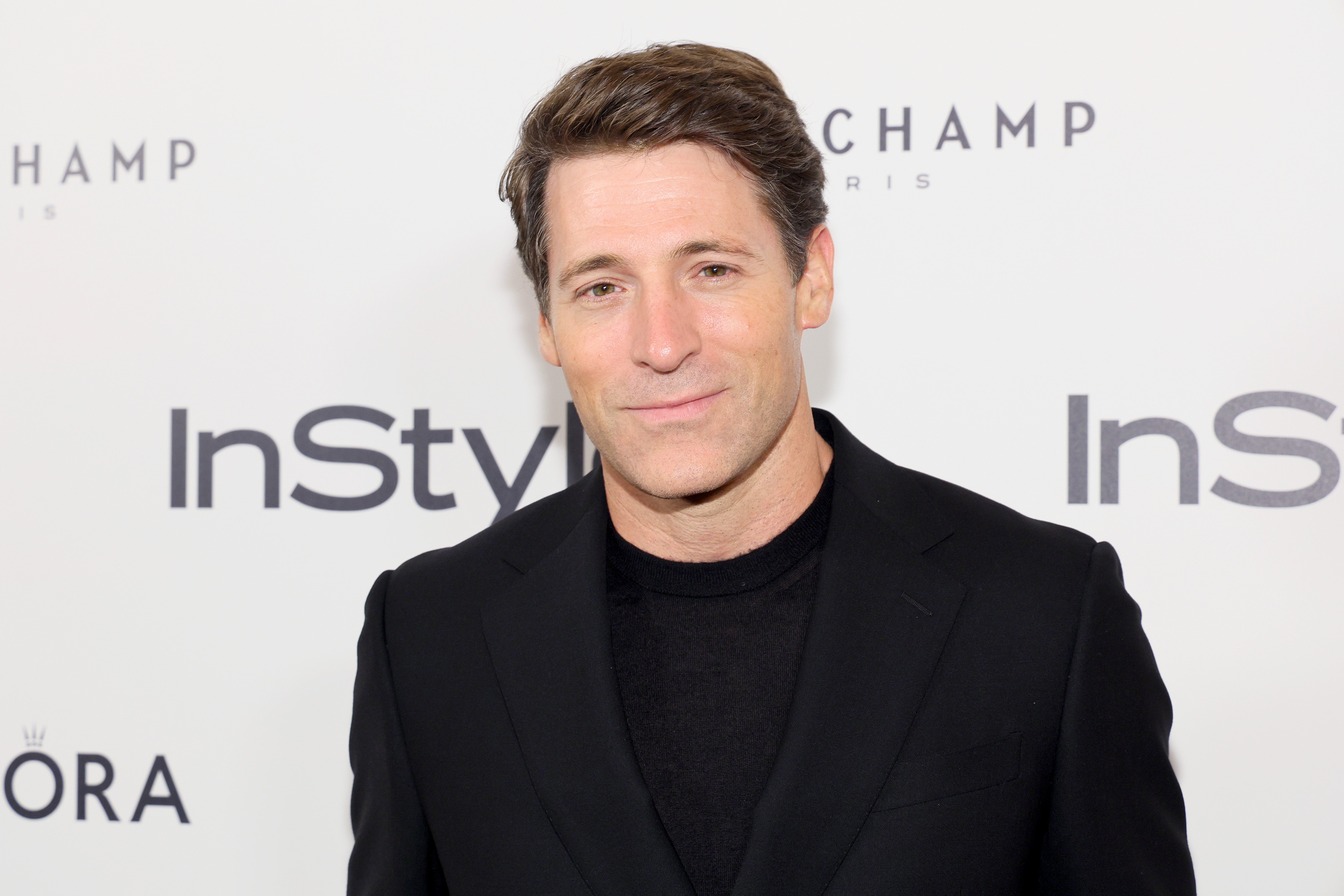
Dokoupil replaced evening news co-anchors Maurice DuBois and John Dickerson soon after Weiss took over as CBS News’ editor-in-chief last October

Dokoupil replaced evening news co-anchors Maurice DuBois and John Dickerson soon after Weiss took over as CBS News’ editor-in-chief last October (Getty Images for The Free Press)

President Donald Trump told Dokoupil on the program that he “wouldn’t have a job right now” if former Democratic Vice President Kamala Harris won the 2024 presidential election.

Weiss also sparked backlash for her decision to pull a 60 Minutes segment about Venezuelan migrants sent from the U.S. to CECOT, an El Salvadoran prison accused of having inhumane conditions. The segment ended up airing nearly one month later.

Advertisement

In reaction to last week’s ratings drop, Representative Ted Lieu, a California Democrat, wrote on X, “If people want conservative slant, they can watch Fox or Newsmax. People don’t want broadcast news to slant one way or the other. They just want news.”

Source link

Continue Reading

NewsBeat

Senegal stripped of Africa Cup of Nations over misconduct in final | World News

Published

on

Senegal's Sadio Mane lifts the trophy with teammates as they celebrate after winning the Africa Cup of Nations. Pic: Reuters

Senegal has been stripped of the African Cup of Nations after misconduct in the tournament final, the Confederation of African Football (CAF) has ruled.

The CAF Appeal Board said that Senegal is “declared to have forfeited” the final in January, which will be recorded as a 3-0 win for Morocco, the tournament hosts.

During the match at the Prince Moulay Abdellah Stadium in Rabat, Senegalese fans tried to storm the pitch and Senegal players walked off in protest after Morocco were awarded a penalty in the 98th minute.

After a lengthy delay, the players and coach returned to the pitch where the penalty was saved by Senegal’s goalkeeper, and Senegal went on to win the game 1-0 in extra time.

Advertisement

Read more: How controversy unfolded in final

Advertisement

From January: Jubilant crowds celebrate Senegal’s AFCON victory

The Royal Moroccan Football Federation said after the match it would “pursue legal action”, saying the walk-off “had a significant impact on the normal course of the match and on the players’ performance”.

FIFA boss Gianni Infantino hit out at the “unacceptable scenes on the field and in the stands” as he criticised the behaviour of some “supporters” as well as Senegal players and staff.

Advertisement

Source link

Continue Reading

Trending

Copyright © 2025