NewsBeat
Cities race to carry out out ‘pothole blitzes’ and repair roads after a brutal winter: ‘It was like the Mariana Trench’

After a brutal winter storm season, cities across the United States are declaring a war on potholes as local officials race to make roads safe.
The East Coast and Midwest were battered by heavy snow and sub-zero temperatures for weeks in early 2026, leaving behind tens of thousands of potholes on roads and highways.
Baltimore Mayor Brandon Scott said his city is still dealing with the aftermath of “ice-mageddon”, even in early spring. The Maryland city is used to heavy snow that then rapidly melts but low temperatures in late January and February kept ice intact for weeks.
“We had below-freezing temperatures for basically a month,” Scott told The Independent. “So it wasn’t going anywhere, and it was chunks of ice.”
Scott, who has joined road crews filling potholes, is overhauling Baltimore’s resurfacing program with a new public data dashboard and changes to city contracting. He wants to fill 25,000 potholes in the next 90 days. The city tackled 134,000 potholes last year.


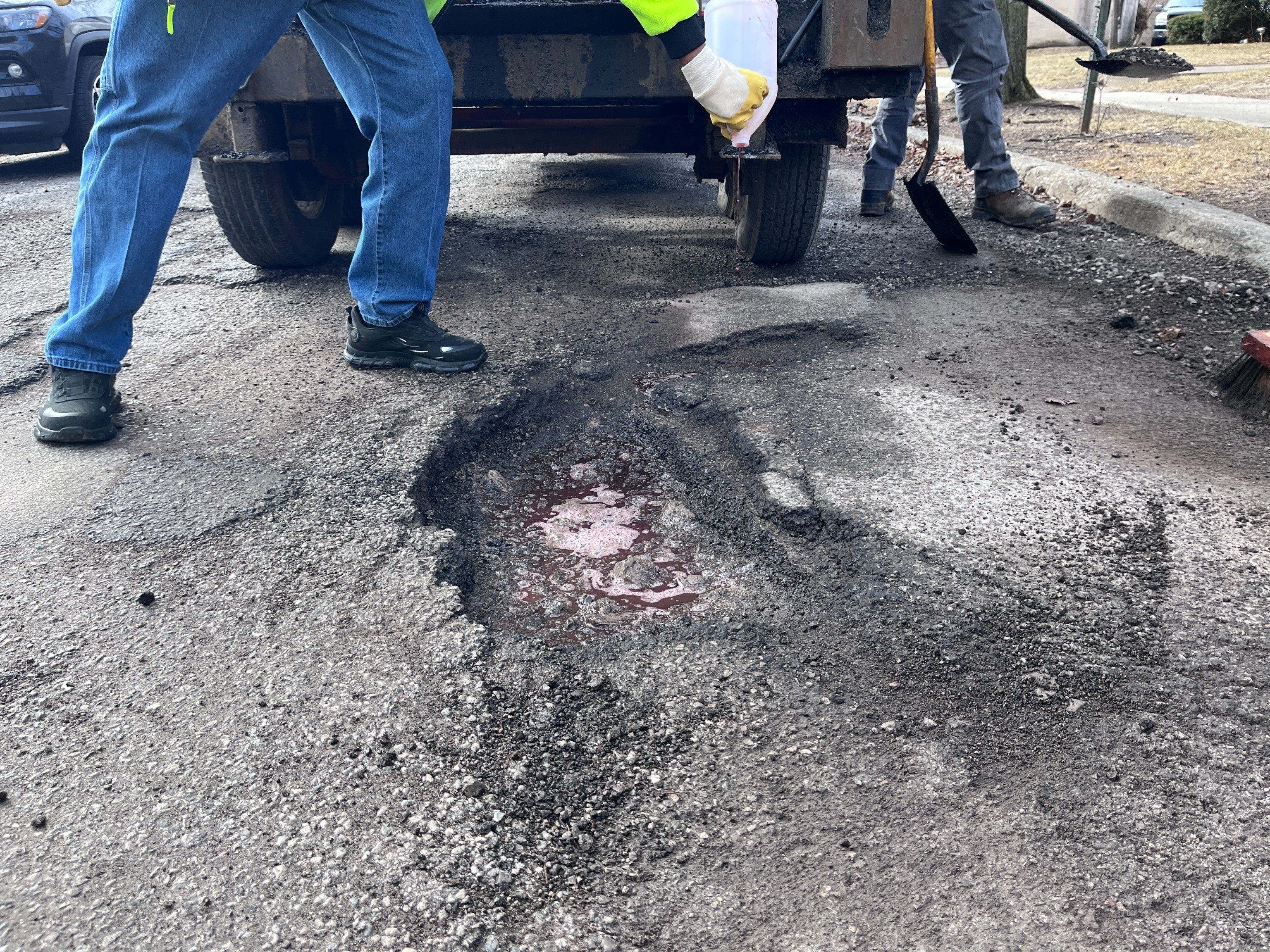
The work has involved breaking up ice blocks that felt like concrete, he said. The salt put down to combat icy conditions unfortunately worsened the pothole problem. Road salt lowers the freezing temperature of water which then seeps into pavement, and helps develop potholes.
“With the amount of salt that we had to put down, that’s going to create potholes,” Scott said. “Where there is salt used, there will be potholes.”
He’s just one of hundreds of city leaders facing similar challenges after this winter and who are now in the midst of “pothole blitzes.”
As of late March, New York saw a 119 percent increase in pothole complaints to the city’s 311 system compared to the same period in 2025, the largest year-over-year increase ever, according to a New York Post analysis.
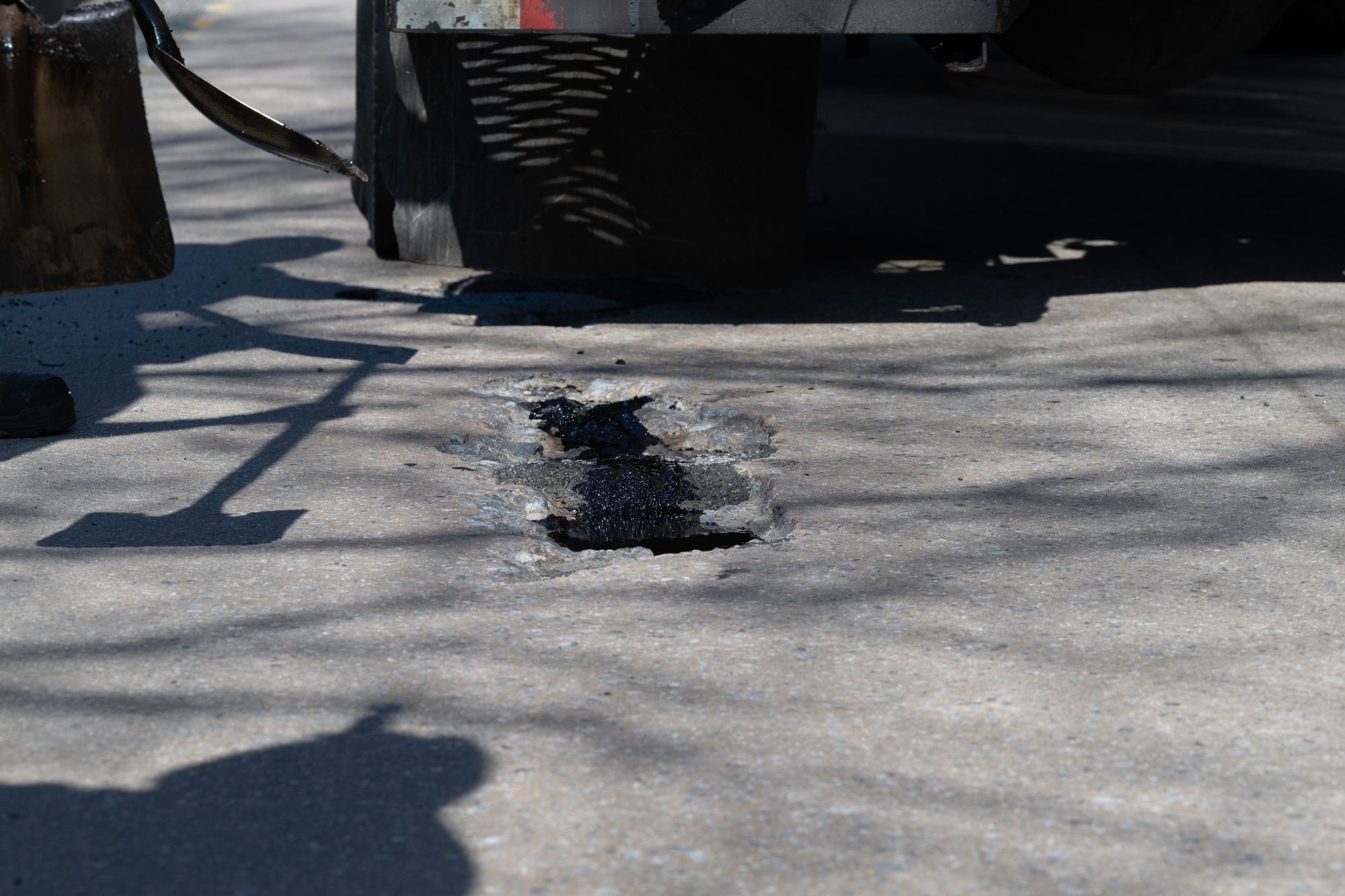

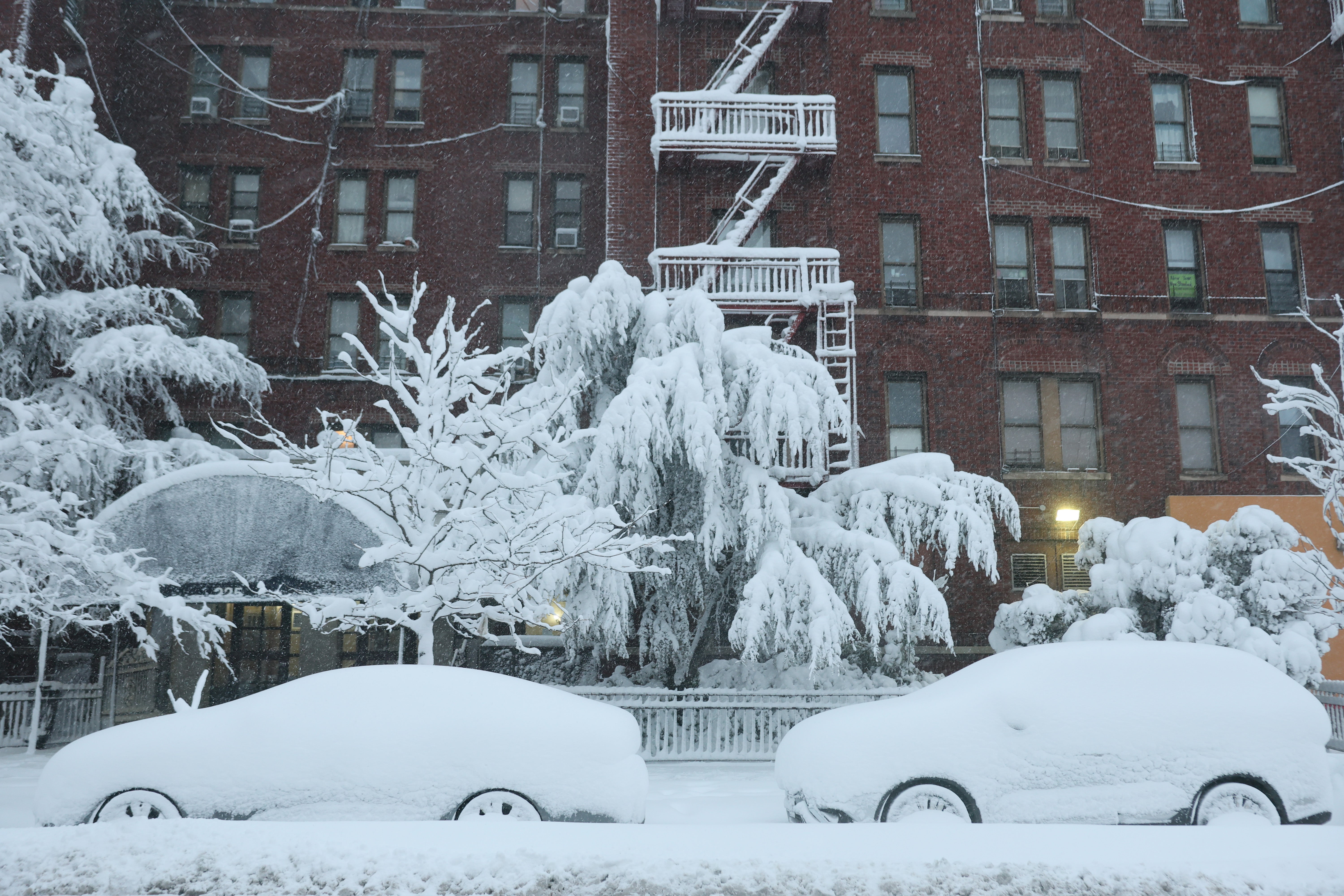
In Nashua, New Hampshire, city officials warned that a “very wet winter with very low lows, and weirdly strange high temps” were creating a “perfect storm” for potholes.
Chris Leo, a resident of nearby Manchester, recently lost a tire to a massive pothole on the way home from dinner.
“Think of a black abyss, like a black hole, and then double it, is basically the deepness of these potholes,” Leo told NHPR. “It was like the Mariana Trench.”
In Connecticut, drivers reported more potholes on state roads in the first two weeks of March than in all of March 2025.
In some jurisdictions, potholes moved from a daily annoyance to an all-out crisis.
In February, Sumpter Township in the Detroit metro area declared a public safety emergency over the state of its gravel roads.
Think of a black abyss, like a black hole, and then double it, is basically the deepness of these potholes. It was like the Mariana Trench.
Chris Leo, resident of Manchester, New Hampshire
Roads in the township had become “severely washboarded, rutted and potholed, contain standing water due to drainage failures, and significant segments of road are nearly impassable,” town supervisor Timothy Bowman wrote in a public declaration.
In Pittsburgh, Pennsylvania, however, it was business as usual, according to John Samuelson, director of public works.
“We’re doing OK,” he told The Independent. “I have not heard of any increase in potholes as a result of the rains this year.”
He said the city generally fills potholes within 24 hours of being notified.
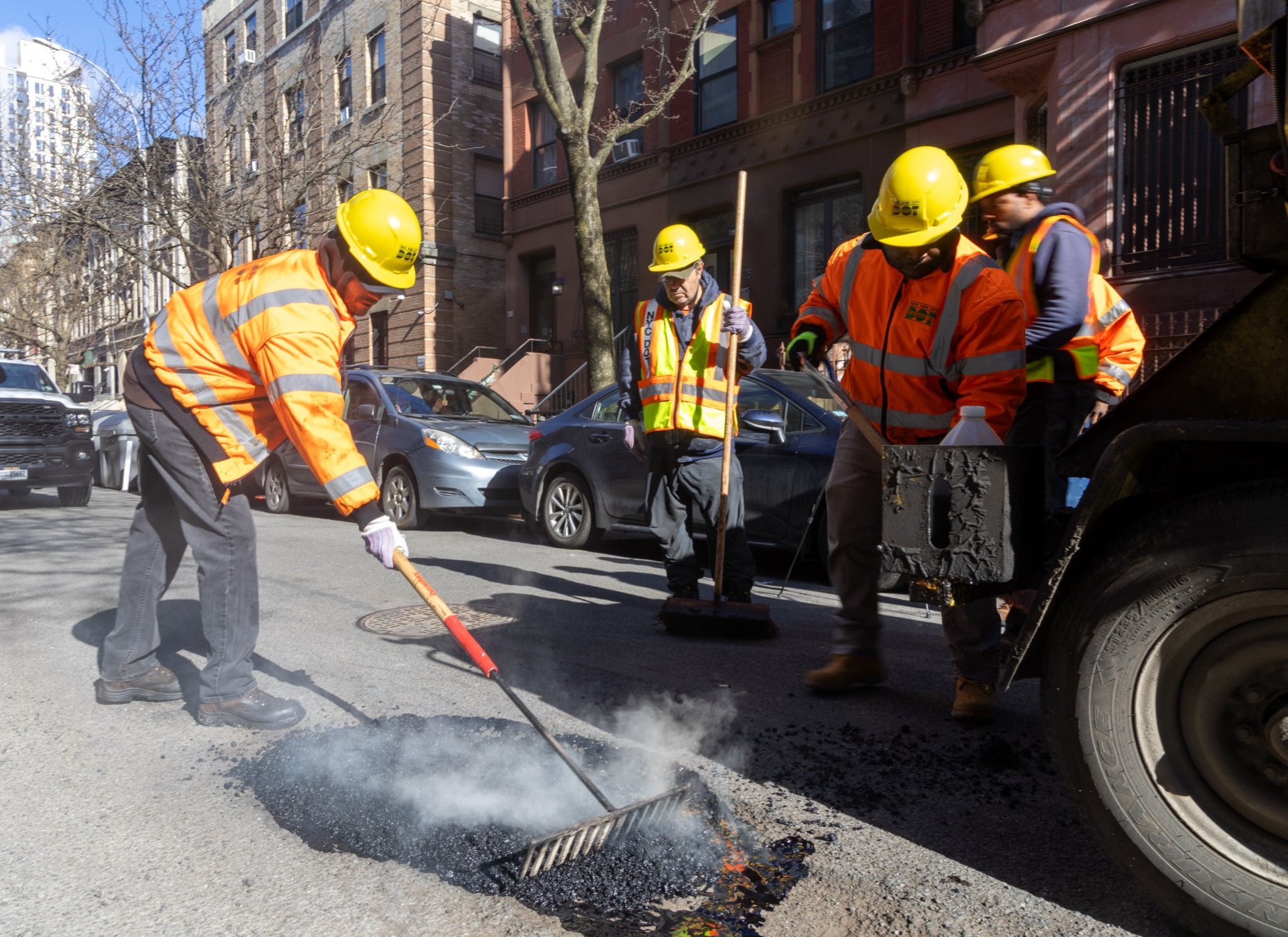
To raise public awareness and focus city efforts, leaders in places like New York City and Baltimore have launched “pothole blitzes” to tackle the problem. The Big Apple has filled more than 66,000 potholes since January, according to the local Department of Transportation.
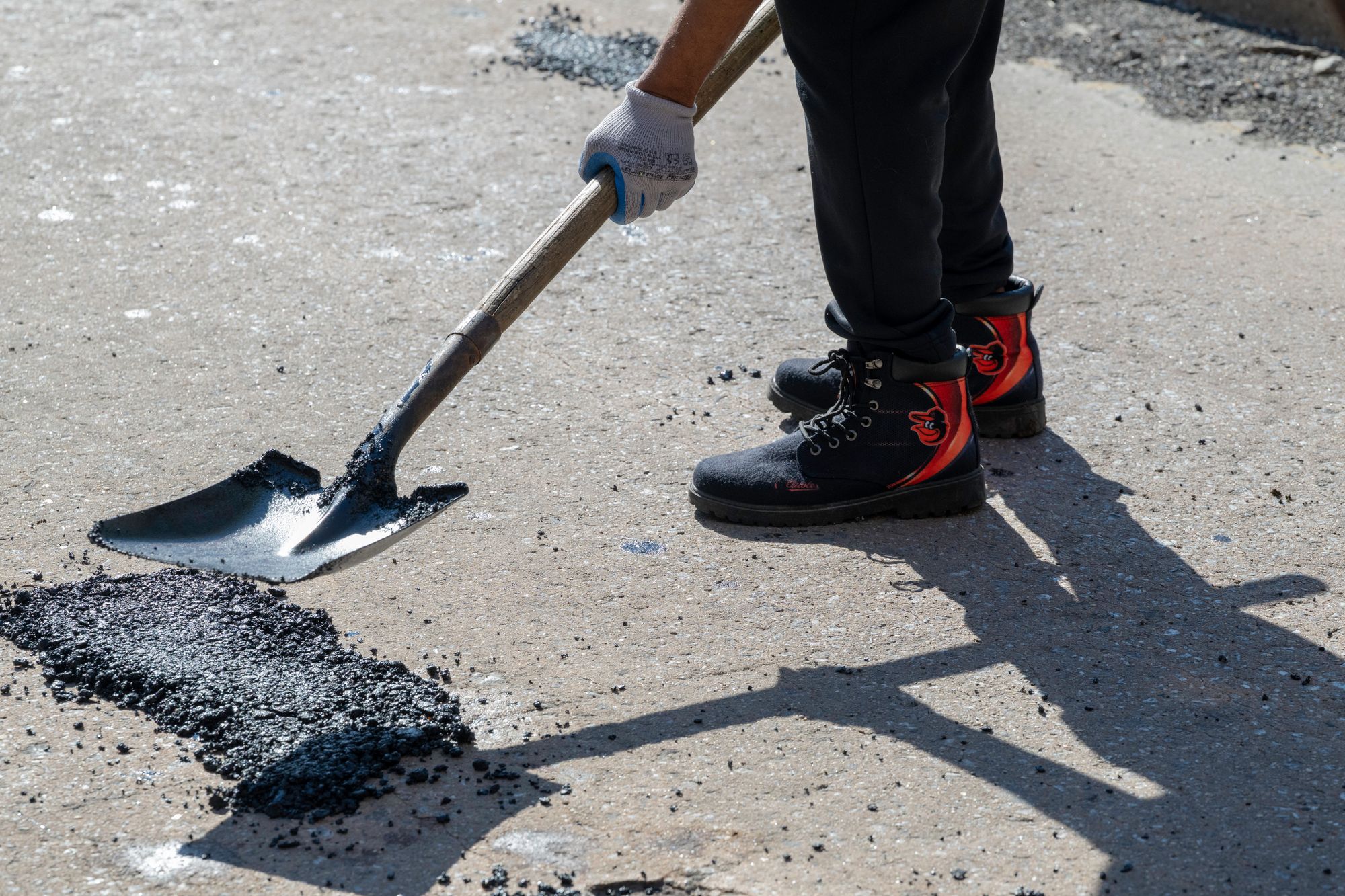
Scott, the Baltimore mayor, said he enjoys joining the pothole crews on the job himself. It reminds him of helping out at his family’s HVAC business. “I’m a hands-on guy,” he said.
When mayoral elbow grease fails, cities have also turned to special equipment to patch up the winter-weary roads.
“We’ve had hundreds and hundreds of people calling after one of the worst winters on record — and that’s why I decided to put together a massive public facilities operation to repair the potholes, using what we like to call ‘the pothole killer,’” Bridgeport, Connecticut, Mayor Joe Ganim told News 12 last month.
The pothole killer set-up includes a truck with spray injection machines and a “hot box” asphalt recycler. Residents can also report potholes via an app, he said.
The costs of all these potholes can add up. A Manchester, NH, tire shop said this week it’s fixing a record number of damaged tires and rims as a result of the potholes.

Smaller municipalities only have so much money to patch holes. The Pittsburgh-area borough of Homestead told the Pittsburgh Post-Gazette it has already blown through its full supply of 2,000 pounds of cold patch asphalt.
The holes can also be a major safety issue. A 46-year-old man in Queens, New York City, was fatally thrown from a motor scooter last month in the Ozone Park neighborhood when he hit a pothole.
Getting a handle on the pothole problem isn’t easy. Rising global temperatures, stronger storms, and unusual weather patterns as result of the climate crisis are expected to worsen potholes, while cities like Baltimore face persistent funding challenges.
The city, unlike others in Maryland, is responsible for maintaining both local and state roadways in its jurisdiction. It also lost nearly $1 billion in expected state funding thanks to years of budget cuts after the 2008 recession.
“You’re talking about thousands upon thousands of lanes of road that didn’t get surfaced that would have,” Scott said.
After securing funding increases in recent years, Scott is now lobbying state lawmakers to keep such support over the long term.
Little is certain in life, but you can always count on there being more potholes to fill.
You must be logged in to post a comment Login