NewsBeat
Climate 100 List: Charity CEO Giles Bristow on turning the tide on the UK’s toxic water pollution

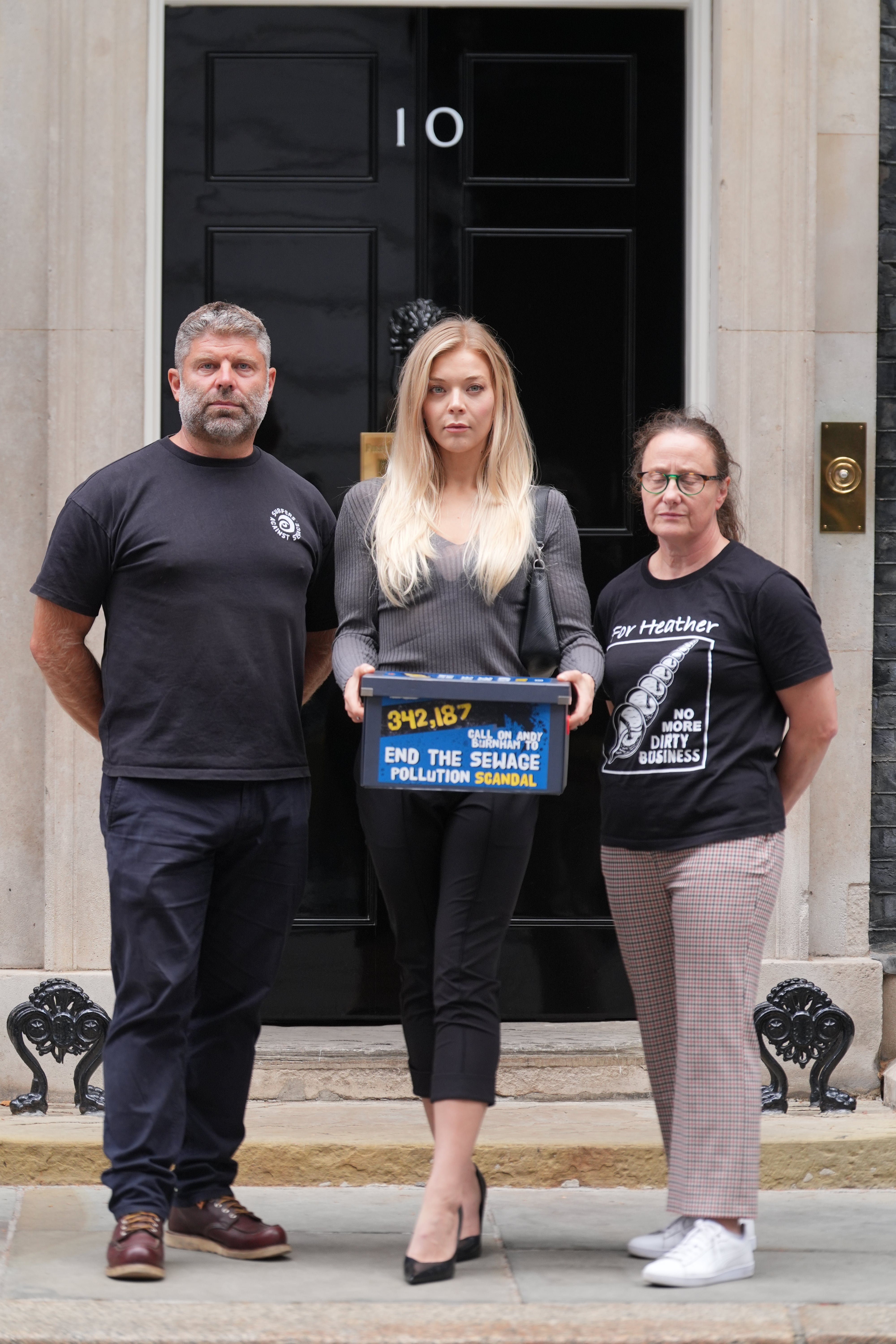
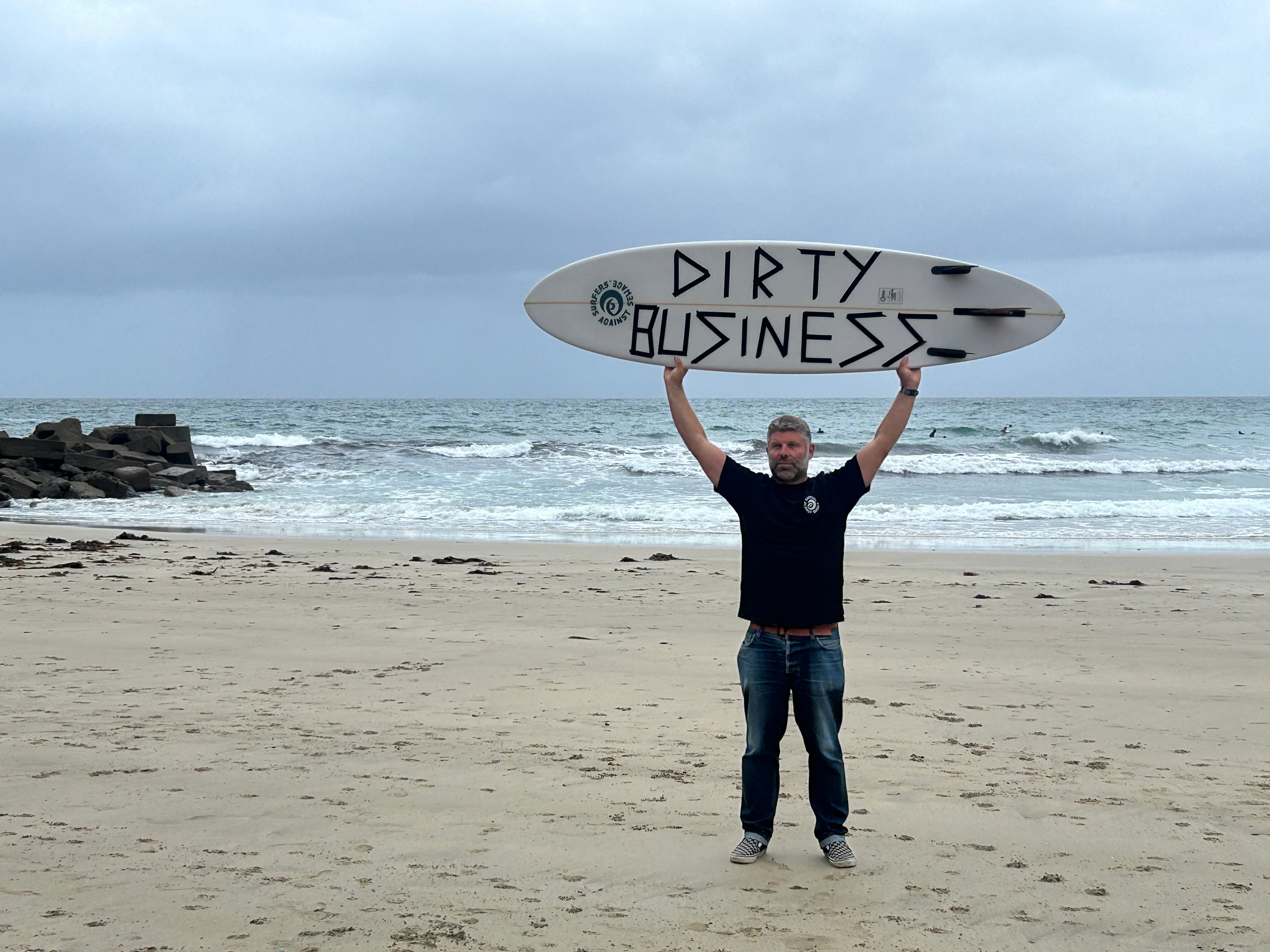
Clutching surfboards clad with slogans like “end sewage pollution” in gaffer tape, Giles Bristow – chief executive of Surfers Against Sewage – and a group of campaigners delivered their petition signed by 350,000 people to number 10 Downing Street earlier this month. Their message was simple: clean up Britain’s polluted water.
The charity has been campaigning on the issue for its entire 36-year existence. But this year, it’s been thrust into the country’s consciousness amid the extreme droughts and floods which have laid bare the extent of the issue – as well as through Channel 4’s incredibly powerful and must-watch docu-drama, Dirty Business which the charity worked on.
Dirty Business portrayed the story of Heather Preen, an eight-year-old girl who died in 1999 after contracting E. coli 0157 (the most dangerous strain) during a family holiday in Devon, following a sewage spill. Heather’s mother, Julie Maughan, has continued campaigning for cleaner water with the charity ever since and was also at Downing Street.
The petition is calling to “clean up” the government’s proposed Clean Water Bill, and to end the broken privatised ownership of our water system that’s been in place since 1989 that “pollutes for profit” and does “not prioritise the environment or our health,” Bristow tells me when we meet at Surfers Against Sewage’s offices in St Agnes, Cornwall.
Surfers Against Sewage is creating a groundswell for systemic change, with Bristow saying that for the majority of businesses “the only duty that exists is to return a reasonable profit to shareholders”.
Andy Burnham cannot ignore this tidal wave of public opinion. This is just the tip of the iceberg of the people who care about this issue
The number of signatures show the public is increasingly unwilling to accept polluted rivers and seas as normal. “We’re firmly putting this on [prime minister] Andy Burnham‘s agenda – he cannot ignore this tidal wave of public opinion. This is just the tip of the iceberg of the people who care about this issue,” Bristow says.
This summer has also made the issue even more difficult to ignore. During July and August, Surfers Against Sewage recorded more than 43,000 hours of sewage discharges into England’s waters, including more than 2,000 hours into designated bathing waters. Water companies are only permitted to discharge untreated sewage only following heavy rainfall and storms, when the systems are overloaded – yet it’s been the hottest summer on record, with barely any rainfall.

During those months, Surfers Against Sewage also received 636 reports via its app (Safer Sea & Rivers Service, which shows water quality across the UK and is a valuable source for water users) from people who said they had become ill after swimming.
For Bristow, this is not only an environmental problem. “We’re sitting on a public health crisis,” he says.
He personally knows the risks and has regularly suffered ear and eye infections, as well as stomach bugs and skin infections after going into the water. The charity’s own data shows the effects it is having. “About 50 per cent of people are really worried about getting into our wild waters and enjoying them,” Bristow says.
Our food production and our ability to exist on the planet is very much dependent on the health of the ocean
His first experience of pollution dates back to the 1980s, surfing around Saunton Sands in Devon. “At that time, you would experience sanitary products in the sea around you,” Bristow says. “That happens less now because there’s screening of the pollution, but it doesn’t mean that the water quality itself is any better.” The solids may be removed, he explains, but bacteria and viruses can remain.
Bristow says one of the most frustrating aspects of the current crisis is how little is known about its full health impact of sewage in water, which isn’t helped by the fact “it’s not routine for doctors to ask if unwell people have been swimming,”. Instead, patients may just be asked what they’ve eaten, “We’re not really collecting the data centrally in public health to know the full extent of this issue,” he says.
“We’ve got to be careful because this is the underpinning of the world and the environment, the place that we live,” he says. “Our food production, our ability to exist on the planet, is very much dependent on the health of the ocean,” Bristow adds.
The charity CEO is increasingly concerned about less visible pollutants, from microplastics to PFAS (per- and polyfluoroalkyl substances). terrifyingly known as forever chemicals. “Once they exist, and come off the product they go into our water system, they will never go away,” Bristow says, adding that they only break down after incineration.

As well as the chemicals, Bristow says microplastics are a nightmare. “We think of the plastic pollution problem as the bottles floating in the ocean, and that is a macro problem,” he adds. The smaller particles present a much harder problem to see – and therefore deal with.
Yet despite the scale of the problem, Bristow is not without hope which he finds most powerful in the people who have joined the campaign. “My hope really springs from the communities who are passionate, creative and innovative and join in their campaigning,” he says.
Bristow says the past five years have been among the charity’s most consequential, as public awareness of water pollution has grown rapidly. Part of that change came from the pandemic, when people began spending more time outdoors where people were seeing the pollution for themselves.
Since then, water bills have begun increasing and people are taking umbrage. “They’re saying ‘this is not right. I am not paying for this, I’m not going to stand for it,’” Bristow explains, adding that ultimately, it means people are no longer seeing polluted water as someone else’s problem.

Climate100 is sponsored in partnership with Octopus Energy
The Independent will be revealing its 2026 Climate 100 List on 20 September
You must be logged in to post a comment Login