

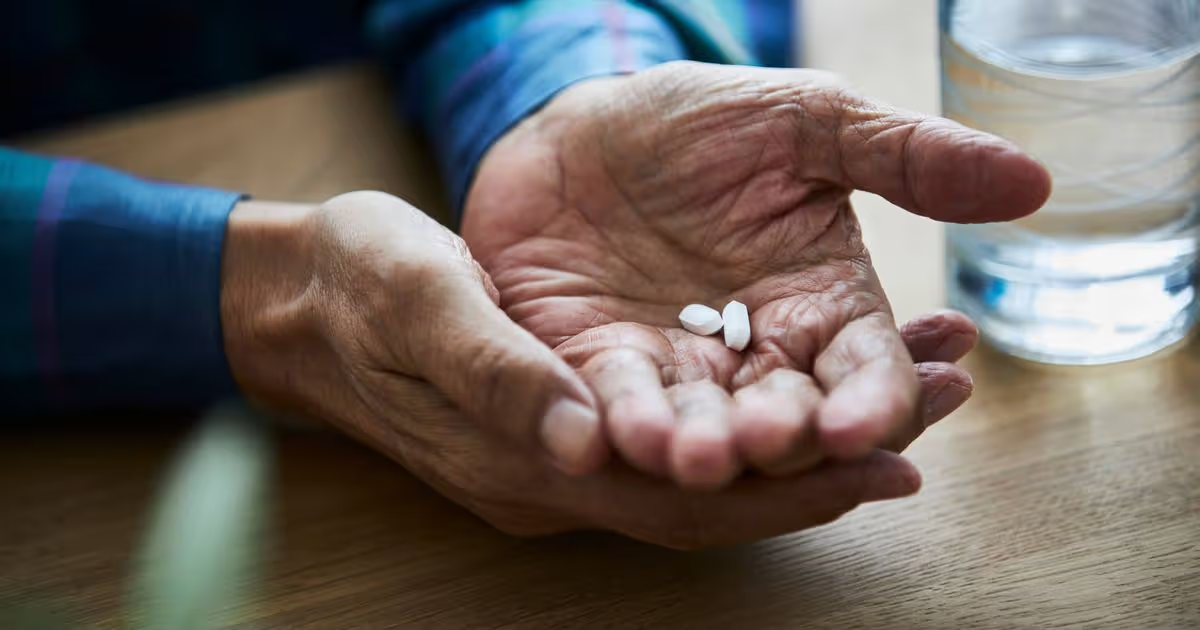
More than 24.4 million sertraline prescriptions were dispensed in England in 2024, making it the most commonly used antidepressant – but patients should be aware of a rare but serious side effect
Millions of people are prescribed sertraline every year. Latest figures show that in 2024 there were more than 24.4 million items of the drug dispensed in England, making it the most common antidepressant used to treat patients.
The medication is used to treat depression and other mental health conditions and is only available with a prescription. Beyond depression, it can also be prescribed for obsessive compulsive disorder (OCD), panic disorder, post-traumatic stress disorder (PTSD), and social anxiety disorder.
It is believed to work by boosting the level of serotonin (a brain chemical that regulates mood). When serotonin levels are balanced, you feel calmer and happier.
And while like most medicines it can have some side effects, the majority of these are mild. According to the NHS, not everyone will experience them.
However, it adds that if you do, they should clear quickly, saying: “Most side effects should ease after a couple of weeks as your body gets used to the medicine, but some can last longer.”
And there are some which are serious that warrant urgent medical help, reports the Mirror. One of these is a rare but potentially severe condition called serotonin syndrome.
This has five symptoms and if you spot them you should dial 111. These include a fast heartbeat, sweating, shaking, twitching muscles, and feeling confused or agitated.
Common side effects
There are several common side effects and they also come with a warning: “If you feel dizzy or drowsy after taking sertraline, do not drive, ride a bike or use machinery until you no longer have these symptoms.”
Other common side effects include:
- headaches
- feeling sick (nausea) and being sick (vomiting)
- dizziness or drowsiness
- dry mouth
- diarrhoea
- problems sleeping
- sexual problems, such as low sex drive (loss of libido)
- putting on weight
Serious side effects
The NHS explains: “Sertraline can sometimes cause more serious side effects, although most of them are rare.”
Possible serious side effects of sertraline include:
- an allergic reaction (anaphylaxis) – causing symptoms such as a swollen throat or tongue, a raised, itchy rash and difficulty breathing
- serotonin syndrome – a rare but serious condition that causes a fast heartbeat, sweating, shaking, twitching muscles and feeling confused or agitated
- feeling very low and having suicidal thoughts
It advises you should call NHS 111 if:
- you’re taking sertraline and think you might be having serious side effects
- you’re having thoughts about harming yourself
What is serotonin syndrome
According to the Mayo Clinic, serotonin syndrome is a serious drug reaction which is caused by medications that build up high levels of serotonin in the body. Serotonin is a chemical that the body produces naturally, which it needs for the nerve cells and brain to function.
But too much serotonin causes signs and symptoms that can range from mild (shivering and diarrhoea) to severe (muscle rigidity, fever and seizures). Severe serotonin syndrome can cause death if not treated.
Serotonin syndrome can occur when you increase the dose of certain medications or start taking a new drug. It’s most often caused by combining medications that contain serotonin, such as a migraine medication and an antidepressant.
Some illicit drugs and dietary supplements are associated with serotonin syndrome. Milder forms of serotonin syndrome may go away within a day or two of stopping the medications that cause symptoms and, sometimes, after taking drugs that block serotonin.
Other potential issues
“There are some medicines, remedies and supplements that may not mix well with sertraline,” cautions the NHS.
This includes certain types of:
- anticoagulants, such as warfarin and apixaban
- non-steroidal anti-inflammatory drugs (NSAIDs), such as aspirin and ibuprofen
- antidepressants called monoamine oxidase inhibitors (MAOIs), such as moclobemide and selegiline
The NHS further advises: “You should also not use the herbal supplement St John’s wort when taking sertraline. Do not drink grapefruit juice while taking sertraline. It’s also best to avoid drinking alcohol while taking sertraline because it can stop the medicine working properly.”















































You must be logged in to post a comment Login