NewsBeat
David Attenborough reveals he was interrogated by Rwandan police after filming iconic gorilla documentary

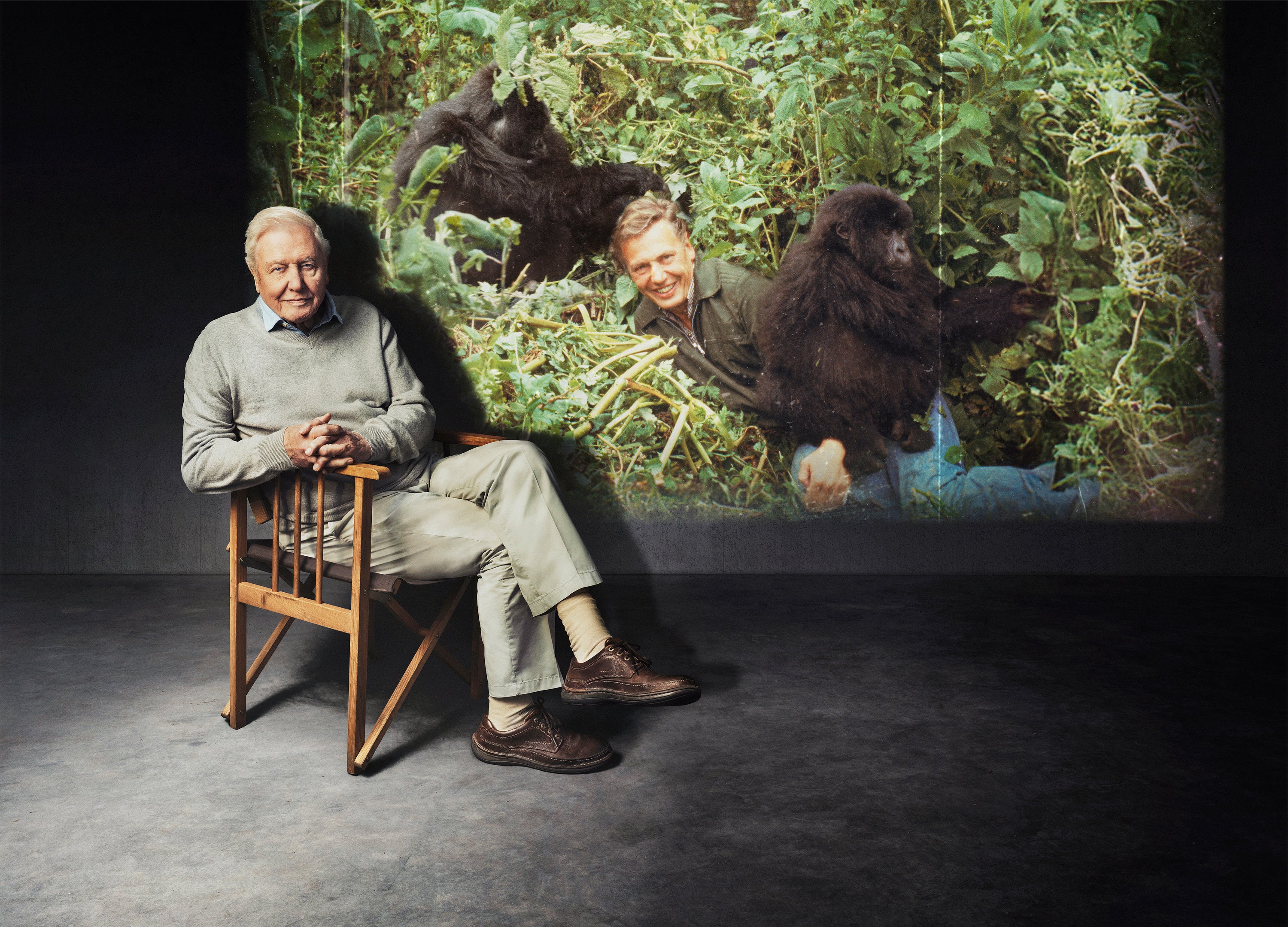
Sir David Attenborough captured an extraordinary moment in nature television back in 1978 when a young gorilla climbed on top of him in the Rwandan jungle. However, the TV presenter has revealed that the footage almost never made it out of Africa – with his crew being stopped and interrogated by local police.
Attenborough looks back on his stellar career in a new BBC documentary ahead of his 100th birthday on 8 May, with Making Life of Earth: Attenborough’s Greatest Adventure revisiting the award-winning 1979 docuseries.
Reading from his diaries in the special, Attenborough reveals that the production crew had “no idea” that they were going to capture the now-iconic gorilla moment in Rwanda – “or how close we would come to losing everything”.

While heading back to the airport, the crew was stopped by a group of army soldiers, who began firing guns over their heads.
“I thought: ‘What’s happening?’” Attenborough told the documentary. “And we turned round the corner and there was an armed guard.
“We were taken to police headquarters and interrogated as to what we’d been doing,” he tells the documentary. “We’d got all the permissions that were needed so it was absolutely ok.
“Martin Saunders, the cameraman, was realising what was happening and realising too that there was a danger that the film we had shot, with which we were obviously thrilled to death about, was going to be confiscated.”
Acting quickly, Saunders swapped the labels on the film cans to make it appear as if those containing the gorilla footage hadn’t been used.
They were held in a hotel overnight, with Attenborough and Saunders being taken to an army compound the next morning. “David and I told to stand in the middle of this compound in the sun. We weren’t even allowed to go into the shade,” Saunders told the documentary. “I thought, ‘I don’t know. They’re going to put us against the wall and shoot us or something.’ At this stage, we just couldn’t understand what the problem was.”


Watch Apple TV+ free for 7 day
New subscribers only. £9.99/mo. after free trial. Plan auto-renews until cancelled.
ADVERTISEMENT. If you sign up to this service we will earn commission. This revenue helps to fund journalism across The Independent.
Watch Apple TV+ free for 7 day
New subscribers only. £9.99/mo. after free trial. Plan auto-renews until cancelled.
ADVERTISEMENT. If you sign up to this service we will earn commission. This revenue helps to fund journalism across The Independent.

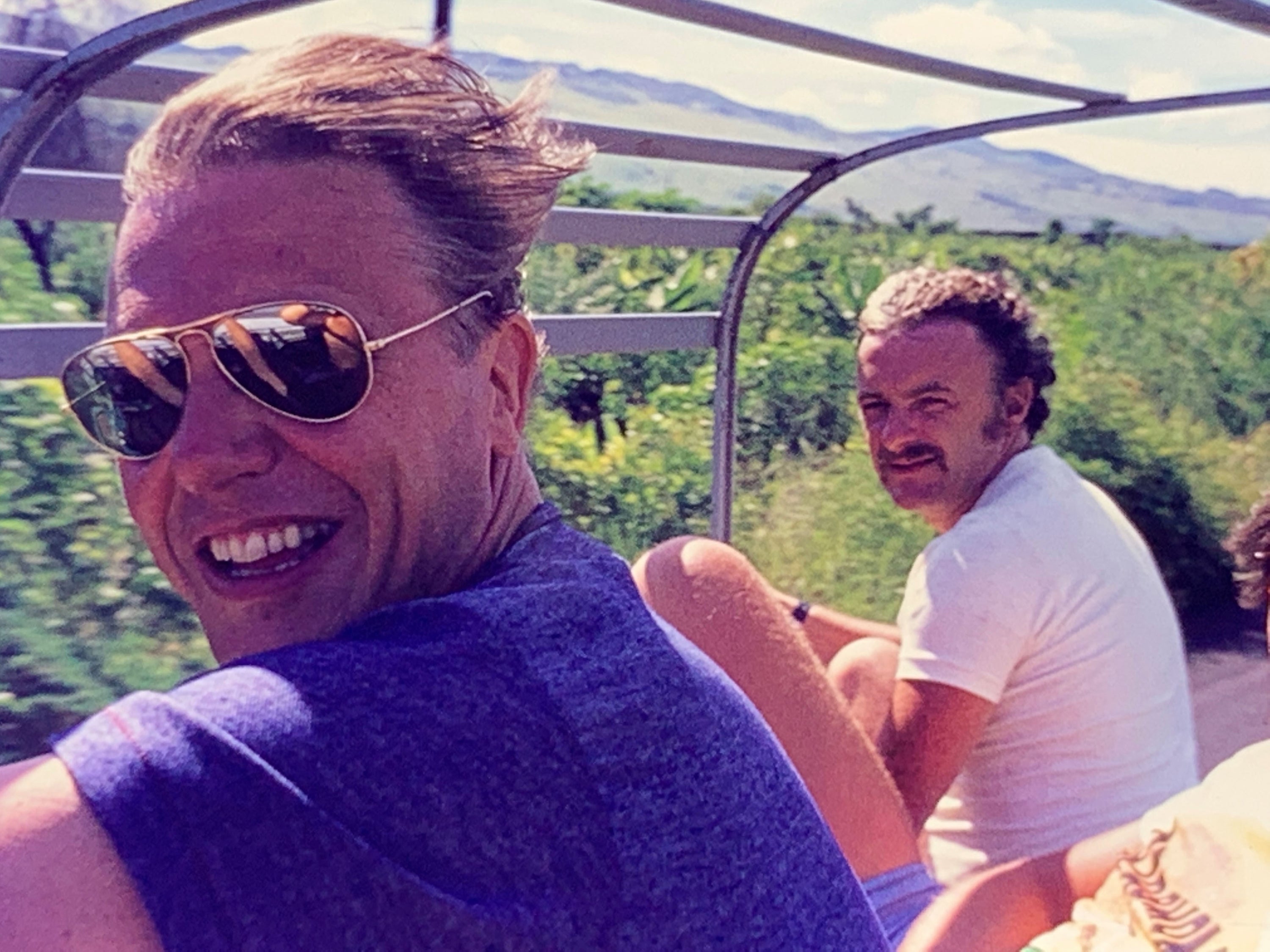
They were finally let go and allowed to fly back to the UK.
In Life on Earth, Attenborough and his crew join Dian Fossey, a primatologist who spent years living alongside and studying gorillas, in the Virunga mountains.
While he originally filmed the sequence to talk about the importance of the thumb and forefinger, Attenborough ended up among the silverbacks.
“I turned to look back at the camera, I felt a weight on my feet and I looked down, and there was little Pablo,” Attenborough told Netflix’s David Attenborough: A Gorilla Story earlier in April.
“I couldn’t talk about the evolution of the thumb and forefinger, I just sit back and let it happen. Look at this lovely little creature. Absolutely engaging, you want to hug him. Just sheer bliss, really. Many people would think it was the most important sequence in that series, if not in my filmed life.”
Making Life on Earth: Attenborough ‘s Greatest Adventure airs on Sunday 3 May at 8pm on BBC One
You must be logged in to post a comment Login