NewsBeat
DNA study challenges key assumption about Viking burials

A new DNA study has completely upturned a long-held assumption that people buried together in Scandinavia’s Viking-age graves must be related to each other.
Across the region there are many examples of graves from the late Viking and Middle Age in which an adult and a child are laid side by side. For generations, archaeologists reasoned such burials were evidence of a parent and child laid to rest together.
But a new analysis of human DNA from the ruins of an ancient Scandinavian church shows that this familiar picture may often be wrong.
The analysis of genetic material from 142 people revealed that close relatives rarely shared the same grave. The analysis included DNA of some 60 children and adolescents whose remains were found in shared graves at Västerhus in Jämtland, Sigtuna near Stockholm, and Fjälkinge in Skåne.
Researchers concluded that joint burial was likely driven by factors other than familial relationships, such as religious customs, social connections, community membership or circumstances surrounding death.

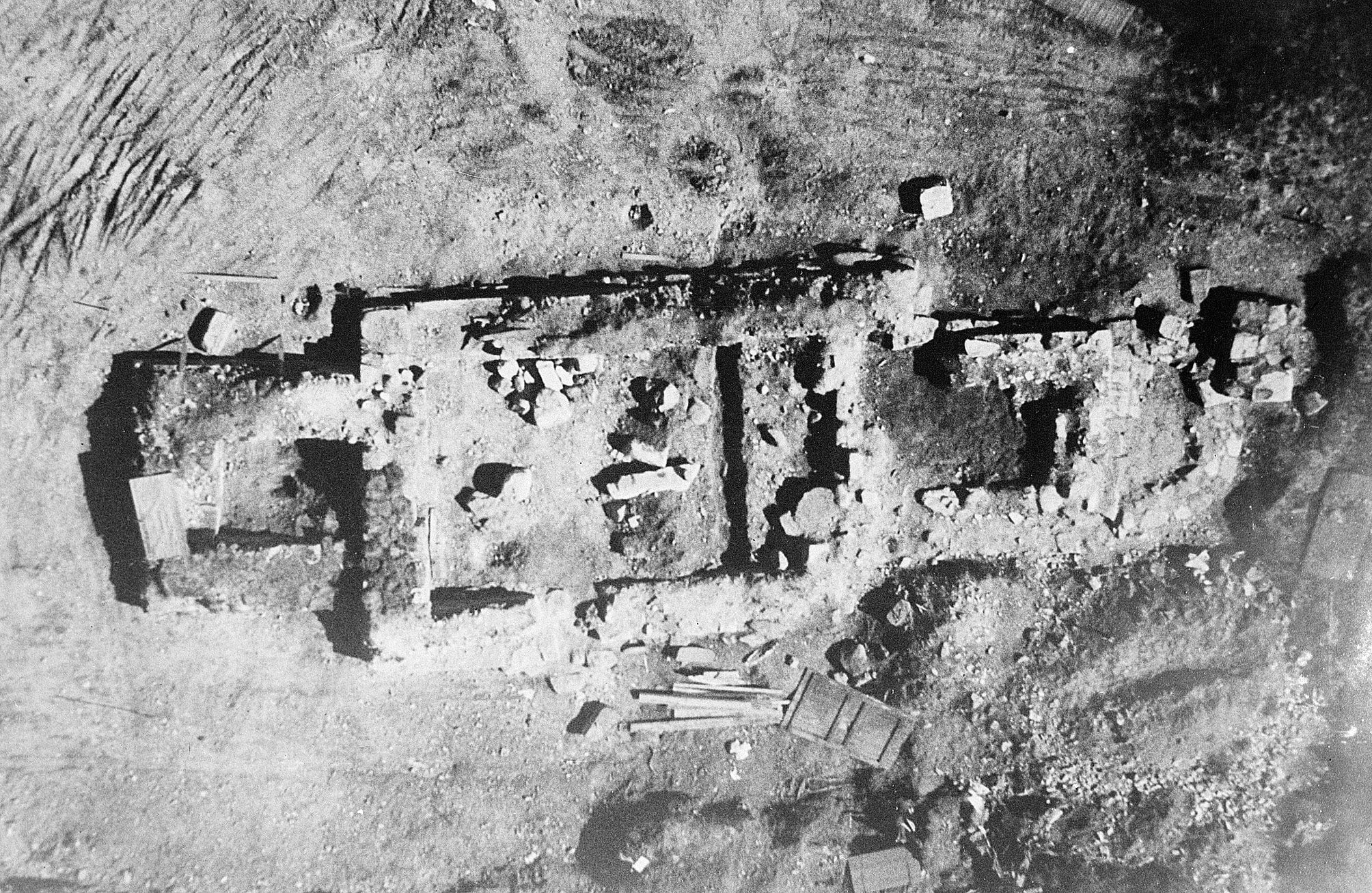
“We often assumed that adults and children sharing a grave were parents and children or other close family members. In most cases, that was not what we found,” Maja Krzewińska, an author of the study published in the journal Science Advances, said.
“Archaeologists have debated the relationships between people buried together in this type of grave for a long time,” Anna Kjellström, another author of the study, said. “Ancient DNA has finally given us the tool we have been waiting for to test these interpretations directly.”

The study also revealed that boys and girls were commonly treated according to the same cemetery practices as men and women.
Men and women were generally placed on separate sides of the churchyard. Boys were buried on the male side and girls according to the pattern established for women.
This suggests that these communities in Västerhus recognised gender distinctions early in childhood rather than placing all young people into a separate social category.
“The children weren’t treated as a separate category,” Anders Götherström, a study co-author from Stockholm University, said. “In death, they appear to have been treated according to the same social and religious principles as adult men and women.”

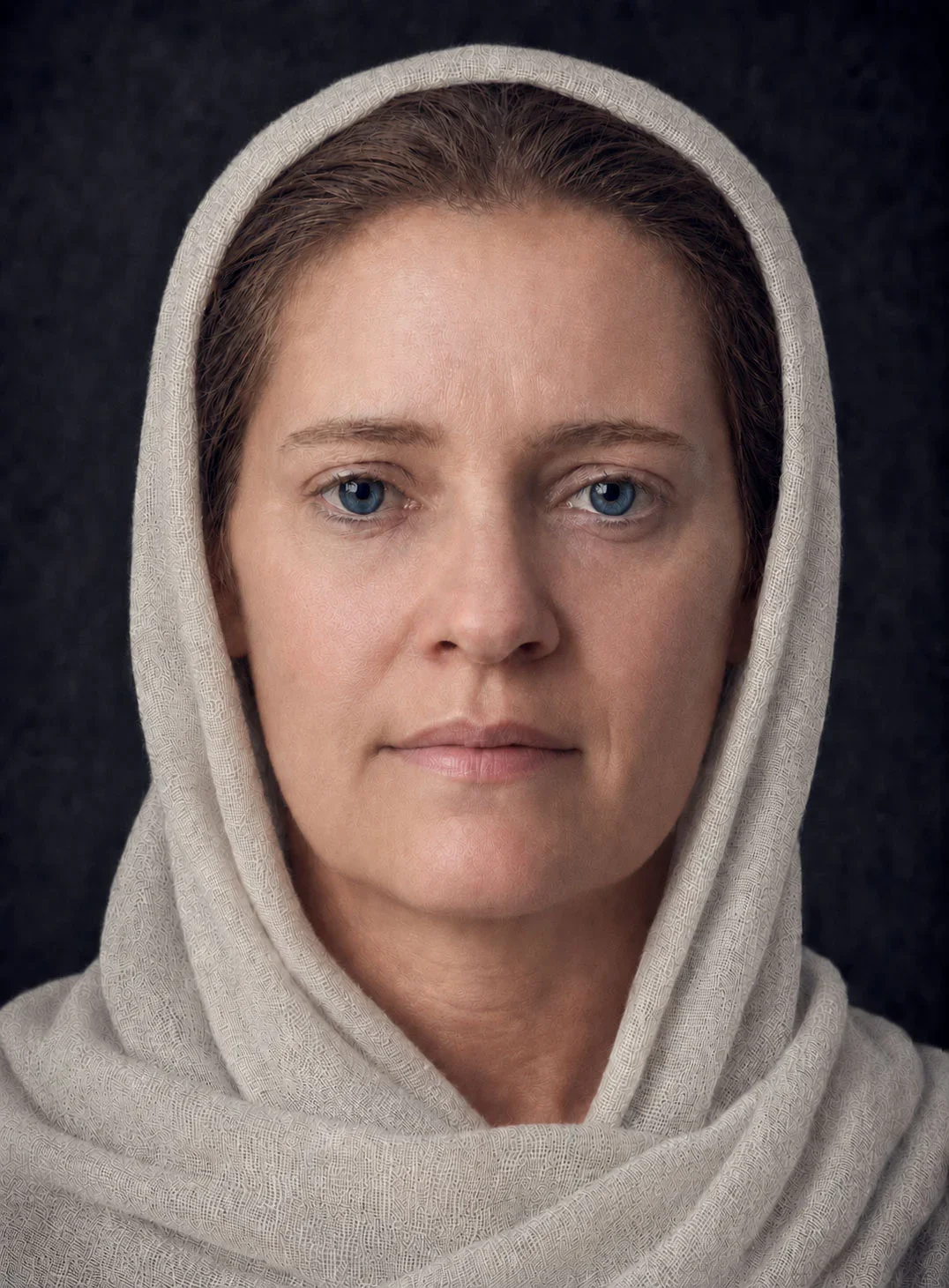
One woman buried at Västerhus stood out for her genetic connection to several other people in the churchyard, allowing researchers to reconstruct part of her family that lived centuries ago.
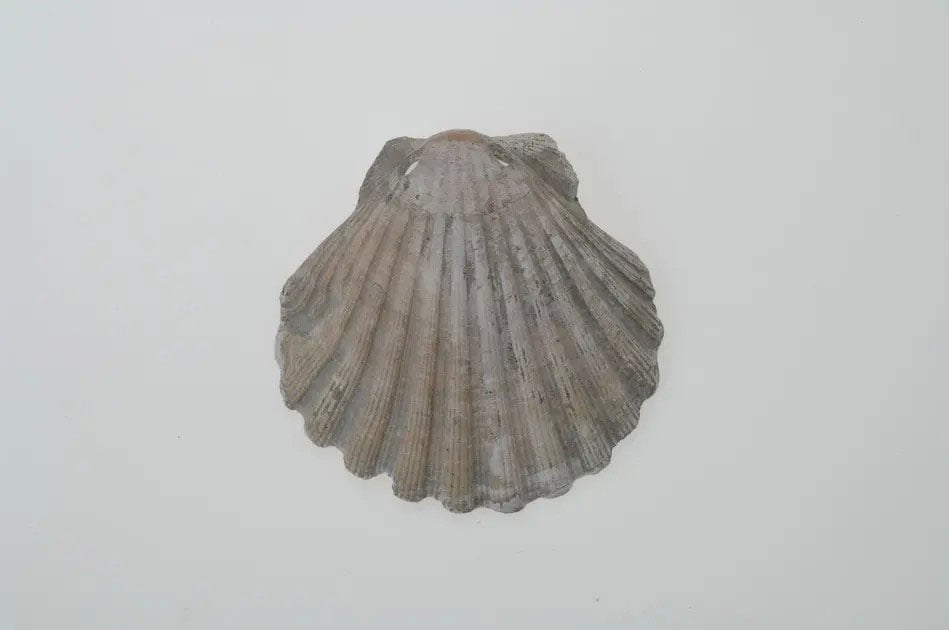
Archaeologists found a scallop shell in her grave, an unusual object in a medieval Scandinavian burial. The shell was a symbol of pilgrimage to Santiago de Compostela in northwestern Spain.
This woman, identified as Lady 56, likely performed one of medieval Europe’s most important religious pilgrimages that required her to travel thousands of miles before returning to Scandinavia, researchers said.
You must be logged in to post a comment Login