The Department for Work and Pensions (DWP) is in the final stages of moving claimants from older so-called ‘legacy’ benefits onto Universal Credit
Linda Howard Money and Consumer Writer and Ashlea Hickin Content editor
20:20, 11 Mar 2026
Two long-standing benefits administered by the Department for Work and Pensions (DWP) will cease on March 31 as the UK Government finalises the last phase of transitioning claimants from older ‘legacy’ benefits to Universal Credit.
Income Support and income-based Jobseeker’s Allowance (JSA) are being phased out as part of the ongoing ‘Managed Migration’ programme, which aims to transition individuals from older benefits to the newer Universal Credit system.
The DWP has already dispatched over 1.8 million Migration Notices to claimants who need to switch benefits as the programme nears its conclusion. It is anticipated that most people affected by these changes will have completed their move to Universal Credit by the end of March 2026.
Advertisement
Under the managed migration process, claimants who receive a Migration Notice are required to apply for Universal Credit within a specified deadline. Those who fail to submit a claim in time could see their existing benefits halted.
The transition of individuals receiving Income Support and income-based JSA is nearly complete, according to the DWP. These two benefits will officially terminate at the end of March as the government continues its broader reform of the welfare system, reports the Daily Record.
However, ministers have agreed to a brief extension for some cases involving Employment and Support Allowance (ESA). The Department states that many ESA claims are more complex and necessitate additional support to ensure people transition safely to Universal Credit.
Universal Credit is progressively replacing six legacy benefits, including Income Support, income-based Jobseeker’s Allowance, income-related Employment and Support Allowance, Housing Benefit, Child Tax Credit and Working Tax Credit.
Advertisement
The UK Government states the new system is designed to simplify the benefits system by combining several payments into a single monthly payment.
The managed migration process has been operating for several years and involves contacting claimants directly when it is their turn to move onto Universal Credit. The DWP sends letters explaining what action people need to take and provides support for those who need help with the application process.
Officials state that ensuring claimants move safely to the new system remains a priority as the programme nears completion.
Claimants who are uncertain whether they will need to move to Universal Credit can check their circumstances through official guidance on GOV.UK or wait to receive a Migration Notice from the DWP.
Advertisement
The UK Government has stated it remains committed to completing the migration programme in the coming months as the final legacy benefits are phased out.
Claimants who receive a Migration Notice from the DWP must apply for Universal Credit by the deadline stated in the letter. If they do not make a claim in time, their existing benefit payments could stop.
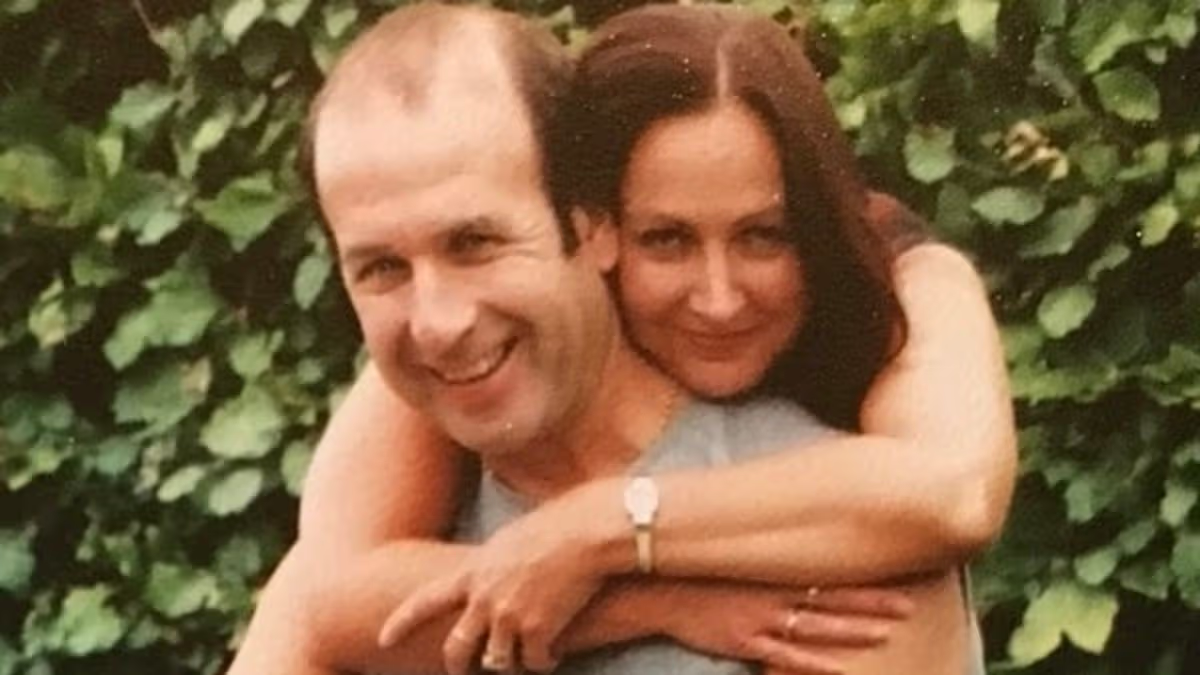
The daughters of a couple who both died of pancreatic cancer are sharing their parents’ story to help others in “knowing what different symptoms to look out for” when it comes to the “deadliest common cancer”. Rebekah Stubbs, 44, a former primary school teacher, and Laura Smith, 36, a nurse, said their mother Susan Smith died of pancreatic cancer in February 2012, while their father Richard Smith died of the same disease in October 2023.
According to Pancreatic Cancer UK, roughly 50% of people diagnosed with pancreatic cancer die within three months, which is something Rebekah and Laura said they have witnessed first-hand after their mother and father died within six months and three months, respectively.
Rebekah told PA Real Life: “Not only did mum die of it, but then dad did too. You couldn’t write it.” Laura added: “They weren’t smokers and they weren’t drinkers. They probably had a bit of whiskey every so often, but they went to a fitness club and looked after themselves.
Advertisement
“They didn’t have risk factors that you’d think ‘that could be why’. They were both health-conscious people, but yet both then developed pancreatic cancer.” Looking back on their relationship with their parents, Rebekah said they had a “really loving, close-knit family” and her mother was her “best friend”, while Laura said they were “supportive with anything that we wanted to do”.
The daughters noticed a change in their mother around the summer of 2011, when Rebekah said Susan “kept swallowing like she’d got something stuck in the back of her throat” and was “really thirsty” all the time, while Laura added their mother was experiencing “acid reflux” and generally felt “not well in herself”.
Rebekah said Susan started going “backwards and forwards” to the doctor, who initially prescribed antacids that Laura added “didn’t seem to help”. Within weeks, Rebekah said Susan’s symptoms worsened, including “going to the loo” a lot with “tummy issues”, which her mother put down to irritable bowel syndrome, as well as difficulty eating, yellowing of the skin, and nausea.
Advertisement
Susan had an ultrasound and was formally diagnosed with pancreatic cancer in October 2011. Laura said: “Because mum was a nurse, I remember her looking in the mirror and thinking, ‘I look and I feel as if I’ve got something nasty going on’, (and) she was right.”
“They basically said that she’d got a tumour on the head of her pancreas and it had spread to the bile ducts, which was causing her to be yellow because they were blocked,” she added. Laura said her mother had surgery to fit a stent in either side of her bile ducts to try to stop the jaundice, then a “couple of rounds of chemotherapy” that made Susan “so poorly and unwell”.
By Christmas, Rebekah said Susan could not keep “anything down” and was struggling to “get on top of the pain medication”, which escalated significantly after she experienced bloating and swelling around her abdomen that she needed to have drained.
Advertisement
Laura said: “It was quite a sudden death. She had been sitting in bed and talking to us and been quite content. And then, unfortunately, she had a big seizure and passed away quite unexpectedly. Dad had actually gone to have a look around a hospice for mum. Then he returned and mum was no longer here. That must have been very difficult to understand what just happened,” she added.
After Susan died in February 2012, aged 55, Rebekah and Laura said they took on the responsibility of caring for their maternal grandmother who had dementia, and who died in February 2022. Within a year of losing their grandmother, Laura said her father started experiencing back pain on his right side, for which he saw a physiotherapist and tried to “go down the correct route of going to your GP”.
He had blood taken and, despite seeing a physiotherapist, Laura said his back pain was “getting progressively worse”.
After months of inaction from Richard’s doctors, Laura said she told her father that “we need to do something about it”, so she took him to A&E in July 2023 where they waited 12 hours to be seen. This is when a further blood test and scans confirmed Richard “had something going on with his liver”, which an endoscopic biopsy of his liver would later confirm was pancreatic cancer.
Advertisement
“So dad was then faced with going through everything that his wife did,” Laura said, after Richard’s diagnosis in July 2023. “And then knowing what may lie ahead.”
Laura said their father had pancreatic enzyme replacement therapy, which helped him digest food, and was due to start palliative chemotherapy. But by the end of August, Richard was driving his van when he had an accident after what doctors initially believed to be a stroke, which was later revealed to be cancer metastasising in his brain.
After this incident, Rebekah said: “His personality wasn’t even the same. He seemed to lose his mobility. He was really weak too. He couldn’t even put his Pin in his mobile phone.”
Advertisement
Laura added that her father’s decline was “so much quicker” than her mother’s because it had spread to his brain, meaning treatment options were “really limited”. She said it also meant he became “aggressive and challenging”, remarking that “he’d never been like that before”.
Richard died in October 2023, aged 70, just three months after his diagnosis. In the aftermath of Richard’s death, Rebekah said she wanted to do something to raise awareness about pancreatic cancer, so she wrote to Pancreatic Cancer UK to tell them about her family’s story.
Rebekah said: “I suppose it’s part of my grieving process.” On why it is important for her to share their parents’ stories, Rebekah explained: “Misdiagnoses, awareness, quicker pathways (to diagnosis), and knowing what different symptoms to look out for.”
Advertisement
According to the NHS, the main symptoms of pancreatic cancer are yellowing of the skin or eyes, itchy skin, change in toilet habits, loss of appetite, losing weight without trying to, fatigue, a high temperature, nausea and indigestion.
The sisters said they felt encouraged by Pancreatic Cancer UK’s announcement last year that the charity is funding a world-first new clinical study that could detect pancreatic cancer through a breath test.
Laura said: “Hopefully, that’ll be successful. It’s a quicker route (to diagnosis) than surgery and that’s got to be positive.”
She added: “In terms of our circumstances, I think it’s certainly unusual to have both parents diagnosed with pancreatic cancer. They’re not related. They’ve got different genetics. It’s hard and really tough that neither one of them survived.”
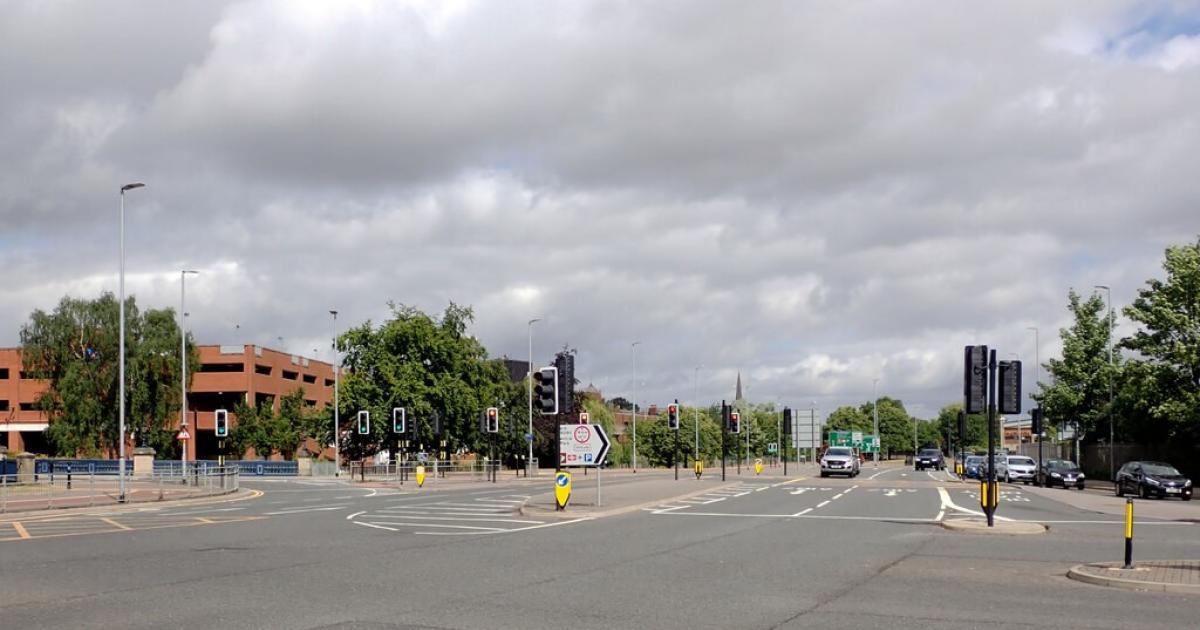
Kazie Lee’s Audi struck the back of the victim’s Suzuki Ignis, which had only reached about 15-mph after the lights changed to green on St Cuthbert’s Way, Darlington, late on June 3, 2023.
Teesside Crown Court was told the Suzuki was briefly thrown into the air and came to rest in the next lane, with the victim, who was travelling home from work, thrust into the rear of her car.
She was later to say she saw two bright lights approaching in her rear-view mirror just before the collision, which left her car a write-off.
Advertisement
Despite suffering great pain, she managed to clamber back into the driver’s seat to try to alight the car.
A witness, who went to her aid, said he saw the defendant’s car travelling at about 30mph and making no attempt to brake or stop before the collision.
Lee told police his brakes had failed.
He also tested positive for cocaine in his system in a roadside test, but at a level less than the legal limit for driving.
Advertisement
The 30-year-old, of Oak Tree Road in Stokesley, was initially charged with causing serious injury by dangerous driving and pleaded not guilty on the basis his brakes failed and that he was not driving at excessive speed.
Once it was established it was not a brake failure, his guilty plea to the slightly lesser charge of causing serious injury by careless driving was accepted by the prosecution several months later.
The victim, who recalled the defendant asking how she was, said she had no recollection of the incident after that.
She was left in great pain with a broken wrist and needed a metal plate and pins inserted.
Advertisement
She also suffered whiplash and other cuts and bruises.
In two impact statements read to the court she outlined the effect the injury had on her with the loss of mobility in the short-term, but also mentally in the longer term.
She said she was nervous about driving again and when she did, she would not use St Cuthbert’s Way for some time after the accident and, also, avoided other busy higher-speed roads, preferring quieter back roads.
In her most recent updated statement, she said she does not yet have full-strength back in her wrist, despite having undergone physiotherapy, and it had affected her work, at first through sickness leave, and then due to a reduction in her duties, affecting her financially.
Advertisement
Paul Abrahams, for Lee, said this was his first conviction.
Mr Abrahams said: “He acknowledges the impact it’s had on her life.
“I can only apologise on behalf of the defendant.”
Mr Abrahams added that Lee, who has some mental health issues of his own, has been out of work but hopes to regain employment.
Advertisement
Judge Amanda Rippon said the witness described the defendant appearing to make no effort to swerve or brake before his Audi hit the back of the Suzuki.
“I could tell by your reaction in court that you are ashamed of what you have done.
“The impact on the victim has been substantial, mentally, physically and financially.
“There’s nothing I can do to put her back to where she was before you hit her car.
Advertisement
“I accept you didn’t intent to cause the damage or injuries that you did.
“You have said the harm inflicted has had a profound effect on you and you think about it every day.”
The judge accepted a probation assessment that the defendant poses a low risk of re-offending or causing further harm.
She, therefore, imposed a 12-month prison sentence suspended for two years, during which Lee must attend five rehabilitation activity sessions and perform 100 hours’ unpaid work.
Advertisement
Judge Rippon also imposed a 12-month driving disqualification on the defendant.
He must pass an extended re-test to lawfully drive in future.
Judge Rippon told Lee: “I have given you a chance today.
“If you don’t take it, there isn’t a second one.”
Advertisement
The judge added that the victim strikes her as a woman with, “inordinate mental strength”.
A study has been launched to examine potential mass rapid transit options
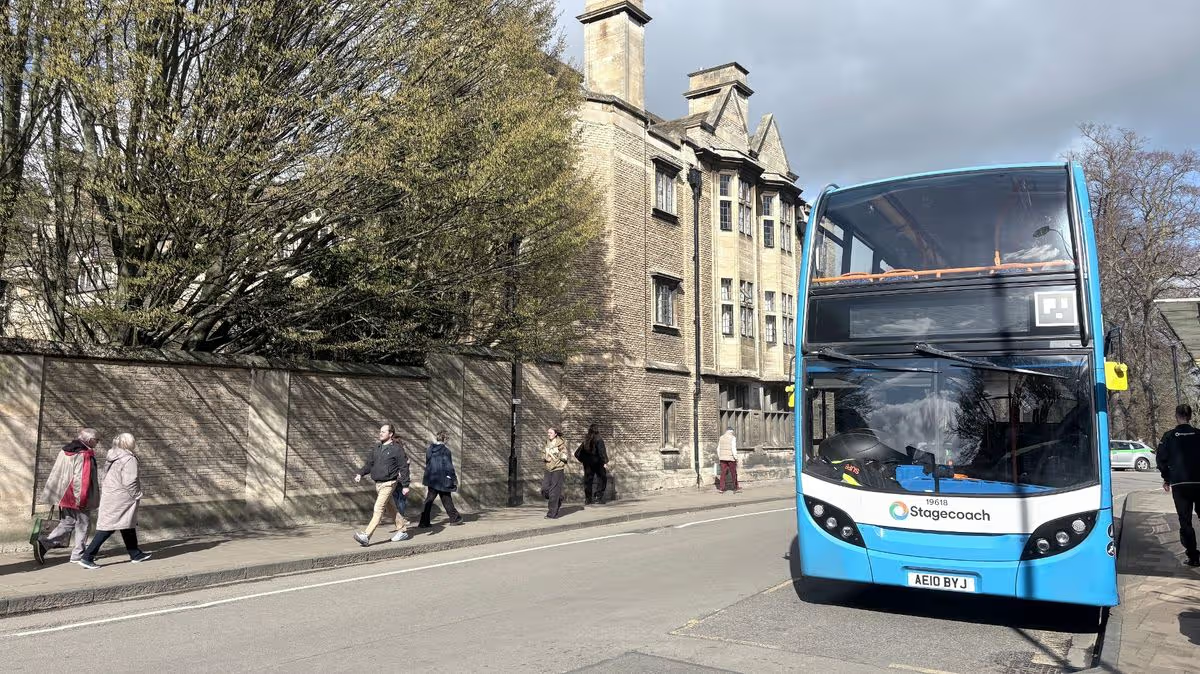
Locals and commuters have said that the tram and light rail transport options that could be considered for Cambridge would “cause chaos” while others said it could “help waiting times”. A study has been launched to examine potential mass rapid transit options to support future growth in the city including tram and light rail.
Advertisement
Cambridge Growth Company (CGC) and Cambridgeshire and Peterborough Combined Authority (CPCA), have launched the preparation of a Project level Strategic Outline Business Case for a potential Mass Rapid Transit (MRT) system in the city. The study is to investigate creating fast, and reliable public transport like trams to reduce traffic congestion and connect key areas.
The new commission will include identifying and appraising a longlist of transport options, from lower scale interventions to full MRT model possibilities, including tram, light rail, bus rapid transit, and automated systems.
This has been commissioned by the Department for Transport, the Ministry of Housing, Communities and Local Government, and the HM Treasure.
We spoke to some locals and commuters in Cambridge about their opinions on the transport options to be considered.
Advertisement
Vera Mmeni, who was in Cambridge for work, said trams in Cambridge could help with waiting times for commuters.
Ben Negus, 42, has lived in Cambridge for more than eight years. He said that adding trams to the city “may be pushing it a bit”. He thinks that the buses and Park & Ride routes are effective but “Cambridge wouldn’t suit” adding further transport options like trams.
Ben highlighted the “unique style” of the city as well as the busyness so he could see both sides to the matter.
Others were not so keen on the transport options to be considered in the city. A 62-year-old who wished to remain anonymous said that trams or light rail transport would “cause chaos”.
Advertisement
She continued: “It is bad enough with the traffic nowadays, what is it going to be like if they plan to put trams in?”
The 62-year-old believes that in comparison with London, the roads are smaller and narrow and the city doesn’t have the space that other big cities have.
Marcus Arnold, 55, from Cottenham likes the idea because he believes it will attract tourists. He added: “I like the idea of trams, it would go together well with Cambridge. They have a long way to go for that one. What a beautiful idea.”
Tony Johnson, who lives in Cambridge said that “it would create more chaos and I don’t see the point.” Tony chooses to walk through the city to save money. He said that the busways work, however he doesn’t believe that other mass rapid transit options like trams and light rail would be effective.
The trail, at RHS Garden Harlow Carr, will challenge families to solve a mystery involving the Easter Bunny and a missing batch of Easter eggs.
Families can take part from March 28 to April 19.
The storyline involves all the Easter Bunny’s egg baskets being found empty, with a single carrot left behind, hinting at something “far more mischievous”.
Families can take part in the trail from March 28 to April 19 (Image: RHS Garden Harlow Carr)
Eight curious characters were spotted near the scene of the crime, with children tasked to piece together the clue.
Advertisement
For £3, children get a detective activity pack, which includes various age-appropriate puzzle-solving challenges.
The trail not only promises an engaging day out but also offers a chocolate prize for successful detectives.
The Wind in the Willows Garden Adventure is also open for exploration.
Entry to RHS Garden Harlow Carr is free for RHS members and children under five.
OLIVER Cromwell famously told the artist Samuel Cooper, to paint him “warts and all”, meaning to paint him comprehensively, honest and unfurnished to cover both good and bad.
Following his defeat at Bosworth Richard III fell foul to Tudor propaganda making him out a hunchback (now known as scoliosis), tyrannical, a child murderer (princes in the Tower ) and yet in his shorts rule of 777 days he was known as an enlightened ruler.
Yes (Prince) Andrew (Duke of York) has reached the height of admiration, during the Falklands War, and the lowest of lows during the Epstein scandal – but let history paint him “warts and all”.
Advertisement
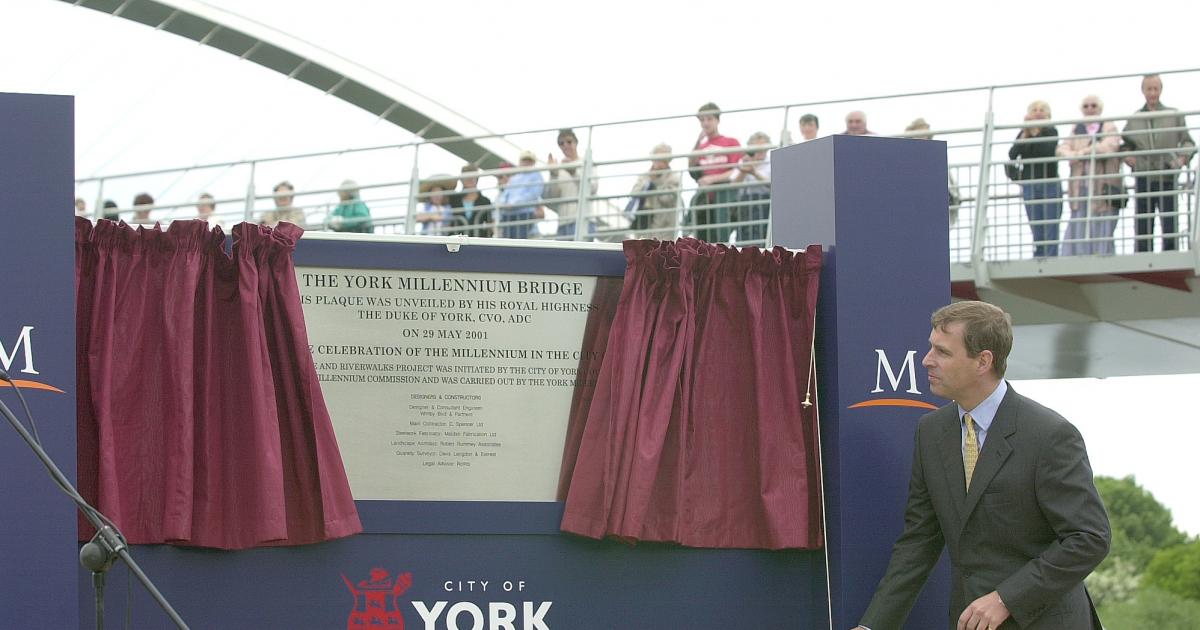
Regarding the removal of the plaque from the Millennium Bridge and the commemorating stone in York Minster recognising the restoration work on the Minster – are they to be thrown into the dustbin of history?
Leave the plaques and let history decide what type of individual Andrew was.
D M Deamer,
Penleys Grove Street,
Advertisement
Monkgate,
York
… HISTORY doesn’t change, only people’s perception of it.
Rather than remove the commemoration stone in the Minster just add “The then” before HRH. This would preserve the reality.
Advertisement
R I Shenton,
Connaught Way,
York
—
Advertisement
Will heads roll over Gateway overspend? Probably not…
IT is not unusual for public works to overrun on costs, but City of York’s Council handling of the York Station Gateway Project must take the biscuit, currently £28.5m over budget, and not finished.
Will heads roll? Certainly not, it’s never anybody’s fault especially with council works.
Peter Rickaby,
Advertisement
Moat Way,
Brayton
… A 14-MONTH delay and staggering £28.5 million budget blowout tells us all we need to know about the nonsense spouted that high salaries in local government are essential to attract people of the highest calibre and to compete with the private sector.
In the real world of commerce, anyone responsible for the monumental delays and cost overruns of the Station Gateway project would be looking for another job.
Advertisement
Matthew Laverack,
Lord Mayors Walk,
York
What do you think?
Advertisement
Feel strongly about an issue? Write us a letter. Please write no more than 250 words and you must provide your full name, address and mobile number. Send your views by email to: letters@thepress.co.uk
And leave us a comment
Join the debate and leave a comment in the section below… we may use a selection in a follow-up story in The Press
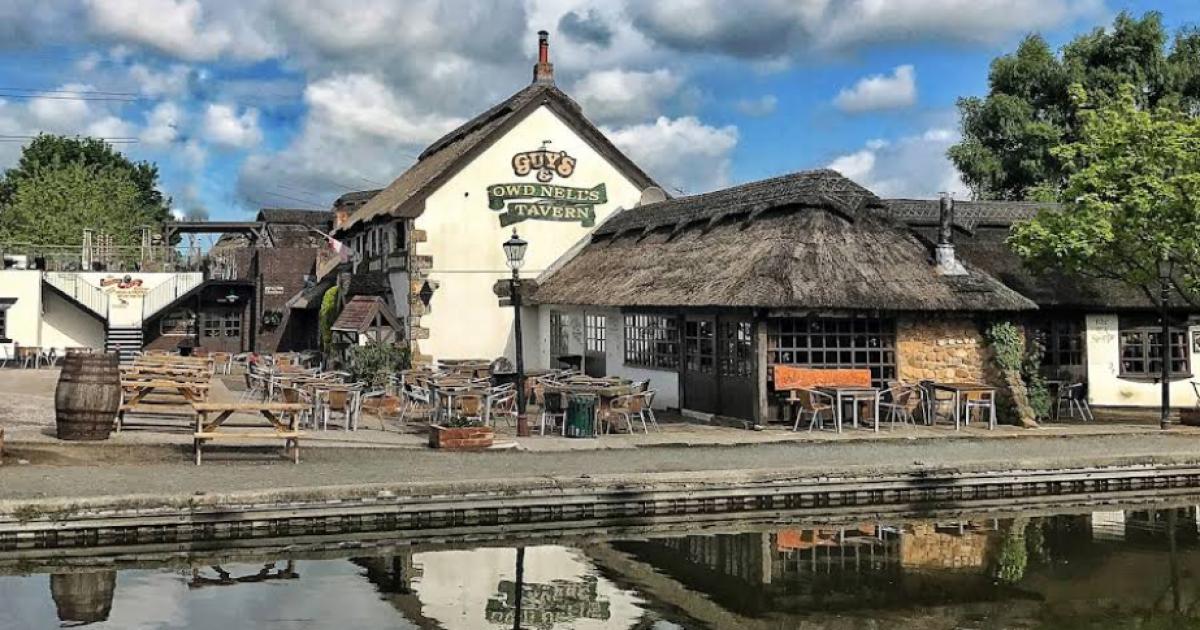
Bowland Inns & Hotels, the Ribble Valley-based hospitality group behind the James’ Places portfolio, has acquired Guy’s Thatched Hamlet in Bilsborrow, which includes Guy’s Eating Establishment and Lodgings and the canal-side Owd Nell’s Tavern.
The new owners issued their first statement since the purchase (Image: James’ Places)
James Warburton, owner of Bowland Inns & Hotels, said: “We are absolutely delighted to be able to now confirm the acquisition of The Thatched Hamlet at Bilsborrow.
“The Thatched Hamlet is so much more than a pub, restaurant and hotel – it is an iconic destination in its own right.
Advertisement
“It has been a fixture of the North West’s hospitality landscape for more than 40 years.
“You only have to read the social media posts, newspaper articles and comments following the recent surprise closure to see just how important and significant this place is to so many people.”
The company plans to reopen the site as quickly as possible and begin a major rolling refurbishment programme to restore the site to its former glory.
Mr Warburton said: “We aim to get the site working again as quickly as possible, it’s important for the buildings, for the staff, and it’s important for local suppliers too.
Advertisement
“The first job is a deep clean and then some back of house works to the cellars and the kitchens, all essential first investments to underpin everything else we plan to do.
“We will be investing in the outdoor areas first to try to make the best of the fabulous location and the equally fabulous summer that we surely have coming down the line, and then we’ll be working our way through the interiors room by room as the ebbs and flows of the weekday trade allows.”
Festival plans announced
Mr Warburton said the task ahead isn’t just about refurbishing the buildings; it’s about rebuilding the business side too.
For many years the Thatched Hamlet was synonymous with many annual events and festivals including the Oyster Festival, a four-day event based around the sea-bed delicacy that played host to the great and the good of Lancashire’s sporting, business and banking communities for light-hearted entertainment, networking and even a bit of deal-making.
Advertisement
“We’ll certainly be bringing a few of the bigger festivals back to life once we’ve got the day to day side sorted and we hope to bring a few new ideas to sit alongside the cricket pitch and the bowling green and really make the most of the fabulous setting and equally fabulous facilities.
“We also have plans and ideas to create a truly unique weddings and events space, able to host parties and celebrations of all sizes and all types.
“Watch this space, this will be a really exciting, and great addition to the six other award-winning Dream Venues by James’ Places.”
Bowland Inns & Hotels currently operates a range of inns, hotels, and events venues across the North West, including the multi-award-winning Bowland Brewery at Holmes Mill in Clitheroe.
The North York Moors National Park Authority (NYMNPA) stepped in to protect the John Cross Rigg prehistoric earthwork after last year’s wildfire left it dangerously exposed to erosion.
The blaze stripped away dense heather and root systems, exposing the peat and heritage features beneath.
Miles Johnson, head of historic environment for the NYMNPA, said: “For an archaeologist, it is remarkable to see the historic landscape of Fylingdales Moor revealed with such clarity, but that excitement is tempered by deep concern.
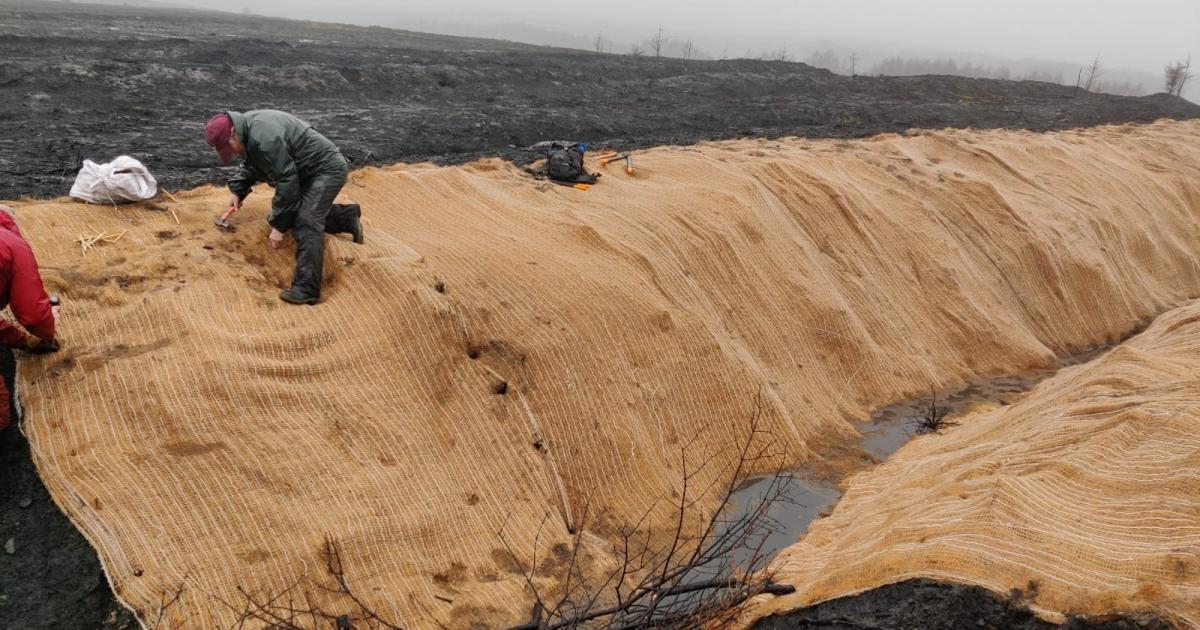
Coir Matting installed at John Cross Rigg (Image: NYMNPA)
“The very exposure that allows us to understand these features more fully is now putting them at risk.”
Advertisement
Without the vegetation that once held the ground together, heavy rain in the weeks following the fire caused significant soil wash-off.
This left areas of the earthwork unstable and at risk of further deterioration.
To stabilise the monument and prevent further loss, the authority has installed coir (coconut fibre) matting over the most damaged sections.
Mr Johnson said: “We are working closely with Historic England to deliver emergency solutions to stabilise the most vulnerable areas while the moorland begins its long recovery.
Advertisement
“Installing coir matting is an immediate measure to protect the most seriously damaged sections and prevent further irreversible loss.
A fire damaged Cross Ridge Dike (Image: NYMNPA)
“The wider environmental impacts are equally concerning.
“Without vegetation to anchor soils, heavy rain is washing away peat, degrading water quality and increasing flood risk downstream.
“Our work is about protecting archaeology, habitats and the wider landscape together.”
Advertisement
The biodegradable matting slows surface water runoff, helps stabilise the slopes, and gives vegetation a chance to re-establish.
The NYMNPA has been monitoring the wider moor for changes and is working with partners to support both immediate and long-term recovery.
Funding for the emergency work came from Historic England, the Environment Agency, and the North Yorkshire Combined Authority.
A draft three-year restoration plan is now in place to support the next phase of recovery.
Advertisement
This plan includes collaboration with the Yorkshire Peat Partnership to repair and restore peatland areas.
Key priorities will be reintroducing peat-forming species such as sphagnum moss and cotton grass, which are crucial for water retention, peat stabilisation, and the recovery of the wet heath ecosystem.
Other progress includes the installation of fencing to support the safe and controlled return of livestock grazing.
This is being supported through the DEFRA Farming in Protected Landscapes (FiPL) programme, which offers practical help for landowners, farmers, and graziers affected by the wildfire.
Advertisement
While the fire has made previously hidden archaeological features visible, the loss of vegetation has left them and the landscape exposed to the elements and at risk of long-term degradation.
Further updates on the restoration programme will be provided as work continues.
Press reporter Maxine Gordon reviewed the band in York last year and gave this verdict: “The set list was pitch-perfect, balancing the more energetic tracks (In France They Kiss on Main Street) with the heart-stoppers where vocalist Hattie Whitehead, like Mitchell before her, has the audience holding on to every word and vocal flight.”
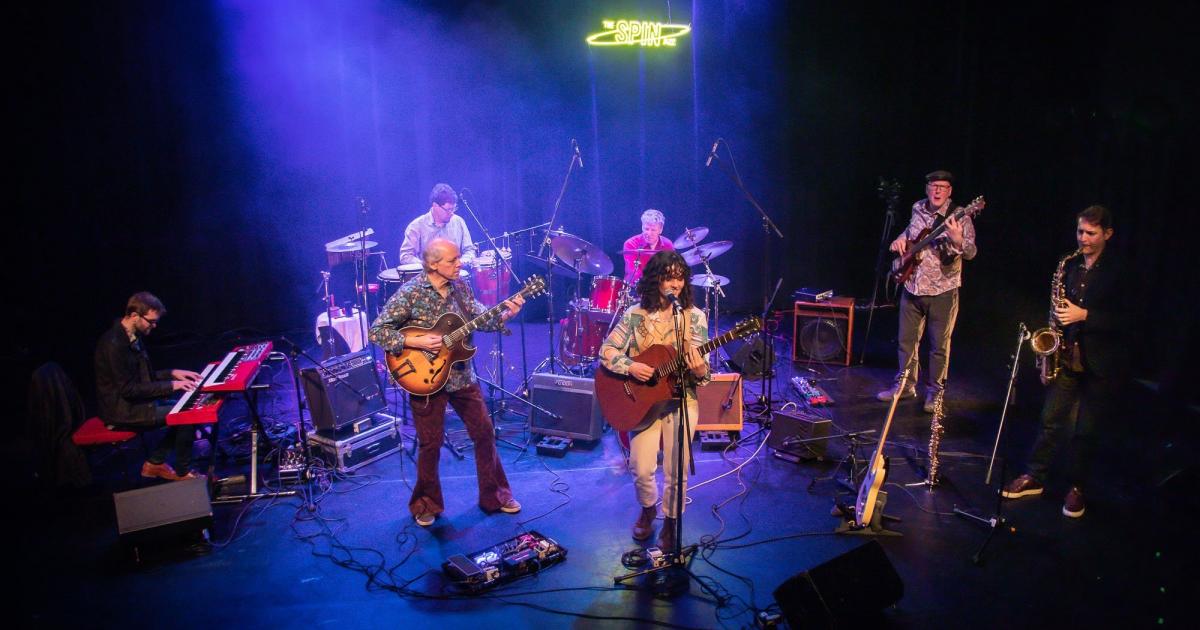
Pete Oxley, guitarist and bandleader of Hejira, said: “Hejira is a project that has rapidly blossomed from an initial ‘one-off gig’ into a highly successful touring band, set up to celebrate the music of Joni Mitchell.
“In particular, the band performs the masterpiece works that Mitchell captured on her live 1980 album, Shadows and Light.”
The name of the band comes from Mitchell’s eighth studio album of the same title, released half a century ago in 1976.
Advertisement
Hejira, 1976 album by Joni Mitchell.
Pete said: “We feel that there couldn’t be a better time for celebrating the major works of, arguably, the greatest singer-songwriter of the 20th century.”
Band members were not only accomplished jazz musicians, but also huge Mitchell fans, said Pete.
Hejira is fronted by vocalist Hattie Whitehead who also plays guitar with Mitchell’s stylistic mannerisms.
Hattie Whitehead of Hejira
The Guardian said of the band: “The UK’s best and most convincing take on Joni Mitchell.”
Advertisement
The band performs works from a range of Mitchell albums – expect to hear such classics as Amelia, Help Me, Hejira, Song For Sharon, A Case Of You, Free Man In Paris, Coyote, and the Hissing of Summer Lawns.
For the 2026 tour, Pete said some new songs were being added to the set list. “We definitely have new songs, including: You Dream Flat Tyres, Both Sides Now, Don’t Interrupt the Sorrow, and Yvette in English.”
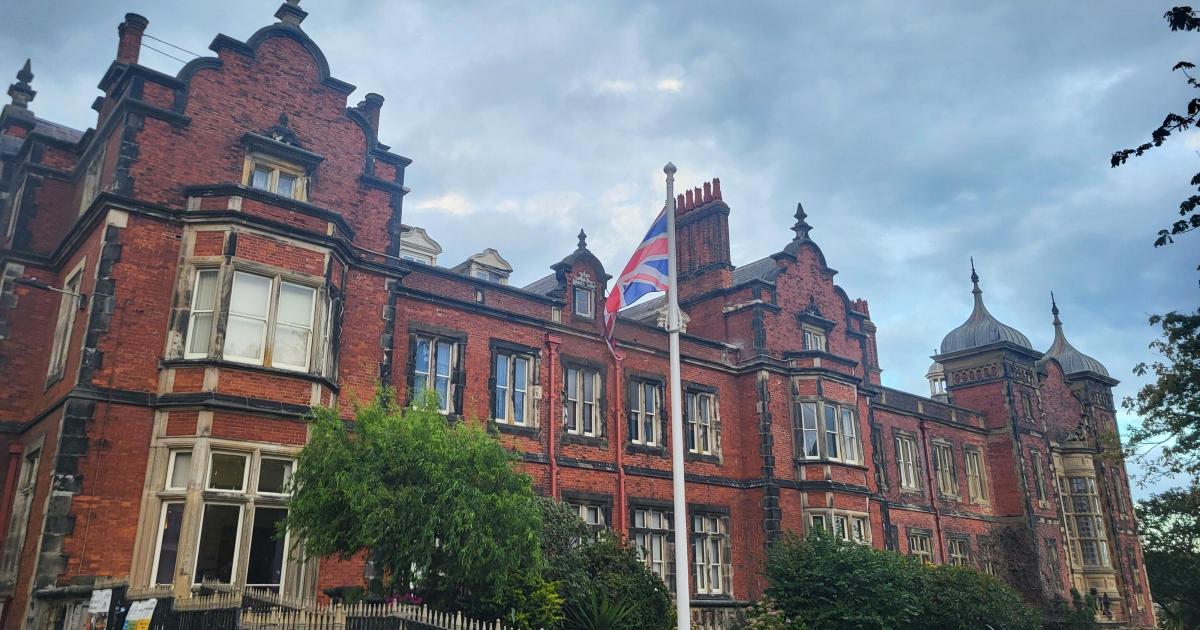
Scarborough Town Hall would be “very attractive for a quality commercial leisure development”, according to North Yorkshire Council, which is considering a move of coastal staff to a new site by the A64.
The authority’s executive committee has been asked to approve the purchase of Resolution House from Anglo American, which was marketing the property with a guide price of £4.5 million.
Councillors have said they are concerned about the potential economic impacts of the proposed move on town centre businesses, as well as on staff and the electorate’s access to decision-makers.
Advertisement
However, a report for NYC’s executive committee states that “releasing the Scarborough Town Hall site in particular has the potential to generate substantial economic benefit”.
“The site sits adjacent to the former Futurist site, and site assembly in South Bay will create an extensive development opportunity which links the town centre with the shore.
“The site is a prime location and will have unrivalled views, making it very attractive for a quality commercial leisure development. Indeed, there has been historic interest in this area from major national and regional operators,” states the report, which will be discussed at a meeting on Tuesday, March 17.
Scarborough’s Futurist Theatre was controversially demolished in 2018 following a long fight by campaigners to save the 1920s venue.
Advertisement
The now-defunct Scarborough Borough Council decided to demolish the building at a cost of £4m with proposals for a new leisure development. However, the site has been primarily occupied by a temporary 32-metre-high Ferris wheel.
The report acknowledges that Scarborough town centre contains a “number of high-profile, underutilised sites, many of which have remained vacant for extended periods, including those within the council’s ownership that fall within the scope of this report”.
It adds: “There is a risk that the town hall site could similarly become underutilised for a prolonged period, which would be unacceptable and must be avoided.
According to the council’s high-level assessment, refurbishing the entire town hall site to a “reasonable standard” is estimated to require an investment of £15 million to £19 million.
Advertisement
Council officers said that it is “essential that this development complements the wider regeneration of Scarborough, and it is recommended that a masterplan is developed to ensure that the South Bay development and other strategic town centre sites work together to reposition Scarborough town centre, addressing vacancy rates, the quality of the leisure and family offer and providing much-needed community facilities”.
The report concludes that to prevent “further long-term underutilisation, there is a clear need to progress masterplanning and redevelopment proposals at pace and to begin identifying potential development partner(s)”.
It adds: “It is therefore recommended that a provisional budget be made available to fund the costs associated with advancing these proposals, enabling redevelopment to be brought forward as quickly as possible.
“It is anticipated that the number of sites available for redevelopment within Scarborough, along with the inclusion of the town hall site, will provide sufficient scale to make the opportunity an attractive proposition for prospective development partners.”