NewsBeat
Eat capsules containing human faeces to reduce peanut allergies, study suggests

Swallowing capsules containing human faeces from someone with no food allergies could help people with peanut allergies become more tolerant to the nut, a new study has suggested.
The trial, conducted by researchers at Boston Children’s Hospital, is the first evidence that faecal transplants – transferring gut bacteria from faecal samples of healthy donors – can be used to treat allergies.
The findings will be a boost to peanut allergy sufferers, with around two per cent of children in the UK believed to be affected.
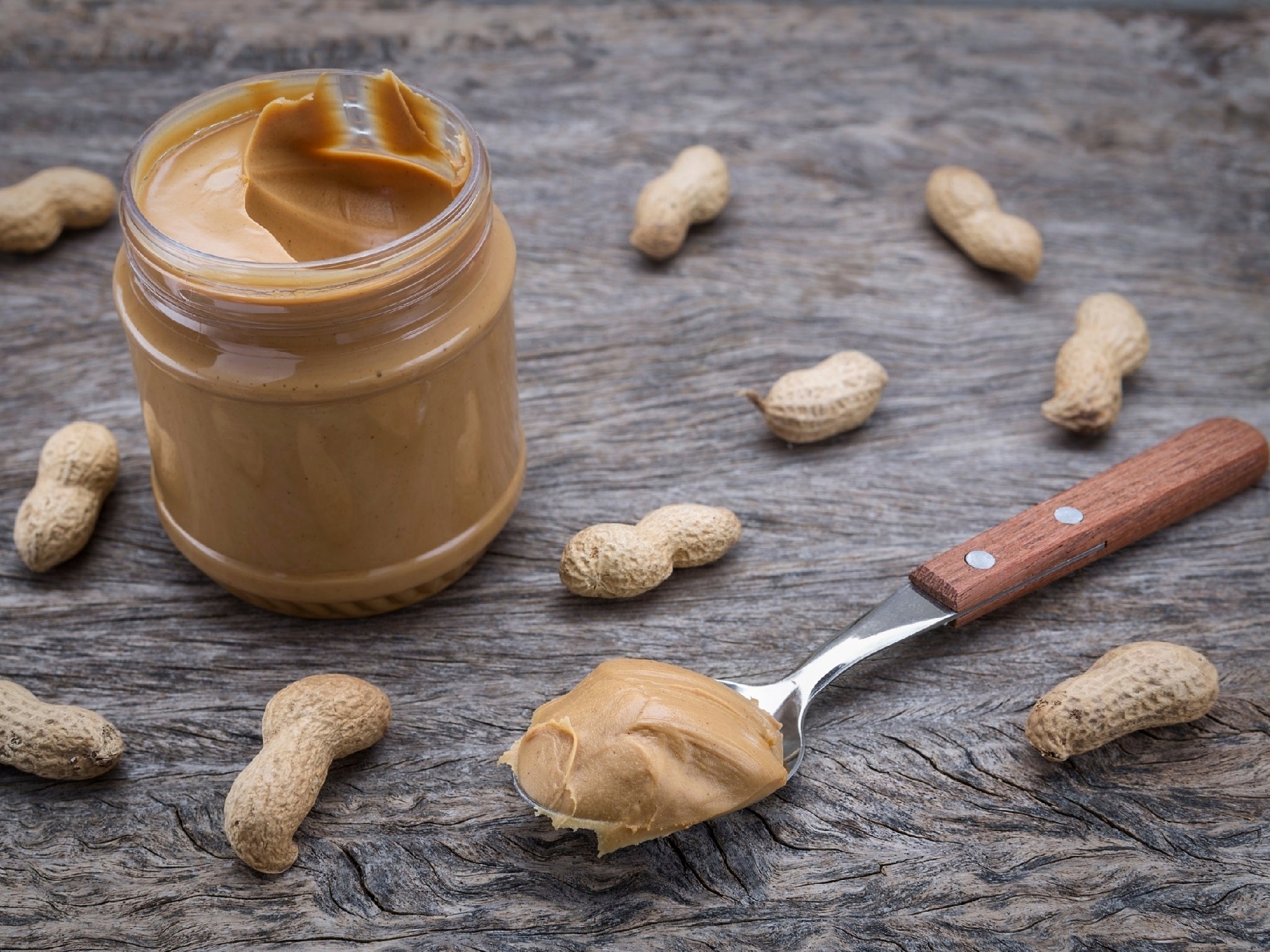
Six people who were highly allergic to peanuts found that their reactions improved after a trial that used frozen “poop pills”, donated by people with healthy gut microbiomes to transfer good bacterialstrains into 10 young adults with severe peanut allergies who reacted to traces of the allergen.

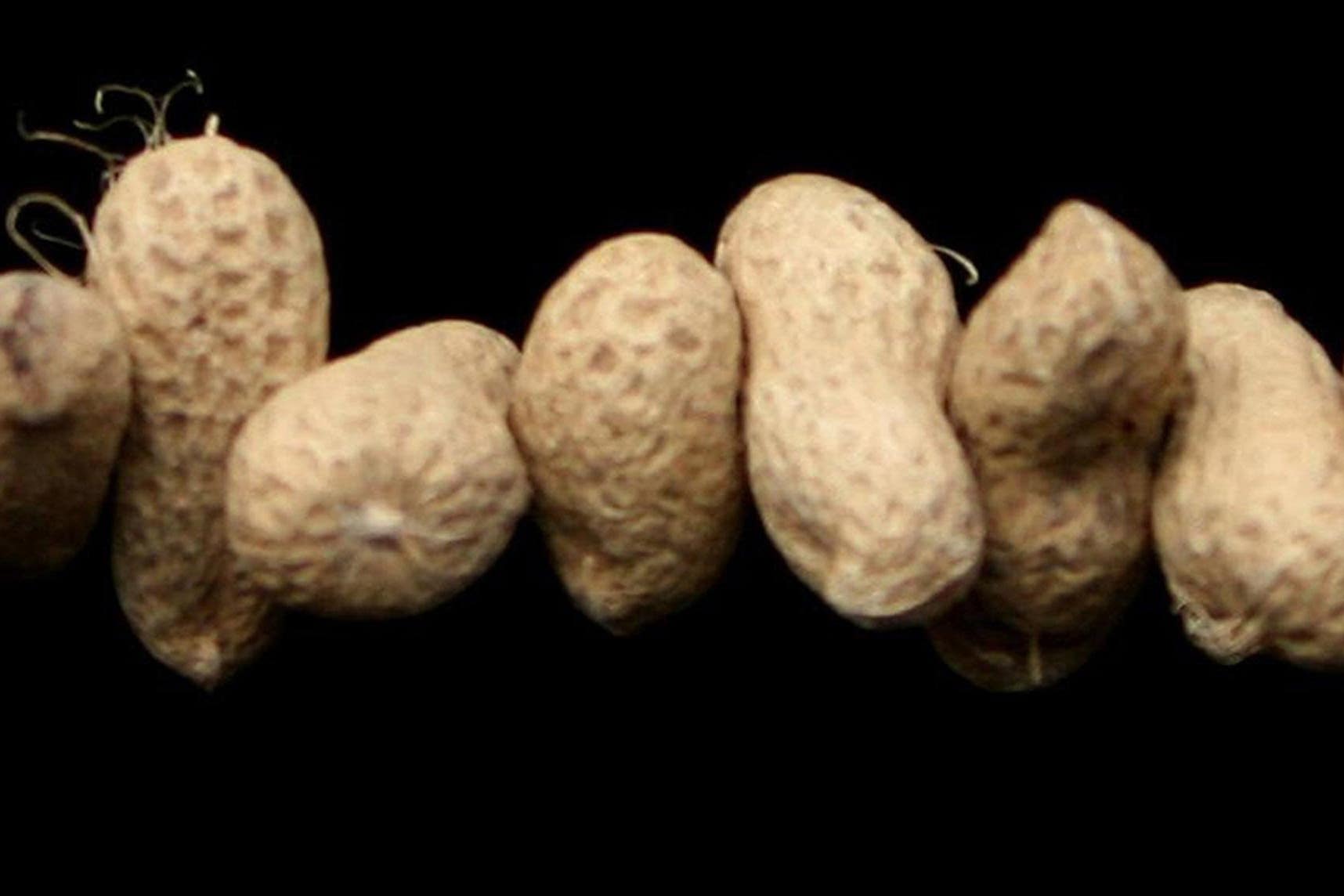
After a one-time treatment of 36 pills taken each over few hours, three participants improved when tested four months later tolerating eating multiple peanuts.
In the next round of the study, participants took antibiotics before the fecal transplant to see if the donor bacteria transferred more successfully when it didn’t have to compete with the participants’ own resident gut microbes. Three of these five participants improved in peanut tolerance and ingested more than four peanuts before reacting, suggesting that the antibiotics did increase the efficiency of the microbiome transfer.
Researchers analysed blood samples from the research participants and found those who responded to the therapy had increased levels of bile salts, which break down fats for the small intestine to absorb, when compared to the people who didn’t respond. They suggested that the good bacteria from the faecal transplants was more adept at metabolising bile salts than the original bacteria, and it increased levels of immune regulatory cells that protect from allergic reactions.
Dr Talal Chatila, MD, director of translational immunology, explained that the right bacteria can help make the gut immune system of those with allergies more tolerant.
“Food allergy reflects a failure of oral tolerance, the process by which the gut immune system learns to accept food, and what this study shows is that the right bacteria can help restore that process, working through bile acid metabolites to promote the immune cells that enforce tolerance,” they said. “Knowing how the bacteria restore tolerance to food in allergic individuals allows us to optimize the therapy for more effective outcomes.”

Dr Rima Rachid, director of the Food Allergy Program and the Allergen Immunotherapy Program, said: “This landmark study was the first to demonstrate that a microbiome-based therapy may improve food allergy in people while also revealing how gut bacteria, their metabolites, and the immune system work together to influence treatment response.”
“Larger studies of fecal and microbiota transplantation are now essential to confirm these findings, identify the patients most likely to benefit, and discover beneficial bacteria that could be developed into targeted probiotic therapies for food allergy.”
Peanut and tree nut allergies are the most commonly known foods to cause anaphylaxis, often developing in early childhood. In the past, certain antibody medications or small dose exposure immunotherapy were found to raise tolerance to a sensitive food, but allergic reactions soon returned once the therapy stops, meaning patents could still experience life-threatening reactions.
Dr Rachid hopes to lead a new study where teens will receive microbe transplantation therapy in collaboration with Alexander Khoruts, MD, of the University of Minnesota.
This newer therapy uses a purified concentrated form of microbes than the faecal pills that can be stored in a home refrigerator. Patients will take the capsules from home under medical supervision and undergo food challenges to evaluate for changes in their tolerance to peanut.
You must be logged in to post a comment Login