




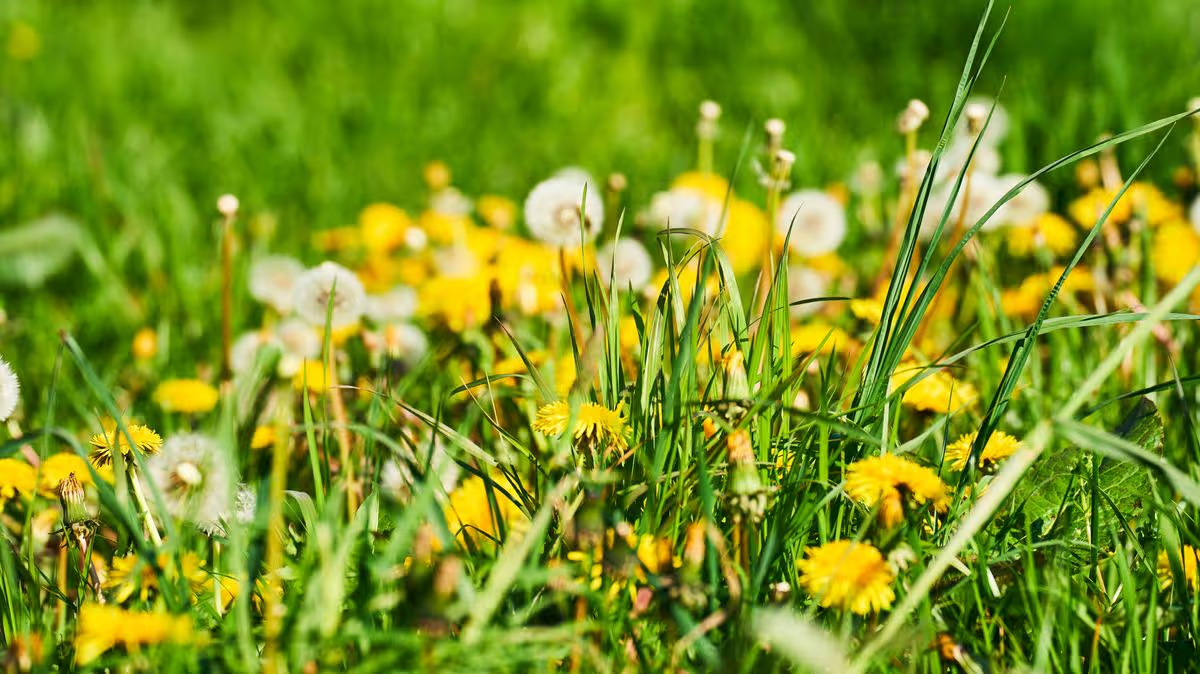
Gardeners will be relieved to hear that there is less chores to do in the garden this spring as they are being asked to stop mowing lawns and leave weeds alone to help their local wildlife.
Gardeners are being urged to down their trowels and hold off on mowing this spring, as dandelions serve as a vital lifeline for one of Britain’s most vulnerable species. April is notoriously one of the most challenging months for bees, as they are only just emerging from winter and urgently need to begin foraging to rebuild their colonies.
Unfortunately, relatively few flowers are in bloom across the UK at this time of year, and those that are often too immature to supply bees with the pollen they desperately require. Helen Keating, a botanist with the Woodland Trust, is calling on gardeners to reconsider their spring tidying habits, as weeds represent one of the few reliable food sources bees can depend upon during the early spring months.
She said: “Lawn weeds such as dandelions are excellent bee plants, providing vital pollen early in the season. White clover attracts masses of honeybees, while the longer tongued bumblebees prefer red clover.
“If you can’t bear to let your lawn grow, consider leaving a patch that’s less frequently mown to give them a chance to flower.”
While an overgrown, weed-filled garden may be an unwelcome sight, the consequences of bees failing to find sufficient nectar at this time of year could prove catastrophic for our ecosystems.
Queen bees face a very real risk of starvation in early spring without adequate food sources, meaning countless colonies may never get the chance to establish themselves.
Any established hive colonies will be depleted of energy and experiencing significant stress, meaning they’ll produce considerably weaker bees later in the year, reports the Express.
Britain’s bee population is already declining at an alarming rate, with two species having already become extinct, so simply maintaining a slightly untidy garden now can genuinely benefit your local wildlife.
Flowers, fruit and vegetable plants depend heavily on pollination, and without it their growth capacity will decline dramatically, which not only damages gardens but on a broader scale makes farming increasingly challenging.
Fewer plants growing will trigger a domino effect on wildlife such as birds and other insects, who’ll also struggle to locate food and become more vulnerable to extinction.
Mowing less frequently, tolerating a few weeds or even allowing a small section of your lawn to grow wild is amongst the simplest ways to help your local bee population flourish in spring.
Dandelions, particularly, are brilliant for bees as they’re protein-rich, so simply leaving them undisturbed is an effortless method to support wildlife.
It’ll also prove enormously beneficial to cultivate wildflowers in your garden at this time of year, and there are specific crops that’ll also reach maturity now for bees to pollinate, such as apple and wild cherry trees.
If you absolutely must tackle weeds, then it’s strongly advised to avoid chemical solutions as they’ll kill bees, and there are natural methods to eliminate dandelions that won’t harm any wildlife.

















































You must be logged in to post a comment Login