NewsBeat
Father of Saudi student stabbed in Cambridge condemns rise in ‘hateful rhetoric’ in UK

This article first appeared on our partner site, Independent Arabia
The father of a Saudi student fatally stabbed in Cambridge last year has called on Britons to confront hate speech and racism that he believes claimed his son’s life.
Mohammed Algasim was murdered by Chaz Corrigan in a random attack in August, described by the judge in the case as a “senseless” attack.
Speaking to Independent Arabia, Yousef Algasim said his son’s killing was not merely an isolated crime but a result of “the growing spread of racist and hateful rhetoric in recent years”. He added that such rhetoric is “rejected and condemned by all peoples and cannot be justified under any circumstances”.
On Thursday 4 June, Cambridge Crown Court sentenced Corrigan, 22, to a minimum term of 22 years and six months after he was convicted of stabbing the Saudi student on 1 August 2025. The attack, which was captured on CCTV footage, took place near student accommodation close to Cambridge railway station.

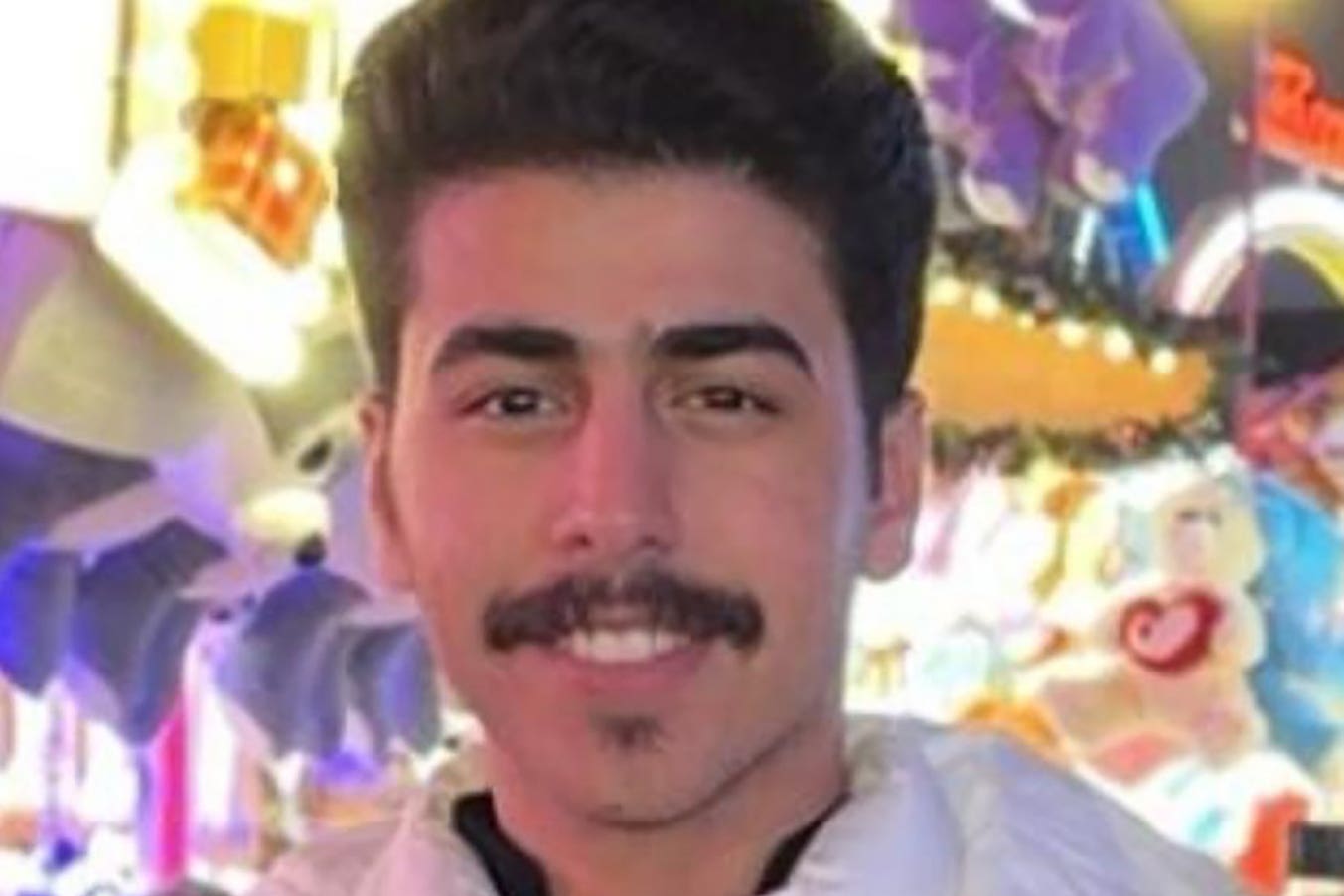
Mohammed, 20, was studying English at EF International Language School and hoped to go on to study medicine. He died after suffering a single fatal stab wound to the neck measuring 11.5cm in depth, which severed his jugular vein and caused catastrophic blood loss.
The victim’s father said his family had long viewed Britain as a leading destination for tourism and education, noting that they had “spent hundreds of thousands of riyals in Britain on tourism, shopping and our children’s education”. However, he argued that the rise in hate speech and racism was “making the country less attractive as a destination”, because “security comes before everything else”.
He added that a tourist or student who “does not feel safe will see no reason to stay”, and called on Britons to “stand up to the right-wing parties whose presence has grown significantly in recent years”, in order to preserve Britain’s image and status as a safe destination for visitors and students.
Mr Algasim described the British people as “kind and friendly”, but said many visitors no longer felt the same sense of safety they once did in Britain. He noted that tourists “now worry about their personal belongings or about walking in some areas after dark”, which he said could influence many people’s decisions about travelling to Britain in the future.

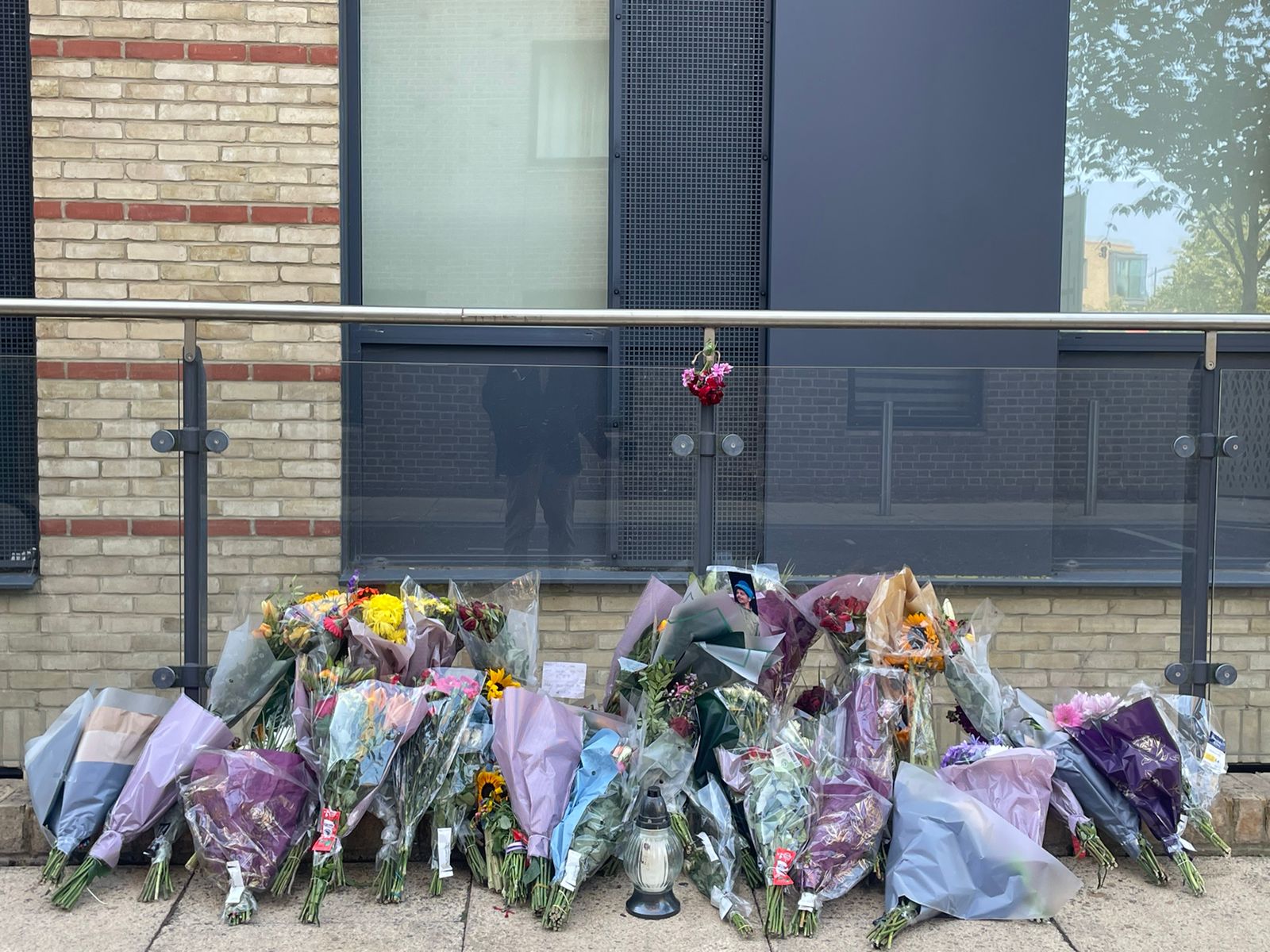
While criticising the rise of hate speech, the Saudi father praised the work of the investigation team, the British police and the Crown Prosecution Service, saying they had “worked tirelessly from the very beginning to gather evidence and establish the truth”.
He added that the family knew the verdict would not “bring Mohammed back”, but they hoped it would “help prevent crime, hold the perpetrator accountable and remove those who threaten the security and stability of society”.
Mohammed’s killing last year became a major public issue in Saudi Arabia, sparking widespread sympathy across social media, where many people shared memories of the young man, who was known for his calm nature, commitment to voluntary work and dedication to serving the community.
His father said Mohammed had been “devoted to his parents and a pillar of support for his family”. He was the family’s only son, and the only brother of four sisters. He added that the solidarity shown by Saudis had helped ease the burden of their loss in the months leading up to the court’s verdict. He stressed that “every human life deserves respect, regardless of a person’s colour, ethnicity or religion”.
In a statement read before the court by a relative on behalf of the victim’s father, Mr Algasim described his son as his right hand. He said the shock of losing him had been overwhelming and that the family continues to receive messages from strangers moved by his death. He also noted that his family is peaceful in nature and has no history of involvement in criminal activity or disputes.

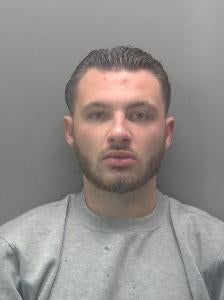
During the trial, prosecutor Ruby Shrimpton, for the prosecution, told the court that blood and urine samples taken around 18 hours after the attack showed that Corrigan had been using cocaine and cannabis. Prosecutor Nicholas Hearn also told the court that Corrigan had taken a knife with him to the Earl of Derby pub earlier on the evening of the attack.
In his closing remarks, Judge Dexter Dias said Corrigan had been carrying a 13cm kitchen knife on the night of the attack, intending to use it as a weapon while fuelled by alcohol-induced anger. The judge noted that Corrigan had told the court he “did not have bad intentions” when carrying the knife, but that his “actions were deliberately violent and aggressive”.
During sentencing, Mr Hearn told the court that Peter Corrigan, the killer’s father, had informed officers that his son was not at home and that he did not know his whereabouts when police came looking for him. Mr Corrigan admitted moving the clothes his son had been wearing at the time of the attack, which were later discovered by police in a refuse bin. He pleaded guilty to assisting an offender on the grounds that he had not known the crime committed by his son was murder, and was sentenced to two years in prison.
Translated by Dalia Mohamed; Reviewed by Tooba Khokhar and Celine Assaf
You must be logged in to post a comment Login