NewsBeat
Flash floods have devastated Nepal. Climate change could make them routine

Hundreds of millions of people could be exposed to natural disasters and a water security crisis due to melting glaciers in Asia, academics have warned as Nepal and Tibet reel from devastating floods that have killed more than 600 people.
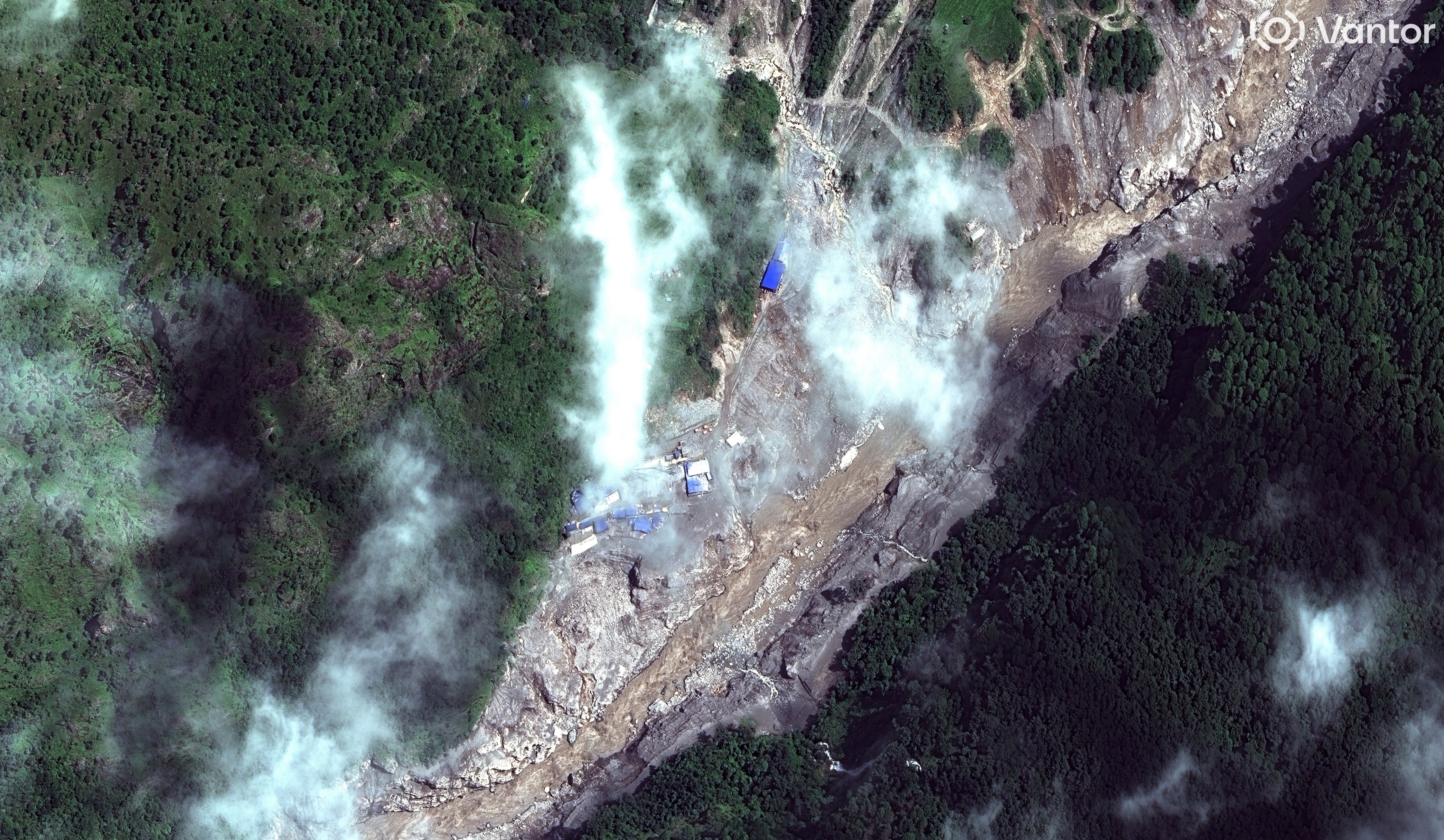
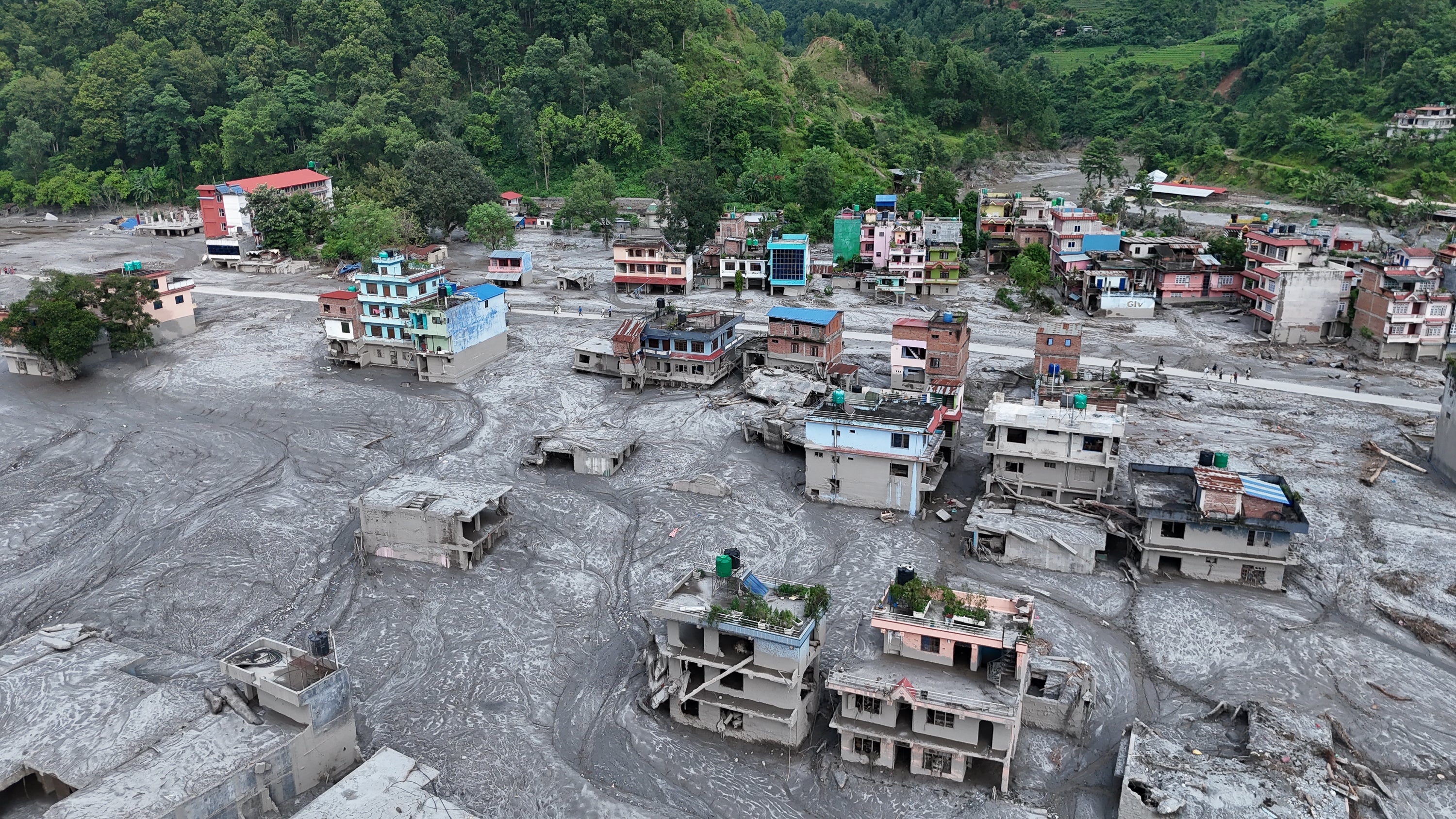
A glacier collapse in the Himalayas on Wednesday is believed to have caused the floods that tore through mountain villages and valleys on Wednesday, destroying infrastructure and leaving nearly 2,000 people missing.
David Simon, professor of development geography at Royal Holloway, University of London, warned that natural disasters of this scale are likely to continue as climate change brings more intense summers to the continent.
As glaciers retreat and more “catastrophic breakoffs” occur, water reservoirs held in the ice will diminish, with “stark” longer-term consequences for the rivers that nourish South Asia and parts of Central Asia and Tibet – if current trends continue in line with the higher climate change scenarios.
“Crucially, what we might have called natural summer ice and snow melt is what has always fueled the key rivers of South Asia, the Ganges, the Brahmaputra, the Indus, and so on.”
Analysts warn that the rate of ice melt in the Himalayas threatens water security for up to 1.65 billion people in the wider region as shrinking glaciers stop sustaining rivers vital to life and agriculture downstream.

Dr Narelle van der Wel, head of Cryosphere Monitoring at the World Meteorological Organization (WMO), agreed that glacial retreat could have dire consequences for water security down the line.
“Initially, accelerated melting can increase runoff and flood risk. As glaciers continue to shrink, however, their capacity to store water and sustain river flows during dry periods declines,” she explained.
The impact may vary, but the implications are “enormous”, with the snow and ice of the Hindu Kush Himalaya supporting around 240 million people in the mountains and a further 1.65 billion downstream.
She stressed that the precise cause of this week’s disaster is still begin investigated, and that it is too early to attribute the events in Nepal to glacial retreat or climate change. But rising temperatures are changing glaciers, snow, permafrost and the stability of slopes across the Himalayas, she acknowledged.

Prof Simon told The Independent that glacial retreat in the Andes was already having a “major impact” on the supply of water to cities in South America. Peru has lost around 56 per cent of its glacier mass over the last 60 years, threatening the water and food security of 90 million people.
Bethan Davies, professor of glaciology at Newcastle University, said that researchers are seeing rivers becoming more prone to drought as the Andean glaciers start to shrink.
“That’s certainly what we’re seeing: this decline in water flow, increasing drought, increased variability and water flow, which makes it difficult for the local communities to manage … As the glaciers shrink and they become smaller, there’s less melt water … so there’s less water that goes into the river.”
These trends most immediately hurt the rural mountain communities who depend on the glacial water for livestock they need to live on and trade.
But they will also affect major population centres in Peru, Chile and Argentina, draining water supply and impacting water-dependent industries like winemaking.

Prof Davies said hazard risks are becoming more likely in the high mountains of Asia, too, with temperatures rising 0.3C per decade. The Himalayan region is warning nearly twice as fast as the global average, according to the World Meteorological Organization.
“Ice is really sensitive to temperature, so as soon as it starts to warm above zero, it starts to melt. When you’re getting the melting permafrost, the melting snow, the melting ice, it becomes very fragile and things are starting to fall off,” she said.
“Melting permafrost is contributing to rockfall and contributes to these landslides, it contributes to avalanches. I think we’re likely to see an increased hazard risk in these areas.”
Prof Davies said she did not believe floods on the scale seen this week in Nepal were something the local communities, nestled into the foothills of the Himalayas, could be expected to adapt to.
“I think what the communities there need is a really decent early warning system. And I think that is something that we should be supporting as a country that has historically contributed a lot to climate change.
“The Nepali people have contributed very little and yet they are the ones bearing the brunt of that.”

British prime minister Andy Burnham announced £5 million in support for Nepal on Thursday to help with the “very distressing and devastating situation” on the ground. But Nepal suffers from a lack of monitoring equipment to detect and warn against impending natural disasters.
Back in April, Nepalese officials admitted to the BBC that an early flood warning system in the Everest region had fallen into a state of disrepair, ten years after sensors and automated sirens were installed.
The latest flood “demonstrates how little time communities may have to respond,” added Dr van der Wel. “Water levels reportedly rose by up to nine metres within 30 minutes at one monitoring station.”
“Effective early warning therefore requires much more than issuing a forecast. It depends on sustained monitoring of glaciers, glacial lakes and unstable slopes; functioning meteorological and hydrological observing networks; satellite information; rapid exchange of data across borders; and clear arrangements to ensure that warnings reach communities and prompt immediate action. These are all things we are working on here in WMO.”
Prof Davies said the events this week showed how places like Nepal are suffering under the impact of climate change.
“I find it very difficult when some of our politicians downplay the risks of climate change, when they tell us to enjoy the warm weather, for example , and then you see this tragic event occurring,” she said.
“So I think my strong advice to people would be to be aware that this is the world that we’re living in, and this is the impact of climate change.
“It is severe and it is dangerous, and it does require solving, and it does require the commitment of countries like the UK, which have historically been leaders in climate change progress towards net zero.”
You must be logged in to post a comment Login