

Connect with us

NewsBeat

Formula 1 2026: Predict how drivers’ and constructors’ championships will finish

Published

on

Lewis Hamilton, wearing his red Ferrari suit and Lando Norris, wearing his papaya Mclaren suit, pose during the F1 2026 photocall in Bahrain

The biggest rule change in Formula 1 history has the potential to deliver some surprising results during the 2026 season.

As teams start from scratch this year with a new car, engine and active aerodynamics, how will the drivers’ and constructors’ championships look when the curtain falls in December after 24 races?

Last season, McLaren reigned supreme as Britain’s Lando Norris was crowned champion for the first time and the team secured back-to-back constructors’ titles with six races to spare.

This time around, Mercedes and George Russell have been tagged as early pre-season favourites while Aston Martin, complete with an Adrian Newey-designed car, struggled during the six days of testing in Bahrain.

Advertisement

Before the season begins in Australia next weekend, make your predictions for how the two championships will finish by selecting your drivers’ picks first, followed by teams’ choices.

You have until 01:00 GMT on Friday, 6 March to submit your choice and we will then reveal the overall order selected by BBC Sport users.

Source link

Advertisement
Continue Reading
Click to comment

Leave a Reply

Your email address will not be published. Required fields are marked *

NewsBeat

Italian skier Sofia Goggia wins super-G to regain commanding lead in World Cup discipline standings

Published

on

Italian skier Sofia Goggia wins super-G to regain commanding lead in World Cup discipline standings

SOLDEU, Andorra (AP) — Sofia Goggia won her second super-G of the season Sunday and regained a commanding lead in the race to the World Cup discipline title.

The Olympic downhill bronze medallist extended her advantage in the super-G standings to 84 points over Alice Robinson of New Zealand and 116 over Emma Aicher of Germany in third, with two events left.

A race win is worth 100 points.

“I’m still not thinking about it,” said Goggia, who bounced back in impressive style, a day after the Italian had her lead reduced to just 20 points following a sixth-place finish in another super-G.

Advertisement

“I’m really thinking day by day, race by race. It was a solid run today, I got back the points I lost yesterday,” she added.

With a trademark gutsy run, Goggia beat Saturday’s winner Aicher by 0.24 seconds and third-placed Kajsa Vickhoff Lie of Norway by 0.31.

Robinson finished 0.94 seconds behind in seventh.

“It was a really similar race to yesterday. But we decided to adopt a different strategy to get into the central pitch, and it paid off,” Goggia said.

Advertisement

Goggia and Robinson set up their duel for the super-G title early in the season when they won the first two races, but neither added another win until the Italian’s victory Sunday.

Goggia now has nine career wins in super-G but is chasing her first season title in the discipline, having won the crystal globe in downhill four times, most recently in 2023.

“I still haven’t won in downhill yet (this season), and this is maybe a bit strange for everyone, because I have been doing so many podiums in downhill in my career,” said Goggia, who was the 2018 Olympic downhill champion.

“I have a really solid feeling with the super-G, so I’m happy with it. Now it’s important to stay really focused for the next ones in which we play for everything.”

Advertisement

Olympic super-G champion Federica Brignone came nearly a second behind her Italian teammate in eighth, improving from her 15th-place finish in Saturday’s race when she was more than two seconds off the pace.

Brignone returned from a broken left leg just before the Milan Cortina Games and then won gold in super-G and giant slalom.

Mary Bocock earned her career-best result leading the U.S. ski team in 11th, one position ahead of her teammate Keely Cashman.

Olympic downhill champion Breezy Johnson was nearly three seconds off the pace in 30th.

Advertisement

Aicher’s seventh podium result of the season saw the German close in on second-ranked Camille Rast in the overall standings. The Swiss skier has 963 points while Aicher is on 914.

Mikaela Shiffrin leads with 1,133 points as the American aims for her sixth overall title. She hasn’t competed in speed races this season except for one super-G start last December.

Shiffrin is expected back in action for a GS and slalom in Sweden on March 14-15.

The World Cup continues with two downhills and a super-G in Italy next weekend.

Advertisement

___

AP skiing: https://apnews.com/hub/alpine-skiing

Advertisement

Source link

Continue Reading

NewsBeat

The key that will unlock Westhoughton’s 120th anniversary celebrations

Published

on

The key that will unlock Westhoughton’s 120th anniversary celebrations

The library, one of many Carnegie Libraries built around the country with funding from philanthropist Andrew Carnegie in the early 20th century, officially opened on March 24, 1906.

The anniversary celebrations will take place across two days, Saturday, March 21 and Tuesday, March 24

On the Saturday the library will host a special day of crafts, story time, music, and trails to commemorate 120 years of memories.

To help mark the occasion, Westhoughton Local History Group (WLHG) is supporting Bolton Library and Museum Services with an exhibition and talks focused on the library’s history, local dialects, and community stories.

Advertisement

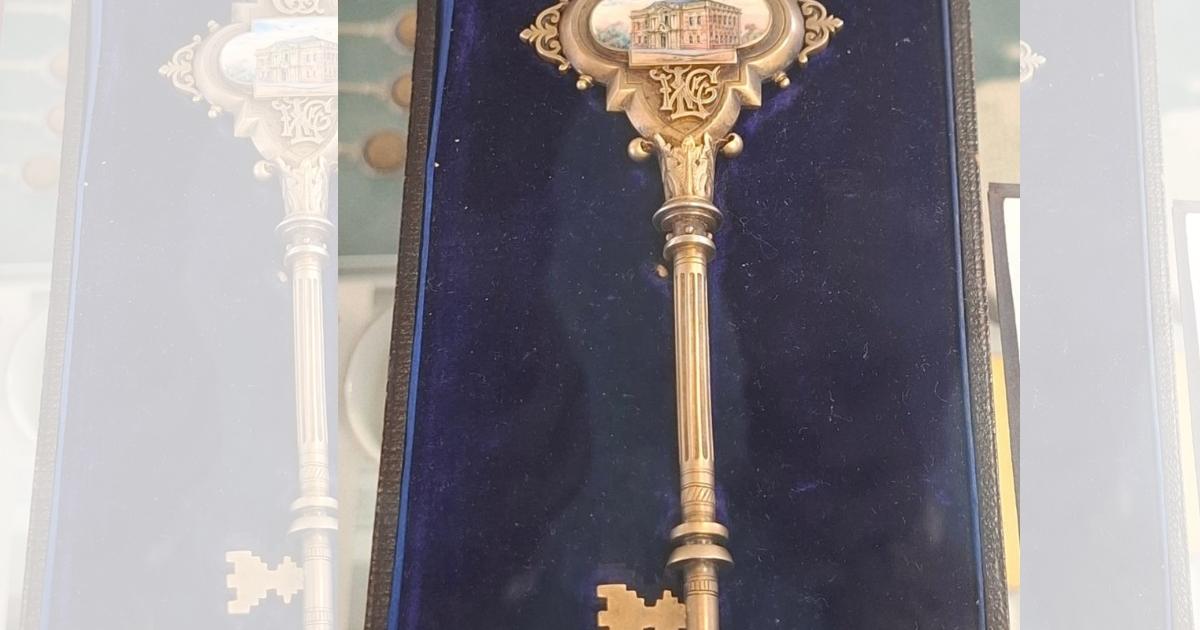
The history group has also rediscovered a long-lost ceremonial golden key that was given to George Grundy – chairman of the Westhoughton Urban District Council (UDC) – when he opened the Westhoughton Carnegie Library on 24 March 1906.

WLHG has returned the key to the library, where it will go on permanent display in the museum space on the upper floor of the building to help mark the 120-year commemorations.

The group will present a talk on the history of the library on Saturday 21 March and on Tuesday 24 March.

Ahead of this, they are also inviting members of the public who hold historical items connected to the library to come forward to contribute to the celebratory exhibition.

Advertisement

After completing the busiest year in its history, the group marked its own 20th anniversary throughout 2025 and has already begun work on several exciting projects for the year ahead, including Westhoughton Library’s 120th anniversary.

WLHG Chairman, David Kaye, said: “We were delighted when, in late 2025, following informal discussions with Bolton Library and Museum Services about this significant milestone, we were invited to join a working party of colleagues based both at Central Library in Le Mans Crescent and here in Westhoughton.

“WLHG will be supporting the team in staging an exhibition charting the compelling story of Westhoughton Library, which began development in the same month as Rolls-Royce.

“Not only is this a privilege, but also a welcome opportunity to demonstrate our thanks to the local Library Service, which has provided WLHG — and two predecessor heritage groups dating back to the 1980s — with a warm and supportive home.”

Advertisement

Bolton Council’s Executive Cabinet Member for Culture, Cllr Nadeem Ayub, said: “Westhoughton Library has been at the heart of the community for more than a century, and this anniversary is a chance to celebrate everything it continues to offer local residents.

“It is wonderful to see Westhoughton Local History Group working alongside our library and museum teams to bring the story of this much loved building to life.

“I would encourage anyone with memories or materials relating to the library to get involved and help preserve its history for future generations.”

Further details of the exhibition and the programme of commemorative events will be announced soon.

Advertisement

In the meantime, WLHG is appealing to readers for the donation or loan of any relevant material — including photographs, press cuttings, artefacts, personal memories or anecdotes — for potential inclusion in the exhibition.

Westhoughton Library is one of more than 3,000 public libraries built across the English speaking world thanks, wholly or partly, to the philanthropy of Andrew Carnegie.

: Westhoughton Library Ceremonial Golden Key ©? Bolton Council

Often compared to today’s leading innovators, Carnegie was a Scottish born immigrant who became one of America’s wealthiest industrialists through his steel, coal and rail enterprises.

Bolton Library and Museum Services currently operate nine district branch libraries, with Westhoughton being one of the busiest.

Advertisement

Westhoughton Library © Lancashire Online Parish Clerks

The branch hosts a wide range of community groups and activities and serves as the base for the town’s heritage activities and historic collections.

Anyone able to support the WLHG appeal to contribute to the exhibition is invited to get in touch by emailing howfenhistory@gmail.com or calling 07970 131460.

Westhoughton Local History Group is a volunteer-led organisation dedicated to researching, preserving and sharing the rich heritage of Westhoughton and its surrounding districts. The group works closely with Bolton Council’s Library and Museum Services and the wider community to deliver talks, exhibitions, publications and archival projects that celebrate the town’s unique past.

Advertisement

Source link

Continue Reading

NewsBeat

I visited an award-winning pub and found a peaceful oasis on a busy city road

Published

on

Cambridgeshire Live

The Burleigh Arms certainly lived up to its many accolades.

The Burleigh Arms in Cambridge

Escaping from your daily life and finding some peace and quiet can be quite hard if you live in a city. Cambridge might look quaint and historic to outsiders but those living in the city know how busy it can get with streets clogged with tourists and roads often gridlocked.

One of the last places you would probably go to to enjoy some relaxation is Newmarket Road. But the Burleigh Arms, an award-winning pub, is the perfect pub for indulging in great food and taking a moment for yourself.

Last year, the Burleigh Arms was awarded with two AA Rosettes. It was also recently named in the Estrella Damm’s top 100 list of the best gastropubs in the UK. I headed down to the pub to test out some of its dishes and see if it is worth its many titles.

You shouldn’t be put off by the roadworks currently in the area, since as soon as I walked into the Burleigh Arms, I completely forgot about the noise from outside. The pub has a very relaxed atmosphere with an old fashioned bar and wooden tables and chairs.

Advertisement

As it was a very sunny day for February, I decided to sit in the garden, which had a few benches placed under a marquee. The garden was so quiet that you couldn’t even hear the traffic on the road outside, which allowed me to fully switch off from daily life.

The lunch menu at the Burleigh Arms has a couple of choices for each course. For my starter, I chose the sweet potato tempura, which cost £9.50.

Advertisement

The dishes was perfectly presented and came topped with a cashew butter and chipotle ketchup. The sweet potato was soft and creamy on the inside and was covered by a crispy and lightly salted batter.

The sweet potato was complemented well by the two condiments beautifully piped on top. The dish also had a sprinkling of chopped cashews that helped give the meal a nice crunchy finish to contrast the softness of the potato.

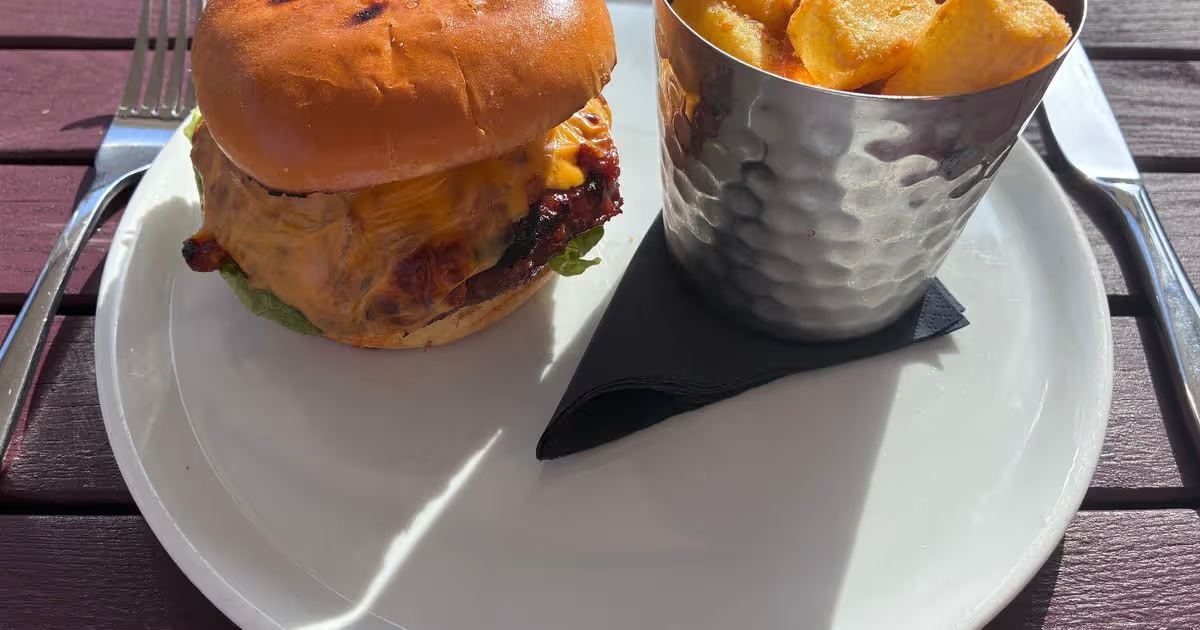
I picked the Burleigh burger as my main, which cost £18. The burger came out smothered in cheese that had been melted over the patty.

Advertisement

The patty had also been topped with lettuce, a bacon jam, and the house pickles, all of which were sandwiched between a light brioche bun. The burger was incredibly juicy and well seasoned with all of the flavours and toppings working well together.

The bacon jam had tiny chunks of crumbly bacon that perfectly matched saltiness of the beef patty. The thinly sliced pickles had a sharp sour taste that cut through the juiciness of the burger without overpowering the other flavours.

The cup of fries on the side were boiling hot and thick cut. They were incredibly crispy but light and fluffy on the inside and would definitely help to soak up any drinks you might have with your meal.

When paired with the relaxing sunny pub garden or even instead next to the bar, the meal was definitely a treat that helped take me away from the stresses of life. If you are looking to spend a little extra on a meal in Cambridge and want somewhere peaceful to enjoy it, you should try the Burleigh Arms.

The Burleigh Arms can be found at 9 Newmarket Road. The gastropub is open from 12pm to 11pm on Tuesdays to Saturdays and from 12pm to 7pm on Sundays.

All of our food reviews are paid for by the writer. The establishments do not know we will be reviewing their food, allowing us to make fair judgements on each place.

Source link

Advertisement
Continue Reading

NewsBeat

The British company taking many steps to produce power

Published

on

The British company taking many steps to produce power

What if your daily commute could light up a park? Laurence Kemball-Cook’s innovative technology captures the energy of footfall, offering a new approach to urban, off-grid power

Laurence Kemball-Cook founded Pavegen with a simple but ambitious aim: to create affordable off-grid electricity in cities. The idea arrived while he was working at energy company E.ON. “I was looking at new forms of street lighting powered by solar and wind,” he says. “But in dense urban environments neither of those technologies work well. Wind needs to be in the sea or high up, and solar struggles when you’re surrounded by tall buildings.”

Cities, though, have something else in abundance: moving people. As an industrial designer with a fascination with sustainability, he spent five years building prototypes in his bedroom of a system that would harness the kinetic energy of footfall and turn into power. As with all good inventors, people told him he was crazy; but his breakthrough moment came when he realised a flywheel technology would work.

Advertisement

“One step can spin the flywheel for up to 10 seconds, which is good for batteries because it gives continuous power.” Multiply that by thousands of footsteps, and the output becomes something significant. After a trial at the London 2012 Olympics, where a temporary walkway was fitted with its tiles to power lighting, Pavegen now has installations in 250 sites in 5 countries.

Solutions every Saturday
Uplift your inbox with our weekly newsletter. Positive News editors select the week’s top stories of progress, bringing you the essential briefing about what’s going right.
Sign up

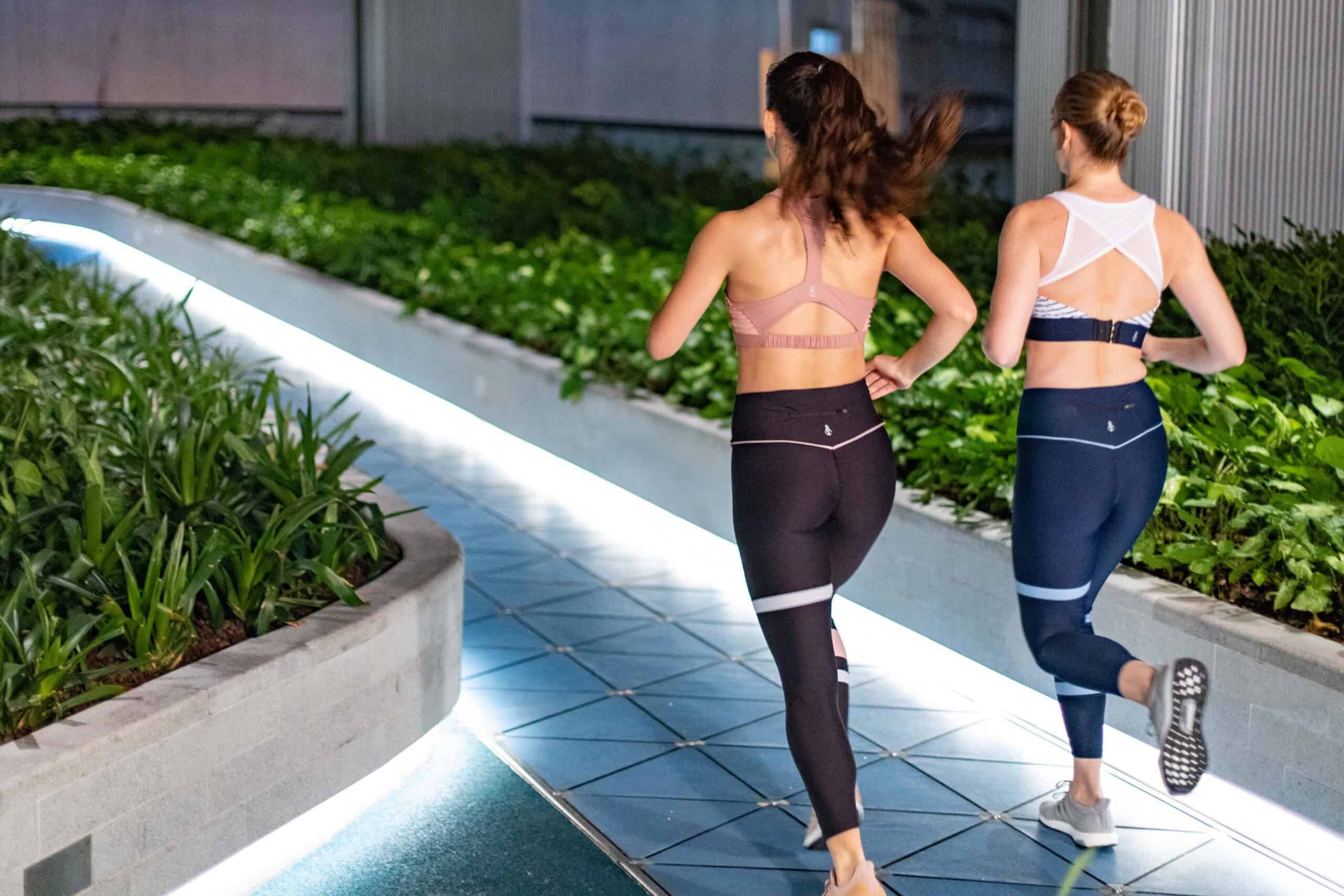
At Telford train station, energy generated by people walking is used to charge phones. In Hong Kong, energy created on a running track is stored in batteries and powers the lights in a nearby building; outside the White House, in Washington DC, 10,000 daily pedestrians power the lights in a local park.

To maximise efficiency, the technology needs to be implemented in high-traffic areas, and of course retrofitting an existing building or space comes with its own logistical and financial challenges. Deploying the tech in train stations or major shopping malls where tens of thousands of feet pound the ground each day will be much more efficient than along a remote rural street, for example.

Advertisement

Yet, explains Kemball-Cook, “in a new town you can specify 100,000 square metres from day one.” That’s why he has been spending time in Saudi Arabia, where the country is investing heavily in new cities that need new roads, paths and buildings.

“There’s also a generational shift. Young people care more about sustainability. We’re at an inflection point where younger generations are taking positions of responsibility and see the value we bring. That’s why the next five years are critical.”

He added: “People have energy, people want to be fit, people want to be part of a community. When you generate energy with someone, you bond over it. You’d be like, hey, I’m generating energy for my city. That’s cool.”

Advertisement

Costs of installing systems are still high so the next step is to raise investment to scale production to help bring the price down. The aim is to make Pavegen the same price as ‘normal’ flooring, and it can be installed in the same way. “We believe the footsteps of millions can power cities in the future,” Kemball-Cook says; “We make energy fun.”

Main image: Pavegen

Be part of the solution

At Positive News, we’re not chasing clicks or profits for media moguls – we’re here to serve you and have a positive social impact. We can’t do this unless enough people like you choose to support our journalism.

Advertisement

Give once from just £1, or join 1,800+ others who contribute an average of £3 or more per month. Together, we can build a healthier form of media – one that focuses on solutions, progress and possibilities, and empowers people to create positive change.

Support Positive News

Source link

Advertisement
Continue Reading

NewsBeat

Starmer expresses ‘solidarity’ with Middle East in face of ‘Iranian escalation’

Published

on

Starmer expresses ‘solidarity’ with Middle East in face of ‘Iranian escalation’

Speaking on Sky News’s Sunday Morning With Trevor Phillips programme, Mr Healey said Iranian missiles and drones had landed within “a few hundred yards” of some 300 British troops at a base in Bahrain, while two missiles had been fired in the direction of Cyprus, where thousands of UK personnel are based.

Source link

Continue Reading

NewsBeat

What makes a city beautiful? Here’s what ratings of thousands of urban landscapes reveal

Published

on

What makes a city beautiful? Here’s what ratings of thousands of urban landscapes reveal

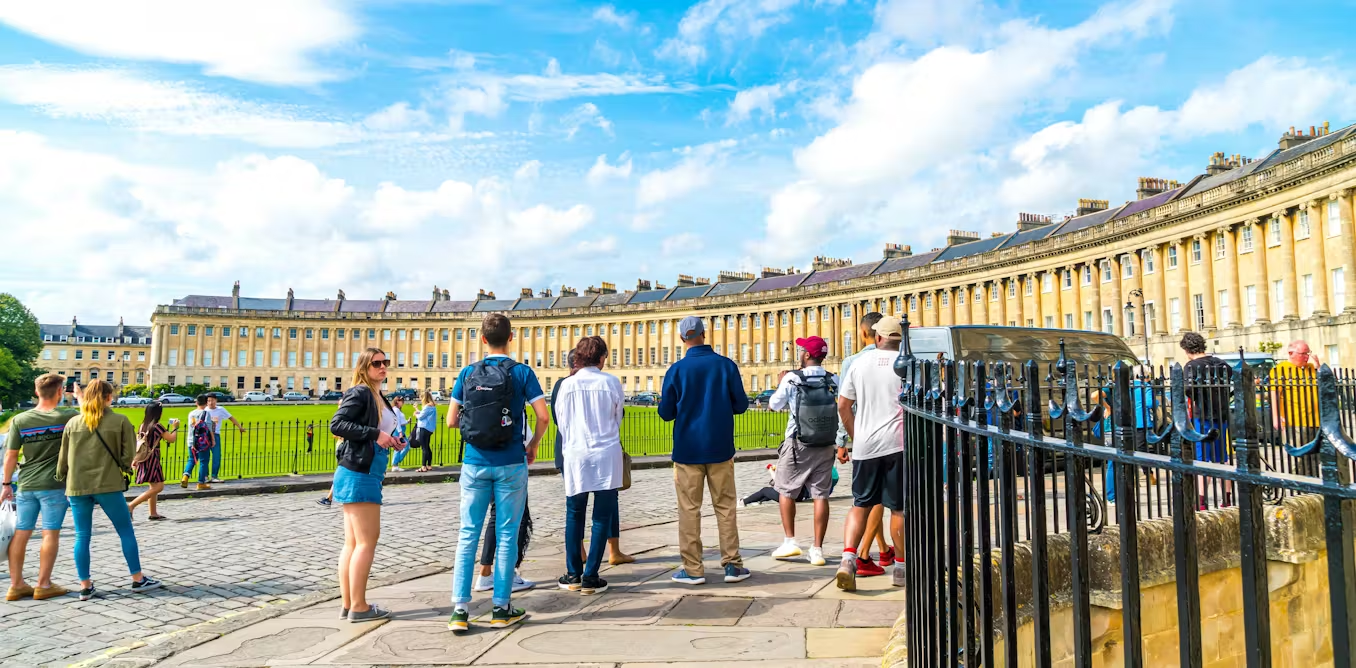
Some buildings leave such an impression when you visit them that they can be forever summoned to the mind’s eye. For us, these include the soaring dome of St Paul’s cathedral in London, the Georgian grandeur of Royal Crescent in Bath, and the ascending towers and pinnacles of King’s College Chapel in Cambridge.

As psychologists with a particular focus on wellbeing, we are fascinated by the feelings these buildings instil in us – a sense of being grounded, of momentary stillness, even of awe.

But while the effects of experiencing beautiful surroundings on people’s wellbeing has been extensively researched, these studies have mainly focused on natural landscapes and settings.

We wanted to understand how people value different urban settings – and which types of building they view most positively. In England, 83 out of every 100 people now live in towns and cities, so variations in these urban landscapes can hold important consequences for wellbeing.

Advertisement

Our study, published in Frontiers in Psychology, found a particularly powerful effect when people viewed older buildings, particularly those classified as being of special historic or architectural interest. Indeed, we found these listed buildings are comparable with forests and lakes in terms of how people rated their scenic quality.

How we tested urban scenicness

Our study combined two large datasets – the first from Scenic-Or-Not, a website where people rate the scenicness of photographs taken throughout Britain on a scale from 1 (“not scenic”) to 10 (“very scenic”). For our analysis, we used only photographs taken within English urban areas, giving us 28,547 ratings of 3,843 images.

We combined this with Historic England’s dataset of more than 370,000 listed buildings throughout England and Wales, plus their grade – I (of exceptional interest), II* (particularly important) or II (special interest) – and the century in which the building was constructed.

Advertisement

A photo of a Nottinghamshire church on the Scenic-Or-Not website.
B Hilton

This enabled us to compare the ratings of views with and without listed buildings, and to explore other questions such as how the grade or century of construction influences the scenicness rating. Sometimes these buildings featured prominently in the photographs, other times only marginally – we counted them all the same.

We also used Google’s Vision AI tool to detect other features in photographs that might influence scenicness. This allowed us to rule out the possibility that photographs containing historic buildings were judged more scenic because they also tended to contain trees, for example.

In our study, the average scenicness of English urban areas was 2.43 out of 10 – significantly lower than how people rate the scenicness of natural environments. In another study that used the same platform to rate British rural scenes, these averaged 4.16.

But we also found that when a listed building was present in the photograph, this score was on average 0.61 points higher – a 25% increase. As shown in this table, this “historic building effect” was comparable to that of forests and lakes.

Advertisement

Impact of different features on scenicness rating:

Table showing the effect of different elements of a view on how scenic it is rated.

The effect of a listed building is similar to that of a forest or lake.
Eugene Malthouse, CC BY-SA

Photographs in which the most prominent listed building was either grade I or grade II* listed were perceived more scenic than those featuring slightly less historically or architecturally significant (grade II) buildings. Images featuring buildings constructed in earlier centuries were also judged more scenic.

What makes historic buildings so valued?

The scenic quality of urban areas has previously been linked with variations in happiness and health. Our study shows old buildings in particular make important contributions to urban scenicness. This suggests that historic buildings may be worth preserving not only for their architectural significance but for their effect on people’s wellbeing.

But it also raises the question of whether the sheer age of these buildings makes them so impactful – or is it also the nature of their design?

Advertisement

Experts in architecture have speculated on the reasons old buildings continue to be valued so highly. For example, the apparent timeless popularity of certain historic styles, such as the symmetry of Georgian architecture in Bath’s Royal Crescent, has been contrasted with modern architecture that disregards or rejects traditional proportional guidelines.

But there are also psychological reasons why many people value historic buildings so much. These might include their reassuring sense of permanence; their weathered and imperfect nature; the stories of past lives they hold; or their ability to conjure feelings of nostalgia within us.

We hope to learn more about why people feel so strongly about historic buildings, and the effects such buildings can have on their wellbeing, in our future research. In the meantime, please share your thoughts and experiences in the comments below.

Advertisement

Source link

Continue Reading

NewsBeat

Selby Abbey holds memorial for Great Heck Railway Tragedy

Published

on

Selby Abbey holds memorial for Great Heck Railway Tragedy

Yesterday (Saturday, February 28) marked the 25th anniversary of the Great Heck Railway Tragedy.

Ten people lost their lives and 82 were injured when two trains collided near Great Heck at approximately 4.45am on February 28, 2001.

It came after a Great North Eastern Railway (GNER) train, travelling from Newcastle to London, struck a Land Rover towing a Renault Savanna on a trailer.

The train partially derailing before a southbound Freightliner train collided with a passenger train.

Advertisement

The Land Rover had left the M62, travelling down an embankment to the East Coast Main Line.


Recommended reading:


The freight train driver, the passenger train driver and eight passengers were killed.

Those killed in the disaster were: Steve Dunn, John Weedle, Christopher Terry, Robert Shakespeare, Raymond Robson, Paul Taylor, Barry Needham, Alan Ensor, Clive Vidgen and Stephen Baldwin.

Advertisement

North Yorkshire Police joined emergency services to remember the lives lost on February 28, 2001 (Image: North Yorkshire Police)

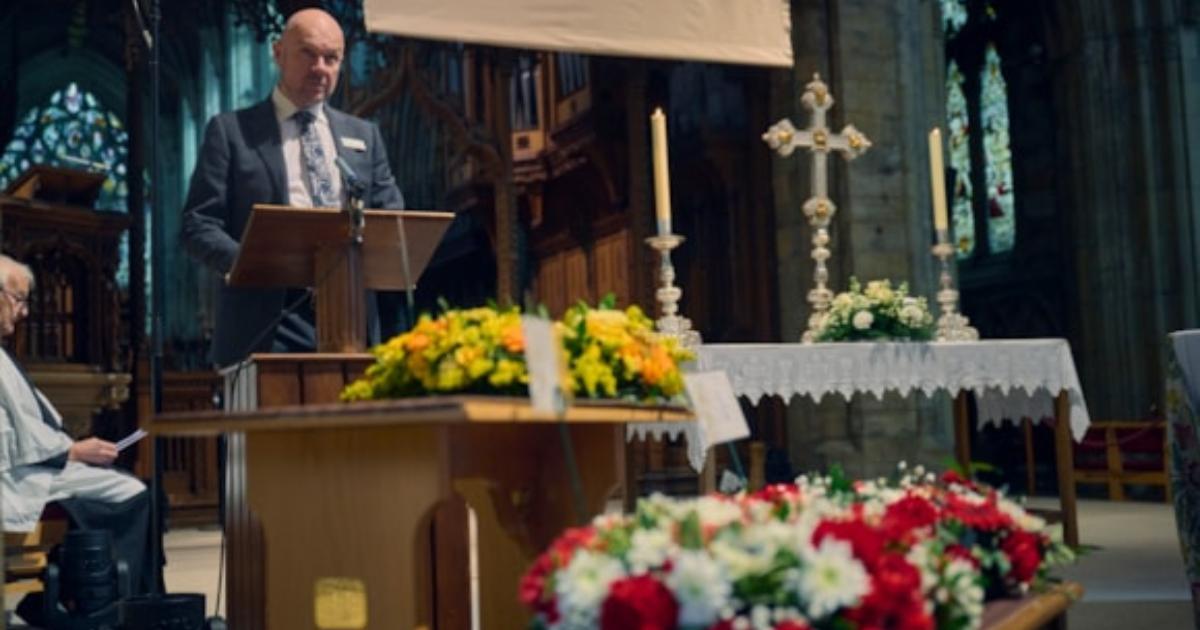
They were remembered in a poignant ceremony held at Selby Abbey on Saturday (February 28).

The service was attended by the families of those who died, survivors, emergency services, industry colleagues and LNER representatives.

‘Today is first and foremost about the ten men who never came home’

Speaking about this, Inspector Rob Campbell for North Yorkshire Police said: “I attended today as the local Neighbourhood Policing Inspector, but also as someone who has lived just a couple of villages away from Great Heck my entire life.

“Today is first and foremost about the ten men who never came home, and about the families and loved ones who have carried that loss every single day for 25 years.

Advertisement

“It is also about the survivors, those who were injured, some very seriously, and the many more who carried invisible wounds long after that morning.

“But today is also a day of profound gratitude.

“To the emergency services who responded in darkness and bitter cold to scenes no training can fully prepare you for. To the police officers, fire crews, the paramedics, the medical professionals across the region who worked tirelessly to save lives.

“And to this community, which came together without being asked.

Advertisement

“It was a moment that reminded me why days like today matter so much, not just to remember, but to come together.

“I feel genuinely privileged to have served alongside officers from North Yorkshire Police and West Yorkshire Police who were there that day.

“What they faced, and what they carried afterwards, deserves to be acknowledged and remembered.”

Ten candles were lit for the men who died from the disaster (Image: LNER)

Deputy Managing Director at LNER, Warrick Dent, said it was a “privilege” to join those in attendance at the service.

Advertisement

He said: “Saturday was dedicated to remembering and honouring those involved in the tragic incident at Great Heck 25 years ago.

“It was a privilege to join with the families of those who lost loved ones, alongside survivors, emergency service workers, rail colleagues, and the local community to pay our respects to those who lost their lives.

“They will always be remembered.”

Advertisement

Source link

Continue Reading

NewsBeat

All the airlines cancelling flights after Iran strikes – full list

Published

on

Manchester Evening News

The UK Foreign Office is advising British citizens in Dubai, Bahrain and Kuwait to remain indoors in secure locations following retaliatory strikes across the Middle East

Airlines worldwide have continued to suspend flights throughout the Middle East following “major combat operations” across Iran by the US and Israel. This prompted retaliatory strikes across the Middle East – targeting Dubai, Doha, Bahrain and Kuwait, all locations of US bases, as well as Israel.

Airspace throughout the region has remained largely empty. Significant Middle Eastern airports, including Dubai, Abu Dhabi and Doha have been closed or heavily restricted as a consequence.

Advertisement

Numerous Britons enjoy taking holidays in destinations such as Dubai and have experienced disruptions to their planned itineraries. The UK Foreign Office has advised Britons against travelling to Israel or Palestine, and is recommending people currently in destinations such as Dubai, Bahrain and Kuwait to find shelter, reports the Mirror.

In a statement on its website the Foreign Office said: “Due to the threat posed by escalation in the region, we recommend against all travel to Israel and Palestine. On 28 February 2026, the US and Israel commenced joint military action in Iran, Israeli airspace has now closed.”

The Foreign Office has also revised its guidance for British nationals presently in destinations including Dubai, Bahrain and Kuwait. It said: “Remain indoors in a secure location, avoid all travel and follow instructions from the local authorities.”

Advertisement

The circumstances are rapidly evolving, so anyone scheduled to fly in the forthcoming days should also obtain guidance from their airline operator.

Cancelled flights to the Middle East

Aegean Airlines – Greece’s largest airline has suspended flights to Tel Aviv in Israel, Beirut in Lebanon and Erbil in Iraq until March 2.

Air Astana – All flights to the Middle East have been cancelled until March 3.

Air Canada – All flights from Canada to Israel have been cancelled until March 8 . All flights to Dubai have been cancelled until March 3.

Advertisement

Air Europa – The Spanish airline has cancelled flights to Tel Aviv and is monitoring the situation to assess operations on Tuesday.

Air France KLM – All flights to and from Tel Aviv and Beirut were cancelled on Saturday. Dutch KLM weekend flights to and from Dubai, Dammam and Riyadh have been cancelled.

Azerbaijan Airlines – All flights to and from Dubai, Doha, Jeddah and Tel Aviv suspended.

British Airways – Flights to Tel Aviv and Bahrain cancelled until March 3.

Advertisement

Cathay Pacific – Flights to and from Dubai and Riyadh suspended.

Emirates – All flights to and from Dubai suspended until March 2.

Etihad – Flights from Abu Dhabi suspended until 2pm local time on Sunday.

FlyDubai – All flights to and from Dubai suspended until 3pm local time on Sunday.

Advertisement

ITA Airways – Flights to and from Tel Aviv and not using airspace of Israel, Lebanon, Jordan, Iraq and Iran until March 7.

Lot Polish Airlines – Flights to Tel Aviv have been suspended until 15 March. Services to Dubai and Riyadh have been cancelled until March 2.

Lufthansa – Services to and from Tel Aviv in Israel, Beirut in Lebanon and Oman have been suspended until March 7. Flights to and from Dubai on Saturday and Sunday have been suspended.

Norwegian Air – All flights to and from Dubai have been suspended until March 4.

Advertisement

Pegasus Airlines – Flights to Iran, Iraq, Jordan and Lebanon have been cancelled up to and including March 2.

Qatar Airways – Flights have been suspended due to the closure of Qatari airspace. An update is expected by 9am local time on Monday.

Turkish Airlines – Flights to Qatar, Kuwait, Bahrain, the United Arab Emirates and Oman were cancelled on Saturday. Flights to Lebanon, Syria, Iraq, Iran and Jordan have been cancelled until March 2.

Wizz Air – Flights to and from Israel, Dubai, Abu Dhabi and Amman have been halted with immediate effect until March 7.

Advertisement

Knock-on effect

Air India – Flights from Delhi, Mumbai and Amritsar to London, New York, Chicago, Toronto, Frankfurt and Paris on Sunday have been cancelled. Additional flights to London, Birmingham, Amsterdam, Zurich, Milan, Vienna, Copenhagen and Frankfurt have also been cancelled.

IndiGo – There has been a temporary suspension of international flights using Middle Eastern airspace until Monday.

Japan Airlines – A flight on Saturday from Tokyo Haneda to Doha and the return flight on March 1 have been cancelled.

Lufthansa – The airline will not fly through Israeli, Lebanese, Jordanian, Iraqi and Iranian airspace until March 7.

Advertisement

Virgin Atlantic – Will bypass Iraqi airspace, leading to some pre-arranged rerouting of flights.

Source link

Continue Reading

NewsBeat

‘Significant’ damage to boarded-up Horden house after fire

Published

on

'Significant' damage to boarded-up Horden house after fire

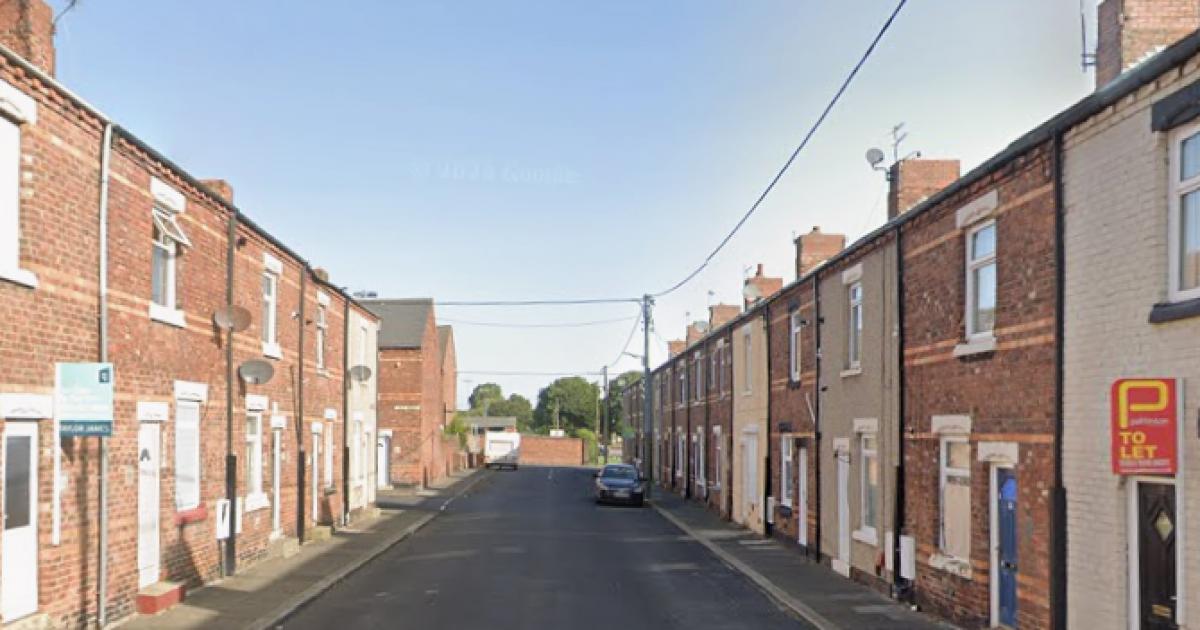
County Durham and Darlington Fire and Rescue Service (CDDFRS) said it was called by Durham Police to a fire on Eighth Street, Horden, yesterday evening.

The service tackled the fire for more than two hours, before handing the scene back to police.

A CDDFRS spokesperson said: “We received a call from the police at 7.24pm informing us that a boarded-up property was on fire on Eighth Street, Horden, Peterlee.

Advertisement

“We sent two appliances and an officer. We used breathing apparatus and two hose reels to tackle a fire on the first floor of the address.

“The electricity board assisted in isolating the electrical supply and the incident was handed back to the police at 9.37pm. Significant damage to the property was caused.”

Northern Powergrid also attended the scene.

The electricity company and Durham Police have been contacted.

Advertisement

Source link

Continue Reading

NewsBeat

Beatrice and Eugenie ‘feel spied on’ as Epstein controversy rolls on

Published

on

Cambridgeshire Live

Andrew and Fergie’s daughters have remained silent and out of the spotlight since their parents were mentioned in the Epstein files

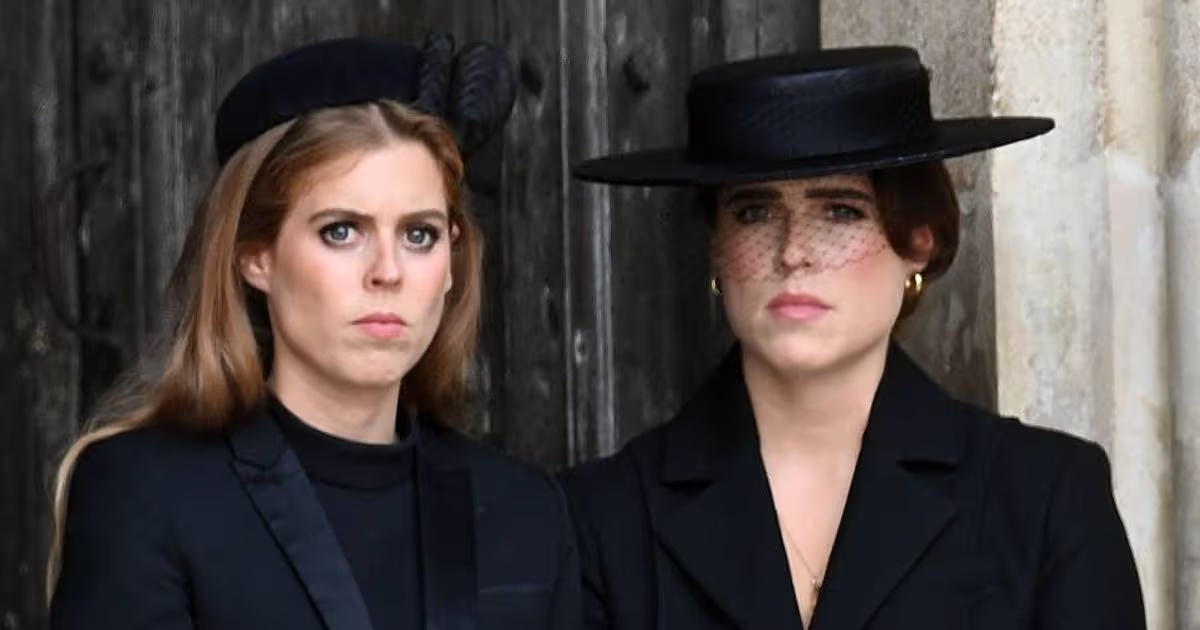
Since the arrest of Andrew Mountbatten-Windsor, his daughters Princess Beatrice and Princess Eugenie have remained silent, maintaining a low profile away from the public gaze. While Eugenie was seen in London earlier this week, her elder sister Beatrice has not been spotted since Andrew and his former wife Sarah Ferguson became entangled in the scandal following the most recent release of the Epstein files.

Jennie Bond, a former BBC royal correspondent, suggests that the royal sisters would be feeling the pressure by association, as more secrets are revealed about the billionaire paedophile’s longstanding relationship with their parents.

Advertisement

Jennie told the Mirror: “Beatrice and Eugenie must still be reeling from the shock of seeing their father arrested and then photographed slumped in the back of a car trying to hide from the cameras. They, too, are now paparazzi prey and they must feel spied on whenever they decide to venture out. So far, we have only seen Eugenie break cover and it was brave of her to do so. Both women must be under enormous pressure and their feelings hugely conflicted.”

After the disclosure of the latest batch of millions of files relating to Jeffrey Epstein, both Andrew and Fergie have been shown to have had long-standing associations with the paedophile. And while Beatrice and Eugenie have not been accused of any wrongdoing, Jennie believes their parents should have warned them about the impending storm.

“Their parents have been exposed as liars,” Jennie stated. “It would have been responsible and thoughtful of their parents to warn them about what might be revealed in the Epstein files. The trouble is neither Andrew nor Sarah knew what was going to be uncovered. Their worst nightmares must by now have been realised.”

Despite Andrew and Fergie’s exile from the royal family, it’s reported that Beatrice and Eugenie maintain a positive relationship with their uncle, King Charles. The royal siblings spent Christmas at Sandringham with the entire royal family.

Advertisement

Jennie commented: “I can’t see the royal family changing their attitude to Beatrice and Eugenie. They have repeatedly let it be known that the women, with their spouses and children, are welcome at royal gatherings.”

Beatrice and Eugenie have established their own careers and generally lead private lives. However, as Jennie pointed out, the sisters’ silence regarding the Epstein scandal has led many royal observers to question what information they may have had access to.

“Even so, legitimate questions are being asked about how much the princesses knew about Epstein and why they apparently agreed to show some of his guests around the Palace,” Jennie noted. “So far, we have heard nothing from the women and that’s probably how it’s going to stay. But an explanation would be helpful. What’s needed now is full transparency and honesty.”

Following Andrew’s arrest, questions have been raised about the line of succession, with the Government preparing to remove the former prince from his position as eighth in line to the throne. Consequently, many have questioned whether his daughters might also relinquish their place in the succession line, or perhaps even their royal titles. Andrew was stripped of his titles last October by his brother King Charles.

Advertisement

Jennie said: “Whether they want to continue calling themselves Princess is really up to them. I’m sure it still opens many doors and is helpful in their careers. There’s no suggestion that either woman has done anything wrong, so if they want to remain princesses, and my guess is that they do, I’m sure they will.”

Andrew Mountbatten-Windsor has denied all allegations against him.

Source link

Advertisement
Continue Reading

Trending

Copyright © 2025