NewsBeat
Four things we learned making The Purpose Pioneers podcast

From a chance encounter that is shifting the momentum of a life, to incremental progress that enables us to ‘eat the elephant’, the things we learned from our guests on our new podcast
It’s the holy grail of a fulfilled life. Whether younger or older, retired, parenting or working, it’s that thing that gets us up in the morning, inspires us to burn the midnight oil and keeps motivation high when the going gets tough: a sense of purpose. We admire elderly folk who stay active in society and motivated in daily tasks. We look on enviably at those who lead organisations with unerring passion and drive, seemingly undeterred by obstacles. And we’re impressed by youth who put their ideals into action.
So, what’s the formula?
As host of Positive News’ new podcast, The Purpose Pioneers, I’ve discovered that there isn’t really one – but that’s part of the beauty of the journey. Discovering one’s purpose and putting it into practice is a deeply personal and nuanced endeavour. While one person may have a light-bulb moment that sparks a mid-career pivot, others describe a collection of experiences that led to a change.
Here are four things we learned about purpose from guests on The Purpose Pioneers.
1. A chance encounter can shift a life
Steve Micklewright is the CEO of rewilding charity Trees for Life and was featured on episode 3 of the podcast. During our conversation, he recounted an experience that would stay with him the rest of his life.
“We were hiking in the Dolomites, in Italy,” he says, “a beautiful, wonderful landscape. We were heading up towards the top of the treeline, and about a hundred metres up, something that I thought was a German Shepherd dog walked out in front of us. It looked at me and I looked at it, and then I thought: ‘oh my god, that’s a wolf’.”
Micklewright explains that encountering the wild animal, which appeared unphazed by his presence, crystallised for him what would later become central to his life’s work: that humans and wild animals can peacefully coexist. After that experience he went on to lead Trees for Life, an organisation that works tirelessly to restore nature and wildlife in the Caledonian pine forests of the Scottish Highlands. Taking the helm there was a turning point for Micklewright, who had previously worked for Birdlife Malta in a politically sensitive role. “What we do at Trees for Life is wholly positive,” he said on the podcast.
Steve Micklewright, CEO of rewilding charity Trees for Life. Image: Alex Baxter
2. Small steps are more realistic than big leaps
For some, like episode 1 guest Stephanie Wheen, focusing on small steps over a long period of time has been a key part of her journey. She is the founder and CEO of charity Gympanzees, which creates inclusive spaces for children with physical and intellectual disabilities to exercise and play. “It’s like that saying, ‘how do you eat an elephant’,” she says, when asked about what advice she might offer to others who are trying to move their goals forward.
It’s taken “nine years of blood, sweat and tears” to get to where they are today, Wheen says. For a lot of that time, progress has felt incremental, but her perseverance has paid off: the organisation will open a state-of-the-art facility for disabled children outside of Bristol later this year.
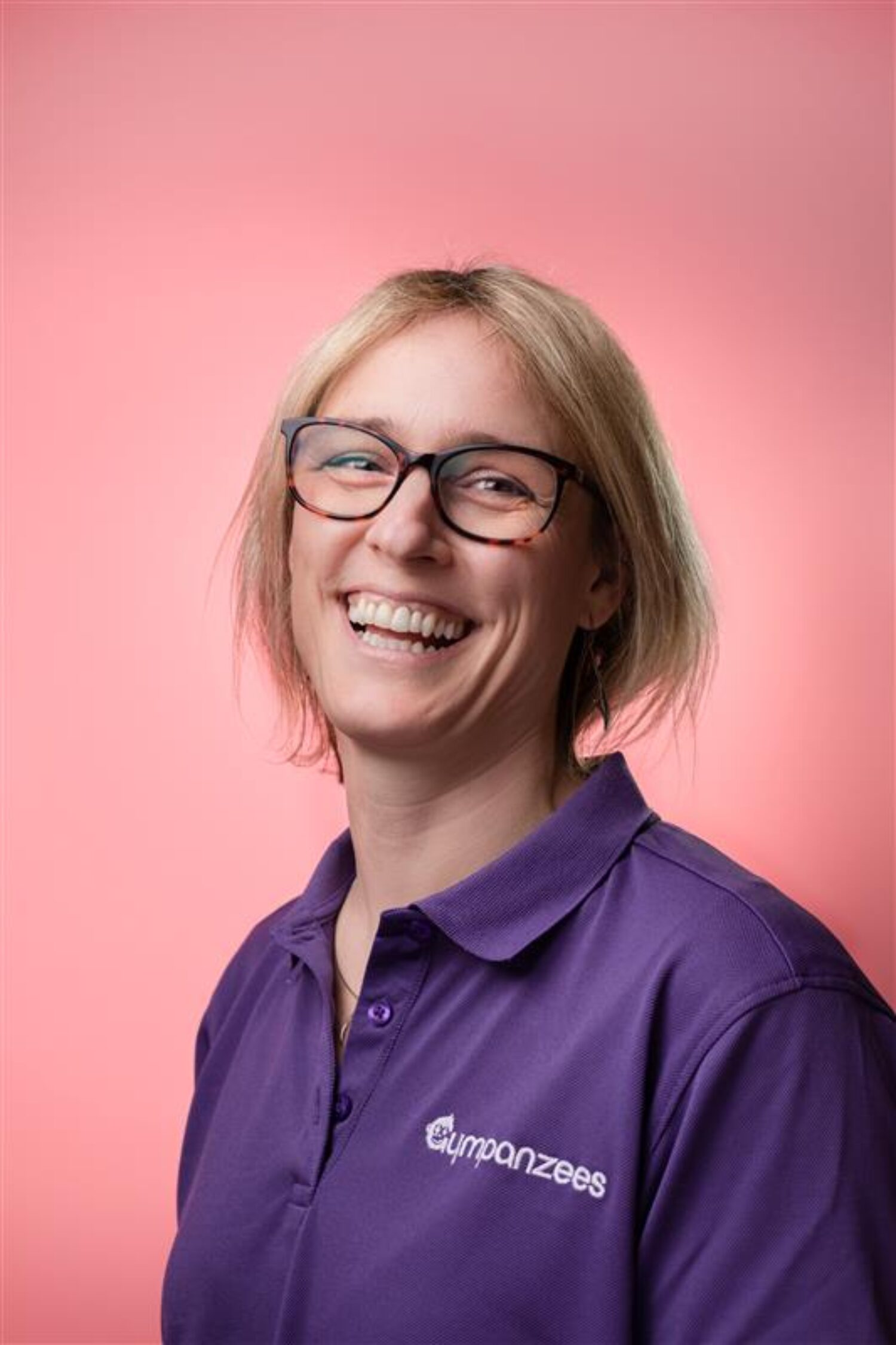

Stephanie Wheen, founder and CEO of charity Gympanzees, which creates inclusive spaces for children with physical and intellectual disabilities to exercise and play
3. Experiences collected over decades could lead to change
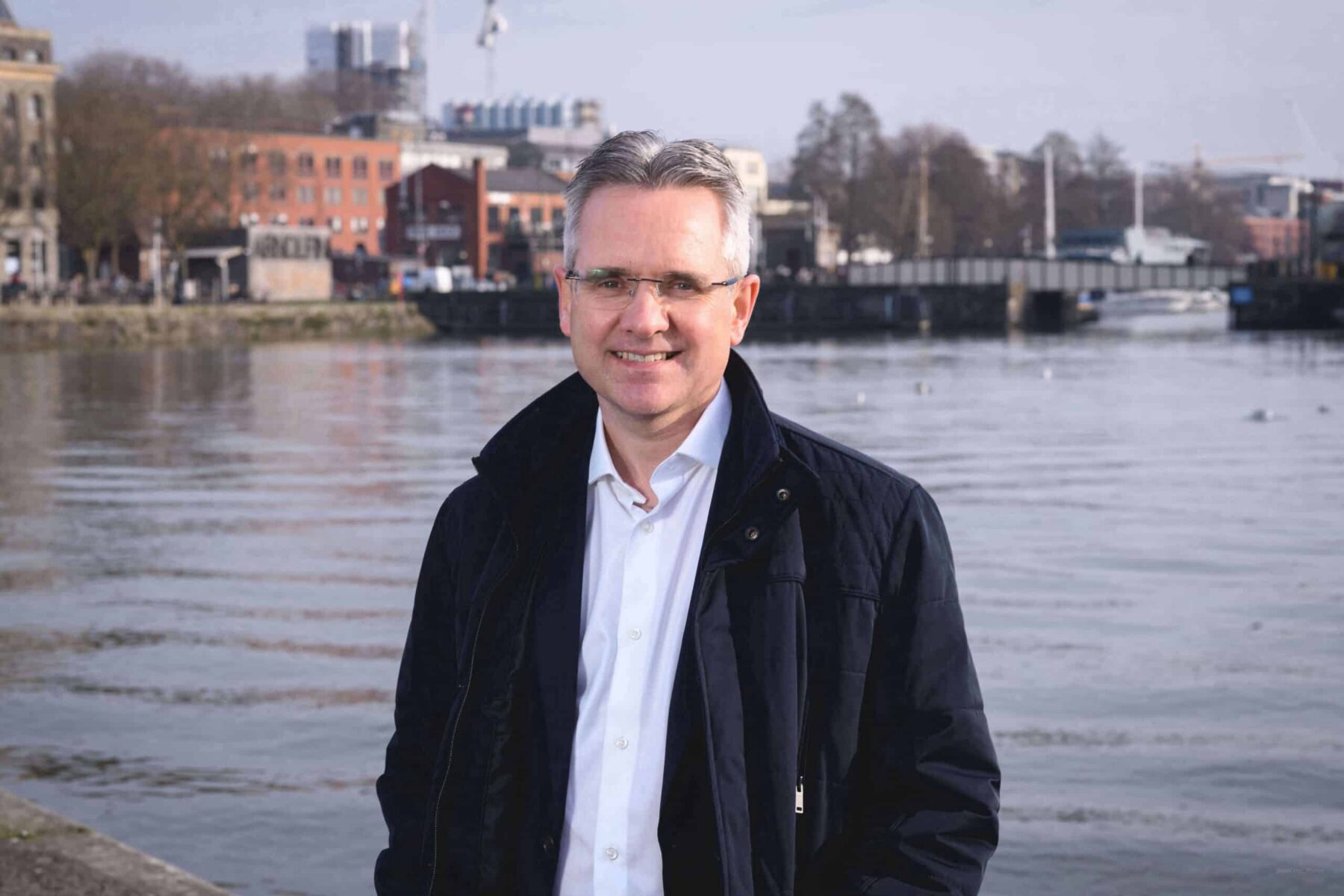
For episode 4 guest Mark Clayton finding his purpose as the CEO of ethical bank Triodos, happened more as a slow wave. He made his start as a trainee at HSBC, and over time, rose to senior positions. He would end up spending nearly 24 years there before it became clear to him that he needed a change of direction.
Clayton emphasises that he worked with some wonderfully dedicated people at HSBC, but that overall, there were aspects of the banking industry that were fundamentally not operating in the best interests of people. “Regulators introduced rules called ‘treating customers fairly’,” he recounts. “You sit and think, surely that shouldn’t have to be regulated for.” It was experiences like these that, over years, led to feelings of unease – and precipitated action.
In February 2020, Clayton left HSBC for Unity Trust Bank, and then joined Triodos UK in January 2024. The ethical bank finances only organisations that deliver social, environmental and cultural benefits, and does not fund harmful industries such as fossil fuels.
“I felt like I’d come home,” says Clayton.
4. Applying the scientific method might help
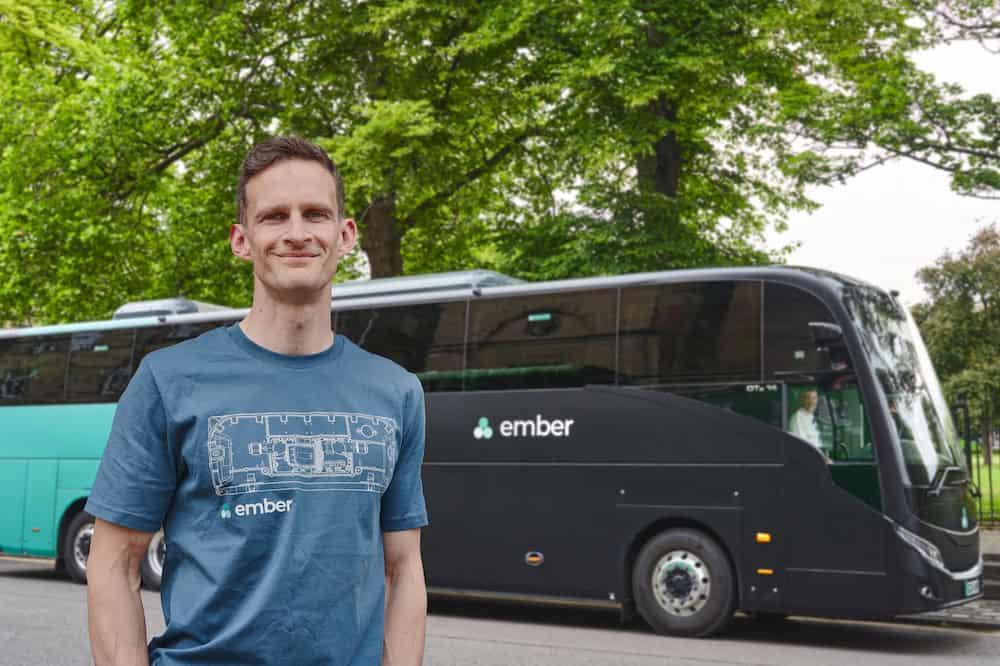
Episode 2 guest, Keith Bradbury, isn’t afraid to dig deep. After working in the fintech industry for nearly a decade, he knew he wanted to break out on his own. Teaming up with friend and colleague Pierce Glennie, who was also keen to test the entrepreneurial waters, the duo could have put their backgrounds to work and started a hedge fund, or something similar, says Bradbury. But that wasn’t interesting to them. “Making money wasn’t the priority,” he says.
Instead, they co-founded Ember, the UK’s first inter-city electric coach company, which currently runs services in Scotland. As an analytical thinker and someone who enjoys the process of unpicking the layers of a problem, Bradbury approaches the running of the business almost scientifically. He believes that any organisation can achieve greatness by focusing on individual aspects of their operation and improving them. Lots of small improvements, put together, create a broader solution that is “10 times, 100 times better,” he says.
“I have this deep faith in putting together the different building blocks…of going beyond incremental change and reaching a solution that is just far, far better,” he says. “It’s almost like a paradigm shift actually, in whatever problem that you’re trying to solve.”
Main image: Keith Bradbury by Chris Watt Photography
Be part of the solution
At Positive News, we’re not chasing clicks or profits for media moguls – we’re here to serve you and have a positive social impact. We can’t do this unless enough people like you choose to support our journalism.
Give once from just £1, or join 1,800+ others who contribute an average of £3 or more per month. Together, we can build a healthier form of media – one that focuses on solutions, progress and possibilities, and empowers people to create positive change.