NewsBeat
Heading to Azerbaijan for a weekend break conjures up a magic carpet extravaganza

The clinching argument for a long weekend to Baku, Azerbaijan’s ancient capital on the Silk Road, was that for one weekend only almost all the streets in the medieval Old Town would be covered by hand-woven carpets. There would be hundreds of them, laid head-to-head in a magical mosaic of colour and artful designs.
I also fancifully conjectured that Shakespeare might have been considering the festival when, in The Tempest, he poetically extemporised how “the earth’s a carpet laid before the sun”. Well, Baku certainly took his word literally. The capital was transformed into a giant installation of colourful knots, threads and weaves covering its cobbled streets. Dealers, weavers, stitchers, collectors and historians gathered from 19 nations to debate and celebrate this ancient artistry, as some carpets, we learnt, were first woven more than 2,000 years ago.

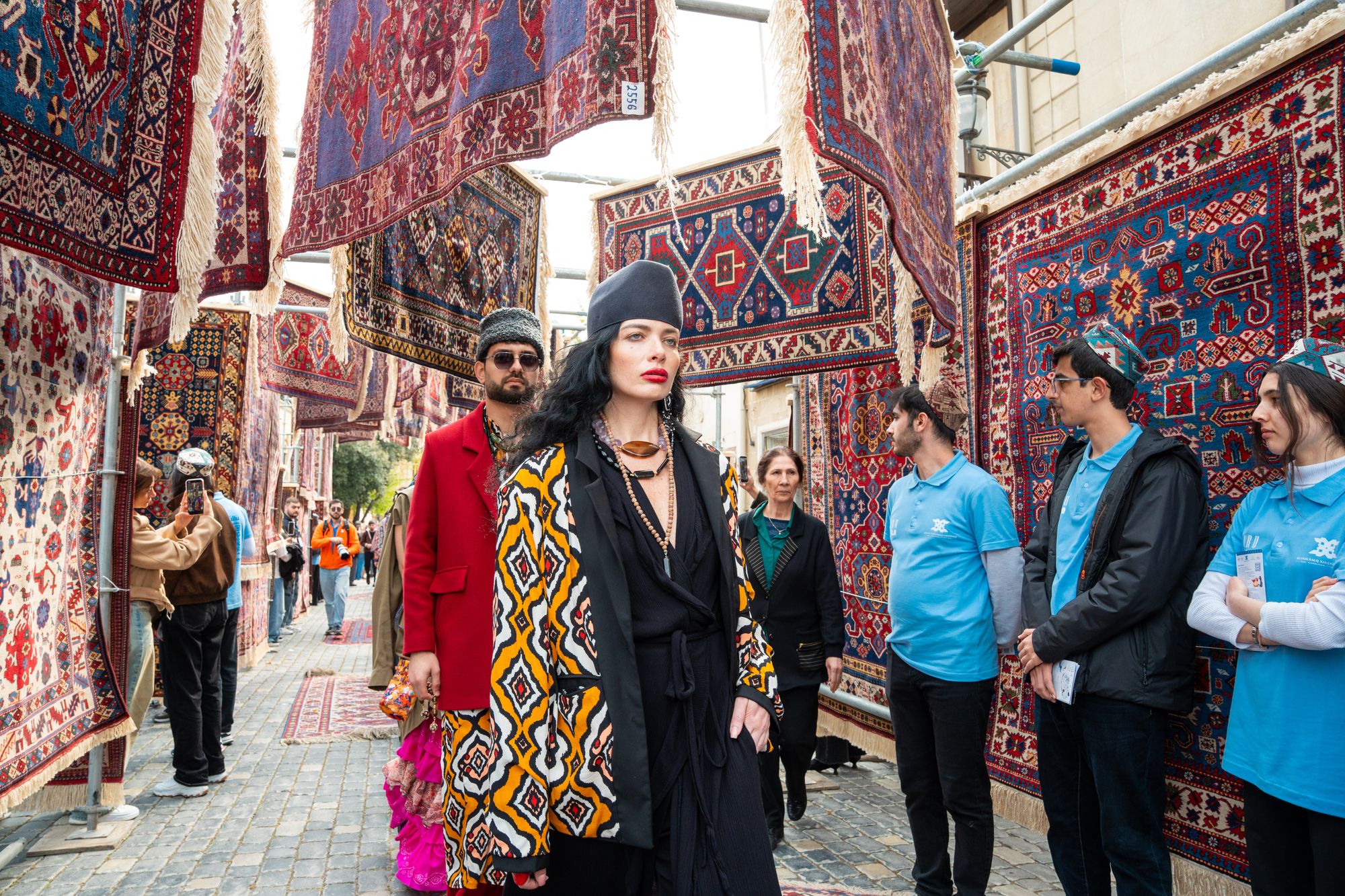
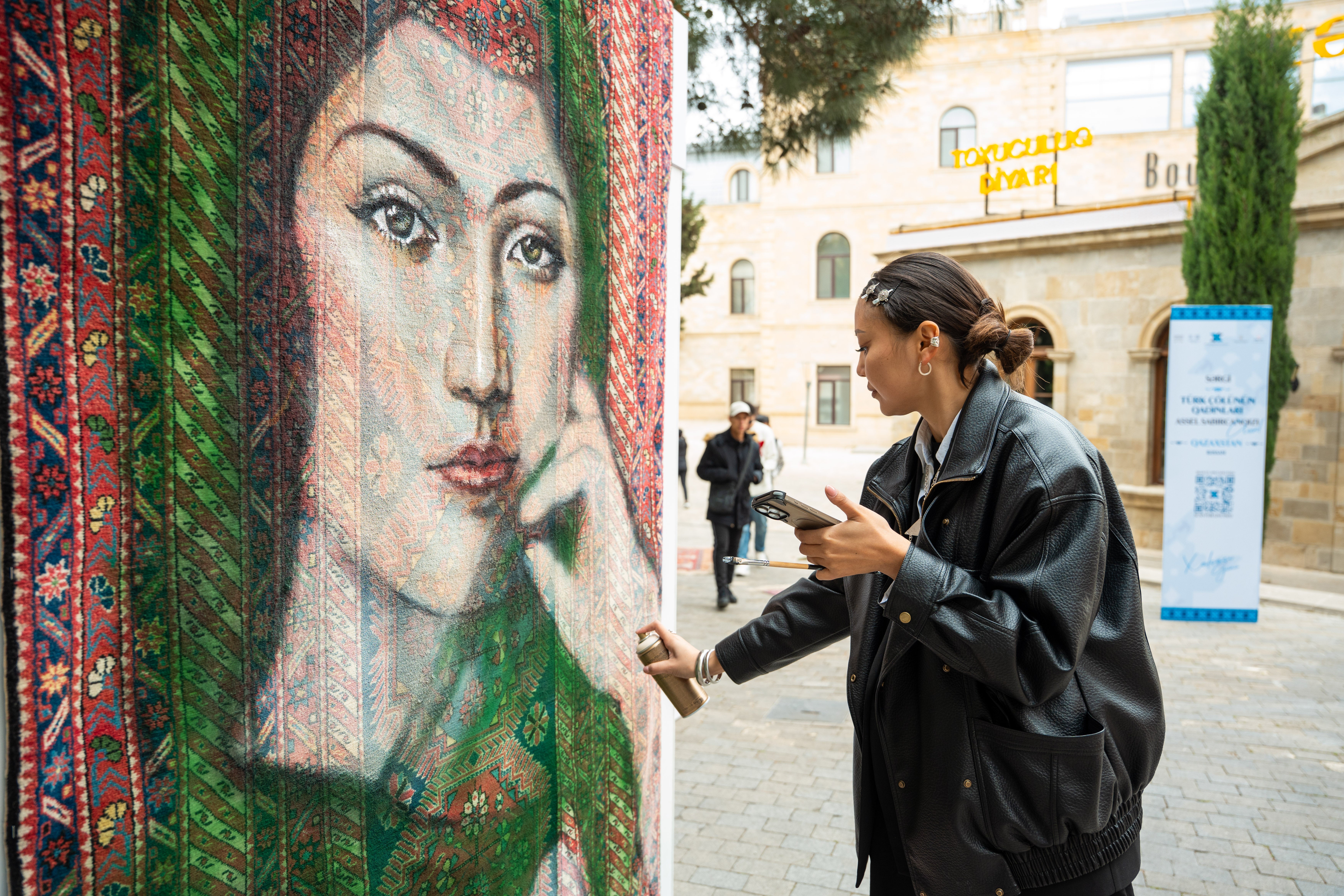
It was an academic forum alongside a place for thousands of visitors to enjoy the festival’s dramatic street theatre, surreally coinciding with the Baku marathon, the country’s first international race with the full 26-mile course. One artist painted serene faces onto rugs on an easel, next to a pop-up children’s football pitch entirely composed of rugs. Earlier in the day, experts from Japan and Nepal pitched arguments about the carpet’s role in aiding the GDP of their countries as well as defining their national identity.
This carpet fest was imaginative and startling, mirroring how Baku has redefined itself via its architecture: putting medieval and modernist masterpieces side by side. This is a country that has deliberately placed art and culture at the centre of its development, latterly funded by its oil fortune. It has given Azerbaijan a standout national identity, distinct from its grey, Soviet-controlled existence before 1991, when Perestroika loosened Russian hegemony. But it is only in the last 25 years that its economy has taken off, combining taste, style and fiscal growth, aided by a formative partnership with BP.
Azerbaijan is certainly more present on the world stage. It straddled the world of petroeconomics and environmental policies when it hosted Cop 29 in 2024. It is now a fixture in the Formula One calendar and hosted the European winter sports championships this year.
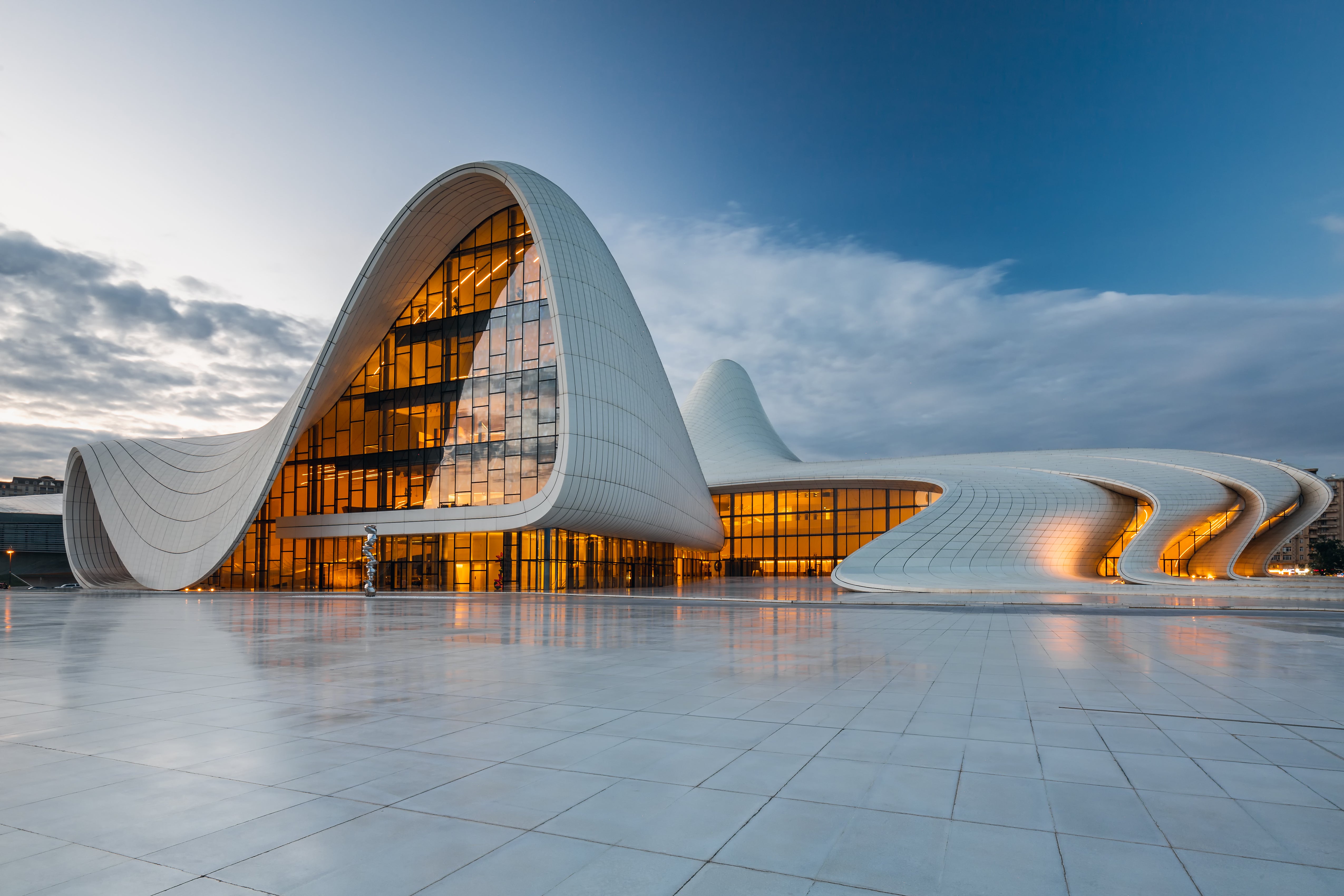
Not exactly a magic carpet, but the overnight jet leaving Heathrow at 10pm allows you to arrive in Baku at 6am. Three nights is a perfect amount of time for a taster of the capital. Not only is the carpet museum in Baku the largest in the world, but it is even shaped like a folding rug. It shares the skyline with one of the great masterpieces of modernist architecture: Zaha Hadid’s Heydar Aliyev Centre, also designed to look like a surface that has been lifted, folded, and frozen in motion – very similar to the ripples of a carpet, a comparison that is made often. While a carpet is flexible and soft, the building imitates its folds with rigid concrete and steel. It is impossible to overestimate how in Azerbaijan, carpets are a major traditional art form.

Read more: What happened when I took a pilgrimage through the Andalucian art trail
A weekend is the ideal length of time for walking around the safe and easy city. In Baku, you can go from exploring medieval stone walls straight to futuristic parametric design in under 20 minutes. This walled city is a dense mix of Islamic, Persian and local Shirvan styles, with caravanserais, mosques and narrow lanes. Among the key monuments is the 12th-century Maiden Tower, which is well worth the climb for a panoramic view of the Palace of the Shirvanshahs, a Unesco-listed masterpiece.
Reflecting the oil boom of the early 20th century are landmarks such as the Ismailiyya Palace, a Venetian Gothic revival building, the Azerbaijan State Philharmonic Hall with its Italian Renaissance influence and Baku City Hall, with its Beaux-Arts design. They are demonstrative of a time of optimism, when European architects reshaped the city into a kind of Paris of the East.
Back to the carpet festival, though, where Emin Mammadov was presiding over the affair. He is a dashing entrepreneur and chair of the carpet board, whose turbocharged ambition is to grow the festival, which is now in its third year. Surprise and quality are his watchwords, as modern and ancient swirl together like patterns on a traditional carpet, all contrasting and combining.

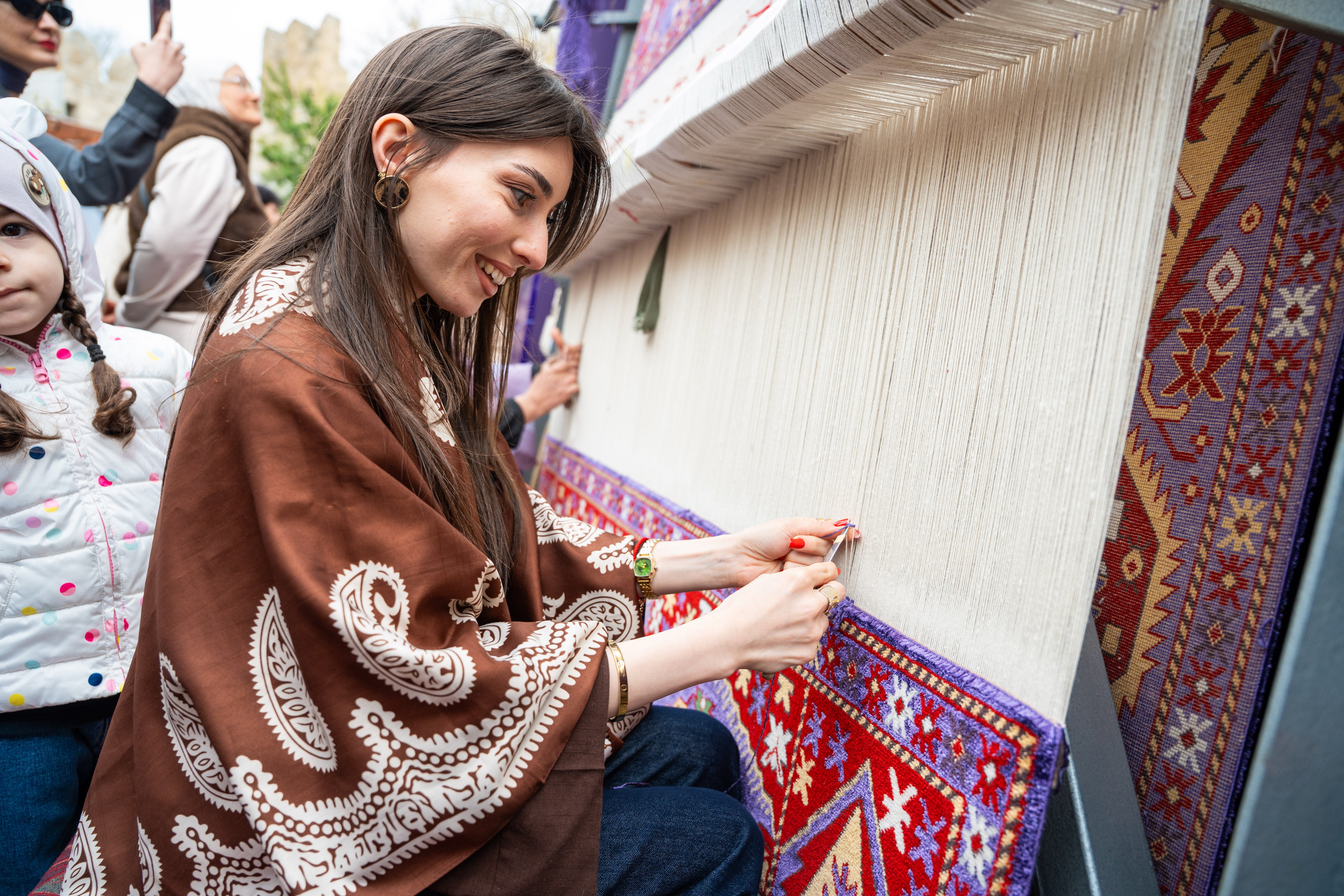
“We are inviting the world to see that carpets are the key to understanding art and economies through symbolism and natural displays. We all connect through a vision of creativity and fellowship as we invite the world to join this beautiful celebration of art and artisans and prove the art of the possible,” he explained.
There is talk of expansion and more partnerships for next year’s festival. It might include carpets’ role in Hollywood films, in poetry (Shakespeare has no monopoly) and live debates about the role women play as skilled craft practitioners. There is also discussion of how artists from Holbein to Velasquez were transfixed by the woven wonder of wool and silk. Carpets – red, magic or even flying – have always transfixed the imagination.
In Disney’s Aladdin, the magic carpet is a central character, not just a prop. It becomes a symbol of freedom, imagination and movement beyond physical space. In The Grand Budapest Hotel, director Wes Anderson builds a world saturated with patterned interiors – especially carpets, wallpapers, and textiles – which reinforce the film’s obsession with design, memory and artificial perfection. There is even an entry into the horror film genre. In The Shining, the Overlook Hotel’s geometric carpets are iconic in their own right. Their impossible, maze-like patterns echo the film’s psychological disorientation and hidden spatial logic.

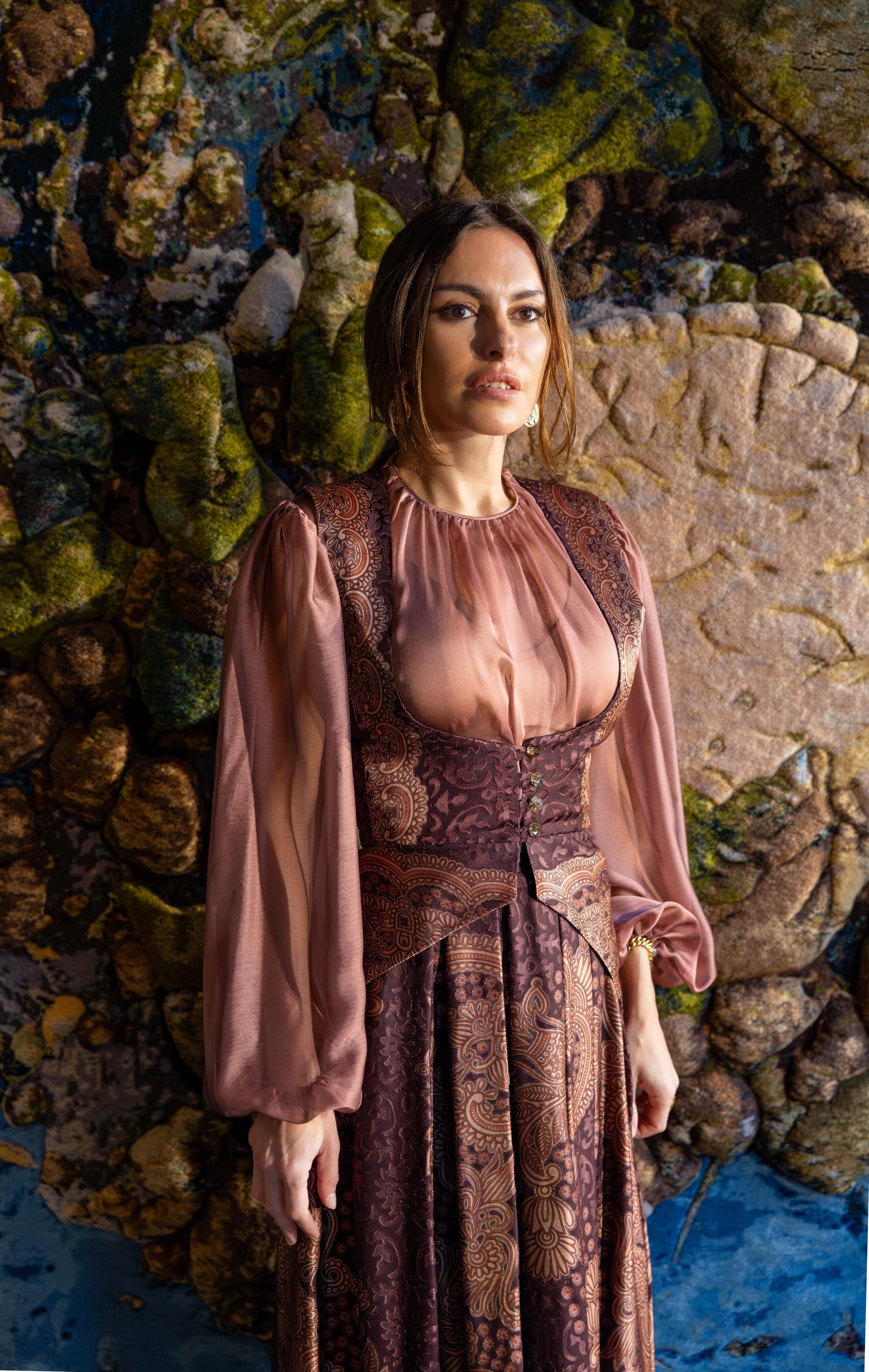
This year, the link between painting and carpets was a key theme. One of the most dramatic revelations was the work of Aida Mahmudova, an acclaimed artist in Baku as well as an alumna of London’s Central St Martin’s, whose eclectic works combine powerful abstraction and something similar to Frank Auerbach’s encrusted, tactile, painted masterpieces.
Her paintings have a softer palette of colours than Auerbach’s, which ripple and engage with a passionate intensity. Her pictures have been made into carpets, cross-fertilising the art forms and spinning a modern twist to this ancient craft. Another highlight is the work of Assel Sabircangizi, or Assol, a Kazakh artist creating stunning portraits by brushing and spraying oil paint onto existing carpets. They make for epic pictures, which reinvent Mughal portraiture for the modern age.
The festival sets out to surprise and steers away from the stereotypical image of endless negotiations with sellers in the souk. This is the moment to see carpets as art and investment, but, most importantly, to alter cliched preconceptions by revealing national and regional identities in carpets.
Read more: Why Malta should be your next escape
In the Old City, with its echoes of Prague, it is delightful just to sit back and let the world go by in its maze of labyrinthine streets. Drinking the local wines and vodka in its tiny bars, or trying baklava in a tea room, is heavenly. Spinach and lamb pancakes and glassfuls of tea make enticing fare. Luxury shopping in the new town offers more brands than Bond Street, only cheaper. Value for money is a definite plus.
The advantage of a short visit is that the city is easy, and colourful, and the cultural diet offered ranges from high to low. The only frustration is that there is much more to do – locals will tell you to visit the snow-capped mountains for skiing, to chill on the sandy beaches, to try the jazz, and lemon, and pomegranate festivals, and also take a road trip. The country boasts nine climate zones, from subtropical to desert to freezing mountain tops.
A modern cultural transformation is still taking place in Baku. One of the key figures is Anar Alakbarov, assistant to the president and executive director of the Heydar Aliyev Foundation.
“Art creates a space for us all to value the past, but to also re-evaluate and enhance the present, which invests in the future. Beauty and a celebration of art has been a way of life here with carpets and ceramics. We learn from that and continue that tradition,” he said, before heading for the coast to take part in the marathon.
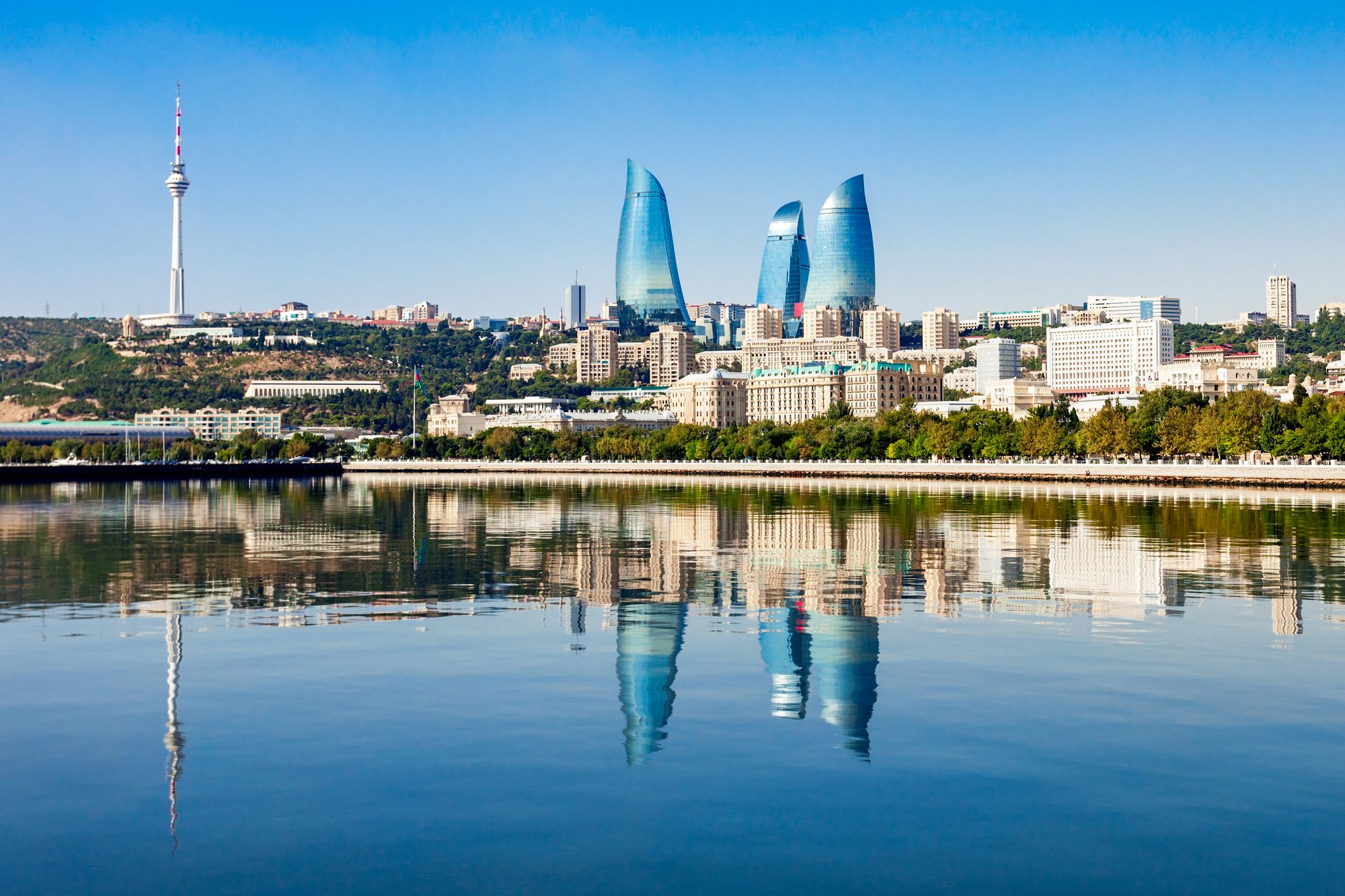
Leaving Baku early in the morning, I gazed out from my taxi at the two 21st-century Flame Towers. Nearby are the stone palaces, more than 500 years old. Few would argue with Shakespeare when he celebrated the intrinsic combination of power and passion seen through a carpet – and the impressiveness of a trip to Baku is similarly irrefutable. Is there a more magnificent ice breaker when someone asks me what I got up to at the weekend?
How to do it
Flights to Baku from London Gatwick with Azerbaijan Airlines take around five-and-a-half hours, starting from £375.
You must be logged in to post a comment Login