NewsBeat
How do I attract birds into my garden? Expert spring guide

But with so many different species, from great tits to pied wagtails and sparrows, it can be difficult to know exactly what they need, when it comes to making our outdoor spaces an inviting place for them to live and visit.
As we will soon be spending more time outside and our gardens come back to life after a cold and dull winter, we spoke to the experts to find out how you can easily attract birds into your green areas this year.
How to make your garden attract birds in spring, summer and all year round
From hedges to feeders and bird-friendly plants including ivy and honeysuckle, there are so many “crucial” ways you can make your garden inviting for birds such as blue tits, robins, and finches.
Hedges Direct head of horticulture, Martin Chaplin, outlined: “If you want the birds to stay in your garden, providing them with a safe habitat to shelter and nest is crucial.
“Hedges make excellent spaces for birds, especially when designed and maintained with birds in mind.
“The more plant species you have in your hedge, the more species of birds you are likely to attract, as different birds have different needs.
“Most birds prefer to nest in a wide hedge that has good coverage.”
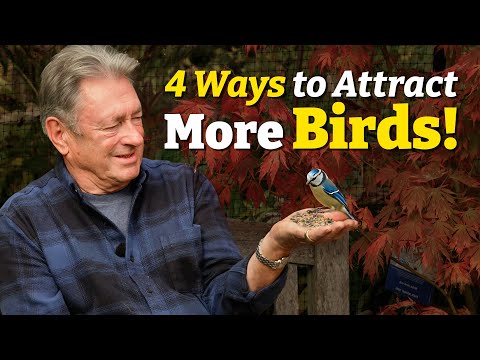
Martin added: “Hanging bird boxes can also help species such as bluetits, great tits, and sparrows.
“Providing and maintaining bird feeders is also a good step when considering how to attract birds to your garden.
“Try to place your bird feeders somewhere the birds will have space to access them, but with cover nearby, so they can shelter from predators if needed.

“Try to provide some choice when filling your bird feeders.
“Some great options to encourage birds are mealworms which are popular with robins, blackbirds, magpies, and starlings.”
The horticulture expert continued: “Suet balls are perfect for getting birds through the cold winter months. It’s also easy and fun to make your own.
“Peanuts are most likely to attract tits, finches and siskin; peanuts are a high protein and high-fat feed excellent for building fat for winter.
“Sunflower hearts are high energy and rich in protein. These are very popular with sparrows, robins and finches.
“Finally, many hedgerow plants will bear fruits or seeds, providing excellent cover for nesting birds.
“Hedges and trees will also help your birds feel safe while using your bird feeders.
What is your favourite kind of bird? (Image: Erin Mudd/getty)
“There are many bird-friendly plants you can grow in your garden. Some great choices are ivy, honeysuckle, holly, hawthorn, blackthorn and pyracantha.
“Other garden plants that produce fruits or seeds will also be valuable for your garden birds.”
Sparrows
Sparrows are one of the most popular birds many gardeners are keen to encourage into their outdoor spaces.
Luke Newnes, a gardening expert at Hillarys who is passionate about attracting birds into his own garden, detailed: “For sparrows, the biggest thing is providing plenty of natural cover.
“They love dense hedges, shrubs and anything they can dive into quickly if they feel threatened.
“I’ve noticed that people often focus heavily on feeders, but sparrows especially like to forage on the ground, so scattering some seeds low down or letting a small patch of lawn grow a bit longer can make a surprising difference.
Best flowers to plant in spring
“They’re big fans of mixed seed blends, but millet is one of the things that really brings them in.
“A shallow dish of water nearby helps too, as sparrows drink little and often.”
Meanwhile, Victoria Parkinson, a garden expert at Arctic Cabins agreed: “Sparrows are social eaters, so they prefer to feed together in the open.
“Scatter a good quality seed mix or grains on a bird table or a ground feeder rather than hiding it away in a hanging feeder.
“They will also appreciate a safe place to nest, and they love to do this in colonies, so a cluster of nest boxes placed close together is a good start.
“Or if you want a more natural approach, plant a dense hedge (hawthorne is an excellent choice) and it will provide secure shelter from predators and a perfect spot for them to build their homes.’’
Pied wagtail
Luke advised: “Pied wagtails are a bit different as they’re wonderfully charismatic birds, but their needs aren’t quite the same as the classic garden feeder visitors.
“Wagtails are insect hunters, so the key is encouraging a healthy insect population.
“I always suggest having at least one section of the garden that’s slightly wilder: think log piles, leaf litter and some flowering plants that attract midges and small flies.
“You’ll often see wagtails patrolling patios, driveways and lawns because they prefer open ground where they can dart after insects, so keeping part of the garden fairly open works in your favour.
Are robins common in your garden? (Image: Getty Images)
“A shallow bird bath that mimics a puddle can also help, as wagtails are naturally drawn to water edges.”
Similarly, Victoria also recommended a shallow bird bath when it comes to attracting pied wagtails.
She echoed: “They’re ground hunters by nature, dashing about after insects with real purpose.
“They’re also surprisingly bold around paved areas and buildings.
“To attract them into your garden, skip the seed feeders and go straight for mealworms scattered on an open patch of lawn or patio.
“A tip I would suggest is to soak them in water first, as this makes them even more appealing, especially for parent birds feeding chicks.
“They’re also drawn to water, so a shallow bird bath is a good move.
“If you can find a spot to tuck an open-fronted nest box low down in some ivy or a thick shrub, you’ll have these smart little characters strutting about your garden all spring.’’
Let us know which types of birds like to visit your garden in the comments below.