NewsBeat
How Nigel Farage’s plan to scrap indefinite leave to remain could put thousands at risk of deportation

Reform UK has announced a range of policies to crack down immigration, including mass deportations and increased surveillance to complement its radical overhaul of the indefinite leave to remain (ILR) system.
The plans could see hundreds of thousands of legal migrants deported from the UK, and rules severely tightened for people looking to migrate to the country.
The party’s home affairs spokesperson, Zia Yusuf, delivered a speech on Monday on its plans to create a new ‘Trump inspired’ deportation agency with the capacity to detain 24,000 migrants at a time. This will come alongside automatic home searches for anyone referred to Prevent counter-terrorism, and a ban on the conversion of churches into mosques.
In 2025, the party shared disputed figures that its ILR policy alone would save more than £200bn. This is the main route by which migrants are able to settle in the UK and is open to people who have worked and lived in the UK legally for five years.

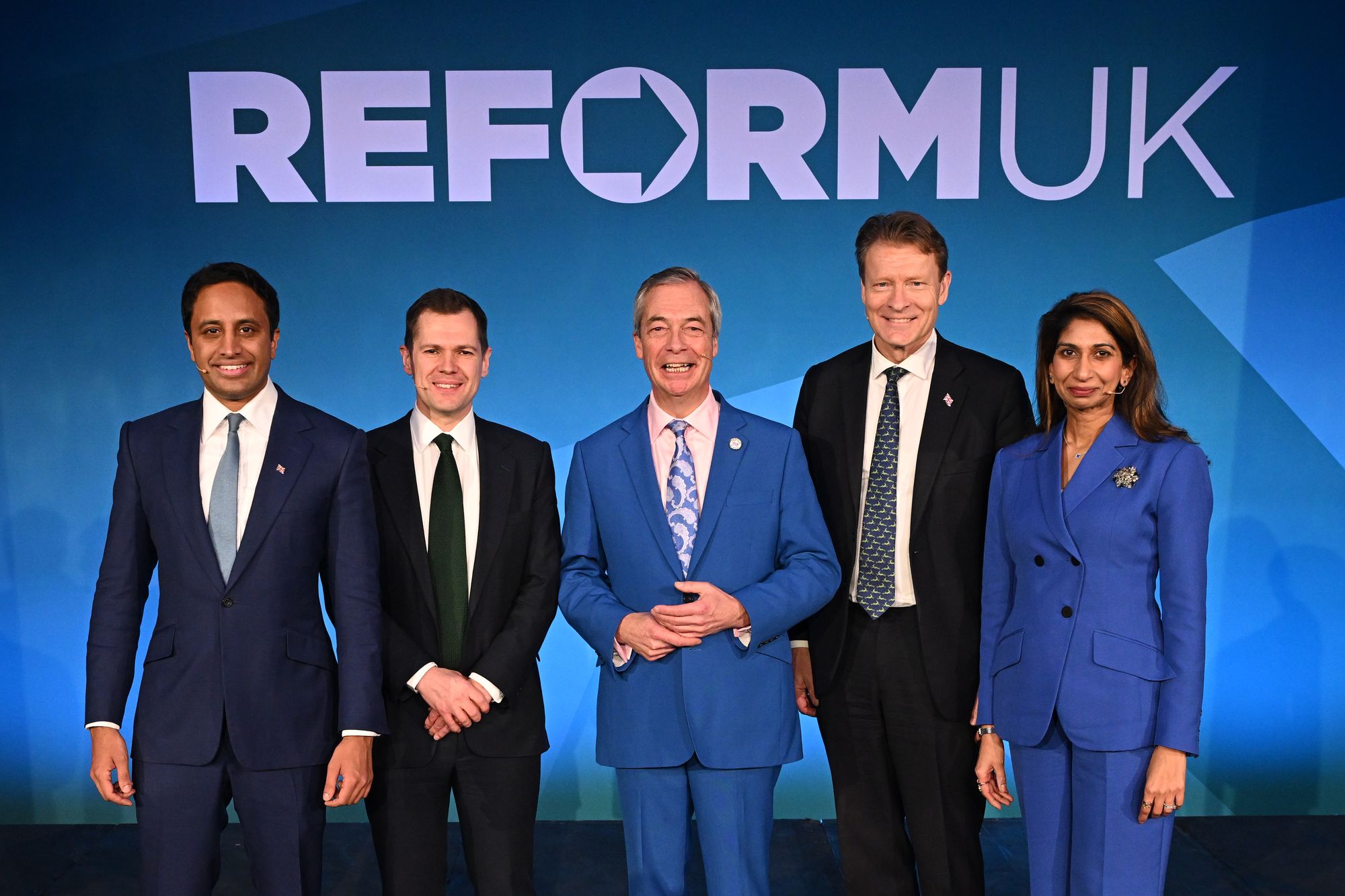
Reform leader Nigel Farage claimed the plans would undo the “Boris wave” of migrants ushered in by the former Conservative prime minister. This refers to around 800,000 migrants who came to the UK under “relaxed” post-Brexit migration rules introduced by Boris Johnson’s government, and who will soon begin to qualify for permanent residence. He added that this group were “going to be a huge burden on the state”.
Mr Farage also claimed the policy would save £234bn, a figure drawn from a Centre for Policy Studies report that has been withdrawn due to a dispute over the numbers. The think tank said the cost estimate should “no longer be used”.
The plans have been widely criticised by politicians, campaigners and experts, who have said the proposals are “morally wrong” and will “tear families apart”.
Here’s what you need to know about the policy:
How does indefinite leave to remain currently work?
Indefinite leave to remain is how most migrants settle in the UK, wherever they come from. It gives them the right to live, work and study in the country permanently, as well as access benefits where eligible.
It also enables their family to migrate to the UK under certain conditions.
In most cases, ILR can be applied for after five years of living and working in the UK. Depending on visa type, the applicant may also need to meet certain salary or financial requirements.


For most workers, this will be at least £41,700 per year, or the “standard going rate” for the type of work you’ll be doing, which could be higher. After securing ILR, a person can generally apply for British citizenship after 12 months.
Last May, Labour pledged to introduce tough new restrictions on ILR, meaning most applicants will need to be in the UK for 10 years before they can apply, as well as shortening the list of eligible jobs.
What would change under the plans?
Under Reform’s plans, this settled status would be scrapped – even for those currently residing in the UK on it.
Instead, a new visa with far stricter requirements would need to be successfully applied for and renewed every five years.
The policy would reportedly also see the salary threshold to apply increased to around £60,000, nearly double the median UK salary (£31,602).
The plans would throw the lives of the estimated 430,000 people holding ILR into uncertainty, despite many having lived in the UK for decades. They would be forced to reapply and would face deportation if they do not qualify under the new rules.

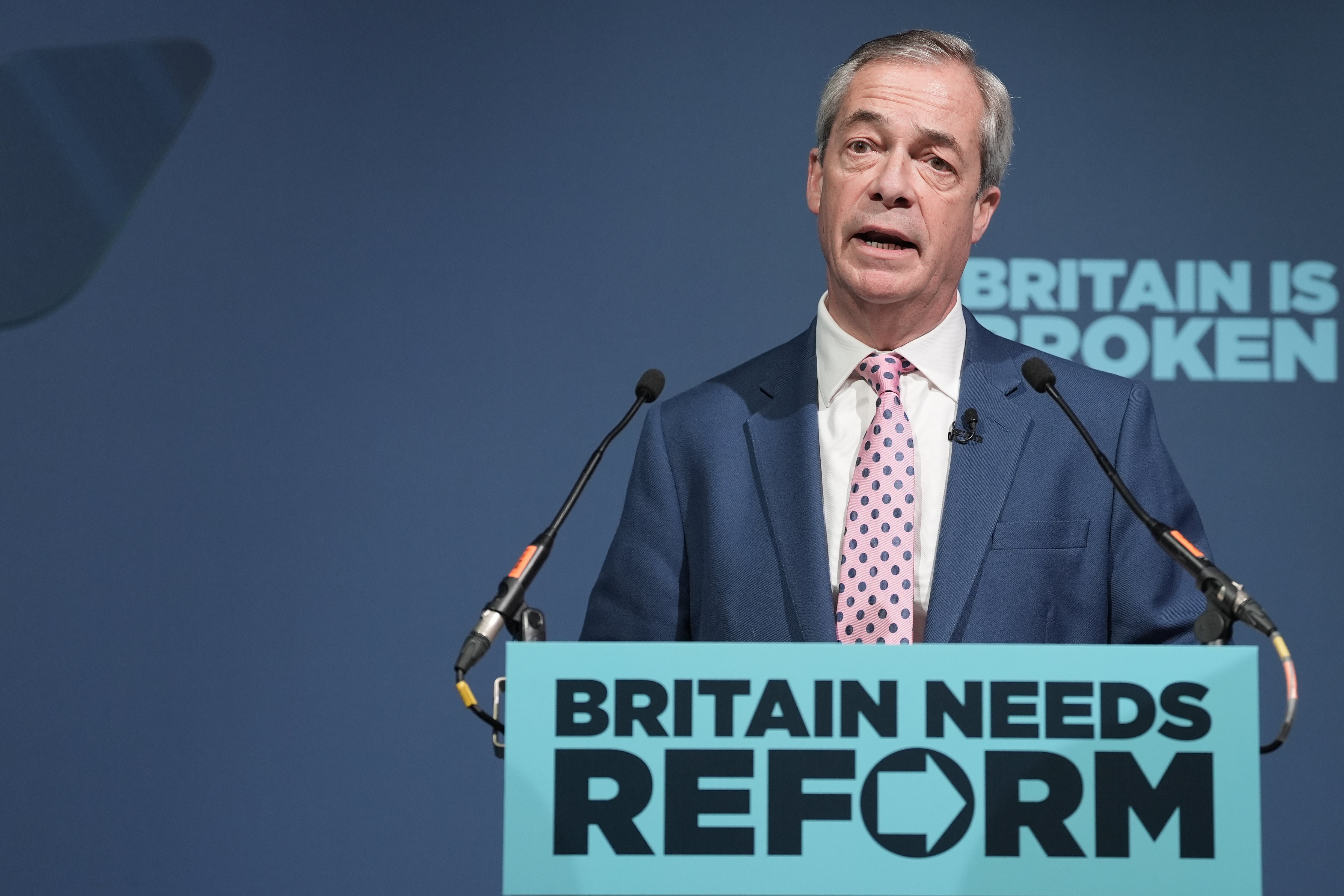
It would also see the rights and freedoms they enjoy restricted, as access to NHS services or benefits would be rescinded. The new visas would require advanced English, with strict new limits on partners and family members being able to join.
Reform is expected to confirm that the policy would be enforced by a newly-created ‘UK Deportation Command’, modelled on America’s controversial ICE agency. Mr Yusuf told The Times last year this will be like “Trump mark two”.
The party has also previously pledged to leave the European Convention on Human Rights and replace the Human Rights Act with a British Bill of Rights. This would enable its government to carry out its pledged mass deportations of asylum seekers – plans which have also had their claimed economic benefit called into question.
Do the plans and numbers add up?
The alleged £234bn in savings would be “over the lifetime of the average migrant”. There is no further breakdown, but the average lifespan in the UK is currently around 80 years old. In this case, then the proposed savings would be less than £3bn a year (£2.9bn) on average — a far more modest number than what Reform is brandishing.
Even over a 50-year lifespan in the UK, the alleged savings could be £4.7bn a year on average – and that’s without considering the economic benefits of the migrant workforce.
It is also unclear where these savings will come from and how they have been calculated. Reform has said that almost £9bn a year in universal credit is claimed by foreign nationals. But getting rid of ILR would not stop most foreign universal credit claimants from being eligible, since the majority are from the EU Settlement Scheme, agreed under Brexit, and would still be entitled to benefits.
As of July 2025, there were 213,666 people with indefinite leave to remain claiming universal credit. This makes up just 2.8 per cent of all claimants. This small fraction would mean that the government spend around £1.7bn this year on universal credit for people with indefinite leave to remain – far off from the £234bn savings, even if extended over a 50 or 80 year timeline.
And even if 800,000 more people will be granted ILR from the “Boris wave” – as Reform claims – there is nothing to suggest that these people will go on to claim universal credit. There is also no clear figure on how many foreign nationals in the UK have indefinite leave to remain. So, as it stands, the evidence behind Reform’s £234bn savings is murky at best.
Asked about Reform’s claim that they could save £234bn over several decades last year, chancellor Rachel Reeves said: “The numbers that Reform have come out with overnight have already begun to disassemble.”
She added: “It is a difficult challenge, I think everybody can see that, but simple gimmicks like those put forward by Reform that have no basis in reality and where the numbers just fall apart – that’s not the way to tackle a very serious issue, and this Labour government are getting on and doing that.”
You must be logged in to post a comment Login