NewsBeat
How schools are winning children over to healthier lunches

The government is overhauling school food standards in England for the first time in more than a decade. The challenge is encouraging pupils to embrace the new menu
It’s midday on a Friday and children are pouring into the lunch hall at Greenside primary school, an inner-city state school in west London.
Rather than fish and chips or pizza, often served on the last day of the week, enormous trays of chickpeas and spicy rice are emerging from the kitchen, alongside roasted sweet potatoes, green beans and spinach braised with garlic. According to the excited four- and five-year-olds queuing up, the best thing is that all this can be crammed into a burrito with a choice of toppings served at the table. “I like the olives and cheese best,” says five-year-old Sumaya.
For anyone still hungry, homemade loaves of focaccia are lined up by the ovens, filling the hall with a sweet, malty aroma. “Every Friday, it’s ‘breaducation’, which means all the pupils get involved in making some kind of bread, and we link it back to whatever they are learning in the curriculum,” explains chef Jo Ilbury, who heads up the school’s catering team. “Anything left over is sold to parents at the end of the day.”
This is a school that takes food seriously, from the herb planters in the garden, which children can pick from, to the compost bin they help manage. Here, sustainability and an understanding of where food comes from are built into the day.
Two decades on from TV chef Jamie Oliver’s war on turkey twizzlers, Greenside primary is one of a growing number of schools that have made lasting changes to their kitchens, reflecting a national improvement in valuing what children eat. But progress remains patchy. For every school with pupils baking their own sourdough, there’s another serving up bland, highly processed fare, low in vegetables and favour.
A recent poll by the government revealed that three-quarters of parents in the UK are concerned by the food their children eat at school. What’s more, the health figures remain worrying, with one in three children leaving primary school overweight or obese.
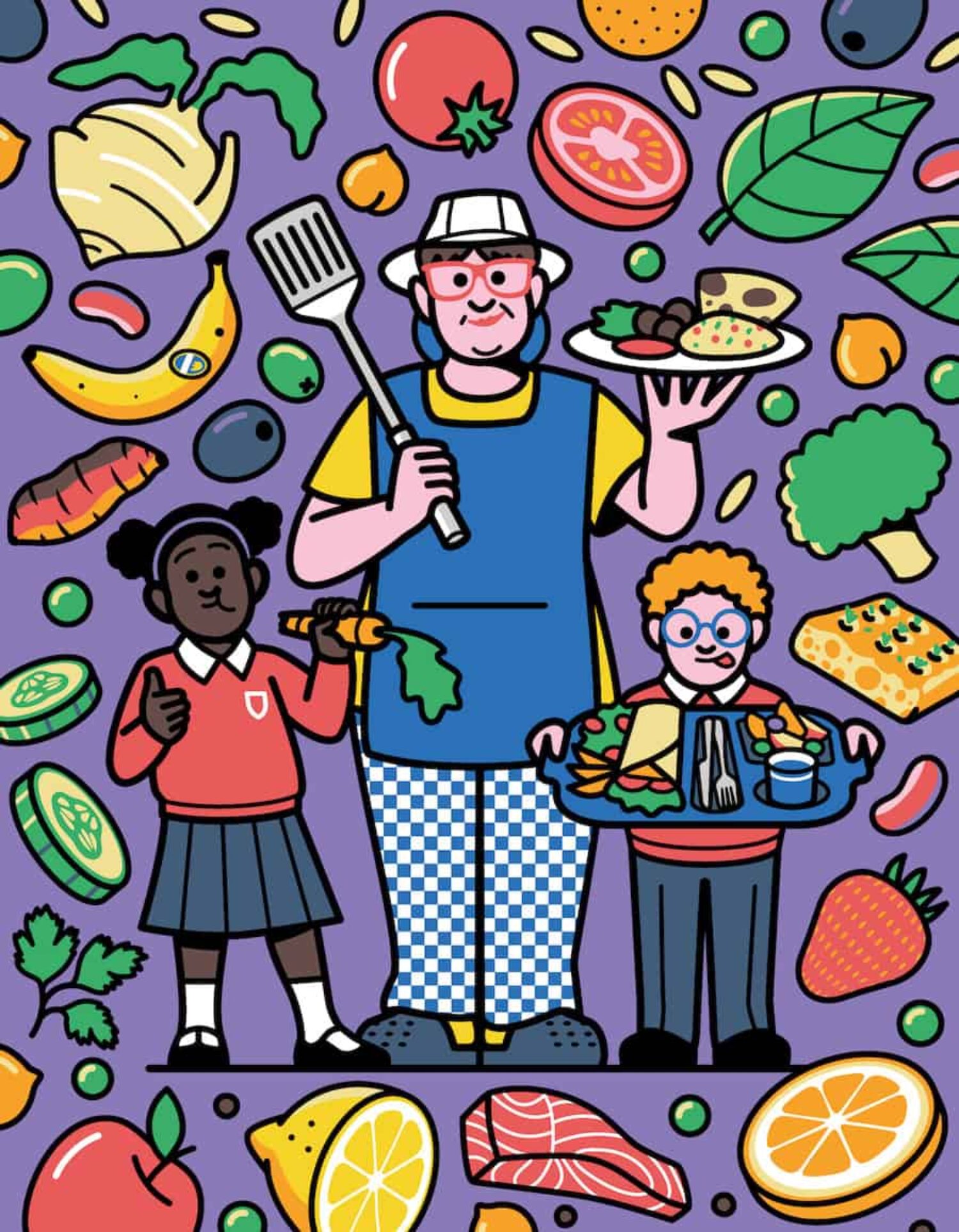

Schools are now producing homemade loaves of focaccia as part of their ‘breaducation’ classes. Illustration by Sam Peet
To level the playing field, the government has announced plans to overhaul school food standards for the first time in more than a decade, while also extending free school meals to every child in a family on universal credit, reaching an extra 500,000 in England. The final version of these changes will be published later this year, following a public consultation, before coming into force in September 2027.
As well as an outright ban on deep-fried food, such as chicken nuggets and chips, the new standards will restrict high-sugar desserts to once a week. For most of the week, fruit-based options will replace puddings such as doughnuts, cakes and ice cream.
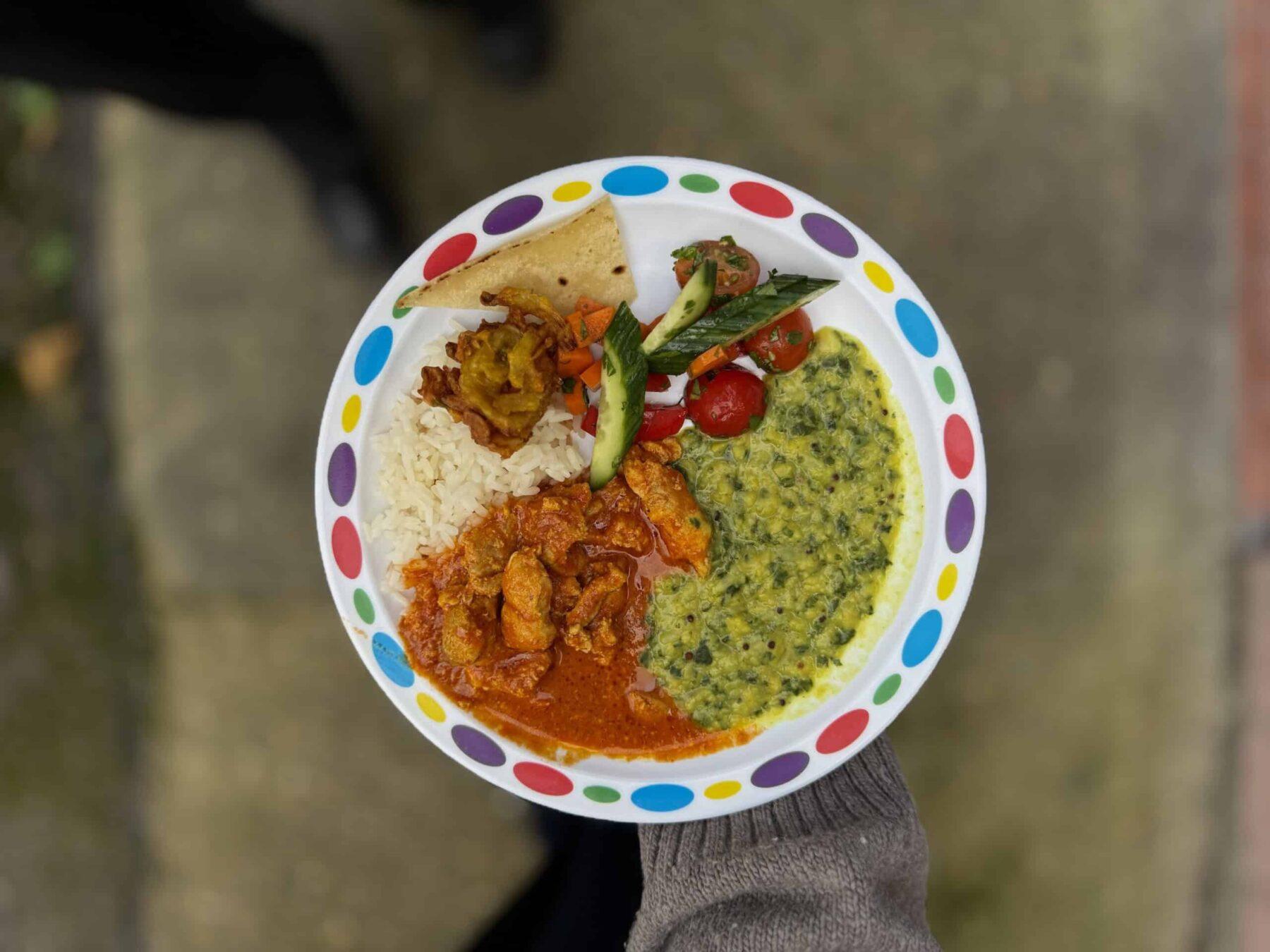
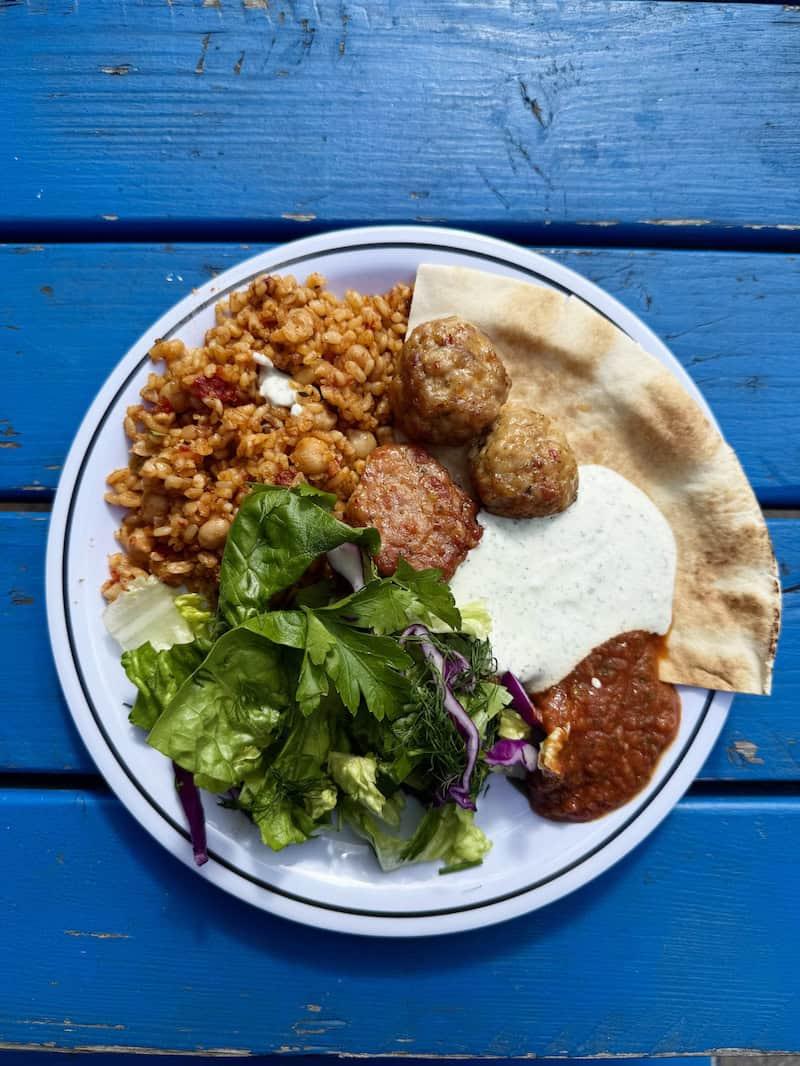
It’s not just about taking away treats. The shake-up also focuses on adding more grains, pulses and vegetables to children’s plates. Sample menus include Mexican bean burritos, cottage pie with root-veg mash and roasted chickpea, vegetable and mozzarella wrap.
“This is a genuinely pivotal moment for school food,” says Stephanie Slater, chief executive of School Food Matters, a charity that campaigns to ensure children have access to nutritious and sustainable food at school. “But the success of these reforms will depend on how they are implemented. Along with clear and robust standards, they will require adequate funding and effective monitoring and compliance in schools.”
Healthier meals could cost more, but the Department for Education argues that the changes could actually save schools money, for example, by swapping out meat for protein from pulses.
As well as ensuring that schools follow the rules – the government suggests that a school governor should take the lead on adherence – children also have to be up for it.
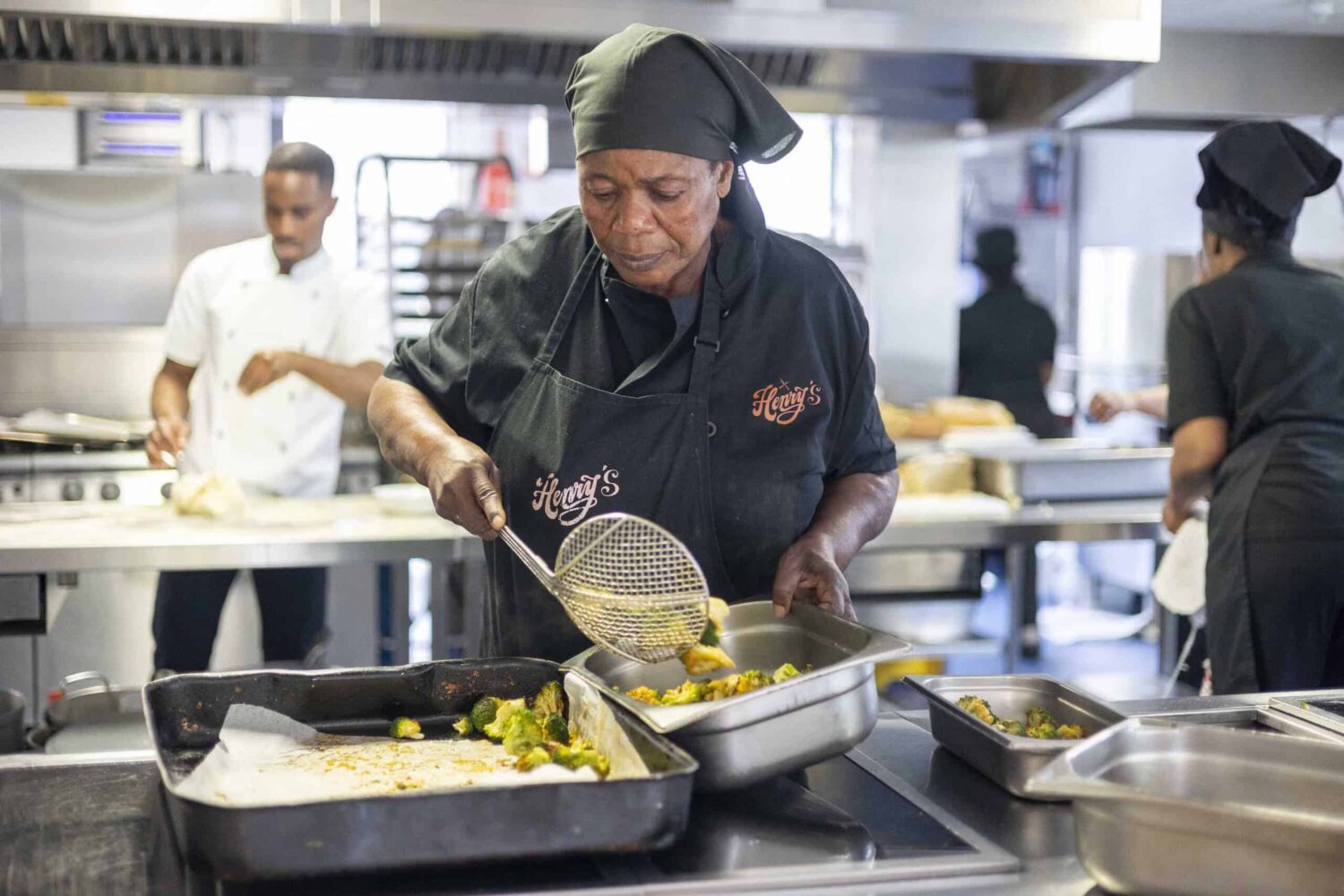

As well as an outright ban on deep-fried food, such as chicken nuggets and chips, the new standards will restrict high-sugar desserts to once a week
“It doesn’t matter how healthy a lunch is if most of it goes in the bin,” points out Bee Wilson, food writer and campaigner. Wilson launched TastEd in 2019, a charity offering schools free resources on food education with the aim of encouraging children to enjoy more fruit and vegetables. For the changes to have a significant impact, she believes they must be accompanied with better food education.
“What we’ve seen time and again is schools telling us that when they introduce new dishes, a lot of the food will be wasted,” she says.
In secondary schools, with older children, this can lead to ditching the school canteen altogether in favour of a stop at the corner shop or fried chicken joint on the way home.
This is a genuinely pivotal moment for school food
To prevent this, Chefs in Schools launched a campaign earlier this year called Try Something New Day – a weekly challenge to add new ingredients into meals – to build young people’s confdence with new flavours. The charity, which recruits trained chefs to run school kitchens, is encouraging all schools to put aside a small part of their catering budget to offer tastings of healthy ingredients.
The concept was devised by Amber Francis head chef and food educator at Christ’s College, a secondary school in Finchley, north London. Every Tuesday, at breaktime, she wheels out her trolley, laying out small pieces of something in bowls for pupils to try. This could be different types of tomato or lesser-known flavours such as kohlrabi, kale, blood orange and pomelo.
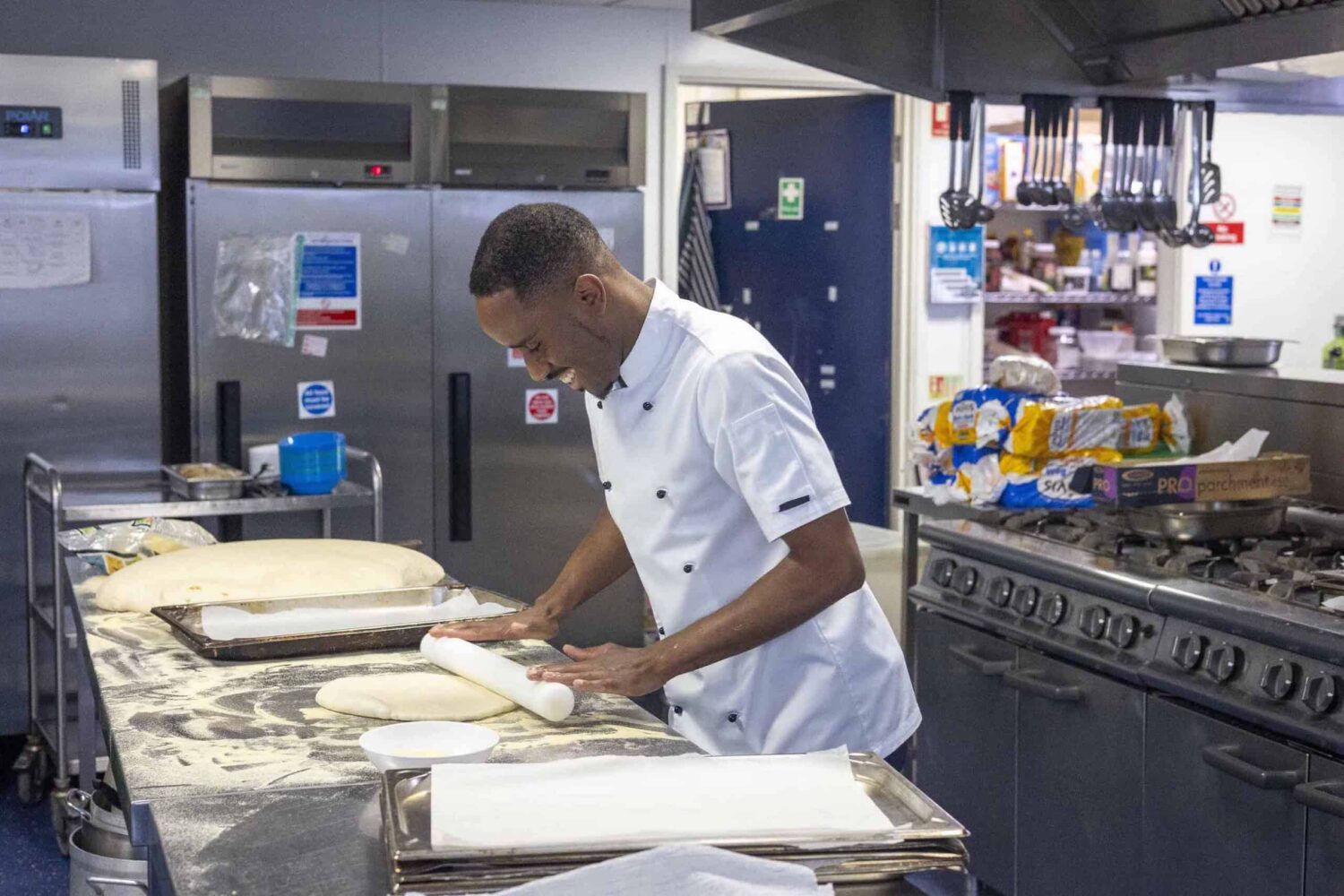
‘We’re working with other schools in the borough to help them find ways to put food education at the heart of their curriculum by learning from practices that have worked for us,’ says Ciara Finney, headteacher at Greenside primary school
“It’s about getting young people to step out of their comfort zone and have conversations about what they do and don’t like,” says Francis, who was crowned Champion of Champions on BBC’s Great British Menu in 2025.
For many schools, taking steps like this will be crucial to the success of the government’s latest plans, helping children become familiar with healthier foods, while making sure the quality of school dinners around the country becomes more consistent. For those ahead of the game, it’s about sharing experiences.
“We’re working with other schools in the borough to help them find ways to put food education at the heart of their curriculum by learning from practices that have worked for us,” says Ciara Finney, headteacher at Greenside primary school. “As for our menu, it won’t need to change. We’re there already.”
Photography: Henry Cavendish and Chefs in Schools
Be part of the solution
At Positive News, we’re not chasing clicks or profits for media moguls – we’re here to serve you and have a positive social impact. We can’t do this unless enough people like you choose to support our journalism.
Give once from just £1, or join 1,800+ others who contribute an average of £3 or more per month. Together, we can build a healthier form of media – one that focuses on solutions, progress and possibilities, and empowers people to create positive change.
You must be logged in to post a comment Login