NewsBeat
How Ukraine’s audacious drone campaign sparked a fuel crisis 3,500km behind enemy lines

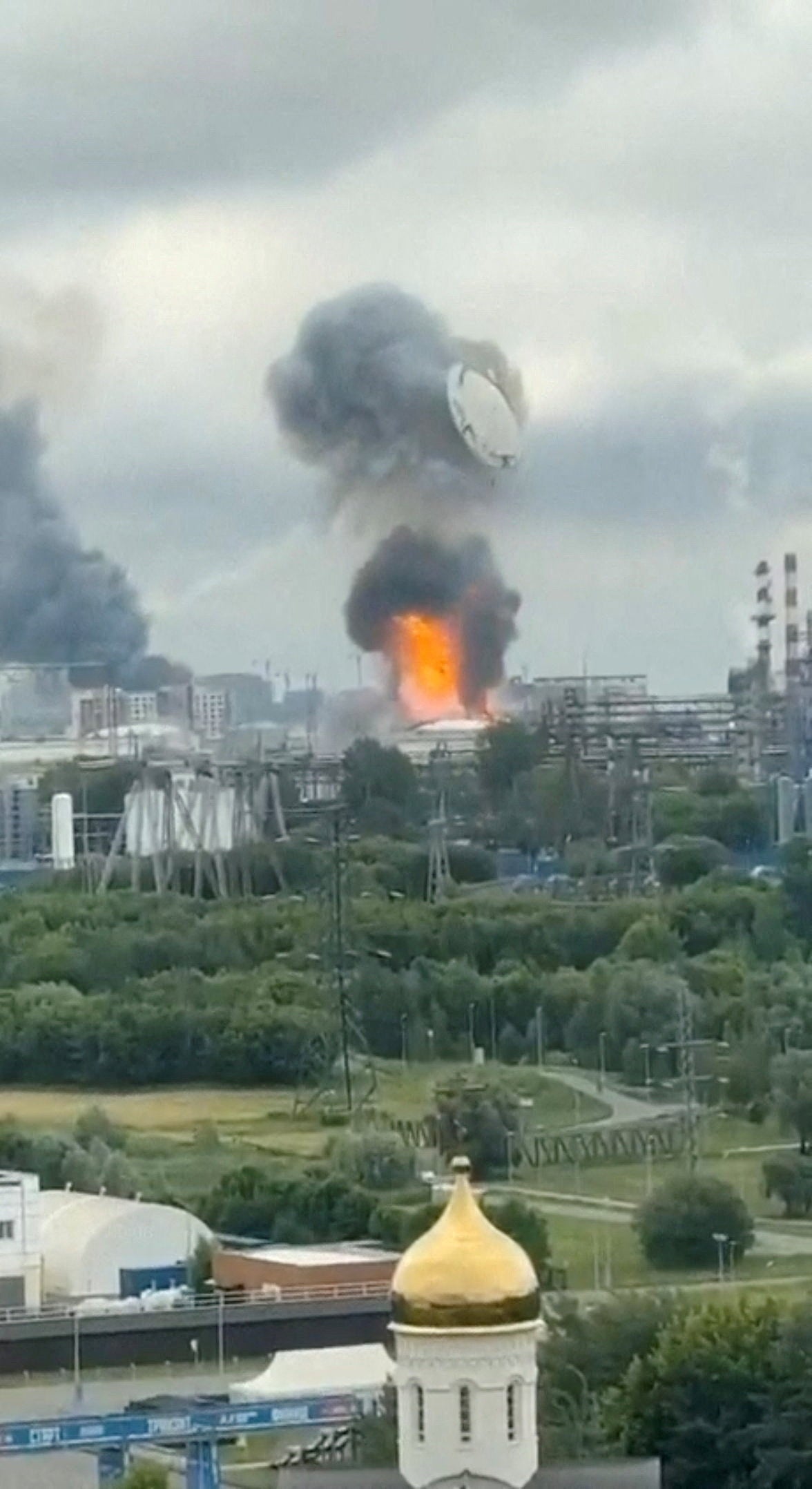
The explosion was so powerful that it sent the huge disc-shaped lid of an oil storage tank flying high above the city on a cushion of black smoke and flame.
Ukrainian drones cut through the Russian air defences last week to strike an oil refinery in Moscow for the second time in three days, amid Kyiv’s largest ever attack on the capital.
The footage quickly travelled around the world as proof of Kyiv’s poise and ability to bring the war in Ukraine back to Vladimir Putin’s doorstep.

The Ukrainians have intensified strikes on refineries, depots and supply routes in recent months, having learned to overwhelm Russia’s defences with a growing arsenal of cutting-edge long-range drones.
Their successes have created debilitating shortages across Russia, from occupied Crimea to the eastern expanses of Siberia, giving Kyiv the upper hand as both sides weigh restarting peace talks.
The Independent looks at how Ukraine has mastered its long-range capabilites to devastating effect.
How has Ukraine’s drone campaign evolved?
Ukraine’s ministry of defence said in 2022 that it had the ability to hit targets some 630km away – about the distance between Kyiv and Tula. This year, it says its long-range weapons are destroying targets “at about a distance of 1,750km”.
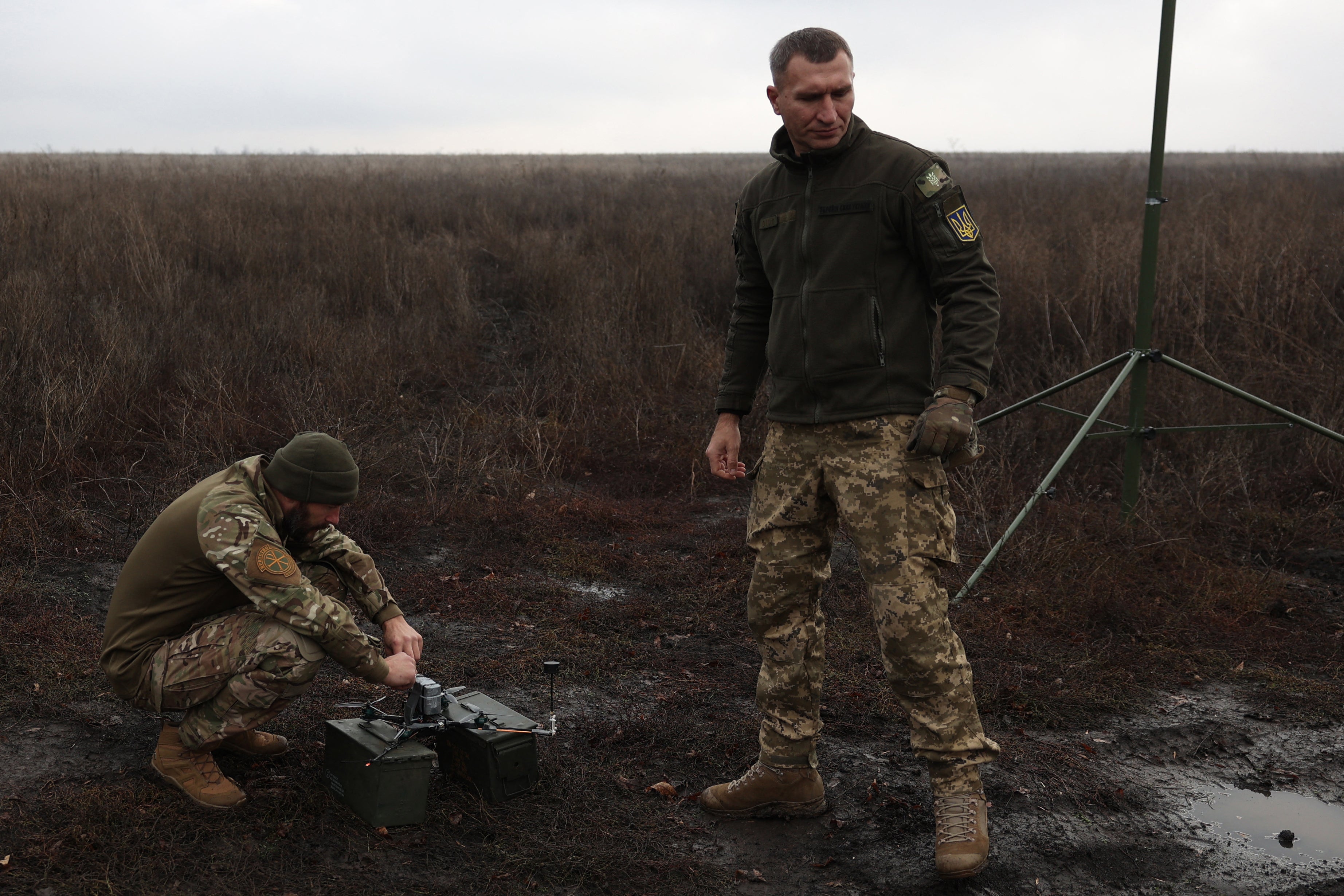
That evolution has been years in the making. On the frontlines, Ukraine and Russia have been moving in step to adopt and develop drones capable of delivering payloads of explosives several kilometres away without risk to the operator.

Russia went into the war with a long-range advantage, hosting stockpiles of ballistic missiles and access to long-range Shahed drones as early as summer 2022. Those Iranian-made drones can travel up to 2,000km with a 50kg warhead.
That advantage gave Moscow the ability to thrash morale in Ukraine’s major cities, destroy warehouses full of munitions, and devastate energy infrastructure deep behind enemy lines.
But when its allies were hesitant to provide long-range weapons to hit back, Ukraine invested in its home-grown industry, learning from its experiences. That industry is maturing, and Ukraine is now advising in allies on how to fight a modern war.
Fire Point, maker of the FP-1 attack drone and the Flamingo cruise missile, is now planning to develop a European missile defence system. And the Pentagon is said to be considering buying Ukrainian drones and Electronic Warfare systems.
Read world affairs editor Sam Kiley’s dispatch from Ukraine on the start-up weapons industry – where homegrown missiles and drones are made from carbon printers and lawnmower engines – rising from the ashes.

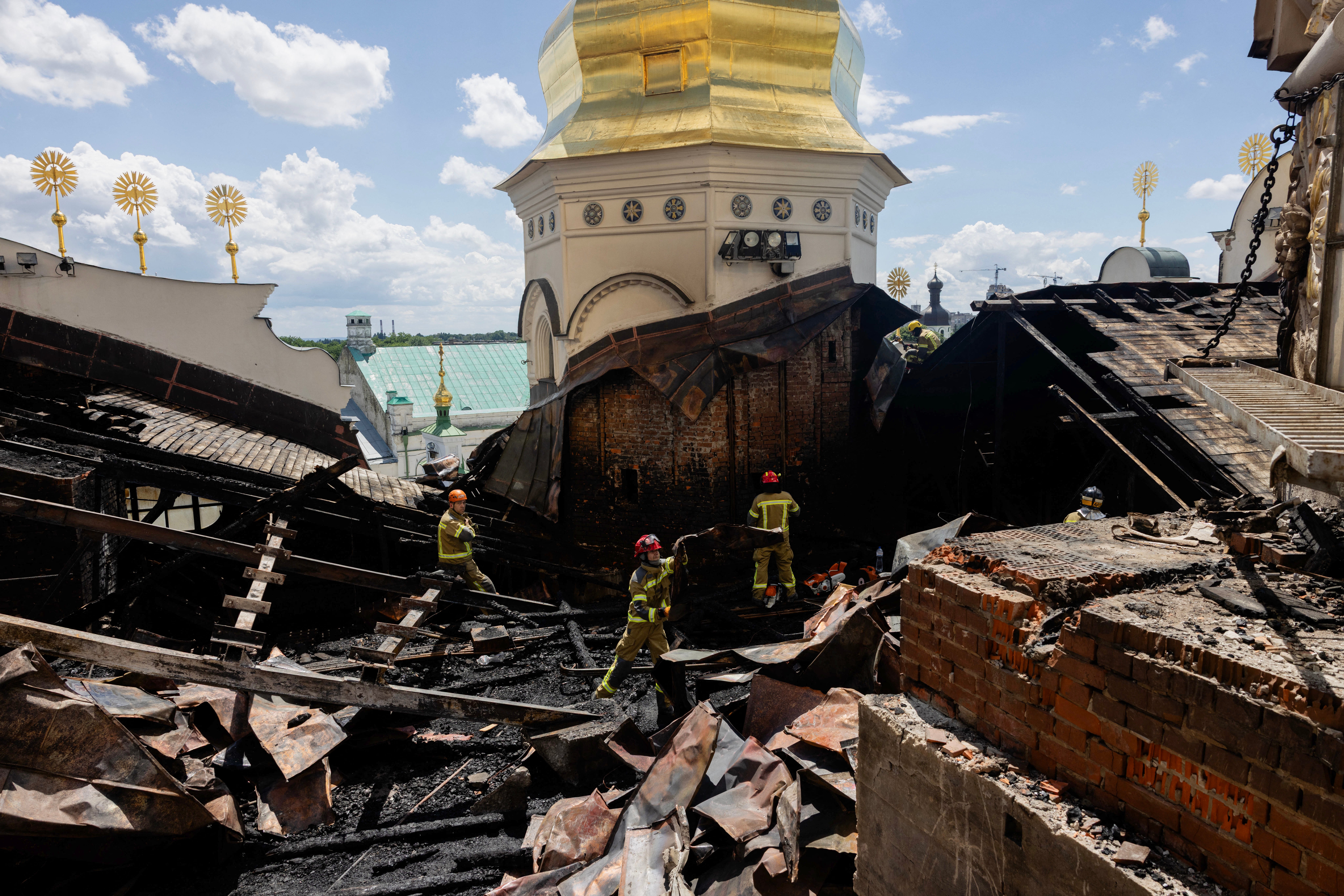
According to the Baker Institute, a Texas-based think tank, Ukraine lacked the drone and missile capabilities for “sustained, long-range strikes” deep in Russia as late as 2025.
“Strikes on targets 1,000 or more kilometers into the territory of an adversary with capable air defense was considered, prior to Russia’s invasion, a domain in which perhaps only the US, Israel, China, and Russia possessed the requisite capabilities,” said Gabriel Collins, CES Lead, Energy and Geopolitics in Eurasia.
“The barriers to entry into long-range precision strike capabilities are considerably lower now. Ukraine’s national GDP before the war amounted to approximately one-fourth that of the Greater Houston area. Yet its combination of survival motivation, a talented and educated population, industrial base, and access to key imported components is culminating into a drone and missile complex — one that is highly capable and can credibly threaten key infrastructure assets up to 2,000 km from its borders.”
What has the impact been?
Kyiv says the strategy of targeting Russian energy facilities is aimed at sapping a key source of Russia’s war funds and showing Russians the four-year conflict started by Moscow is closer to home than ever. In these objectives, it has been effective.

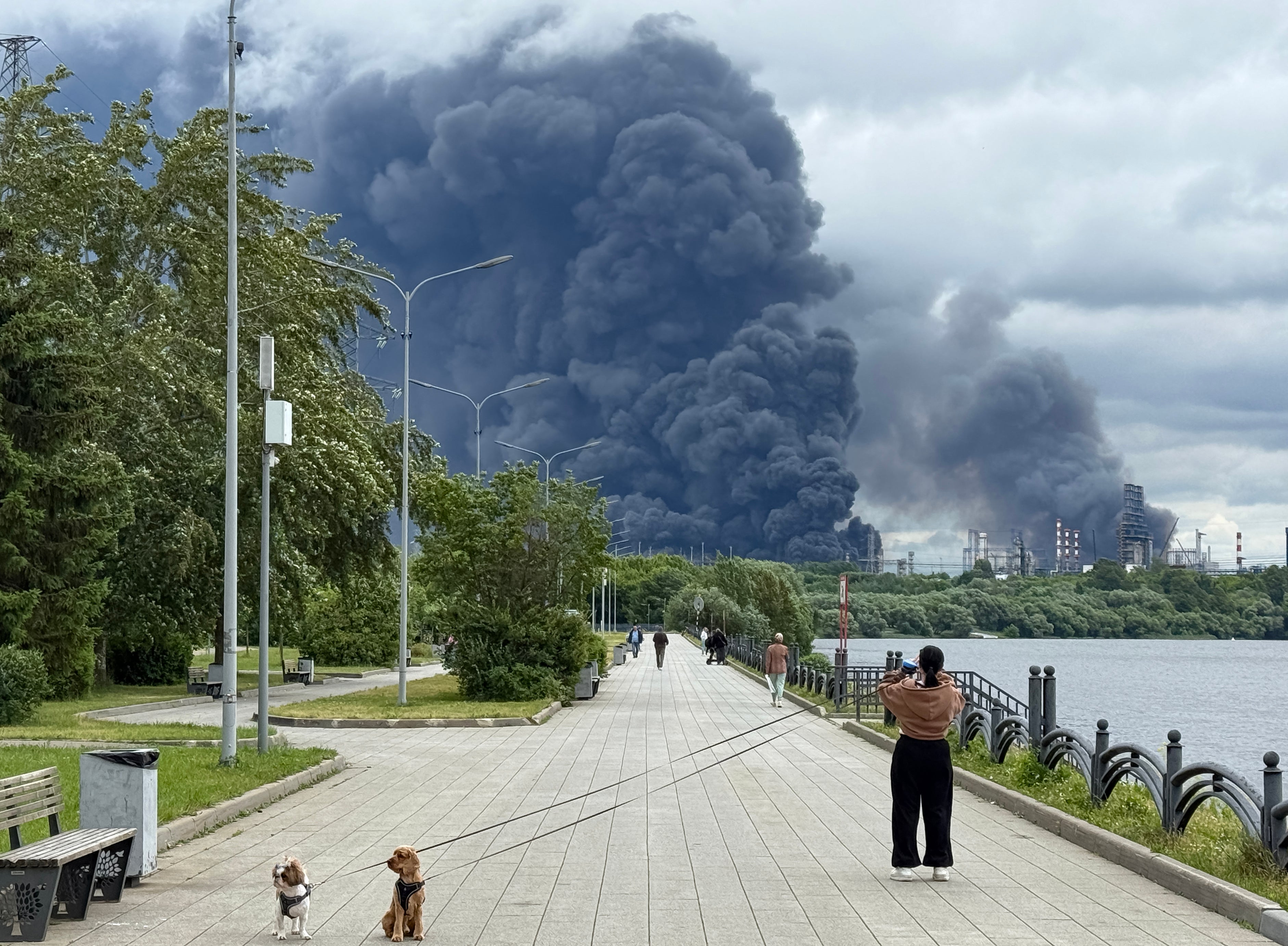
Analysts estimate that more than a fifth of Russia’s total refining capacity may have been knocked offline already, and the International Energy Agency (IEA) reported last week that Russian crude oil production dropped around 5 per cent year-on-year last month to 8.7m barrels per day due to the strikes.
“This level of disruption is unprecedented in the history of the Russia-Ukraine conflict,” the IEA said in its June report.
Grégoire Roos, director of the Europe, Russia and Eurasia programs at Chatham House, told CNBC that the drone attack on the Moscow refinery last week was “the most interesting development over the past year”.

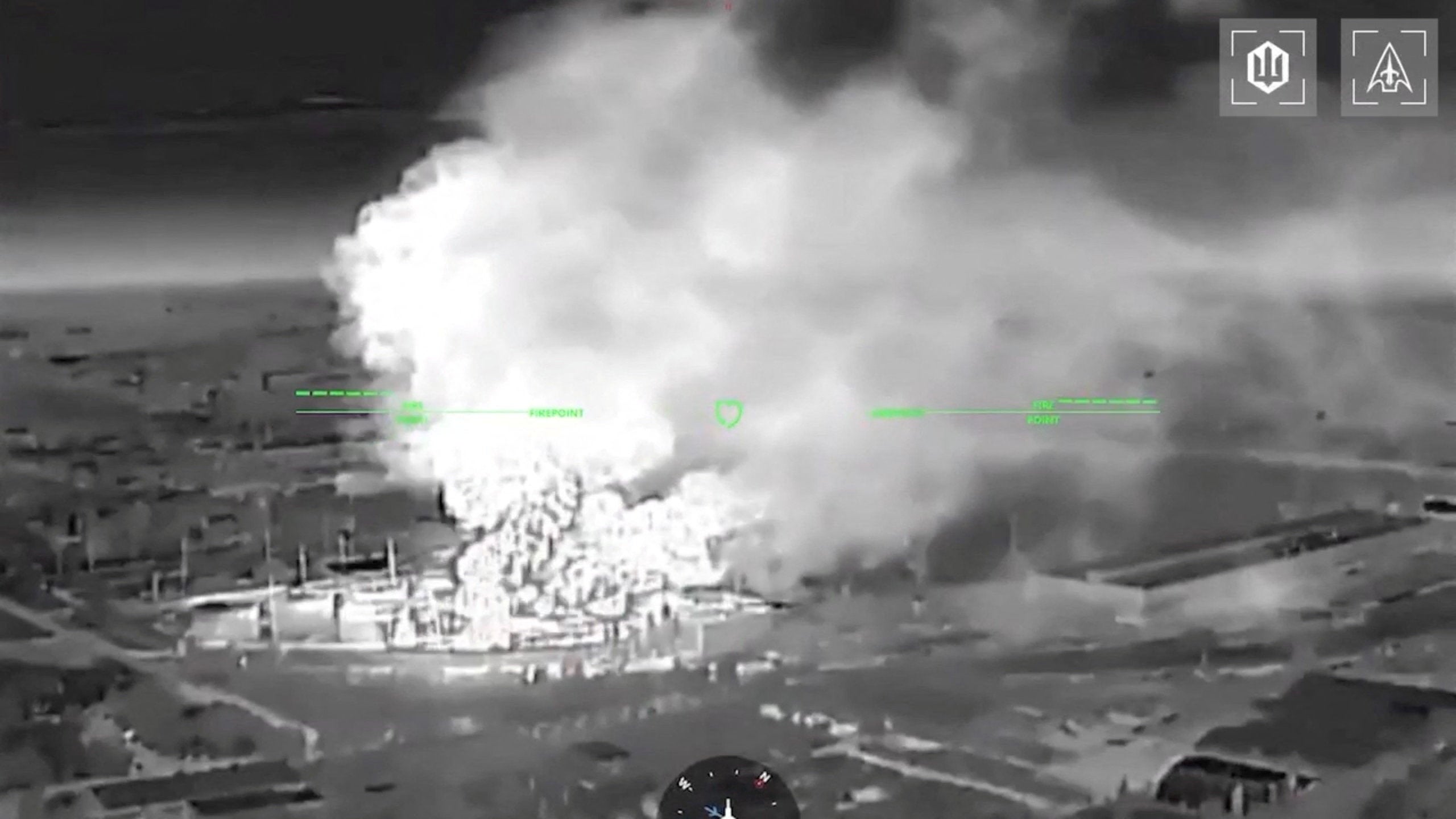
Roos agreed it showed off Ukraine’s confidence and the wider strategy of hitting Russia “where it hurts the most” by wiping out energy revenues. Those revenues are worth around 23 per cent of the federal budget and about 20 per cent of GDP.
Slowly, those revenues are coming down, in part as Russia is forced to sell at lower prices due to sanctions, but also due to disruption from Ukrainian attacks.
An analysis by the Centre for Research on Energy and Clean Air found that Russia’s revenues from oil, gas, coal and refined product exports totalled 193 billion euros in the 12-month period to February 24, 2026, down by 27 per cent from the comparable period pre-invasion.
Indirectly, businesses in Russia also suffer under the weight of higher energy prices, with prices then passed on to consumers. Gasoline in Russia that cost around $0.65 per litre just before the invasion cost $0.95 in May of this year. Inflation is officially at 5.6 per cent.

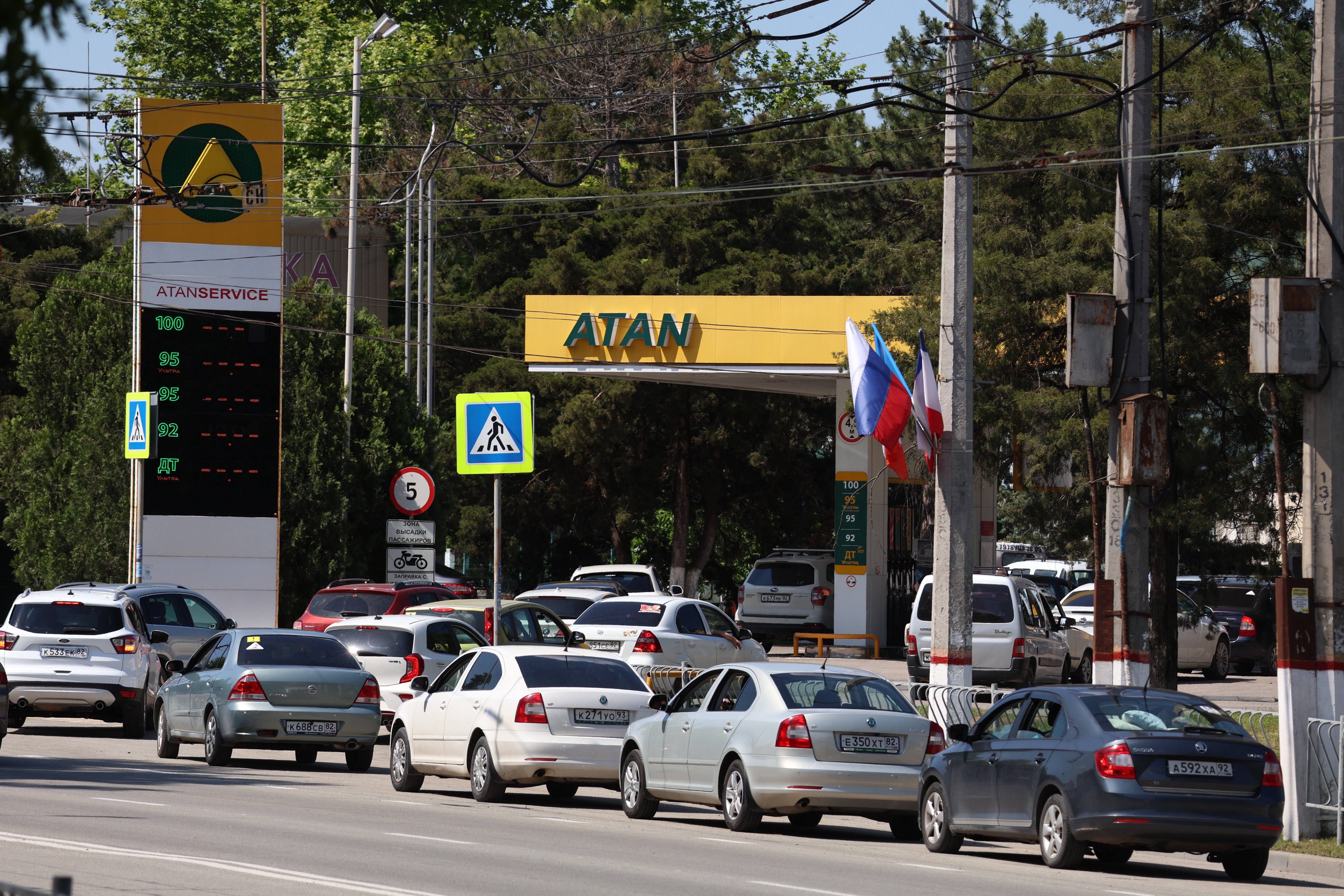
In recent weeks, restrictions on buying gasoline have been imposed in the central region, blamed on ‘temporary logistical difficulties’. Similar issues are reported in southern and western Russia. Social media is flooded with videos of cars queuing for petrol in occupied Crimea.
In Omsk oblast – which only in January celebrated the lowest fuel prices in Siberia – residents were concerned about how shortages would affect their lives, some 2,400km from the frontline.
As a ban on filling containers came in late on Monday, one told local outlet NGS55: “I don’t have a car; I used to ask my neighbor to buy me [gasoline] in a canister. Now I’m supposed to cut firewood with a hacksaw? Mow the grass with a mower? We’ve come to this. Beyond words.”
You must be logged in to post a comment Login