Connect with us
DAPA Banner
DAPA Coin
DAPA
COIN PAYMENT ASSET
PRIVACY · BLOCKDAG · HOMOMORPHIC ENCRYPTION · RUST
ElGamal Encrypted MINE DAPA
🚫 GENESIS SOLD OUT
DAPAPAY COMING

NewsBeat

‘I heard my spine and body split’: Pedestrian hospitalised for month with serious injuries after smash with child e-bike rider calls on London Mayor to clamp down on Lime bikes

Published

on

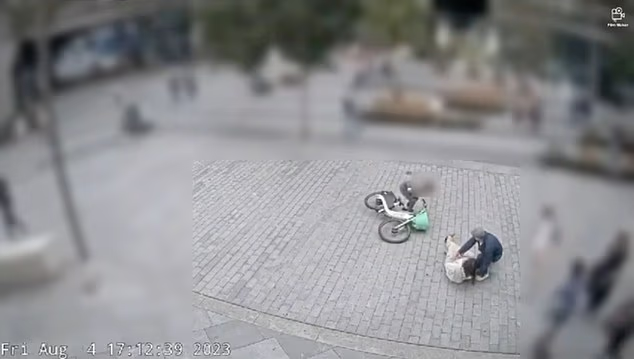
CCTV captured the moment Jane Ouartsi was walking in central London in August 2023 when she was hit by a boy, understood to be around ten years old

A woman who suffered spinal fractures after a child crashed into her on a Lime bike has called on the mayor of London to clamp down on the ‘Wild West’ E-bike industry.

Jane Ouartsi was walking through a pedestrianised square in central London in August 2023 when she was hit by a young boy, understood to be around ten years old.

She was left like ‘a broken china doll’, with a fractured collarbone, two spinal fractures and a broken femur.

Since then, Ms Ouartsi has spent 36 days in hospital, had three operations and been forced to learn to walk again.

Advertisement

Police took statements from witnesses at the time but pursued no further action. Ms Ouartsi said no compensation has been offered by Lime, which has around 40,000 bikes in London.

‘If an elderly person had got my injuries, they wouldn’t have survived,’ she said. ‘I heard my spine and my body split… I was just a broken china doll.’

Recalling the incident, she told BBC London: ‘We’d had a lovely lunch and seen a light exhibition and next minute, [there was] the impact. I thought, “Oh my God what’s gone into me?”

After the crash, she was ‘terrified’ of going on the pavement. ‘I still am,’ she added. ‘It’s like the Wild West with the Lime bikes. They’re still zooming… how are under-age kids getting them?’

Advertisement

CCTV captured the moment Jane Ouartsi was walking in central London in August 2023 when she was hit by a boy, understood to be around ten years old

Since then, she has spent 36 days in hospital, had three operations and been forced to learn to walk again

Since then, she has spent 36 days in hospital, had three operations and been forced to learn to walk again

Ms Ouartsi has called for the mayor of London Sir Sadiq Khan to clamp down on dockless E-bikes using the English Devolution Bill, which recently received royal assent.

Advertisement

This could create a tighter set of parking and licensing rules across the capital to replace the different regulations that exist across individual boroughs.

Sir Sadiq previously said the sector was ‘like the Wild West’ and that ‘we desperately need regulation’. The Bill, he added, shows that ‘lobbying [the Government] has paid off’.

Ms Ouartsi’s partner Dave Mathias said new legislation could not come quickly enough.

‘If you ride any other motorised vehicle, you have to have a licence and cannot ride them on the pavement. It should be no different for Lime bikes,’ he said.

Advertisement

‘[The rider] was going as fast as they can go. I turned round and Jane was falling to the ground in slow motion. It was a real shock. She was screaming.

‘I know they have the technology to slow down these Lime bikes in certain areas so why not do that so this doesn’t happen?’

Riders pay to use the bikes by the minute, and Lime says it provides users with free third-party liability insurance, though Ms Ouartsi has not received any compensation

Riders pay to use the bikes by the minute, and Lime says it provides users with free third-party liability insurance, though Ms Ouartsi has not received any compensation

Lime is one of a number of dockless hire E-bike operators, which pay councils to operate in their borough.

Advertisement

Riders pay to use the bikes by the minute, and Lime says it provides users with free third-party liability insurance, though Ms Ouartsi has not received any compensation.

A spokesman for the company said: ‘Our thoughts are with Jane and her family, and we are sorry for the distress this incident has caused. We take incidents like this extremely seriously. This situation has been carefully reviewed and handled in line with our policies.

‘Safety informs everything we do at Lime — from how we design and maintain our vehicles, to our rider education, and how we work with cities.’

The rise of E-bikes has been controversial, with concerns over inconsiderate parking and dangerous riding.

Advertisement

Last year, it was reported that trauma surgeons had even coined the term ‘Lime bike leg’ as they were seeing so many severe lower-leg injuries in patients who were crushed under the weight of heavy electric bikes that had tipped over.

Ms Ouartsi is not the first victim to have gained attention. 

Sandy Peters – a single mother in her 50s – was walking to her son’s 21st birthday celebrations in Carshalton, Sutton, when a teenager riding a Forest bike smashed into her last October.

She was sent flying into a brick wall – suffering a broken nose, upper jaw, cheek bones, and a misaligned lower jaw.

Advertisement

There was so much blood gushing from her nose and mouth her son feared she would die.

Source link

Continue Reading
Click to comment

You must be logged in to post a comment Login

Leave a Reply

NewsBeat

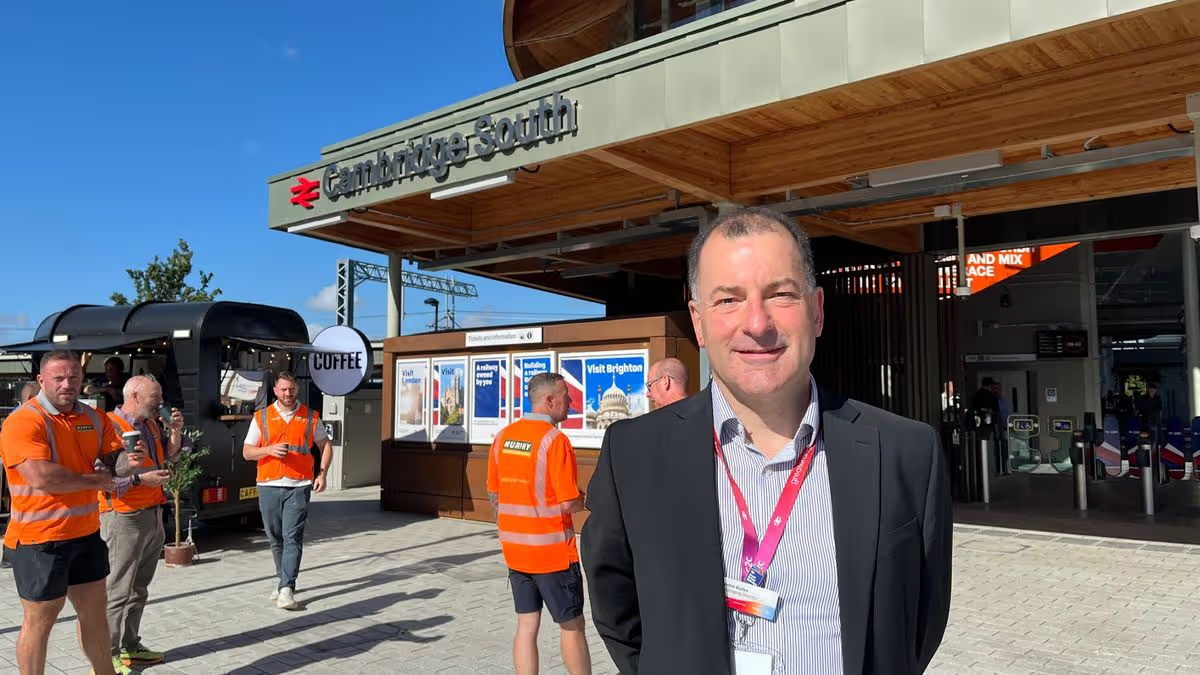
New Cambridge South station dubbed ‘game changer’ for city

Published

on

Cambridgeshire Live

The new Cambridge South station officially opened on Sunday (June 28)

Cambridge South train station opens

A new train station in Cambridge has been dubbed a “game changer” for the city. The multi-million pound Cambridge South station officially opened on Sunday (June 28), after being delayed twice.

Managing director for GBR Anglia, Jamie Burles, has dubbed the new station as a “game changer” for Cambridge. He added: “It’s tremendously exciting and that’s not just me speaking, that’s all of the passengers. There seems to be a real sense of joy.”

Following Sunday’s official opening, Jamie added that it looked “brilliant”. He said: “The station was looking fabulous.

“There were so many people walking to the station at 6.30am in the morning. But then, the first train rolled out of the sidings on time, called at the station on time, departed on time and there was a big cheer from everyone. So yeah, it was a bit of a party atmosphere yesterday. Everything worked, which was brilliant.”

Advertisement

There is no parking at Cambridge South, but it features up to 1,000 cycle spaces, as well as a pick-up and drop-off area on the hospital side of the station.

On the lack of parking, Jamie added: “We’re on greenbelt land, so we had to adhere to the Cambridge local plan. Therefore, we had to make this station super well-connected.

Advertisement

“So, we’ve got space for up to 1,000 bicycles. We’ve got access to walking routes, cycle routes, the Cambridge guided busway just over the road and other bus services.”

Trains travelling through the station will be Thameslink, Great Northern, Greater Anglia, and Cross Country. Adrian Gogay, infrastructure director for Thameslink and Great Northern said it was “brilliant” to see the new station open.

He added: “At Thameslink and Great Northern, we’re going to be offering multiple services from the station, with connectivity up to Cambridge and down to London. We have two Great Northern services of transport down to Kings Cross in 45 minutes and beyond. This is a brilliant investment in not just the rail network, but the entirety of the economy.”

The station is next to the Cambridge Biomedical Campus and Royal Papworth Hospital, benefitting hospital staff, students, and patients. Roland Sinker, on behalf of Cambridge University, said the station opening is an “enormously exciting and important moment”.

Roland added: “The opening of the station is incredible in its own right. What it really means is access to jobs for our population and new treatments. It means the catalytic effect for industry, the university, the National Health Service (NHS), which is working on treatments for the future and world.

“I think it’s a really good sign of what a good built environment can look like, which we’ve got to take forward sensitively as we move into the next phase of the development of Cambridge.”

The station has been funded with £250 million from the Government, as well as £5 million from the Cambridgeshire and Peterborough Combined Authority, Astrazeneca, and the Greater Cambridge Partnership.

Advertisement

Source link

Continue Reading

NewsBeat

Town loses only butcher after shop closes due to ‘financial pressures’

Published

on

Cambridgeshire Live

The family business announced its closure earlier this month

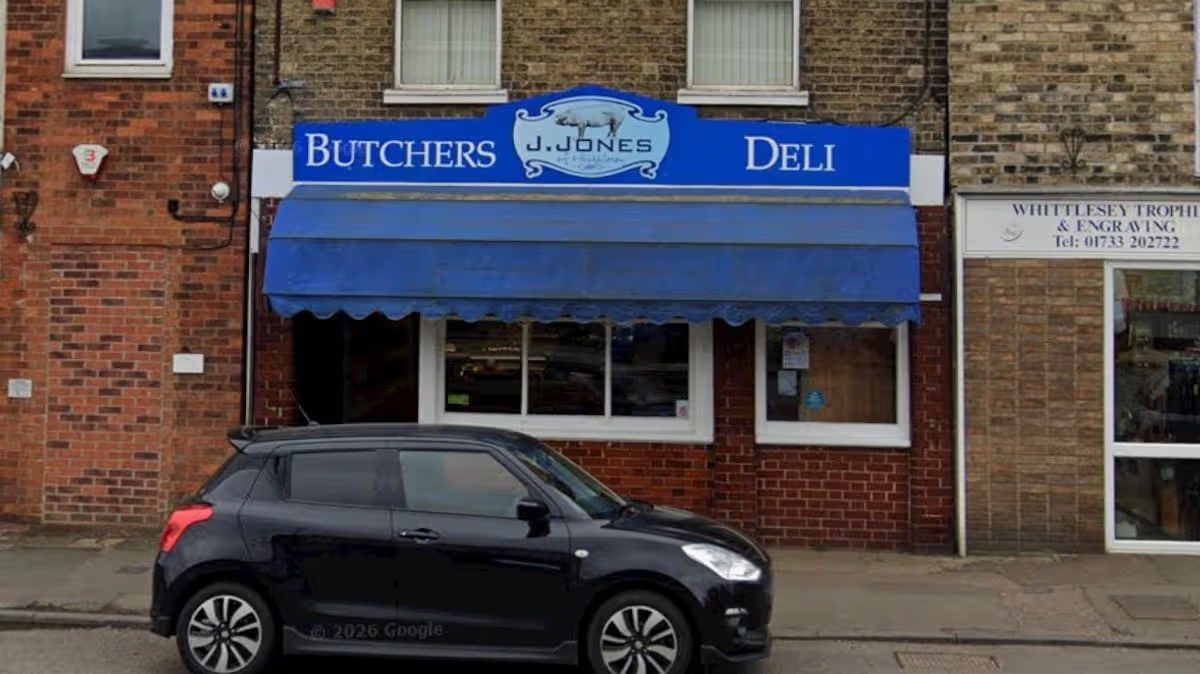
A Cambridgeshire town has been left without a butcher after its final shop closed due to “financial pressures”. Whittlesey has lost its butcher All About Meat, due to a “continued rise” in bills.

Advertisement

The business, on Broad Street, was formerly called Jones Butchers between 1957 and 2025 before it was taken over in June last year. Two other butchers dating back to the early 1900s have been there, reports the BBC.

The closure was confirmed by All About Meat on social media earlier this month. Announcing the closure, a spokesperson for the shop said: “Due to the continued rise in rent, utility bills and other operating costs, we have reached the difficult decision that we can no longer continue trading.

“This is a decision we never wanted to make, but unfortunately the financial pressures have become too great.”

The team thanked “every single customer” who has supported them over the last year, adding “your loyalty, kindness and custom have meant the world to us”.

Advertisement

The statement continued: “We are deeply sorry to let our customers down and know this news will come as a disappointment to many. Please know that this decision has not been made lightly. Thank you for supporting a local family business and for being part of our journey. We will always be grateful for the support you have shown us.”

Since the announcement on social media, it has received almost 50 comments in response. One person wrote: “I was gutted to find out you’d closed! Whittlesey without a butcher’s shop is unheard of.”

Another person wrote: “You guys are Whittlesey family for meat, all other butchers never compared to your quality and service”.

Meanwhile, others said they were “devastated” and highlighted that the business will be missed.

Advertisement

Source link

Continue Reading

NewsBeat

Echo Comment on the sewage spill that’s closed the Teesside sea

Published

on

Echo Comment on the sewage spill that's closed the Teesside sea

Our beautiful beaches, long golden miles of sands from Seaton Carew down to Saltburn, fringed by dunes, beneath an azure blue sky, pods of dolphins in the sea, proms and the odd pier to walk on and the dramatic full stop of Huntcliff to stare at.

But today, the sea is closed, from Seaton Carew down to Saltburn, due to a sewage spill in Middlesbrough. The spill was first noticed at 6.08pm on Monday and the swimming ban is likely to last until Thursday – it is not a short-lived, minor incident.

This, for a region that has all the attributes to be a tourist hotspot, is not a good look. This, for a country that takes pride in its environment, is not what anyone wants to see.

Advertisement

We shouldn’t jump to conclusions about the cause, about whether it shows the stress our aging infrastructure is under, about whether it shows how as we build more houses we are not investing in necessary pipes, about whether a privatised company has the right priorities for the wider public god.

Suffice to say that the water industry is in the dock at the moment and if Andy Burnham can find a way to bring it under greater control without it costing the country a fortune, it would be a popular move.

We should say, though, that this is not acceptable. Pollution should not shut the east coast for days, and it should not take so many hours for local people to be told of the problems in their midst.

As soon as the situation is resolved, we need full and fast explanations of how it happened.

Advertisement

Source link

Continue Reading

NewsBeat

Scottish hospital ‘is locked down over fears patient may have Ebola’

Published

on

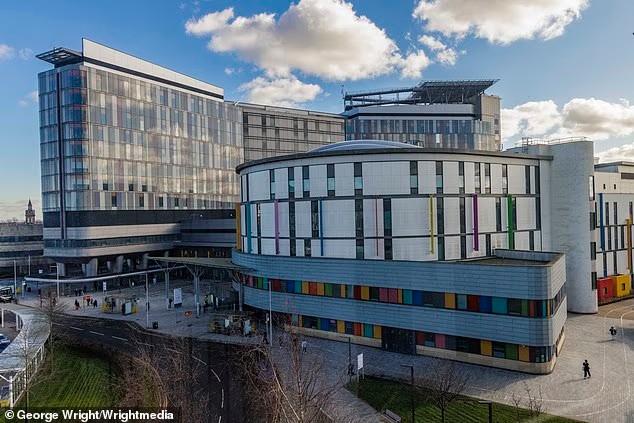
Part of the Queen Elizabeth University Hospital (pictured) was locked down over fears a patient has Ebola

Advertisement

A Scottish hospital has reportedly been locked down over fears a patient has Ebola.

Part of the Queen Elizabeth University Hospital in Glasgow was urgently sealed off at around 6am this morning after receiving a patient suspected to have the virus.

Advertisement

The person arrived back in Glasgow from an affected Ebola country and presented themselves at the hospital’s Acute Receiving Unit, The National reports.

A source told the newspaper: ‘The person came to the Acute Receiving Unit, where people are sent by their GP or the health board’s 101 number to avoid having to present at accident and emergency. This was quickly shut down and sealed off from the rest of the hospital.

‘The person was assessed there and then taken elsewhere in the hospital. I believe they were put into confinement while the tests to establish if they have Ebola or something else are carried out.’

A spokesperson for Public Health Scotland (PHS) said: ‘Public Health Scotland is working closely with UKHSA to assess routes by which travellers may enter the UK from affected countries.

Advertisement

‘The risk from people arriving in the UK from affected areas is low and the NHS has safe procedures in place for detecting and managing any such cases.

‘PHS and NHS boards across Scotland have well established protocols for assessing and testing travellers arriving in the UK from areas affected by Ebola where necessary.

Part of the Queen Elizabeth University Hospital (pictured) was locked down over fears a patient has Ebola

Advertisement

‘Where required, contact tracing will occur and contacts may undergo clinical assessment and precautionary testing.

‘The UKHSA Returning Workers Scheme (RWS) which aims to protect and monitor the health of those who may travel from the UK to affected areas for their work, has been activated.

‘Organisations deploying workers to affected areas where they may be exposed to Ebola through their work, should register those workers with the scheme.’ 

This is a breaking news story, refresh for updates.

Advertisement

Advertisement

Source link

Continue Reading

NewsBeat

Paraguay upsets Germany on penalty kicks at World Cup

Published

on

Paraguay upsets Germany on penalty kicks at World Cup

FOXBOROUGH, Mass. (AP) — José Canale wasn’t in the starting lineup in either of his previous two appearances for Paraguay in this World Cup.

He made his first start a memorable one.

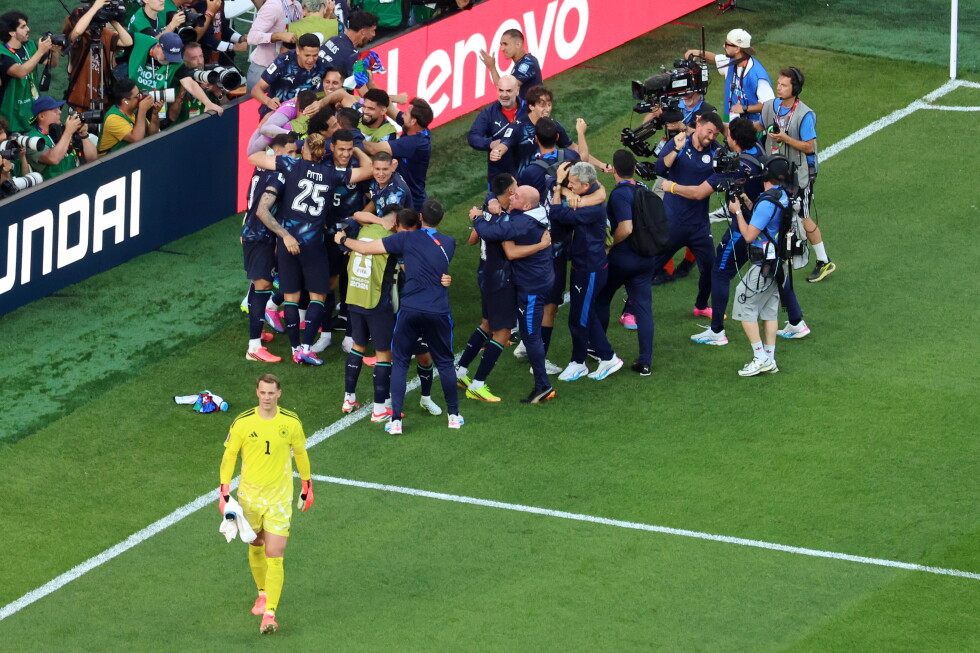
Canale scored on the first sudden-death penalty kick, Orlando Gill made two key saves in the shootout, and Paraguay beat Germany 4-3 on penalties Monday to earn the biggest upset of the 2026 World Cup.

It was a major triumph for the landlocked South American country of 7 million people that’s surrounded by soccer giants like Argentina and Brazil. And it was the latest surprising exit by Germany, a four-time champion that has struggled at the World Cup since it last lifted the trophy in 2014.

Advertisement

“I think we deserved one more game and to be honest, considering everything that was said, everything we went through,” Canale said. “What I want to highlight from our team is how united we are. … Today was a game we really needed to show our true colors.”

Paraguay fans celebrated in Foxborough, Massachusetts on Monday, singing, dancing and marching with drums, after Paraguay stunned Germany in a penalty shootout for the biggest upset of the 2026 World Cup. Paraguay won by a score of 4-3. (AP Video shot by Rodrique Ngowi)

Advertisement

Paraguayans celebrated in the streets of the capital, Asunción, screaming, jumping and hugging when the match ended. Some cried and dropped to their knees in disbelief, with the familiar beat of the team’s song “Soy Albirrojo” reverberating through the crowd.

Paraguay became the first team to defeat Germany in a penalty shootout at the World Cup. The Germans missed three of six penalty tries, the last by Jonathan Tah, who blasted his attempt high over the crossbar in the first sudden-death round, setting up Canale for the winner. Tah’s miss followed a save by German goalkeeper Manuel Neuer of Fabian Balbuena’s attempt that would have won it for Paraguay.

Tah also thought he had the go-ahead goal in extra time. He headed in a corner kick by Nathaniel Brown in the 102nd minute, but officials concluded after a video review that Waldemar Anton has pushed Gill to the ground before the shot and the goal was disallowed.

Advertisement

The Round of 32 match ended 1-1 after extra time. Paraguay took the lead when Julio Enciso scored on a header late in the first half, but Kai Havertz equalized in the 52nd minute for Germany.

“We had to analyze every player, every detail. Thanks to that I was able to only miss two penalties,” Gill said. “This is for all the people of Paraguay.”

Paraguay, which entered the match ranked 41st by FIFA, became the deepest betting long shot to win a match in this World Cup. Germany came in as the 10th-ranked team in the world.

The Paraguayans will face the winner of Tuesday’s match between France and Sweden in the Round of 16 on Saturday in Philadelphia. A win on the 250th anniversary of the United States’ founding would send Paraguay back to Foxborough for the quarterfinals on July 9.

Advertisement

Germany had won six of seven penalty shootouts in major tournaments, including six straight since losing to Czechoslovakia in the 1976 European Championship final.

“It’s not enough for German football,” coach Julian Nagelsmann said.

In the only previous World Cup match between the teams, Germany beat Paraguay 1-0 in the round of 16 at the 2002 tournament. Nearly a quarter-century later, Paraguay got its revenge.

Paraguay had appeared in five previous knockout games but failed to score in each. It had advanced only once, winning on penalty kicks against Japan in the round of 16 at the 2010 tournament in South Africa. It fell that year to eventual champion Spain in the quarterfinals.

Advertisement

Monday was Germany’s first knockout game since the 2014 final in Brazil, when the Germans beat Argentina 1-0. The Germans were eliminated in the group stage at the last two tournaments.

“We had very big plans for this World Cup. It’s very difficult to disappoint again,” Havertz said. “It was difficult to create chances and keep the pace.”

Paraguay broke the early stalemate in the 42nd minute Monday with some perfect ball movement to set up Enciso.

Miguel Almiron split Germany’s Aleksandar Pavlovic and Nathaniel Brown with a left-footed pass to Matias Galarza. Galarza sent a cross to Enciso, who was unmarked by Germany’s defenders and easily headed it past Neuer.

Advertisement

In the second half, Havertz took a cross from Florian Wirtz, which he got just enough head on to redirect it past Gill.

Germany, whose 10 goals in the group stage was tied for the most of any team, struggled to find a way through Paraguay’s 4-5-1 setup. The Germans had 78% of the possession in the first half.

Paraguay was without defender Omar Alderete, who left with an injury in the second half of its 0-0 draw against Australia. Canale started in his place.

Paraguay opened the World Cup with a 4-1 loss to the United States, then beat Turkey 1-0 while playing the entire second half with 10 men. A scoreless draw against Australia was good enough for Paraguay to reach the knockout stage as the third-place finisher from Group D.

Advertisement

___

See more of AP’s World Cup coverage here

Advertisement

Source link

Continue Reading

NewsBeat

Patient tested for suspected Ebola virus at Glasgow hospital

Published

on

Politics Essential logo showing Houses of Parliament against a red background

Ebola is a rare but often deadly disease caused by a virus which attacks the body’s immune system and organs.

The virus normally infects animals, typically fruit bats, but outbreaks among humans can sometimes start when people eat or handle infected animals.

Unlike flu or Covid it is not airborne so you will not catch it simply be being near an infected person.

The virus is typically spread from direct contact with blood or other bodily fluids, contaminated objects or animals.

Advertisement

It takes two to 21 days for symptoms to appear. They come on suddenly and start like flu or malaria with fever, headache and tiredness.

As the disease progresses, vomiting and diarrhoea develop and it can lead to organ failure. Some, but not all, patients develop internal and external bleeding.

This breaking news story is being updated and more details will be published shortly. Please refresh the page for the fullest version.

You can receive Breaking News on a smartphone or tablet via the BBC News App. You can also follow @BBCBreaking on X, external to get the latest alerts.

Advertisement

Source link

Continue Reading

NewsBeat

San Francisco Archdiocese to pay $395M in child sexual abuse settlement

Published

on

San Francisco Archdiocese to pay $395M in child sexual abuse settlement

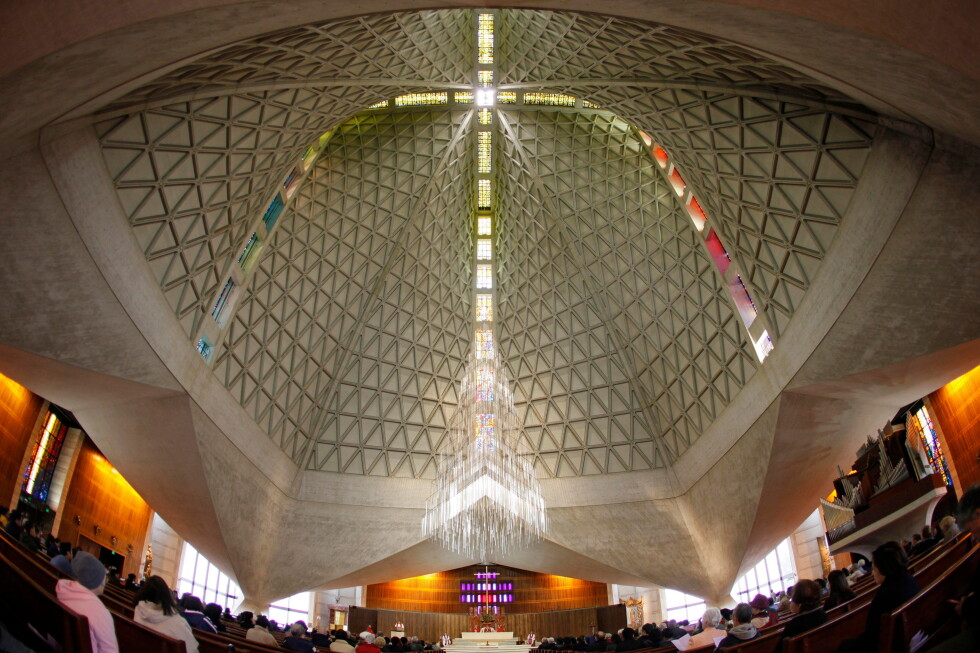
SAN FRANCISCO (AP) — The San Francisco Catholic Archdiocese has agreed to pay $395 million to settle more than 500 lawsuits alleging child sexual abuse by church officials, plaintiffs’ attorneys said Monday.

San Francisco Archbishop Salvatore Cordileone will have to write an apology letter to each survivor as part of the settlement.

The settlement also requires the archdiocese to implement a series of child protection and transparency reforms, including creating a list of clergy accused of abuse, said Jeff Anderson, an attorney representing dozens of child sexual abuse victims.

The settlement comes three years after the archdiocese filed for bankruptcy and will cover approximately 530 survivors of child sexual abuse, Anderson said. It is the latest agreement over clergy sexual abuse claims. In 2024, the Archdiocese of Los Angeles agreed to a record $880 million settlement.

Advertisement

Several archdioceses in California filed for bankruptcy after facing hundreds of lawsuits brought under a California law approved in 2019 that allowed decades-old claims to be filed by Dec. 31, 2022.

Cordileone, the archbishop, said in a statement that he believes the settlement provides “a path toward fair compensation for survivors who have borne the weight of this abuse for a lifetime.”

“The hope is that this proposal will allow us collectively to move forward,” he said.

“We accept full responsibility for what happened, and I sincerely apologize to all those who have been harmed,” Cordileone added.

Advertisement

Margie O’Driscoll sued the archdiocese alleging she was sexually abused almost 50 years ago by a priest while she was a student at Marin Catholic High School in Kentfield, a community north of the Golden Gate Bridge. She said the settlement was hard-fought and puts the responsibility on church officials, not survivors.

“I, like every survivor, have carried this pain and shame along like a ball and chain for a very, very long time,” O’Driscoll said during a news conference. “Ashamed and confused about what happened, scorned by the archdiocese, and sometimes not even believed by family and friends, and I think today shame is gonna change sides.”

The San Francisco Archdiocese serves about 440,000 Catholics in the counties of San Francisco, Marin and San Mateo.

Anderson said a committee of survivors who spent thousands of hours over the last three years negotiating with Cordileone is empowered with establishing protocols on how to distribute the funds. He said every survivor will be given an opportunity to submit their story of abuse to an allocator hired by the committee to receive what Anderson said would be “an equitable distribution based on the unique circumstances of that survival.”

Advertisement

Besides the funds, the archdiocese will be required to follow 14 child protection and transparency demands that include maintaining and making public a comprehensive, up-to-date list of all accused clergy that details allegations and the outcomes of investigations. The archdiocese will also be banned from imposing confidentiality agreements that silence survivors.

“I’ve been working with survivors for decades and I’ve never heard of anything quite as significant, as rigorous, as robust as what is being required of the Archdiocese of San Francisco,” Anderson said.

Advertisement

Source link

Continue Reading

NewsBeat

Celebrity Big Brother ‘set to be axed’ amid ITV budget cuts and competition from rivals

Published

on

Daily Mirror

Celebrity Big Brother is reportedly set to be axed for good amid ITV’s budget cuts after it was previously announced that the format would be rested until at least 2027

Celebrity Big Brother is reportedly set to be axed for good amid ITV’s budget cuts. The hit reality show, which was initially hosted by Davina McCall on Channel 4 in the early 2000s, was revived in 2024 with AJ Odudu and Will Best at the helm.

Advertisement

Whilst the civilian programme is set to continue this year, the celebrity edition, which has so far been won by reality star David Potts and Coronation Street actor Jack P Shepherd, will not return to screens for a third outing. Apparently, this is due to pressures from famous faces to land a part on one of its biggest rivals over on the BBC.

A source said: “Bosses face a huge challenge trying to sign up celebrities because so many of them are now pressing their agents to get them on The Celebrity Traitors.”

Other stars to compete on its two-series run include EastEnders icon Patsy Palmer, X Factor judges Sharon Osbourne and Louis Walsh, as well as Love Island winner Ekin-Su Cülcüloğlu and former This Morning presenter Fern Britton.

Advertisement

It’s thought that ITV are finding it difficult to sign such well-known names when there is competition from other big reality shows, and whilst it was initially thought that the format had been rested until at least 2027, it would appear that the programme may not be back at all.

Speaking to The Sun, the source added: “That is already causing problems for other big shows, like Strictly and I’m A Celebrity, which rely of star contestants because they now find themselves as second in the pecking order.

“So that is an even greater issues for a show like Celebrity Big Brother because Now it’s on ITV, it needs a certain calibre of contestant which are very hard to sign up now.”

The civilian version of Big Brother, which has so far been won by Jordan Sangha, Ali Bromley and Richard Storry, is set to return later this year. But there could be a major clash on the cards with ITV’s new I’m A Celebrity spin-off The Wild Frontier, which, according to insiders, was set to air “exactly the same time” as Celebrity Big Brother.

Advertisement

An ITV spokesperson said: “Big Brother returns to ITVX and ITV2 later this year. No decisions have been made for 2027 as yet.”

Insiders previously explained that the civilian version is “far cheaper to produce than celebrity so the return on investment is worth the while.”

It’s no secret that ITV have faced major budget cuts over the last year, with soaps Coronation Street and Emmerdale each having had a reduction in episodes. The broadcaster’s daytime brands, Lorraine and Loose Women, have also been slashed significantly, and now only air for 30 weeks of the year as opposed to the full 52.

Advertisement

ITV boss Kevin Lygo explained the issue at the Edinburgh TV festival last year. He said: “Celebrity Big Brother, we’re looking at. We’re thinking not on the main channel, that’s the answer. “It’s so difficult now to book big celebrities, famous people, which is what we need on the main channel. Whereas you can go more interesting and niche on ITV2.

“We’re in a battle with [production company] Banijay about the price. It does really well for us on ITVX. It’s a really important, crucial show. I love it and it does a tremendous job for us so, yes, it’s coming back.”

The Late And Live spin-off, which AJ and Will hosted, was also axed.

Like this story? For more of the latest showbiz news and gossip, follow Mirror Celebs on TikTok, Snapchat, Instagram, Twitter, Facebook, YouTube and Threads.

Advertisement

Source link

Continue Reading

NewsBeat

NHS patients are being socially prescribed yoga. But is yoga ready to help them?

Published

on

NHS patients are being socially prescribed yoga. But is yoga ready to help them?

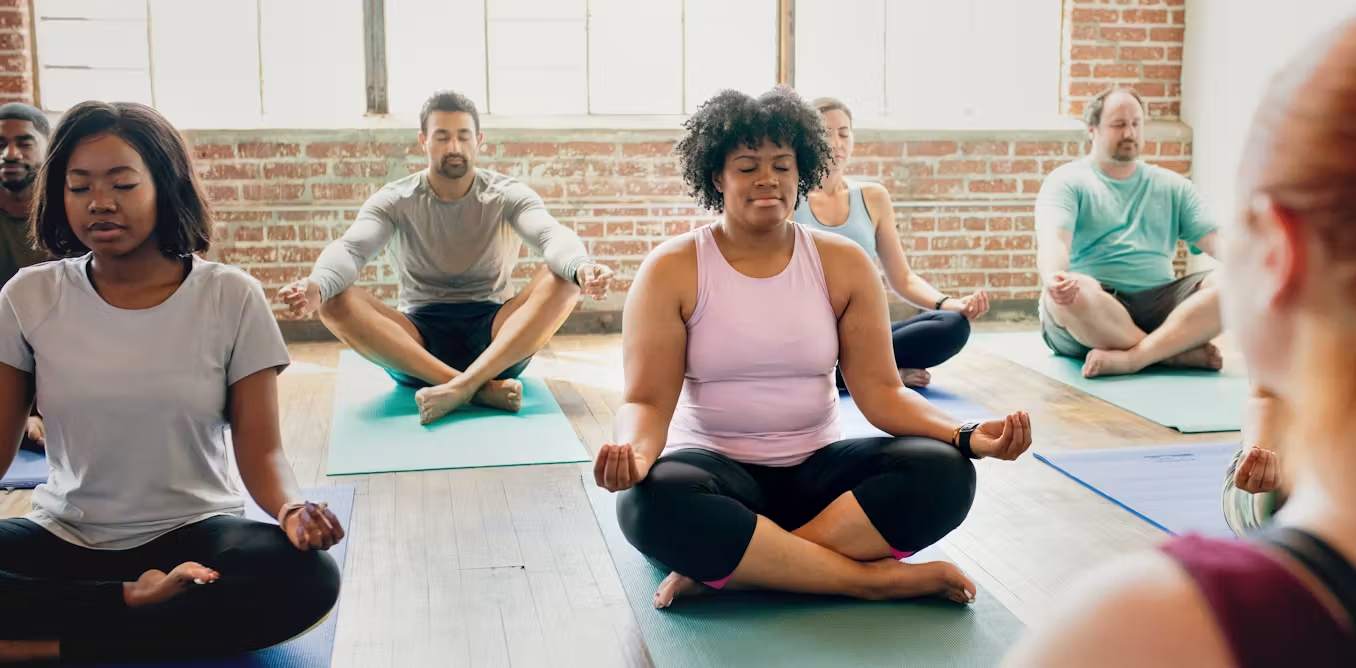
Yoga can be seen as an accessible way to exercise and improve wellbeing. You don’t always need a gym membership, specialist machinery or other people to do it.

But in practice, yoga in the UK is easier for some people to access than others. It is increasingly being linked to NHS social prescribing, where people may be connected with health-promoting, non-clinical activities delivered by community and voluntary services. Yet what is available, accessible or affordable can differ from place to place. My research suggests that some of the people who could benefit most from yoga face barriers to taking part.

Available evidence suggests that yoga participation in the UK is strongly skewed towards a narrow demographic. Respondents to a 2020 survey of UK yoga students and teachers were 91% white, 71% university educated and 87% female. These figures sit uneasily beside yoga’s reputation as open to all.

Many of the people least represented in yoga also experience poorer health outcomes and face health inequalities: avoidable and unfair differences in health between different groups of people. If yoga is being used as part of public health and wellbeing services, we need to ask who can realistically afford it, reach it and feel welcome once they arrive.

Advertisement

Mind and body

Yoga is a mind-body activity with roots in ancient south Asia. It can include breathing exercises (pranayama), philosophy, mindfulness, meditation and movement. Research suggests that it may help some people manage aspects of physical and mental health, including chronic lower-back pain, stress, symptoms of anxiety or depression, and quality of life and fatigue among some cancer survivors. The strength of the evidence is variable and covers a wide range of conditions, but yoga is widely understood to support health.

I am a researcher and yoga teacher with a focus on inclusion and marginalised groups. I teach yoga in northern city neighbourhoods with high levels of deprivation. These subsidised classes are more diverse than many other yoga spaces, and I wanted to find out why yoga is so often lacking in diversity.

In my forthcoming book, The Diversity Gap in UK Yoga: Outsider Perspectives, I examined the yoga access experiences of people from a range of backgrounds under-represented in yoga, including those on low incomes, disabled people, people with a high body-mass index and minority ethnic groups.

When analysing the interviews, I looked not only at the barriers people described directly, but also at underlying issues of power and inequality that shaped how bodies, backgrounds and needs were viewed in yoga spaces. This helped me identify cultural barriers that might otherwise be overlooked.

Advertisement

Identifying barriers

Some of the barriers I found were practical. Classes could be difficult to attend because of where and when they were held, how easy they were to reach, how much they cost and whether people were expected to buy particular clothing or equipment.

Other barriers were linked to how people imagined yoga before they tried it. Some worried that yoga would be too physically demanding, or not active enough. Some thought it might be “uncool”. Others felt that yoga was only for people who were slim, flexible, athletic or already confident in exercise spaces.

Some were also put off by elements that felt unfamiliar or alien, such as chanting, especially when these were not clearly explained.

Other barriers were cultural: they related to yoga spaces and the assumptions within them. Some participants felt excluded by the tendency for people within yoga to overlook access barriers, or to assume they could be overcome through luck, confidence, persistence or the right attitude, rather than recognising that the barriers themselves needed addressing.

Advertisement

Representation also affected whether people felt they belonged. Not seeing anyone like themselves could be alienating for some people.

For some people from south Asian national or faith backgrounds, it was also alienating when yoga’s south Asian origins were ignored, simplified or used in ways they felt were inappropriate. A strong belief that yoga is inherently welcoming could also make it harder to raise concerns. If criticism is discouraged, access problems are less likely to be acknowledged or addressed.

My research helps explain why yoga in the UK is often so white and middle class, and why this has consequences when yoga is used to support health and wellbeing. It found that people with marginalised identities experienced practical, perceptual and cultural barriers when they tried to get involved in yoga. Many of these groups already face poorer health outcomes and greater barriers to care.

These findings offer yoga teachers, studios and community providers an opportunity to examine their practices and make yoga more accessible to people who have too often been excluded.

Advertisement

Source link

Continue Reading

NewsBeat

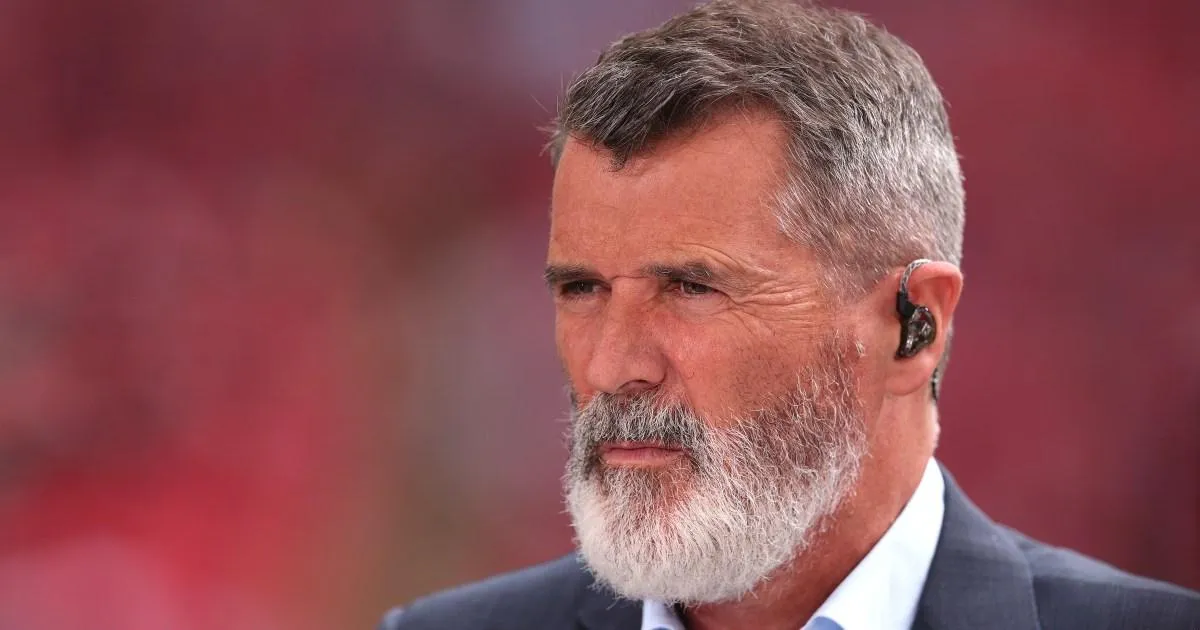
Roy Keane names his two World Cup favourites: ‘They will meet in the final’ | Football

Published

on

Roy Keane names his two World Cup favourites: 'They will meet in the final' | Football

Close Overlay

In The Mixer’s World Cup special

Everything you need to know about the World Cup – England updates, the games to watch and stories you missed – in five minutes, at 1pm, every day.

Source link

Advertisement
Continue Reading

Trending

Copyright © 2025