NewsBeat
‘In Romania now, you don’t see a bottle anywhere’

A deposit return scheme for drink bottles and cans in Romania has ‘made the impossible possible’
Just a year ago Romania slumped at the bottom of Europe’s circularity charts, with just 1.3% of materials fed into production coming from recycled sources. However, that could soon shift, albeit marginally, following the success of what is billed as the world’s largest centralised deposit return scheme (DRS), run as a public-private partner-ship by the company RetuRO.
“You go to Romania now, you don’t see a bottle anywhere,” said RetuRO CEO Gemma Webb. “It was the impossible made possible. Everybody’s very proud.”
The not-for-profit partnership launched in 2023 with retailers, soft drinks producers, brewers and Romania’s Department of Environment as share-holders. Consumers pay a 0.50 Romanian leu (£0.09) deposit per bottle or can, and get the cash back by dropping them off at in-store reverse vending machines.
Supermarkets also collect recycling during home deliveries, crediting customers’ accounts in return. The waste is then sorted and sold to recycling firms, who in turn sell it back to manufacturers, including Pepsi and Heineken.
Recycling has been dogged by criticism in recent years that waste is often exported, resulting in illegal dumping. But Webb said that key to Romania’s scheme – and essential for consumer confidence – was full traceability.
“For every tonne we sell to recyclers, we get a certificate to show it’s actually recycled, and we audit them as well,” she said. “We’re aiming for bottle-to-bottle and can-to-can. It’s literally a full circular economy.”
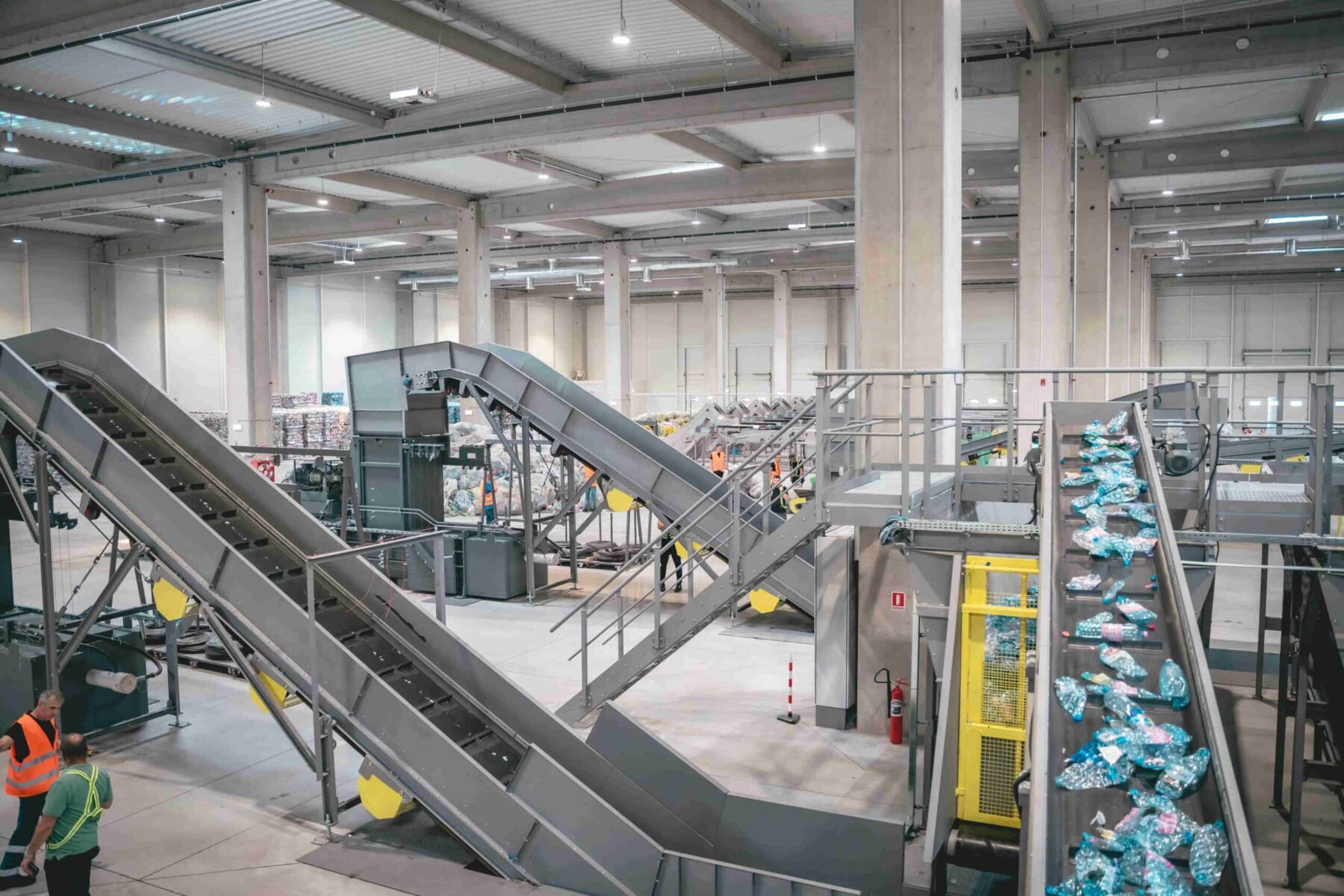
Despite transport costs making glass a rarity in DRS models, Romania’s does include it, and studies show residents are embracing the measure. Ninety percent of Romanians have used the scheme at least once, and 60% are regularly cashing in their empties.
Over 8bn containers have been collected to date, including 4.5bn plastic bottles, returning over half a million tonnes of high-grade recycled materials to producers.
Beverage containers make up just 5% of Romania’s total waste toll, meaning its DRS is likely to have only a minimal impact on overall recycling rates. However, other nations, including Poland, Turkey and Bulgaria, are said to be eyeing up the scheme.
The UK is set to launch its own DRS in October next year. Webb said RetuRO’s success offers valuable lessons and believes Britain could even surpass Romania as the world’s largest centralised system.
Images: ReturRO
Be part of the solution
At Positive News, we’re not chasing clicks or profits for media moguls – we’re here to serve you and have a positive social impact. We can’t do this unless enough people like you choose to support our journalism.
Give once from just £1, or join 1,800+ others who contribute an average of £3 or more per month. Together, we can build a healthier form of media – one that focuses on solutions, progress and possibilities, and empowers people to create positive change.