







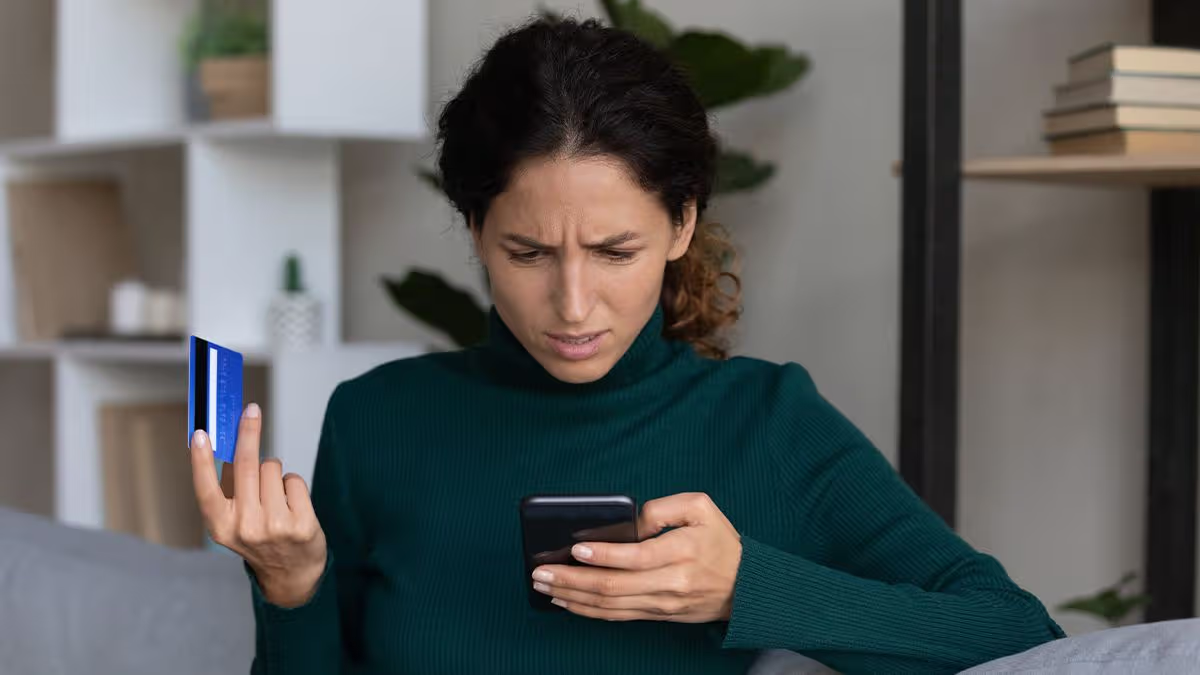
The building society recently issued an update
Nationwide Building Society has shed light on a rule that affects customers accessing services online. The update after a query was raised by a member on social media.
The customer explained that they had switched to a new phone several weeks prior and were unable to activate biometrics on their new device. They asked: “How long is the waiting period to get these back?” Biometric authentication is a security feature that uses a unique personal identifier to verify account access. This can include fingerprint scanning or facial recognition to confirm a user’s identity. In response to the question, Nationwide stated: “If you get a new phone, you’ll need to wait to re-qualify for biometric authentication on that device.”
Regarding how long this can take, the group said: “There’s no set timescale, and we’ll usually notify you by text message when it becomes available.” The building society also pointed the customer towards an information page on the Nationwide website detailing how to set up biometric authentication.
The feature can be set up for everyday banking purposes, allowing customers to log into the app and authorise both small and recurring payments through either the app or internet banking portal. Biometrics can also be used to verify your identity when logging into internet banking.
Customers also have the option to set up biometrics within the app, to provide an extra layer of security for more sensitive transactions. This includes larger payments or resetting your passnumber.
With account biometrics enabled, there will be no need to use your card reader or debit card to log in or make payments. Nationwide recently issued guidance on how to identify counterfeit currency, following reports of fake notes appearing at one of its branches.
Counterfeit cash warning
A spokesperson said: “We are aware of a rise in scammers using fake banking notes to pay people for goods and would urge consumers to always check. Suspected counterfeits should be reported to the police, and guidance is available on the Bank of England website.”
Counterfeit notes frequently feature a thick plastic sticker concealing the hologram, which if peeled away may reveal the words: ‘for props only’. Another indicator that a banknote is fraudulent is if some of the UV numbers can be easily scratched off.
You may also want to look out for features such as the hologram and colour-shifting inks on the bank note, to make sure they appear exactly as they should.





















































You must be logged in to post a comment Login