Connect with us

NewsBeat

Jeremy Miles on why he’s quitting politics, that leadership race and his legacy

Published

on

Jeremy Miles on why he's quitting politics, that leadership race and his legacy

The man who could well have found himself as Labour leader shocked everyone when he said he was quitting politics. For the first time, he details why

Advertisement

Despite most other people in the Senedd buildings being able to tell you to the day, if not the minute, when the Senedd term finishes, Jeremy Miles says he is anything but. As Wales’ health minister he says it’s not about seeing out the last few weeks because actually improving the NHS is exactly what Labour needs, what Wales needs, any day of any year.

But, he will admit he is starting to look at life plans after May 7, when he will stand down as an elected politician in Wales and the job he has held for 18 months will go to someone else, potentially, probably, someone outside the Labour party.

The last time we spoke at length for an interview, Jeremy Miles was adamant he would be standing for election again, despite all the drama and stress that he’d gone through in his attempt to become First Minister of Wales in the months before. For our free daily briefing on the biggest issues facing the nation sign up to the Wales Matters newsletter here.

Defeated by Vaughan Gething, the man who beat him, lasted just months before he was ousted after questions over donations received in his campaign.

Advertisement

Then, when in summer 2024, Eluned Morgan put her name forward to replace him she did so unopposed. Jeremy Miles didn’t enter another one-on-one battle.

In spring 2025, he said he wanted to be returned to the Senedd as the member for the new Brycheiniog Tawe Nedd constituency and was widely expected to be one of a relative handful of incumbent Labour MSs who wanted to be in a new-look Senedd from 2026.

But fast forward a few months, in the dying days of summer, I remember getting a message telling me he was about to announce he was withdrawing and would actually be standing down.

Shortly afterwards, his statement explained more: “I have had the opportunity to reflect and have come to the conclusion that the end of this Senedd term is the right time for me to stand down, to seek a different challenge – one which may allow me more time to better balance work with my commitments to the people in my life.”

It’s taken till now for diaries to align, and dust to settle for him to explain more.

What changed, is my first question, when we meet with just a handful of weeks of this, the sixth Senedd left.

“We spoke last springtime, didn’t we, and you asked me if I was standing, and I said absolutely I was standing,” the 54-year-old recalls.

Advertisement

“What happened, was the Senedd went on recess, you go back to the constituency and you reflect about things and it felt to me as though I’d had almost 10 years in the government…I got into a cabinet, the year after I got elected, really quickly, and it’s been, I think, an incredible 10 years, in terms of what it has meant I have been able to do, but it’s also been a very challenging 10 years in many other ways, both in terms of the politics, but also in terms of the world around us, so Brexit, Covid in particular, but also other things.

“And I suppose I reflected over the summer and thought now is probably a sensible time, whilst I was still at least comparatively young to do one more thing, one more opportunity to do something in my life,” he says.

It has, he says, nothing to do with Labour’s then dwindling polling numbers – numbers which have got considerably worse since he made his decision.

Advertisement

“No, not at all,” he states. “It’s obviously a challenging context in which to be standing down from the Senedd and that makes me feel sad.

“However, our task now is to make sure we put everything on the field to get the best possible outcome at the next election and I’m absolutely playing my full part in that.”

You can’t talk about his time in politics without referencing that leadership loss. It was bitterly felt by him, and his team. His face, as he left the result announcement showed just how much it had meant to him.

His team called out, at the time, some of Vaughan Gething’s tactics, and when that £200,000 donation emerged, they watched as his leadership floundered. Jeremy Miles was one of four cabinet members who quit, en masse, and delivered the final blow to Mr Gething’s position. Hours after that he quit as Welsh leader and First Minister.

The divisions in the party then were entrenched, and they do remain to this day, some have never forgiven what happened in those weeks. The group, while publicly at least unified, has never fully recovered. There are still people from both sides of the campaign who cannot, and do not speak.

“I think I was pleased that I stood to be leader. I felt I would have done, I hope, a good job,” he says.

“I had things I felt very strongly about that I wanted to do, I felt that I had fresh ideas about how we could do things better in the future. and obviously I didn’t become leader, but I was genuinely heartened by the campaign that we ran, which I thought was full of vision and full of integrity.

Advertisement

“I was also really pleased to get the level of support that I had, obviously, I would have liked to have had more support,” he smiles. “It told me that huge numbers of people in the party wanted to embrace a fresh way of doing things,” he adds.

Does he replay the leadership campaign still?

“No, I don’t,” he says. “Genuinely.”

Advertisement

“I know in a sense I would say this, wouldn’t I? But I’ve always felt very deeply, really it’s important to reflect on what happens and what you learn from it and what you could have done differently and what could have been better.

“All of that is very important, obviously, as in any job but essentially, once I’ve done that, I’ve always been good at looking forward and I think that’s why when the leadership became vacant later in the year I was able to look forward at that point.

“Obviously, I was thinking at that time about whether I should stand again but having reflected about the months that have gone before and what I’ve just said to you, I actually don’t find it that challenging to look forward.”

If he had been elected leader, would he still be standing down from politics now? “No, absolutely not,” he says without hesitation.

“I think if you are the leader of the party, you lead the party into the election. I think there’s an absolute responsibility on you to do that. So I think that it will be a different scenario. But in a sense that wasn’t part of the reason, but it will obviously be a different scenario,” he says.

“My task is to be sure that we do absolutely every single thing that we can to improve the performance of the health service. That is my my sole focus.

“Sometimes asked when I’m doing the monthly statistics about the numbers of people waiting and how long they’re waiting, I’m asked by journalists if because I’m standing down am I taking foot off the accelerator.

Advertisement

“I think, I hope at least, we can see that isn’t happening, because things are improving.

“There’s a long way to go till it’s back to exactly what we want obviously but things are getting better. So that’s my task. My task is to make sure that gets into the best possible place by the time I stop being a health minister.”

Health is the thing the Eluned Morgan administration has put the most resource and energy into, but the very nature of health is while he will quote the number of people off waiting lists, or the extra cataract operations, opposition politicians will pull another figure to show they haven’t done enough.

Advertisement

“We set very stringent targets and we are doing really well at hitting them.

“We’ve seen for the seventh month in a row, you know, the waiting list come down. I’m absolutely confident that pattern is continuing and we’ll see the same with the longest waits as well.

“We’ve got 40,000 cataracts being done this year and the expectation most years is that we manage to do 17,000, but there will always be something.

Advertisement

“The two decisions I made early on as health minister were firstly, was it my role to be the political voice of the NHS or was it my role, to be, the political voice of public and patients, seeking the best possible NHS?

“I made a very clear decision at the start that the latter was my responsibility and that has meant whenever there have been challenges or whenever there’ve been opportunities to help shape things I’ve had a very clear rule of thumb to apply to that,

“The second thing I decided early on was that it was not about the data.

“Obviously the data has to be going in the right direction and actually I’ve put more and more data into the public domain than we have in the past and I’m continuing to do that, but really people will not decide on whether Welsh Labour run the NHS well in the last 18 months or whether I was a good health minister not based on whether we’ve removed 10,000, 20,000 or 30,000 from the waiting list this particular month, they will decide that based on whether they feel they’re getting the care and the service that they need and their family and friends are.

Advertisement

“It’s definitely getting better, there’s absolutely no two ways about that.

“People are definitely being seen faster, more people are being seen faster on the things that matter most to them.

“People are being called in for outpatient appointments, on Sunday evenings on a Thursday late afternoon when they otherwise wouldn’t be, and I think that tells people that we have a system which is operating differently and pulling all the stops out,

Advertisement

“People expect that, obviously they should, they deserve it. But the practical effect of that is people feeling, actually, I’m seeing all this in the news, but actually I did get my hip done faster, so that’s positive.

“I don’t mean to sound pious about it, but for me it has never been about the election. It’s about getting people the care that they need faster.”

After 10 years around the table where big decisions were made, from being in Brussels for Brexit, the days of Covid press conferences, and now the health brief, is there sadness, relief, or excitement about what’s to come, I ask.

“I’m excited about what will happen next.

Advertisement

“I’m essentially somebody who looks forward and I’m essentially an optimist so I don’t have any particular plans yet but I’m optimistic.

“The reason I’m standing down is because I want to be able to do one other thing for the next 10 years I guess before I start thinking about retirement which doesn’t feel so far away.

“I still have a vast amount of energy and ideas about doing things.

“Before I was a member of the Senedd, I spent 20 years actually in legal practise and in the commercial sector, I’ve done a range of roles in government which I really couldn’t have imagined having had the opportunity to do really, both in terms of being the law officer, education, the Welsh language, briefly the economy department and now health and social care.

Advertisement

“That’s genuinely touched most aspects of government. People will always say this, but it’s genuinely true, it’s been an incredible privilege to do that.

“It has been very tough for quite a lot of it, but that’s the nature of the job,” he says.

He referenced the personal sacrifices political office brings, something he agrees with.

“Family doesn’t get the attention they deserve. Friendships don’t.

Advertisement

“You don’t see your friends as often as you want to.

“People say to me, what are your hobbies? And you sort of sometimes bluntly have to scratch your head and think, ‘oh, that used to be a hobby and I still do a bit of it’.

“But I’ve never felt, firstly, that you get any sympathy for it. Secondly, I don’t think you should because it’s a choice that you make.

Advertisement

“Politics isn’t a career. No careers are predictable anymore are they, but there’s no pattern to it.

“We know in our Senedd that elections come at fixed points, so there’s at least that level of predictability to it, which isn’t the case in Westminster, but if you’re in government you can lose your responsibilities in your role overnight or be switched into a new role if you are fortunate to be.

“Some roles are more demanding perhaps than others. I think I’ve done quite a range of quite demanding roles.

“However I’ve been fortunate genuinely because I’ve found them all in different ways fulfilling and I loved being education and Welsh language minister, I felt that it was playing to many of my strengths and what brought me into politics in the first place.”

Advertisement

I remember him denying suggestions he had initially refused the health job, but he does admit in this interview he “felt differently” about health compared to any of his other government jobs.

“I probably felt a little differently about health because people talk so much about how difficult it is, how challenging it is, for good reason.

“I probably had less of an instinctive feel for some of the main issues but I decided early on that my task, since I was only likely to have them all for 18 months was to focus absolutely relentlessly on quite a small number of things because that’s the only way really that you can make a difference quickly.

“I think that is happening, which I’m really very pleased about.

Advertisement

“Obviously I want things to go faster and you know better all the time. I’ve felt that in all the jobs that I’ve had but I’ve focused in on a comparatively small number of priorities and I feel I’ve driven those hard, in partnership with a lot of other people.”

A loyal Labour member, the Neath MS is someone who is privy to the data the party holds ahead of May’s election, he is well aware of the problems and challenges they face.

Does he worry about what the new Senedd will look like after May?

“We don’t know what the result is yet. I’m not a commentator on the election and my job, along with my colleagues, is to fight hard and support the candidates who are standing. The main way I can do that is make sure that the health service is delivering for people to work.

Advertisement

“What I want to see, as you would expect me to say, is a Labour-led government after the next election, and I will do absolutely everything I can between now and the election to make sure that that is a reality.

“If we don’t have that, then as we know from previous Senedd’s, and it will certainly be true in the next Senedd, what the electoral system we have encourages people to work with each other, and, I feel very strongly there is still a progressive majority in Welsh politics, and it’ll be the responsibility of parties in the Senedd to work together to find a government which can deliver on that commitment to people in Wales.

“I think the worst possible outcome for Wales would be, we see people speculating about a Reform government or a Reform Conservative government.

“The worst possible outcome for people in Wales is that.

Advertisement

“We saw Plaid Cymru ditch their green pledges. We are constantly, as Labour ministers, being criticised in the chamber that we’re not spending enough on this, that and the other.

“If you add up all of Plaid’s spending pledges, you’d need twice the Welsh government’s budget to meet them.

“Now, I understand that parties going into election make promises, but the challenge, I think, is, if you have a party which is making wild promises which cannot be delivered with no sense of reality that leads to cynicism in politics,” he says.

“That cynicism will lead to an increase in support for Reform.

Advertisement

“It is incumbent on us to be straightforward with the public about what the choices are that have to be made and to deliver those choices once we’ve committed to them.

“I actually think that part of the reason we have done well as a Welsh Labour government in the time of devolution is for each election we’ve been able to say ‘all the things we said we would do, we’ve done’.

“I know it sounds a very straightforward thing, and it is, and it should be a straightforward thing in a sense to be able to say that but firstly, it’s difficult to deliver and secondly, I think that’s quite a powerful message for the public because they say, well, ‘these are people who’ve kept their word’.

I put it to him there seems, this time, to be a move away from that for Labour, that seems to be wearing off resulting in a feeling, in poll projections, which seem almost insurmountable.

Advertisement

“I’m not saying that’s sufficient for ever,” he says. “It definitely is not, and frankly nor should it be.

“It’s also about what you’re promising and how you engage with the public in terms of their priorities.

“I’ve been really clear when we last spoke, you were asking me about the months ahead and what that looked for politics, and I was saying to you, ‘Look, the only way the Labour Party will continue to succeed in the way that we have is by standing true to what Keir Starmer says by the way, which is country first, party second, which I completely agree with.

“It’s that standing up for Wales, that voters in Wales have an absolute confidence that when there are choices to be made, the choice which Welsh Labour will make is one which is in the interests of Welsh people, even when that’s difficult or inconvenient,” he says.

Advertisement

Has Labour stood up for people?

“Absolutely,” he says.

But he cannot be immune to those people on the doorsteps, their members, who are fed up.

“Clearly, when you’ve been in government for a long time, fighting the next election is always the hardest election to fight. That’s been the case for every election that we’ve fought. It’s definitely the truth for this election.

Advertisement

“Not a single one of us is under any illusions about how hard it is when you’re out campaigning but that’s not specific to Labour, by the way.

“I think people are genuinely more disillusioned with politics broadly.

“I think the challenge that you have as a government that’s been in for a long time, when for a lot of that time recently we’ve had a government of a different colour in Westminster, is that the public understandably aren’t making a distinction between the two.

“From my point of view as the health secretary, what I would absolutely say is, at the point when the demand on the NHS was increasing most, that was the time when the kind of investment you want to be able to make in the NHS in the new hospitals, in the new technology, in new facilities, all those things which we need, was the time when the capital investment coming from Westminster to Wales was at its lowest.

Advertisement

“Those two things came together.

“Now, when I’m knocking a door explaining that to people obviously that’s challenging as a message to convey. It is however the truth.

“So that’s why it’s important for us to be able to make progress on the NHS, because we are then able to say, despite that backdrop, we’re still improving,” he says.

In response to whether people are listening to them, he says: “I know that from my local patch, it feels very different on the doorstep from the polls.

Advertisement

“I’m not naive, obviously it’s challenging and it’s more challenging than it’s been in the past, which is why we’re all working so hard.

“I’ve always felt it’s really important to be straightforward with people. I don’t say honest because everyone’s being honest, but it’s complex to make sure we can get public services to where we want them to be, whoever is the government in the new Senedd isn’t going to find a different context, it’ll be the same set of challenges.

“All I can say as health minister when you’re looking for ways to improve the service, we all want more resources, we want more time, we are all want less demand.

“None of those things are going to be different over the course of the next few years and so the choices that incoming government, whichever its complexion have, are not likely to be very different from the choices which a Labour government have in this Senedd”.

Advertisement

Whatever this election throws up, someone new will become health minister, so what’s his advice for them?

“I think that the challenge for any health minister is distinguishing between the things which you can have an effect on by setting clear targets, providing the funding, putting in place the performance management, describing a vision of where you want to go, being prepared to make choices which prioritise some things and not others.

“You have to be able to do that. As a Health Minister, if you want to try and support the system to move forward.

“You are not in direct control of the day-to-day operations of the health service and in something which is so complex as the health service, inevitably things happen every single day, which will end up as a question for me in the floor of the Senedd, as it absolutely should be, which is not something which I as a minister could ever expect to have direct control over.

Advertisement

“Being very clear about which side of the line things are on is really important as a minister.

“I think that will be one of the main things that I would recommend to whoever is my successor and also fundamentally, the health service isn’t a big machine where levers can be pulled and outcomes can be delivered.

“It’s tens of thousands of people. Going into work every day, making different choices, feeling good about the day, feeling less good about day, feeling tired, feeling energetic, feeling well-supported, feeling unsupported, feeling all the things that colour the days that you and I have.

“The health service is the outcome of that.

Advertisement

“It’s more of an organism than a machine, really, and so making sure that you try and motivate people and encourage people as well as setting those targets and having clear expectations about how they’re delivered, that is really important.”

As he looks forward to his new chapter, is there sadness too, I ask him.

“Yes, hugely. It’s been an enormous part of your life,” he says.

“It has brought political opportunities to make, I hope and I feel, a big difference in the areas that I’ve been able to have and there aren’t that many roles in life which give you the breadth of potential impact, if you like, or the long-term nature of that impact.

Advertisement

“That’s one of the challenges looking forward. I want the next 10 years really to be as impactful in my life as the last 10 have offered the opportunity for me to be.

“There obviously aren’t that many roles that provide that opportunity really but I guess you know mixing the work that I did before being in the Senedd and the work I’ve done as a minister there might be something in the future I’ve no idea.”

As for him, personally, there is a new job to find, and free time that he hasn’t had in quite some time. So, what’s first on his list when he’s handed in his pass and no longer has spreadsheets landing in his inbox about waiting times.

“The thing I think that I’ve tried to do for a long time which has definitely been a victim of the last 10 years, but to be honest, I was a victim of frankly all the jobs I did before that as well, so it’s really more about my personality and my failure to achieve a work-life balance for many decades probably, is learning Spanish.

Advertisement

“So I try and visit Spain whenever I can and I speak a bit of Spanish, but not well enough.

“So I’m hoping I’ll have the opportunity to go to Spain for a period to learn Spanish, which would be great.

“I think that would be a good way of having a break from my current world, but also would give me time to think about what’s next.”

Ensure our latest news and sport headlines always appear at the top of your Google Search by making us a Preferred Source. Click here to activate or add us as Preferred Source in your Google search settings.

Advertisement

Source link

Continue Reading
Click to comment

Leave a Reply

Your email address will not be published. Required fields are marked *

NewsBeat

Excitement building for new dog indoor soft play in Shildon

Published

on

Excitement building for new dog indoor soft play in Shildon

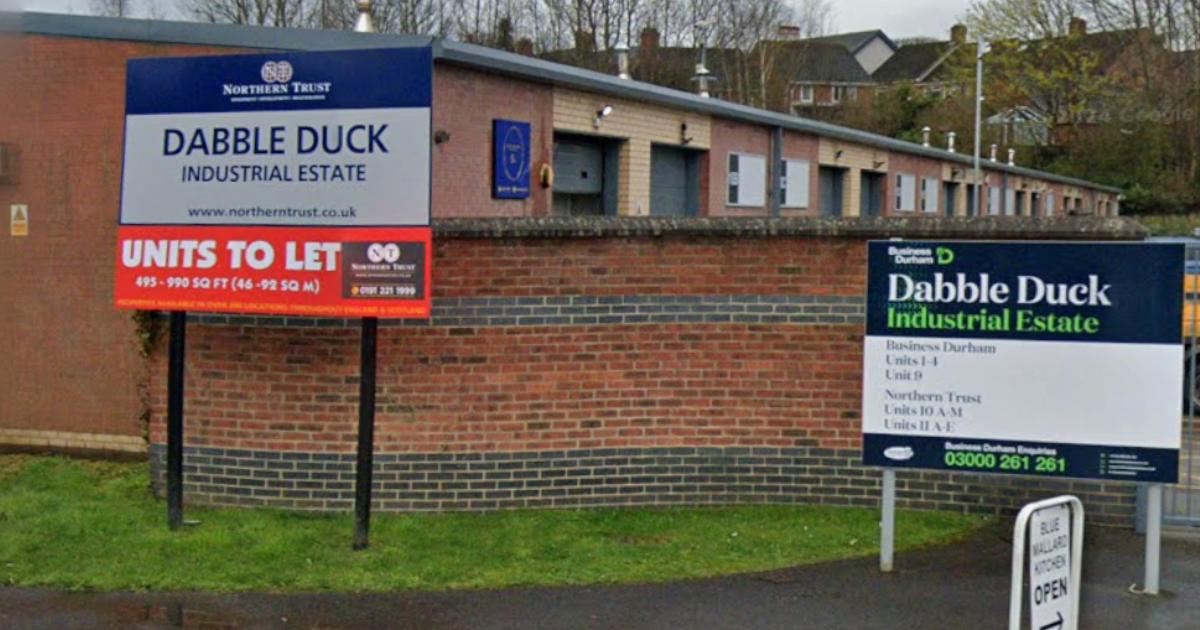
Zoomies is promising a safe and controlled space for dogs to play at the Dabble Duck Industrial Estate, having been announced earlier this year.

Owner Ashley Bennett described it as a long held dream, and a major career change from hairdressing to working with dogs.

A new dog soft play experience is set to be opening in Dabble Duck Industrial Estate in Shildon offering a safe space where dogs can play (Image: GOOGLE)

The play area will operate through 50-minute bookings, giving dog owners exclusive use of the space.

Two separate play areas will also be available, with staggered sessions designed to reduce the chances of dogs seeing one another.

Advertisement

Ashley has now shared an update explaining that the final stages of the process are still being worked through.

She said: “I’m at the stage where I’ve completed everything I possibly can from my side. Unfortunately, every time it feels like we’re getting close to an end date, another question or query seems to come through from higher up, which slows things down a little.

“Please bear with me while this final part gets sorted. I honestly can’t wait to get Zoomies up and running and share it with you all. Thanks so much for your patience and support!”

Advertisement

Ashley previously explained the personal meaning behind the business, saying: “Although I’ve been hairdressing forever, working with dogs has always been in my heart.

“This has been a dream quietly growing behind the scenes, built with so much love, care, and passion for our four-legged friends.”

The update was met with messages of encouragement from people keen to visit once the play area opens.

Advertisement

One commenter wrote: “Oh my goodness it will so be worth the wait. We’re so looking forward to coming.”

Another said: “My babies can’t wait to come along and play.”

And another added: “You will get there, we can’t wait and are really looking forward to getting booked in for some fun time with the doggos (sic)”.

Ashley said more details will be shared as the launch approaches.

Advertisement

Source link

Continue Reading

NewsBeat

Paul Scholes breaks silence on controversial Michael Carrick message | Football

Published

on

Paul Scholes breaks silence on controversial Michael Carrick message | Football
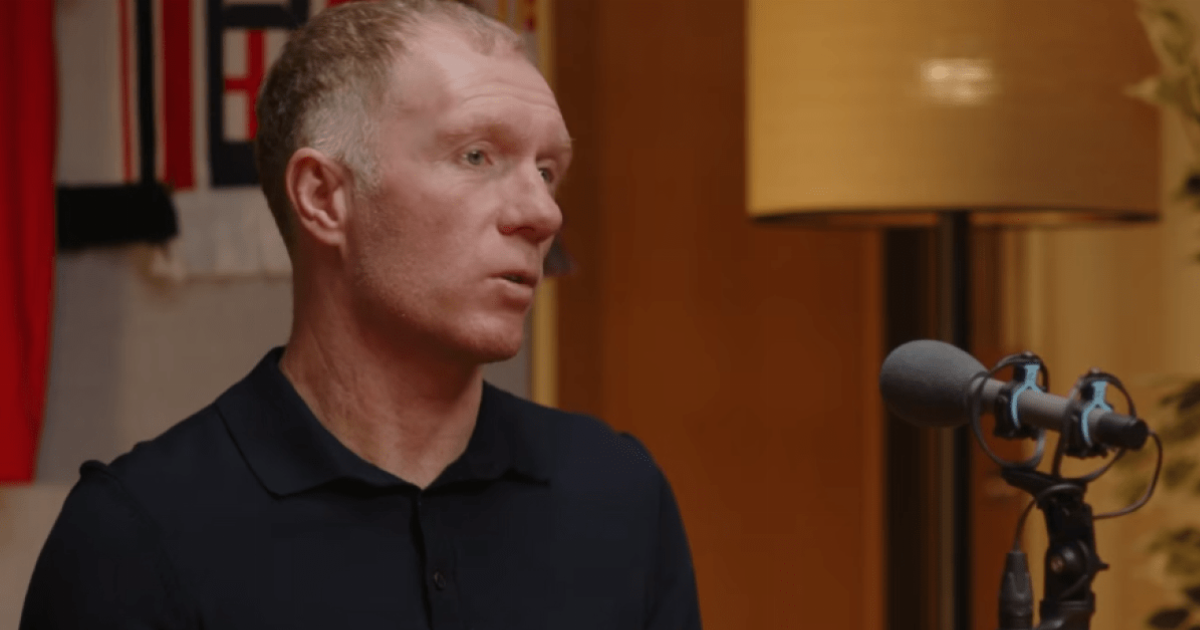
Paul Scholes took aim at Manchester United after their recent defeat at Newcastle (Picture: YouTube)

Paul Scholes has insisted he did not mean to offend his former team-mate Michael Carrick after a social media barb aimed at the Manchester United head coach on Wednesday night.

Scholes posted that “Michael has definitely got something special about him, (because) United have been c*** last four games,” shortly after United lost 2-1 at Newcastle.

Despite the loss, the first since Carrick replaced Ruben Amorim, United sit third in the Premier League and are challenging for Champions League qualification.

And responding to criticism of his comment, Scholes, speaking on the GoodBadFootball podcast, said: ‘Michael is one of the nicest people you will ever meet in football – he’d be the last person I would want to offend.

Advertisement

‘I messaged Michael anyway. I went straight to Michael and said, ‘Look, I never intended to upset you.’ And I don’t think I needed to say that anyway, and he told me himself he wasn’t upset by it.

‘I think people have just took it differently from what was meant. The only thing I was saying was that I don’t think they played that well the last four games, and he’s still managing to get results.’

Scholes’ comments were criticised by another former United player, Patrice Evra, who also took aim at perceived negativity from fellow pundits Roy Keane and Gary Neville.

Your football fix

Metro‘s Head of Sport James Goldman delivers punchy analysis, transfer talk and his take on the week’s biggest stories direct to your inbox every week.

Advertisement

Sign up here, it’s an open goal.

Scholes after Man Utd’s defeat (Picture: Instagram)

‘It annoys me because we want to be in the top four, and those comments are unnecessary, but this is what you do when you work in TV.’ said Evra. ‘You can’t be positive, you have to be negative.’

Another United stalwart, who played alongside Carrick and Scholes, Rio Ferdinand, meanwhile, confirmed he had been in touch with the 51-year-old and clarified there was no animosity between the pair.

Advertisement

‘Everyone was saying is Scholesy drunk has he had a few too many to drink, Ferdinand said when referring to the incident on his Rio Presents YouTube channel.

To view this video please enable JavaScript, and consider upgrading to a web
browser that
supports HTML5
video

Advertisement

‘I actually texted him and said ‘what’s going on?’ But Scholesy is Scholesy. He said ‘listen I said he’s special but we have been rubbish the last four games’.

‘And he isn’t wrong. We have been rubbish the last four games in terms of performance. It hasn’t been top, I wouldn’t say rubbish. It hasn’t been oh my god I’m going to pay to watch that against next week, it’s been flat.

‘People are going ‘I thought he was his teammate, I thought he’d support him a bit more. Did he need to say that?’ Those are obviously the questions people are asking if there a bit of beef between them?

Newcastle United v Manchester United - Premier League
Newcastle beat Man Utd 2-1 at St James’ Park (Picture: Getty)

‘Listen, there’s not beef between them two. They’re two really placid, calm guys. Carra has the upmost respect for Scholesy and Scholesy the same.

‘It was just interpreted differently to the way Scholesy meant it to come across.

Advertisement

‘He’s just being honest and brutal. One thing I’d say abouut him, he didn’t say much in the changing room but when he did it was normally a cutting comment so I’m not surprised he is how he is as a pundit right now.’

Advertisement
Advertisement

Source link

Continue Reading

NewsBeat

Strikes Garden Centre, Stokesley praised on Tripadvisor

Published

on

Strikes Garden Centre, Stokesley praised on Tripadvisor

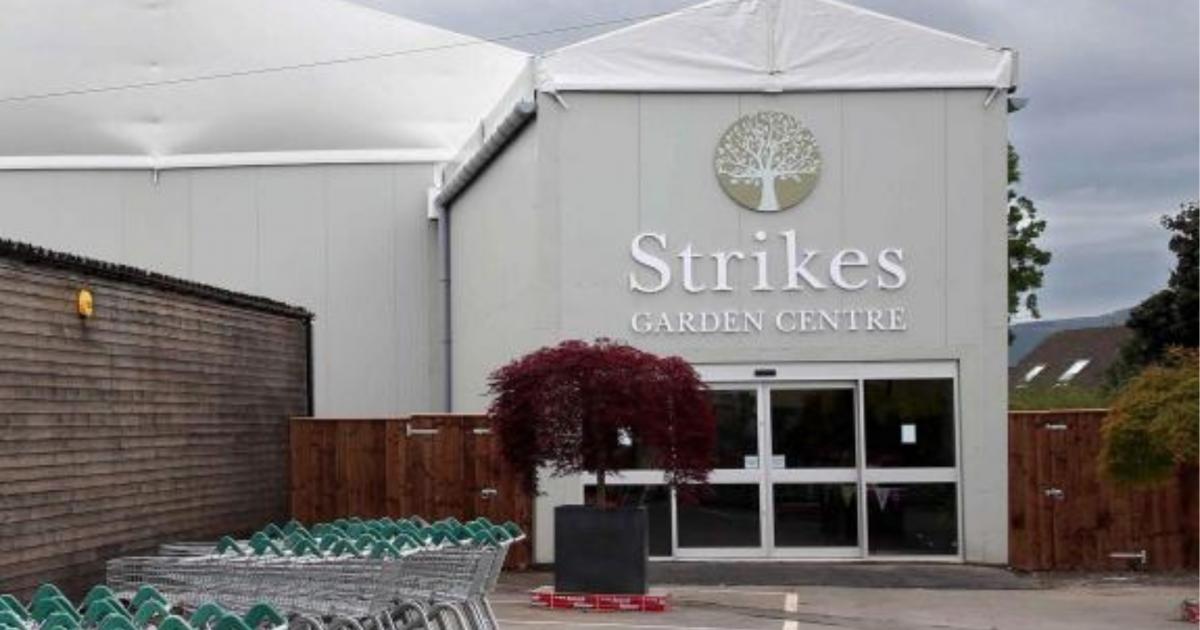
Strikes Garden Centre, based at The Roundabout, Meadowfields, Stokesley, currently holds a four-star rating from more than 1,900 reviews on Tripadvisor, with many customers describing it as one of the best in the region.

Plant quality appears to be a major reason for its strong reputation.

The front of Strikes in Stokesley (Image: STRIKES)

One customer described it as the “best garden centre I’ve ever been to,” praising the care given to plants before sale and saying they are happy to pay slightly more for quality that “thrives because of the care they get in the early days.”

Others highlighted the layout and investment in the site following refurbishment works in recent years, with one reviewer noting that “a lot of thought” had gone into everything from parking to the overall shopping experience.

Advertisement

The centre is also known for its large Christmas displays, with several customers calling it their “go-to for the festive season” thanks to its “great variety of Xmas decor.”

Alongside gardening supplies and homeware, Strikes’ large on-site restaurant is proving just as popular.

Breakfast, lunch and cakes regularly feature in positive feedback.

Advertisement

One visitor said a Bacon, Brie and Cranberry baguette was “cooked perfectly” and “very generous on the brie,” while another praised the breakfast menu, singling out the hash browns as “the best we’ve ever tasted.”

Inside Strikes in Stokesley (Image: STRIKES)

A separate review described staff as “very attentive,” adding that sandwiches and homemade soup were “very tasty.”

While one customer said the café was slightly expensive, they added it was “worth the treat,” with many commenting on the wide choice of meals and cakes available.


Beyond plants and dining, Strikes offers homeware, gifts, aquatics and seasonal items, with shoppers mentioning purchases ranging from garden lights and bench cushions to fish supplies.

Advertisement

Its popularity means the café can be busy at peak times, particularly on weekends and during seasonal events.

With nearly 2,000 reviews and consistently strong feedback, Strikes Garden Centre appears to have cemented its place as one of North Yorkshire’s best-known garden retail destinations, attracting customers not only for plants, but for a full day-out experience.

Source link

Advertisement
Continue Reading

NewsBeat

Crufts winner Lee Cox ‘convicted of animal cruelty’ and kept dog in ‘shocking’ conditions

Published

on

Crufts winner Lee Cox 'convicted of animal cruelty' and kept dog in 'shocking' conditions

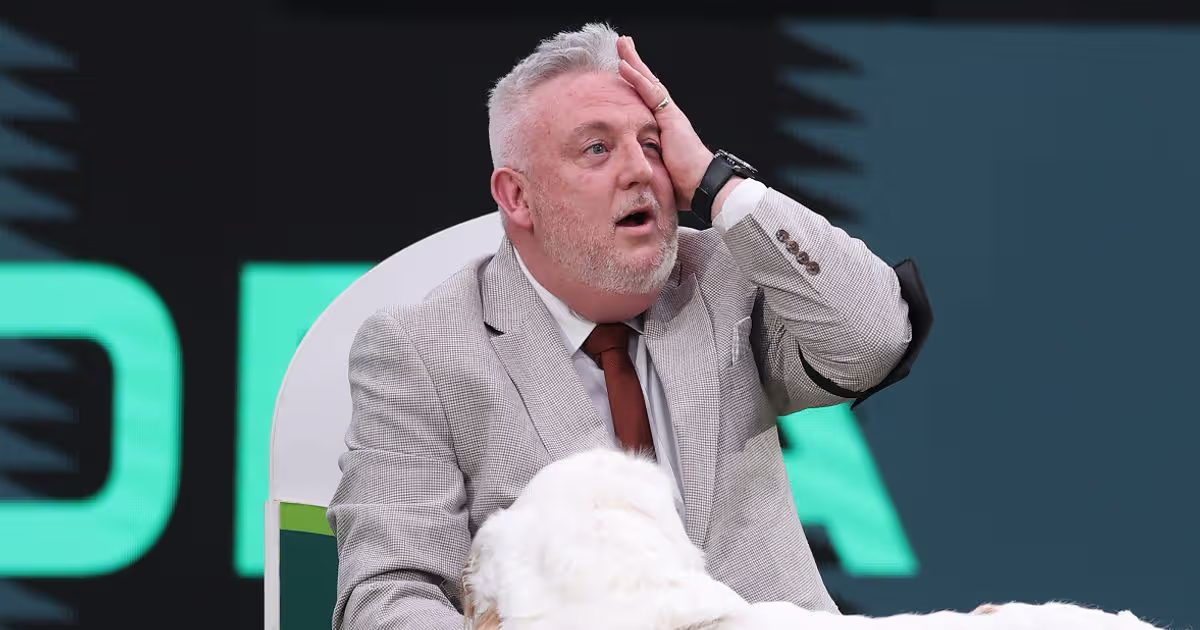
This year’s Crufts Best in Show winner Lee Cox was convicted of animal cruelty over 20 years ago, with angry dog owners speaking out following his win

This year’s Crufts Best in Show winner Lee Cox was convicted of animal cruelty for keeping a cocker spaniel in terrible conditions. Lee triumphed at the annual event but it has now been revealed he was convicted over 20 years ago.

Back in 2001, Cox and Roger Stone were found guilty of causing unnecessary suffering to a retired stud dog. They were given a three year discharge with conditions and also told to pay £5,000 costs towards the prosecution.

In court, it was heard how an inspector had arrived at Kaston Kennels at Mark, Somerset, where they said lots of dogs appeared to be bald and scabby and some dogs were filthy.

Advertisement

Cox told how he had not taken the spaniel to the vet and instead used medication prescribed for another animal to treat the dog’s ear problem. Stone said he had not seen the pet for five years because “his poor health had kept him indoors”.

After the case, Stone said: “We have nothing to say about the verdict, but we will continue keeping dogs.”

Inspector Jo Daniel, who visited the property, said: “To find a dog in Adam’s condition in a normal house would have been bad enough, but to find one in the care of two internationally renowned dog breeders was shocking. The RSPCA prosecutes without fear or favour. Animal cruelty will not be tolerated, whoever commits it.”

Advertisement

Cox won Best In Show this year with his four year old Clumber spaniel called Bruin. Speaking about his win, he said: “I can’t believe it. It’s just wonderful for this breed. He’s the dog of a lifetime. He’s really, really special.”

A Royal Kennel Club spokesperson told The Sun they were aware of the convinction, and added it was an “isolated incident”. They added in a statement: “Mr Cox has had an unblemished record in the 25 years since this incident, making a significant positive contribution to the world of dogs. In this case an appropriate sanction was imposed by the disciplinary committee reflecting the court decision and did not warrant a disqualification.”

Angry fans of the dog show have fumed over his inclusion, with one writing: “Anyone convicted of cruelty to animals should be nowhere near animals again. Let alone given a prize for one.”

Like this s tory? F or more of the latest showbiz news and gossip, follow Mirror Celebs on TikTok , Snapchat , Instagram , Twitter , Facebook , YouTube and Threads .

Advertisement

Source link

Continue Reading

NewsBeat

RAF jets shoot down drones heading towards Jordan and Bahrain | UK News

Published

on

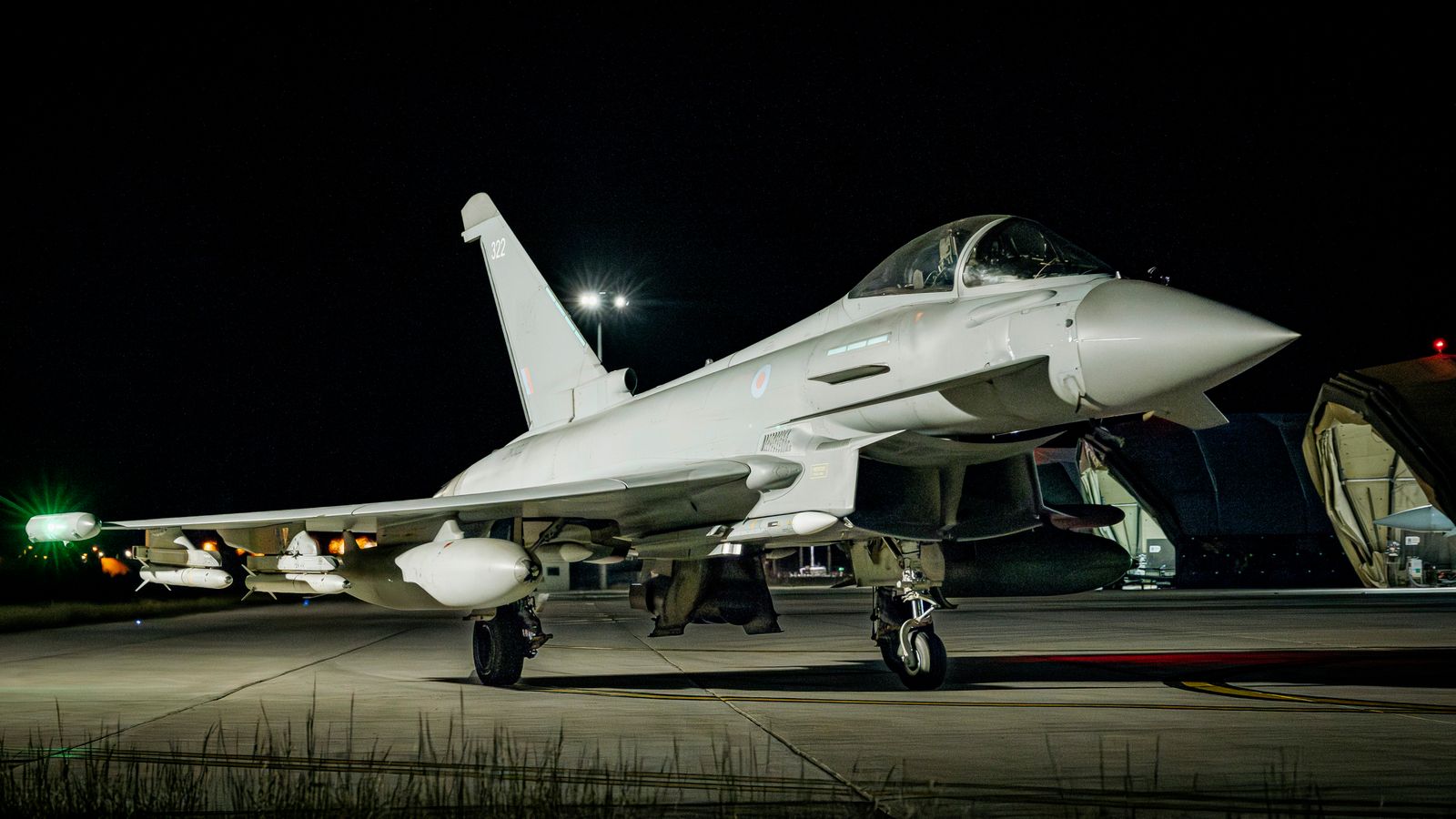
A Typhoon jet is prepared for defensive operations across the Middle East. Pic: MoD

Two drones heading towards Jordan and Bahrain have been shot down by RAF Typhoon jets during defensive air sorties in the Gulf, the defence secretary said.

John Healey has been updating MPs with new details on UK operations in the Middle East, including deployments to the region and evacuations of British nationals.

Iran war latest: Tehran mocks US over oil prices

He said on Monday: “The UK is now conducting defensive air sorties in support of the UAE. Typhoons successfully took out two drones, one over Jordan, the second heading to Bahrain.

Advertisement

“The third Wildcat [helicopter] has now arrived in Cyprus, and we’ve now deployed additional RAF operations experts in more than five countries in the region, helping coordinate regional military and civilian airspace.”

Image:
A Typhoon jet is prepared for defensive operations across the Middle East. Pic: MoD

Royal Navy Wildcat helicopter on an initial test flight at a British base in Cyprus. Pic: MoD
Image:
Royal Navy Wildcat helicopter on an initial test flight at a British base in Cyprus. Pic: MoD

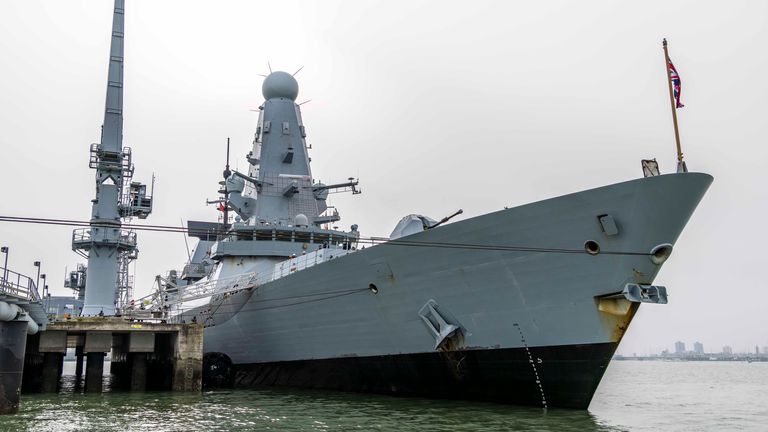
He added that the destroyer HMS Dragon would set sail for the eastern Mediterranean “in the next couple of days”, where it will join US air defence vessels.

The Ministry of Defence (MoD) has posted a short video on X showing a drone being blown up by RAF jets.

HMS Dragon, which will depart Portsmouth in the coming days. Pic: MoD
Image:
HMS Dragon, which will depart Portsmouth in the coming days. Pic: MoD

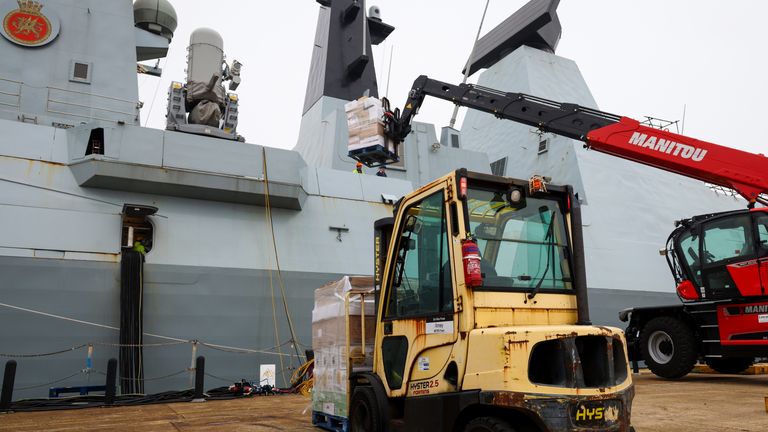
Loading stores on HMS Dragon on Monday. Pic: MoD
Image:
Loading stores on HMS Dragon on Monday. Pic: MoD

The defence secretary also confirmed that 37,000 British nationals have been evacuated since the start of the war in Iran and three chartered flights to the UK have now taken off from Oman’s capital, Muscat, “with more to come this week”.

Mr Healey said “fragments” of the Iranian drone that hit RAF Akrotiri in Cyprus last week “are being analysed for foreign military hardware by our experts at DSTL [Defence Science and Technology Laboratory]”.

The cabinet minister also said that after the UK gave the US permission to use British bases for defensive operations, the first US bomber aircraft landed at RAF Fairford, Gloucestershire, on Friday.

Advertisement

Advertisement

Day 10 Iran war: Videos from on the ground

Earlier in the Commons, the chancellor admitted the conflict in the Middle East is likely to put “upward pressure on inflation“, although the UK is ready to support the release of oil reserves as supply issues continue.

Rachel Reeves said additional funding had been approved for the MoD to deploy “additional capabilities” in the region.

Read more from Sky News:
Watch: Day 10 – Iran war briefing
Iran football players ‘seek refuge in Australia’
Who is Iran’s new leader?

Advertisement

👉 Listen to This Is Why on your podcast app 👈

Meanwhile, Downing Street has steered away from suggestions that the British aircraft carrier HMS Prince of Wales is preparing to deploy to the Mediterranean.

Advertisement

No decision about deployments had been made, and the Prince of Wales has always been at a high level of readiness, Number 10 said today.

The shadow defence secretary responded to Mr Healey’s statement in the Commons by criticising the government for the delay in sending HMS Dragon to the Mediterranean.

James Cartlidge said it had “completely undermined Britain’s international standing” while Mr Healey defended the government’s response and called Mr Cartlidge an “armchair general”.

Advertisement

Source link

Continue Reading

NewsBeat

New Child Benefit updated payment rates coming in three weeks

Published

on

New Child Benefit updated payment rates coming in three weeks

The Department for Work and Pensions and HMRC have confirmed new benefit payment rates from April 2026 including State Pension, PIP, Universal Credit, Child Benefit and Attendance Allowance

The Department for Work and Pensions (DWP) has confirmed proposed new payment rates from April for the State Pension and benefits including Personal Independence Payment (PIP), Attendance Allowance, Universal Credit, and Carer’s Allowance. HM Revenue and Customs (HMRC) has also confirmed the annual uprating for Child Benefit and Guardian’s Allowance.

Child Benefit and Guardian’s Allowance payments will rise in line with the Consumer Price Index (CPI) for the year to September 2025, which stands at 3.8 per cent. This means that, from April 2026, the Child Benefit rate for the eldest child will climb from £26.05 to £27.05 per week, while the rate for additional children will increase from £17.25 to £17.90 per week. Guardian’s Allowance will rise from £22.10 to £22.95 per week, reports the Mirror.

Advertisement

As the payments are typically paid every four weeks, this amounts to:

  • Child Benefit, eldest child – £108.20
  • Child Benefit, additional children – £71.60
  • Guardian’s Allowance – £91.80

Tax-Free Childcare

Working families are also being urged to register for Tax-Free Childcare to assist with the approaching school holidays. Paying childcare bills through a Tax-Free Childcare account can save working families up to £2,000 annually for each child up to the age of 11, or £4,000 per year up to the age of 16 if the child has a disability.

Parents can use the scheme to help cover approved childcare expenses, whether that’s nursery fees for younger children, or for older ones – wraparound or after-school care clubs during term time, or holiday clubs for the lengthy summer break ahead.

In June, the UK Government paid out a total of £57.7 million in top-ups to Tax-Free Childcare accounts, meaning each family received, on average, more than £100 to put towards their childcare bills.

Tax-Free Childcare explained

For every £8 deposited into a Tax-Free Childcare account, the UK Government contributes £2, which means parents can receive up to £500 (or £1,000 if their child has a disability) every three months to help with their childcare expenses.

Advertisement

Once families have established a Tax-Free Childcare account, they can pay in money and use it straight away or keep it in the account to access whenever needed. Any unused money in the account can be taken out at any time.

HMRC stated it takes just 20 minutes to apply online for a Tax-Free Childcare account. After an account is set up, parents can pay in money and use it straight away or keep it in the account to access whenever needed. Any unused money in the account can be taken out at any time.

Eligibility for Tax-Free Childcare Families could qualify for Tax-Free Childcare if they:

  • Have a child or children aged 11 or under. They stop being eligible on September 1 after their 11th birthday. If their child has a disability, they may get up to £4,000 a year until September 1 after their 16th birthday
  • Earn, or expect to earn, at least the National Minimum Wage or Living Wage for 16 hours a week, on average
  • Each earn no more than £100,000 per annum
  • Do not receive Universal Credit or childcare vouchers

A full list of the eligibility criteria is available on GOV.UK.

Source link

Advertisement
Continue Reading

NewsBeat

The 14 best coffee machines tried and tested, from bean-to-cup machines to pod coffee makers

Published

on

The 14 best coffee machines tried and tested, from bean-to-cup machines to pod coffee makers

Reviewed by Silvana Franco

This is the easiest way to make traditional cold brew coffee. Admittedly, it’s slow going, taking somewhere between eight and 24 hours to fully extract, but the result is a smooth brew with lower acidity that’s easy on your digestion and a great base for cocktails and mocktails.

While it’s a long process, it isn’t labour-intensive. All you need to do is fill the bottle with cold water and spoon some coffee grounds into a stainless steel filter basket, which lowers into the water and begins to infuse. It only took me a few minutes each morning and it became part of my summer routine.

Advertisement

Grind says you only need 50g of coffee grounds per litre of water, which could easily make you three or four cups of nice strong coffee. Between uses, you can throw the bottle in the dishwasher, but wash the integrated filter and silicone stopper by hand.

Key specifications

  • Dimensions: H 34cm, W 19cm, D 25cm
  • Weight: 1.7kg
  • Capacity: 1,000ml
  • Range of programmes: N/A
  • Special features: Dishwasher-safe, silicone stopper, integrated filter
  • Warranty: None

If you don’t want another appliance in your kitchen, you need one of the following coffee makers:

Cafetieres

If you’re keen to explore different ways of making coffee, and you don’t mind putting the work in, you could try a cafetiere, also known as a French press. You scoop ground coffee into a pod, add hot water and stir with a spoon. A few minutes later, you push the plunger down to the bottom of the pot to filter out the grounds and pour. You should be left with a cup of smooth, intense coffee, though it might take a few goes to work out the right ratio of coffee and water.

AeroPress

Or you might like the AeroPress coffee maker. Also incorporating a pot and a plunger, it’s a similar concept to a cafetiere, but it’s far lighter and more portable. Most suitable for single servings, it’s small enough to fit in a handbag or a suitcase so you could bring it to the office or on holiday. Our expert Sarah Finley can make a great espresso in her AeroPress, though her Americanos are still a little weak compared to a cafetiere version.

Advertisement

V60

Another alternative is the V60 coffee maker, which is a variant on filter coffee making. According to Hario, the makers of the V60, you wet the inside of a filter paper with hot water and place it inside the V60 dripper. Then you pour your ground coffee onto the filter and gradually add boiling water. Try to pour in the middle and draw an outward spiral onto the paper to extract all the coffee. We haven’t tested this yet, but they are popular among coffee fanatics.

Moka pot

You might also like a moka pot. Traditionally, they sit on the stovetop, but these days you can get electric versions, which heat water to produce steam and brew coffee. The Bialetti Moka Express is the most iconic, made from aluminium, but you also see stainless steel ones.


Source link

Advertisement
Continue Reading

NewsBeat

Climate change may not end skiing. But it will make it more exclusive

Published

on

Climate change may not end skiing. But it will make it more exclusive

The Winter Olympics just showcased alpine sport at its most spectacular and universal. But in the mountains themselves, access to winter sports is becoming increasingly unequal.

The cost of keeping slopes open in a warming climate is climbing – and so are prices for visitors. Investment will be concentrated in higher altitude resorts that are able to adapt, while smaller and lower areas fall behind. The key question for the future of skiing may not be whether it survives at all, but who it survives for.

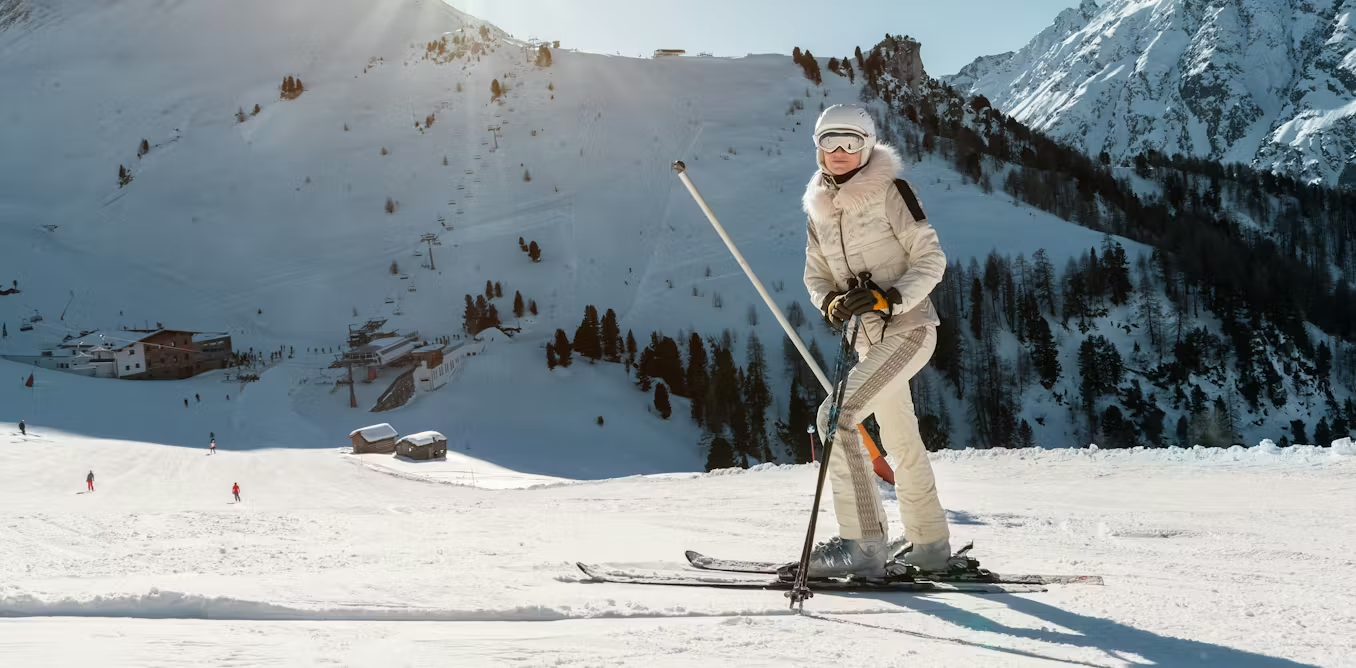
Unlike the UK, where skiing is associated with expensive foreign holidays, in Alpine regions it has become a mainstream hobby without the same class connotations. Born as a means of transport, more affordable equipment made it increasingly accessible to people beyond the mountains. In Italy, for instance, it is not unusual for state schools to take their pupils into the mountains for a traditional “settimana bianca” – white week – skiing holiday.

Each winter, locals and tourists together support a sector that accounts for roughly €12 billion (about £10 billion) – that’s 0.5% of Italy’s national GDP, and a far higher percentage of the economy in mountain regions. Winter sports have become a major employer, as communities that once depended on seasonal farming and agriculture have progressively shifted to tourism.

Advertisement

Yet the climate conditions that made this possible are changing.

Peak prices

With snow falling less and melting faster, resorts invest heavily in artificial snowmaking to maintain reliable winter seasons. These investments have worked – most ski runs in the Alps are now lined by modern snowmaking machines – but they also reshape the economics of skiing.

That’s because the cost is being passed on to skiers themselves.

Advertisement

A ‘snow cannon’ pumps out tiny droplets of water which turn to snow before they land. It uses lots of water and energy – but is very effective.
krovsmolokom13 / shutterstock

For instance in the Dolomiti Superski network, Italy’s largest, a high-season daily pass has surged from €67 (£59) in 2021 to around €86 (£75) this year, a rise of 28% in three years. The cost of skiing in Europe has risen by 34.8% above inflation since 2015, with Swiss, Austrian, and Italian resorts mostly responsible for the price increase.

In the US, prices are increasing even faster and American skiers are increasingly heading to relatively cheaper resorts in the Alps. Together with skiers from Russia and Eastern Europe who are wealthy enough to ignore the prices, they’ve helped keep Alpine tourism fully booked.

But skiing is less and less accessible for many less-affluent families, including many locals. Former Italian World Cup skier and TV commentator Paolo De Chiesa recently warned that skiing in Italy is becoming a sport for the elite.

As climate adaptation demands more and more investment, skiing will be increasingly concentrated in fewer higher altitude resorts. These resorts tend to be further into the mountains and already attract most of the wealthy tourists, which means they can also afford more snow-making.

Advertisement
small private jet on runway in snowy mountains

A small airport in the ski resort of Courchevel, France, caters to the jet set.
Maria Studio / shutterstock

Smaller and lower-altitude resorts with mostly local visitors are far more likely to struggle – many are already seeing their winter seasons shorten, and some have already closed entirely.

When adaptation reshapes communities

These changes are felt most strongly in mountain communities themselves. One of us (Paolo) grew up a short drive from where the recent Winter Olympics were held. During his childhood most of his friends knew how to ski, but today only a handful of them can afford to take their children.

This is one side of a growing divide within ski tourism between places that can afford to adapt and those that cannot. Artificial snowmaking increases dependence on capital investment, energy and water. This favours large resorts which, over time, pass costs on to deep-pocketed visitors and local communities.

Meanwhile, seasonal workers now often struggle to find accommodation as housing is prioritised for visitors. Narrow mountain roads are congested, parking is difficult, and public services are under pressure.

Advertisement

Beyond winter-only tourism

If climate change is concentrating skiing in fewer, higher-altitude resorts, the change needs to be gradual and managed rather than sudden and brutal. Much of the industry still profits from the status quo and won’t be keen to transition to other arrangements. That’s why policymakers have a responsibility to guide the transition, starting with lower-altitude resorts.

There, diversification into year-round tourism, gastronomy, wellness, or other nature experiences is one way to build a more resilient future. Protecting the local community and more fairly distributing the revenues of the tourism is becoming as important as maintaining visitor numbers.

Investment and opportunity – and even snow itself – is being further concentrated in fewer spots. Technology may save skiing, but the question is for whom. A global affluent elite may be able to handle the price rises, while local people are increasingly excluded from the system they helped to build.

Advertisement

Source link

Continue Reading

NewsBeat

The Iran war’s big questions, from military assets to oil prices

Published

on

The Iran war's big questions, from military assets to oil prices

TEL AVIV, Israel (AP) — How long will the Iran war last? What do all sides want to achieve? And how high will oil prices go? Big questions remain as fighting enters week two.

Israel and the United States keep pounding Iran. And Iran keeps carrying out retaliatory attacks against Israel, U.S. military assets in the Middle East and its Arab neighbors.

Here’s what we know about the war, and don’t.

How long will the war last?

The U.S. and Israel attacked Iran on Feb. 28, and there is no sign of the fighting ending soon. Iran’s president has said mediation was underway, although he didn’t give details.

Advertisement

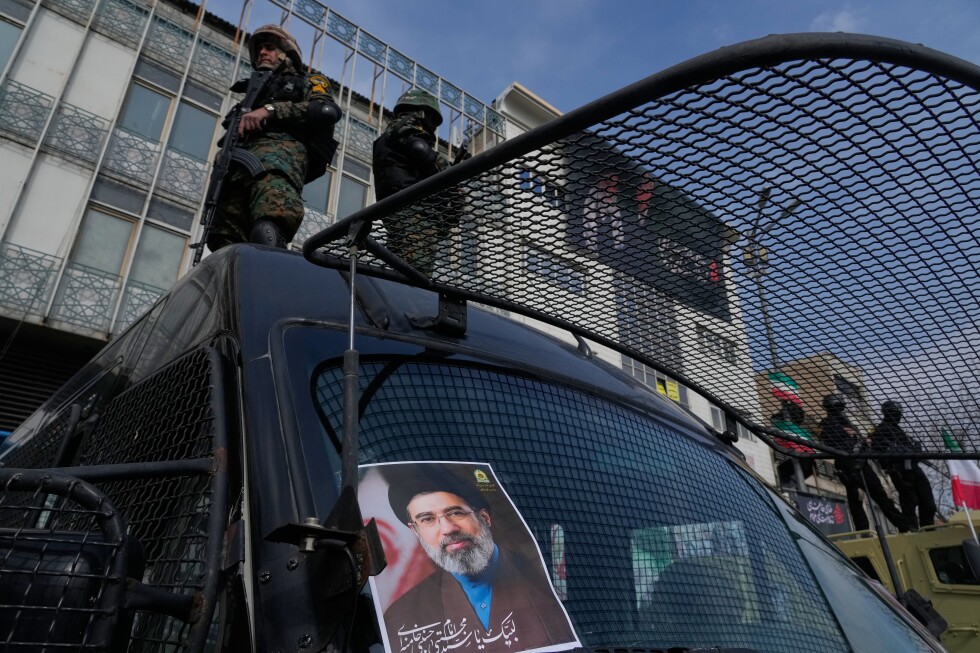
Iran’s new supreme leader is the son of the previous one and seen as more hard-line, with close ties to the Revolutionary Guard, the nation’s most powerful armed force. Mojtaba Khamenei worked closely with his father, who was killed in the war’s opening strikes along with the younger Khamenei’s wife. He has not been seen or heard publicly in his new role, making it difficult to know whether he has interest in talks or in defiance.

Iran’s war strategy of causing regional chaos shows no change. Persian Gulf countries still report areas being attacked, including oil facilities and airports, that are well away from U.S. military assets.

The war’s length depends in part on Iran’s stockpile of missiles and drones and countries’ capability to deflect them. Israel’s military on Monday said Iran was firing barrages with dozens of missiles in the early days, but now there are less than 10 or 20 at a time.

Israeli army spokesperson Lt. Col. Nadav Shoshani said Iran still has “a significant amount” of missiles. Experts say Iran could be holding missiles in reserve, perhaps hoping that interceptors run low.

Advertisement

Iran has not provided information about military losses. Israel says it is focused on destroying long-range missiles while the U.S. focuses on short-range ones threatening the Gulf. Israel estimates that 60% of both types of launchers have been destroyed.

Israel’s military is bulking up. It said about 50 cargo aircraft carrying over 1,000 tons of weaponry, military equipment and munitions have landed in the past 10 days, and cited the U.S. and Germany as partners in an effort that is “expected to scale up.”

Ahead of the attacks, the U.S. military built up its largest force of warships and aircraft in the Middle East in decades. The Central Command on Monday said “there is no shortage of American military will.”

The Trump administration and Israel have said the war will go as long as needed, but public frustration over oil prices and other economic pain could intensify pressure to wind down the conflict.

Advertisement

What do all sides want from the war?

Iran has said it wants an end to the war, not a ceasefire.

An official with knowledge of the war’s operations said Israel is not in charge of the postwar plan, but the goal is to remove the regime and let Iranians “grasp their fate.” The official spoke on condition of anonymity because they were not authorized to speak to the media. Israel is also attacking Iranian-backed proxies like Hezbollah.

U.S. President Donald Trump has made conflicting statements. The war has been about Iran’s nuclear program and concerns that it could take a short technical step to enrich uranium to weapons grade. But it also has been about eradicating the threat from the country’s ballistic missiles, which Secretary of State Marco Rubio says the U.S. is “well on our way” to achieving.

Trump has also said he doesn’t seek regime change, but prioritized taking out several layers of Iran’s top leadership and has encouraged Iranians to “take over” their government.

Advertisement

There is no sign of that happening in Iran, with no strong organized opposition, evidence of high-level defections or street protests. Internet restrictions are complicating views of what’s happening.

Will other countries join the fight?

Saudi Arabia has issued a sharp statement saying Tehran would be the “biggest loser” if it continues to attack Arab states. Azerbaijan threatened “retaliatory measures” after it said Iranian drones hit its territory.

There is big risk in joining the U.S. and Israel’s attacks, and no country has announced taking that step. Already, they have been targeted by hundreds of Iranian missiles and drones.

Iran has exposed the fragility of the global economy by targeting key energy and other infrastructure. A drone strike on a desalination plant in Bahrain underscored the vulnerability of Gulf nations, which rely heavily on such facilities for drinking water.

Advertisement

Meanwhile, France is sending military vessels to the Middle East to help deter Iran’s attacks. Britain and Germany also have said they would help reduce Iran’s ability to launch them. And Ukraine is sending experts to help in countering drones.

How will it end?

This is especially complicated, as both Israel and the United States have threatened whoever Iran puts in charge. Trump called the younger Khamenei “unacceptable” even before his elevation to supreme leader.

It is not clear who would be acceptable, and negotiating the war’s end seems out of reach for now.

Trust will be difficult, since this war and last year’s were launched during indirect talks between Iran and the United States.

Advertisement

How high will oil prices go?

As Iran announced its new supreme leader, crude oil prices were soaring above $100 a barrel. They spiked near $120 before falling Monday.

The Strait of Hormuz off Iran is a choke point, with about 20% of the world’s oil supply normally transiting daily. Cargo ships are now backed up there.

Saudi Arabia has intercepted attacks aimed at its vast Shaybah oil field. Bahrain’s national oil company has declared force majeure for shipments, unable to meet obligations because of extraordinary circumstances after an attack on its refinery complex. Iraq, Kuwait and the United Arab Emirates have cut oil production as storage tanks fill.

Iran’s oil facilities are also targets. Israel struck depots over the weekend.

Advertisement

Countries are scrambling. France, currently leading the Group of Seven nations, says they could dip into emergency stockpiles. South Korea says it will cap oil prices. China says everyone has a responsibility “to ensure stable and smooth energy supplies.”

Alex Kuptsikevich, chief market analyst at FxPro, said it “would not be surprising” if oil prices briefly push above $150 as early as next week.

___

Anna reported from Lowville, New York. Wyatte Grantham-Philips in New York and Melanie Lidman in Jerusalem contributed.

Advertisement

Source link

Advertisement
Continue Reading

NewsBeat

Manchester United: Paul Scholes did not intend to offend Michael Carrick

Published

on

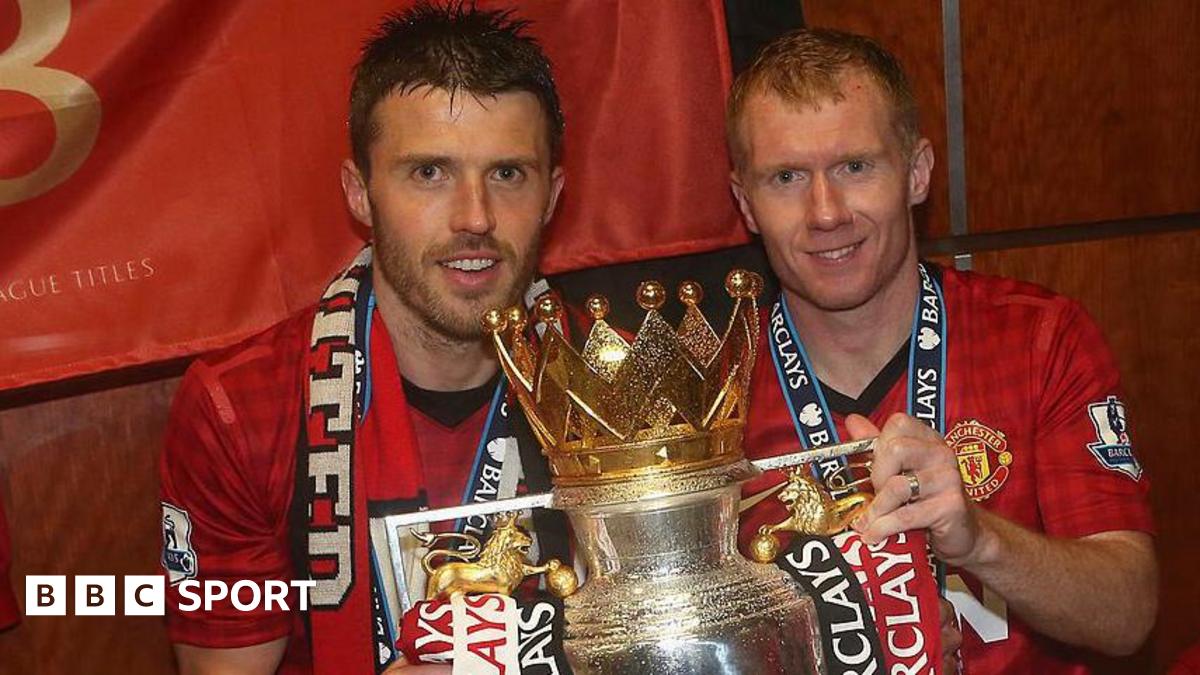
Former Manchester United midfielders Michael Carrick and Paul Scholes

Paul Scholes says an Instagram story post about Manchester United interim head coach Michael Carrick was “in no way intended to be offensive” towards his former team-mate.

Following United’s 2-1 Premier League defeat by Newcastle United last Wednesday – their first loss under Carrick – Scholes wrote: “Michael has definitely got something special about him…cos Utd have been [expletive] last four games.”

Scholes, who played alongside Carrick in United’s midfield for seven years, was criticised for his comments, with former team-mate Patrice Evra saying “I hope he was hacked”.

The 51-year-old explained his post on the The Good, The Bad & The Football podcast on Monday alongside former Reds players Wes Brown and Nicky Butt, saying he has spoken to Carrick about the issue.

Advertisement

“It was in no way intended to be offensive towards Michael,” the former England international said.

“Michael is one of the nicest people you will ever meet in football, he’d be the last person that I would want to offend.

“I messaged Michael anyway. I went straight to Michael and said, ‘Look, I was never intending to upset you’. And I don’t think I needed to say that anyway and he told me himself he wasn’t upset by it.”

Carrick took over after the sacking of Ruben Amorim and was unbeaten in his first seven games, but United’s most recent performances have not matched those that beat Manchester City, Arsenal and Fulham at the start of his time at the helm.

Advertisement

They are currently third in the league and in a good position to qualify for the Champions League.

“I think people have just taken it differently from what was meant,” Scholes added.

“The only thing I was saying was that I don’t think they played that well the last four games and he’s still managing to get results.

“We had the greatest manager in the world and he always said sometimes you need a bit of luck. So with sending-offs and different things that happen through games, sometimes you do need a bit of luck, that’s all I was saying.”

Advertisement

Brown added: “I can see it both ways. When Scholesy explained it to me, it completely made sense. But how I read it was as if he’s having a go at him.”

Scholes replied: “What Wes said, and I hadn’t heard that before, was that I was saying he’s just a lucky manager. I wasn’t saying that, I was saying he’s a very talented manager because he’s getting results with a team that, for the last four games since the West Ham game, I didn’t think were playing very well, that’s all.”

Earlier this year, United defender Lisandro Martinez hit back at comments from Butt and Scholes.

Source link

Advertisement
Continue Reading

Trending

Copyright © 2025