Connect with us
DAPA Banner
DAPA Coin
DAPA
COIN PAYMENT ASSET
PRIVACY · BLOCKDAG · HOMOMORPHIC ENCRYPTION · RUST
ElGamal Encrypted MINE DAPA
🚫 GENESIS SOLD OUT
DAPAPAY COMING

NewsBeat

Largest study yet reveals which cancers have their own microbiomes

Published

on

Largest study yet reveals which cancers have their own microbiomes

For decades, cancer has been thought of as a purely human disease – rogue cells multiplying out of control, with no room for anything else in the picture. But a growing body of research suggests that isn’t quite right. Some tumours, it turns out, come with company: communities of bacteria, viruses and fungi living on, between and even inside the cancer cells themselves.

The trouble is that nobody has been entirely sure which cancers actually have this so-called microbiome, and which don’t. The field has been dogged by contradictory claims, competing methods and – in one particularly damaging case – a retraction, after results from a high-profile study could not be replicated.

Since then, the field has been left without a clear way forward. Every research group has used its own methods and level of rigour, and there has been no agreed-upon benchmark to check new findings against. That matters because the stakes are high.

If microbes really are helping some cancers grow, resist treatment or spread, they could become new targets for screening and drug development. But chasing signals that turn out to be false wastes time, money and precious patient samples.

Advertisement

Our team set out to settle the question properly, using the largest collection of cancer genetic data in the world – Genomics England’s 100,000 Genomes Project, which includes DNA from more than 16,000 tumours. We built what we believe is the most rigorous analysis pipeline yet developed for this kind of work, designed to strip out every source of error we could identify, then applied it to the entire dataset.

Our latest research found that most cancers – including those of the brain, breast and kidneys – lack a microbiome that is distinguishable from background. This suggests that earlier studies that had picked up microbial signals in these tumours may have been affected by contamination: stray DNA from laboratory equipment or even the scientists handling the samples.

But some cancers were different. Tumours of the mouth, oesophagus, stomach and bowel showed clear, consistent evidence of microbial life. And it wasn’t just bacteria. We found viruses, fungi and archaea (organisms similar to bacteria but genetically distinct) living within these tumours.

In some cases, we detected trichomonas, a single-celled protozoan parasite. The particular mix of species varied depending on where in the digestive tract the cancer was and was linked to features such as the cancer’s subtype and how many genetic mutations it carried.

Advertisement

Telling real microbes from contamination

Working out which of these microbial signals were genuine and which were laboratory contamination was the hardest part of the project. Sequencing a tumour means reading every strand of DNA in the sample, human and non-human alike.

Most cancer researchers simply ignore the non-human portion. We did the opposite. We discarded the human DNA and matched everything left over against known microbial genomes to see what was hiding there.

However, this approach can run into problems fast. There’s no single, definitive human genome to measure against – everyone’s DNA differs slightly, and even the best reference genomes have gaps. Any leftover human sequence that happens to resemble microbial DNA can be wrongly flagged as a hit.

Then there are errors in the microbial reference libraries themselves – occasionally the wrong species ends up catalogued, or DNA from a lab technician’s skin ends up mixed in with a sample. And however carefully a lab operates, some contamination during tumour preparation is almost unavoidable.

Advertisement

We tackled each of these problems in turn. We filtered aggressively against multiple versions of the human genome, stripping out anything ambiguous or repetitive. We used the most up-to-date DNA-matching software against carefully curated microbial databases.

Sample contamination happens easily in a lab.
Komsan Loonprom/Shutterstock.com

To catch contamination, we compared which microbes turned up across different cancer types: species that appeared everywhere were almost certainly picked up in the lab, while species confined to just one or two cancer types were more likely to be real.

Sure enough, several of the culprits we filtered out were common skin bacteria found in every cancer type – probably from the researchers who had handled the samples.

This kind of large-scale, painstaking filtering was only possible because of the sheer size and quality of the Genomics England dataset. Smaller studies simply don’t have enough samples or resolution to distinguish a genuine biological pattern from a one-off contamination event.

Advertisement

We’ve now made our data freely available as downloadable software, along with a list of the microbial species we’re confident are genuinely present in these tumours, so other researchers can apply the same rigorous approach to their own data.

The hope is that this draws a line under years of conflicting claims. Scientists can then focus their efforts where the evidence is strongest. That means tracking how these microbial communities in mouth, throat, stomach and bowel cancers might influence how tumours develop and how well they respond to treatment. Ultimately, it could help these cancers be diagnosed and treated earlier.

Source link

Advertisement
Continue Reading
Click to comment

You must be logged in to post a comment Login

Leave a Reply

NewsBeat

I’ve been to 9 Italian cities, but there’s only one I keep going back to

Published

on

I've been to 9 Italian cities, but there's only one I keep going back to
It’s only 40 minutes by train from Florence (Picture: Getty Images)

In a Metro Travel Hot Take, Adam Miller pays tribute to his favourite lesser-visited Italian city that was revealed as one of TikTok’s hottest destinations for 2026.

My great Italian love affair started at a wedding. Or, to be more accurate, because of a wedding.

I’d just watched my friends get married in a fairytale ceremony in Tuscany, and I wanted to round the trip of dreams off with a city break.

Everyone else in our party had the same idea: recover from four days of Prosecco drinking with downtime, dolce vita style. But while they were heading for Florence, two of us broke away to go to Bologna.

Advertisement

As we said our goodbyes after some of the best days we’d had in years, I started to regret our decision — perhaps we should have followed the gang and gone to Florence, widely hailed as one of the most beautiful cities in Europe, to soak up culture, history, and the best prosciutto in the country.

Ask Metro


Use AI to go deeper into the stories you care about – powered by Metro and trusted publications.

Advertisement

I’d been dead set on Bologna, though. My well-travelled sister always said it was her favourite city in the world before she died suddenly in 2002, but I never got the chance to ask her why. A quick Google of ‘things to do’ didn’t make it much clearer, either.

I will always choose a city break over a beach holiday or sitting by the pool in a fancy villa.

I need to be constantly stimulated — I love the bustle, the smells, the knowledge that you could stumble across a meal, an exhibition, or a show that changes something fundamental about who you are.

In life, I have very little structure — my day-to-day schedule would strike horror into the hearts of many. But if I’m going to a city, I want a firm plan.

Advertisement

I want a list of galleries, museums, churches, dinners booked well in advance, and barely a minute unaccounted for. Depending on whether you’re type A or B, I might very well be your nightmare travel companion.

What can you do in Bologna?

A weekend break with me, and you’ll need to book another holiday just to recover. So, what would I do in Bologna?

Google told me that ‘must-see attractions’ are the Piazza Maggiore, the Basilica di San Petronio, the Two Towers, and the Basilica di Santo Stefano (Seven Churches).

Advertisement

I’d never heard of anything listed, and at a glance, I wasn’t particularly excited about them.

Bologna looked beautiful in pictures, its signature red buildings against the backdrop of rolling hills and the Apennine Mountains, but still, I wasn’t necessarily counting down the days.

I’ve been to Italy more times than I can remember, and love Florence, Rome, Venice, Milan, Verona, Siena, Lucca, Pisa, and Bergamo.

Claiming Bologna as your favourite city in Italy seems like a bold statement — let alone your favourite in the world — but after one night there, I had to agree with my sister.

Advertisement

I can’t name many cities I want to come back to again and again, but this is at the very top of the list. I already have a flight booked for another trip, later this month.

Florence, Rome, Venice — they all live up to their reputations. The Vatican City is so impressive, it reduced me to tears; there are few joys in life more magical than walking along the canals of Venice. And Florence is, of course, replete with magnificent buildings and extraordinary art and history.

But aside from their creative wonders, they all have one thing in common: they’re tourist traps.

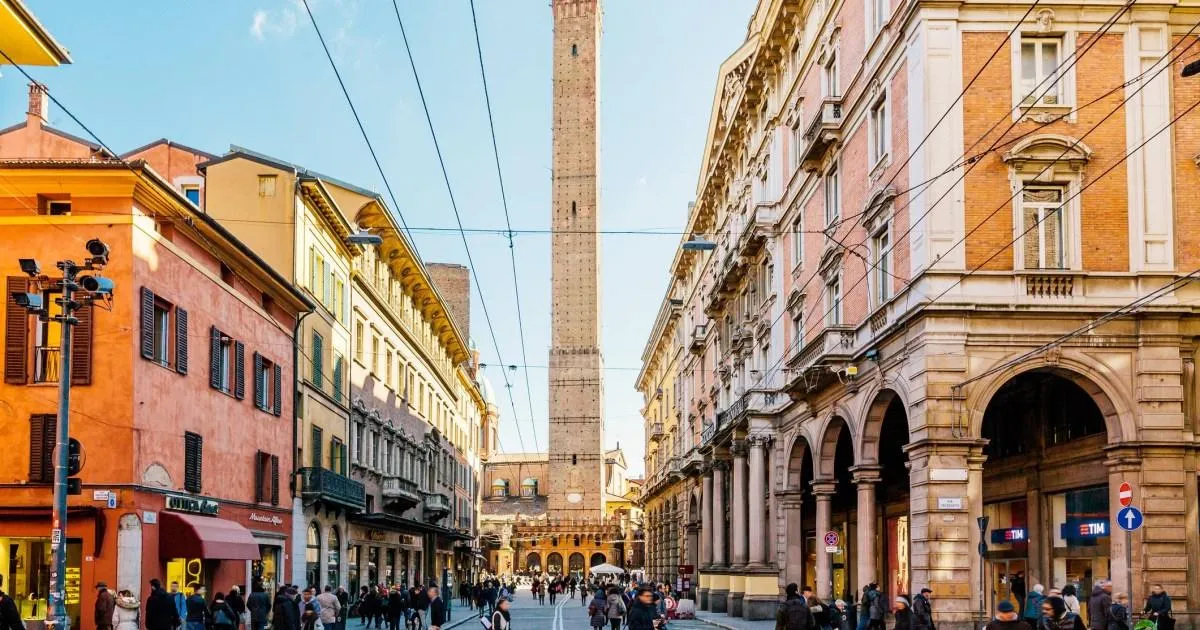
A view of the rooftops and buildings in Bologna, Italy, on a sunny day
Bologna was a bold choice, and I worried I’d be bored (Picture: Adam Miller)

Getting into anything worth seeing can be claustrophobic, with huge crowds and long queues. They’re also eye-wateringly expensive to eat, drink, and exist in.

I’d never stay in Florence again, knowing Bologna is just a 40-minute train ride away.

Advertisement

Bologna taught me a valuable lesson about city breaks and what makes a city truly special.

Yes, there are beautiful tourist attractions, absolutely worth seeing, but more than anywhere else I’ve been, Bologna has a unique spirit.

It’s both historic and cosmopolitan. Among its many nicknames, Bologna is often referred to as La Rossa — ‘The Red’ — for the terracotta buildings that have been its quintessential design for centuries.

The streets are alive all day and night, with locals chattering at bars and cafes. We were there for two nights — from Monday to Wednesday, outside of school holidays — and it felt like a weekend in any other city.

Advertisement

That might sound off-putting, like the rowdy streets of the UK after an England men’s football match, but it’s nothing like that.

A city with €5 is the city for me (Picture: Adam Miller)

Bologna is bustling, yes, but it never loses its class — no matter what street you go down or how many Aperols (which are around €5 each, wherever you go) you see being poured along the way.

Another of Bologna’s other nicknames is La Grassa: ‘The Fat.

I’ve been to many food capitals—New York, Tokyo, Paris, Singapore—and I live in London which, it must be said, has some of the best grub on the planet.

But Bologna? It’s wall-to-wall with the best food I’ve ever eaten, the kind of meals you’d have to book weeks in advance for in London, at half the price.

Advertisement

The city’s signature dish is Tortellini in Brodo — meat-filled pasta served in broth. I’d love to tell you all about it, but I suffer from turophobia: a phobia of cheese.

My travel buddy had plenty, though. While all I can report is that it looked incredibly chic (and I wish I could have eaten at least 10 servings based on its appearance alone), he ate enough for both of us.

Every street is lined with incredible cuisine. We were lucky enough to get recommendations from a friend-of-a-friend who lives in Bologna. She pointed us toward various cheap eats, like Mercato delle Erbe, where we ate a grilled alla Norma toastie I still think about daily.

She promised we’d find the ‘best gelato in the world’ at Cremeria Cavour, and she was right.

Advertisement
Can confirm the gelato from Cremeria Cavour is the best in the world (Picture: Adam Miller)

But the real magic of Bologna is in its simplicity. Everything feels so calm and easy. Eating, drinking, exploring—it all feels effortless compared to Florence, Venice, or Rome.

It’s one of the only city breaks I’ve been on where I felt genuinely rejuvenated afterwards.

I can’t imagine staying anywhere else in Italy for a city break now, especially when the Italian train service is so cheap and efficient. Florence is close, Venice is only 70 minutes away, and tickets can be as cheap as £13, so it also makes a great detour destination.

I’ve already told you I’m going back, so what are you waiting for?

A version of this article was originally published in March 2026.

Advertisement

Source link

Advertisement
Continue Reading

NewsBeat

28 killed in a shoe factory fire in southern China

Published

on

28 killed in a shoe factory fire in southern China

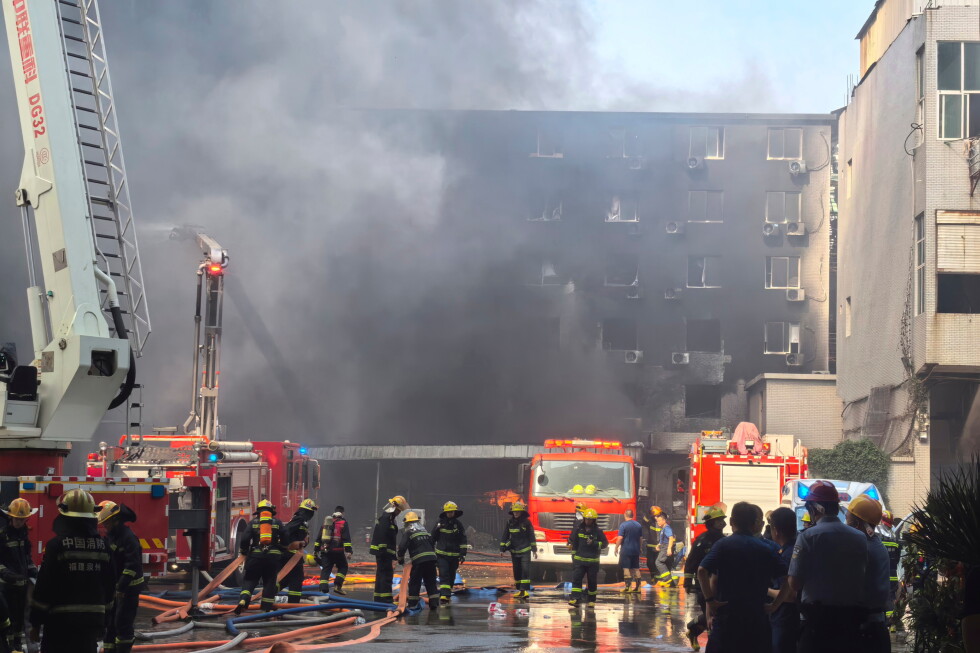
BEIJING (AP) — A fire broke out at a shoe factory in the eastern Chinese province of Fujian on Thursday, killing 28 people, the official Xinhua News Agency said.

Chinese President Xi Jinping demanded “an all-out search and rescue effort,” urging a swift investigation of the incident and “strictly hold those responsible accountable.”

The blaze started at a factory in Huiteng shoe company in the city of Jinjiang, the city’s fire department said in a statement. The cause of the fire was not immediately known.

There were 237 factory workers and two visitors in the building when the fire broke out. Authorities evacuated or rescued 213 people. Of the 28 people who died, two were pronounced dead after being taken to a hospital, according to state broadcaster CCTV.

Advertisement

Xinhua said the factory’s owner and others in charge have been arrested and the company’s accounts have been frozen.

Video by CCTV shows the facade of a building of several floors charred black and covered in white smoke. Earlier footage shows fires were burning on multiple floors and the building shrouded in thick, black smoke.

Jinjiang, the city where the fire happened is known as China’s shoe capital.

Advertisement

Source link

Continue Reading

NewsBeat

Life imitating art: How Arthur Fery’s Wimbledon glory mirrors the plot of the 2004 Paul Bettany movie where a British wildcard entry goes on to WIN

Published

on

It seems that the extraordinary rise of Wimbledon wildcard Arthur Fery is a case of life imitating art, after he stunned SW19 by landing a spot in the semi-finals

This week has seen the nation hit by a case of Wimbledon fever, as wildcard Arthur Fery has made an astonishing run all the way to the semi-finals.

And it now seems his rise to success could be a case of life imitating art, with his journey resembling that of the 2004 hit film, where a wildcard entry goes on to scoop the Wimbledon trophy. 

Having arrived at the tournament outside of the top 100 rankings, Arthur has stunned SW19 by becoming the sole British player to reach the second week, and on Wednesday he booked himself a spot in the semi-finals.

Arthur beat ninth seed Flavio Cobolli in straight sets, despite only gaining entry to the championships as a wildcard, and will now play second seed and recent French Open champion Alexander Zverev on Friday for a place in the final.

Advertisement

Wimbledon starred Paul Bettany as a once-renowned tennis star who has seen his position slip to 119th in the world.

In the film, Paul’s character Peter Colt lands himself a wildcard entry for the Wimbledon Championships, and despite feeling he’s past his prime, he fights his way to the title, and finds love along the way.

It seems that the extraordinary rise of Wimbledon wildcard Arthur Fery is a case of life imitating art, after he stunned SW19 by landing a spot in the semi-finals

Advertisement
His journey is eerily similar to the 2004 film Wimbledon, where Paul Bettany plays a once-great star who qualifies as a wildcard, before winning the title

His journey is eerily similar to the 2004 film Wimbledon, where Paul Bettany plays a once-great star who qualifies as a wildcard, before winning the title

The film, which also starred Kirsten Dunst as an American tennis star who steals Peter’s heart, was partially filmed during the 2003 tennis championships, the only time it has ever been allowed in the tournament’s history.

Fery’s Centre Court triumph was watched by his parents, who are divorced, and his shock run to the last four has guaranteed him at least £900,000 in prize money.

He has also reached the semi-finals despite a series of on-court nosebleeds. ‘It is a problem I am going to address. It has happened before but it’s not that common,’ he said.

Advertisement

Fery reached the semi-finals of the boys’ doubles at Wimbledon in 2019 – before making the third round of the main competition’s mixed doubles, alongside Tara Moore, two years later.

He then went on to win a tennis scholarship for a science, technology and society degree at the prestigious Stanford University in California.

This year has taken him to new levels, however, initially with getting through to the second round of the Australian Open in January.

And he was granted a wildcard entry to this summer’s Wimbledon, despite not qualifying through the official routes.

Advertisement

His performances since have made him only the fifth wildcard entry to reach as far as the quarter-finals.

The only wildcard entry to actually go on to win a Wimbledon title is Goran Ivanisevic, in 2001… for now.

Wimbledon starred Paul Bettany as a once-renowned tennis star who has seen his position slip to 119th in the world, but along with winning the title, he finds love along the way

Wimbledon starred Paul Bettany as a once-renowned tennis star who has seen his position slip to 119th in the world, but along with winning the title, he finds love along the way

The film, which also starred Kirsten Dunst as an American tennis star who steals Peter's heart, was partially filmed during the 2003 tennis championships

The film, which also starred Kirsten Dunst as an American tennis star who steals Peter’s heart, was partially filmed during the 2003 tennis championships

Advertisement

Fery moved to Wimbledon at a young age and although he went to university in the USA, he was educated nearby and trains in London.

His subsequent run at the All England Club has led to some in the French media claiming the 23-year-old as their ‘last remaining hope’ given his dual nationality and family ties to France.

However, when pressed on which country he feels closer to after his quarter-final victory over Flavio Cobolli, Fery was clear in his response.

‘In regards to the French, I mean honestly less and less these days,’ he told reporters.

Advertisement

‘I’ve now lived here a long time, 10 years ago I may have said I felt more French than English but now it’s not the case at all.

‘I feel very British, I live here, all my best friends live here, I went to school here, I train here.

‘My parents are still French so we speak French with my family and cousins who still live in France. But no, my roots are very much tied to London now.’

Fery’s fourth round victory came in five sets against former world No 3 Grigor Dimitrov, amid baking heat, on Centre Court on Monday.

Advertisement

His second consecutive fightback makes him the first British wild card to reach the quarter-finals at a grand slam in the open era.

The Wimbledon local was twice a break down in the fourth but roused himself with the unrelenting support of the Centre Court crowd with chants of ‘Let’s go, Arthur’ echoing across the packed stands.

Arthur will now play second seed and recent French Open champion Alexander Zverev on Friday for a place in the final

Arthur will now play second seed and recent French Open champion Alexander Zverev on Friday for a place in the final

Speaking of his comeback afterwards, he said: ‘I was really close to losing my last round as well, again today a break down in the fourth.

Advertisement

‘I was just trying to keep fighting, having a good attitude, committing to what I’m trying to do – playing really well with my back against the wall, paid off.’

Another interested spectator sat in the front row of the Royal Box, with Fery aware of the gaze of eight-time champion Roger Federer.

The British player said: ‘When I switched the TV on in the changing rooms for the first match, I saw Roger was in the Royal Box.

‘I didn’t know he was coming. I sent a message to my team saying, “Yeah, look, Roger’s in the box, I’m pretty tight”.

Advertisement

‘It’s incredible to be in that position where one of the greatest of all time is watching you, let alone watching me play a five-set match against Dimitrov on Centre Court at Wimbledon.’

Source link

Continue Reading

NewsBeat

Man shot dead by ICE ‘dedicated his life to the American Dream’ | News US

Published

on

Man shot dead by ICE ‘dedicated his life to the American Dream’ | News US
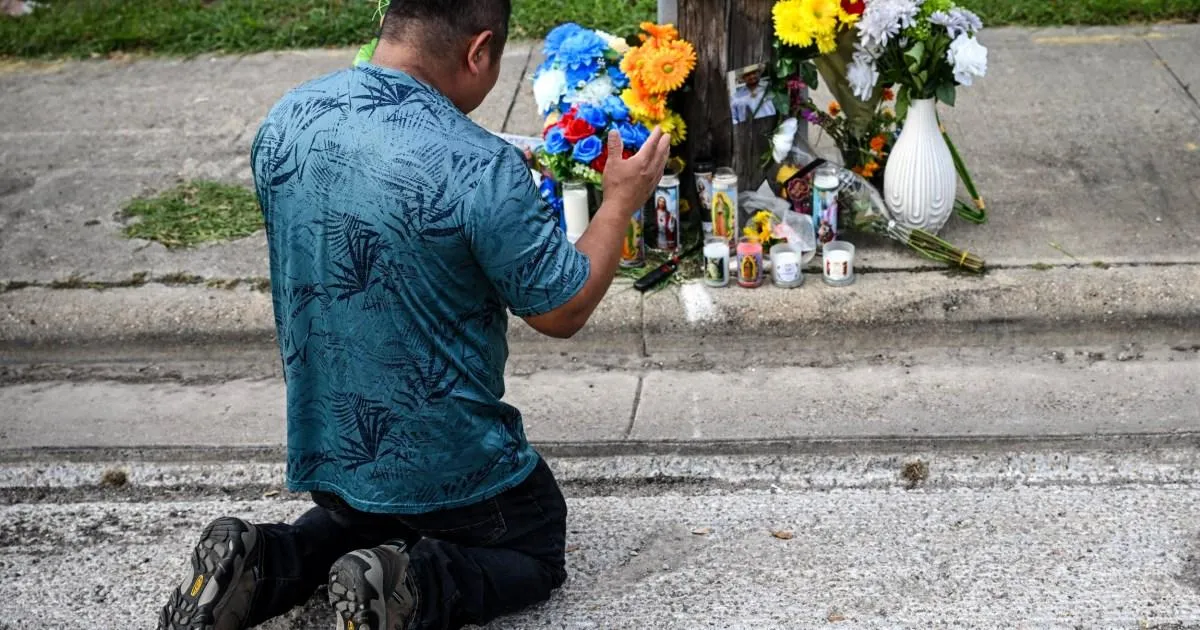
Lorenzo Salgado Araujo was shot and killed in Houston this week (Picture: AFP)

The man ICE shot and killed during a traffic stop in Houston has been remembered as a ‘hard worker’ and family man.

Lorenzo Salgado Araujo was driving a car on Tuesday evening when ICE officers tried to stop him.

Araujo is allegedly undocumented and didn’t follow commands. ICE has claimed that Araujo attempted to ‘weaponise his vehicle’ and run over an officer – the same reason the agency gave for shooting Renee Good in January this year.

The agency said officers fired in ‘self-defence’, but his family don’t believe this to be the case.

Advertisement

His son, Ronaldo Salgado, said: ‘He did not deserve to die. He did not deserve to be reduced to a headline of ‘Mexican man shot and killed by ICE.

Lorenzo Salgado Araujo, a Mexican motorist who was fatally shot by an ICE agent during a vehicle stop in Houston, stands behind a birthday cake in an unknown location in this this picture obtained from social media, released July 8, 2026. Ronaldo Salgado/via REUTERS THIS IMAGE HAS BEEN SUPPLIED BY A THIRD PARTY. MANDATORY CREDIT. NO RESALES. NO ARCHIVES. VERIFICATION: Reuters was able to confirm the identity of Lorenzo Salgado Araujo with corroborating footage captured by Reuters that shows a family member holding the photo during a press conference. The location and date when the photo was taken were not verified. TPX IMAGES OF THE DAY
Lorenzo ‘dedicated his life to the American dream’ (Picture: UGC)

‘He dedicated his life in the United States to giving his family the American dream. He raised my brothers and me on the idea of education taking us so far in life.

‘I am deeply heartbroken to see that the man who taught me the value of hard work, family values, and education will no longer spend an evening on his porch.’

Homeland Security said: ‘The driver of the vehicle, Lorenzo Salgado Araujo — an illegal alien from Mexico — attempted to evade arrest.

Advertisement

‘From information we are receiving, he rammed an ICE law enforcement vehicle, refused to follow multiple verbal commands, and weaponised his vehicle in an attempt to run over an ICE law enforcement officer resulting in our officer firing his weapon in self-defence.’

‘The driver was struck, and emergency services were immediately contacted. The driver was transported to the hospital, where he passed away from his injuries.’

Ronaldo Salgado, son of Lorenzo Salgado, arrives to speak during a press conference in Houston, on July 8, 2026. US Department of Homeland Security (DHS) officials said Tuesday that a federal immigration agent shot and killed a Mexican national during an attempted vehicle stop in Texas. In a statement posted to X, DHS said Immigration and Customs Enforcement (ICE) agents attempted to stop Lorenzo Salgado's vehicle in Houston early Tuesday morning, but the man "attempted to evade arrest." (Photo by RONALDO SCHEMIDT / AFP via Getty Images)
His son was in tears at a press conference (Picture: AFP)

An investigation into the shooting has been launched, led by Homeland Security.

ICE made headlines earlier this year after the fatal shooting of 37-year-old Renée Good in Minneapolis, which sparked fierce backlash and further protests against the immigration agency.

ICE has been ramping up operations under Donald Trump’s administration, targeting major cities as part of mass deportations, which has led to fear and concern among immigrant communities.

Advertisement

Houston, the biggest city in Texas, is home to around 6.5 million people.

Around 28% are white, 24% Hispanic, 22% Asian and 21% Black, according to official census figures.

Get in touch with our news team by emailing us at webnews@metro.co.uk.

For more stories like this, check our news page.

Advertisement

Source link

Advertisement
Continue Reading

NewsBeat

Avocado, romaine and potato salad with buttermilk dressing

Published

on

Avocado, romaine and potato salad with buttermilk dressing

You might find it odd that the potatoes are dressed twice, but it ensures that they are well-seasoned as they suck up the oil dressing while they’re still warm. This salad is great with lots of main courses – poached salmon, roast chicken and baked ham. If you can’t find buttermilk, use a mixture of sour cream and milk.

Source link

Continue Reading

NewsBeat

Heatwave drives office working boom as employees ditch sweaty WFH in favour of air con

Published

on

Workers across Britain look set to ditch sweltering WFH conditions in favour of cool air-coned offices as the third heat wave hits

As Britain’s third heatwave of the summer strikes this week, workers are ditching their sweltering home offices in favour of cool air-conditioned offices.

Companies operating businesses throughout the UK have informed the Daily Mail that they have witnessed a surge in people coming into the office – and believe a desire to beat the heat is behind the boost.

Flexible office firm Office Space in Town (OSiT), which has five locations across London, reported a 75 per cent increase in office attendance at their sites during the ‘red alert’ heatwave in the capital, from June 22 to July 3. 

The spike in numbers, the company said, was as a result of people seeking fully air-conditioned office environments as opposed to increasingly hot temperatures at their homes. 

Advertisement

In fact, OSiT said approximately 60 per cent of workers that used their facilities during periods of extreme heat felt it was ‘more convenient’ to travel to and work in an air-conditioned office.

Sarah Singlehurst, co-founder of OSiT, said employees are choosing cooler environments ‘where they can work comfortably’. 

Ms Singlehurst said: ‘With no statutory maximum working temperature in the UK, employees are responding pragmatically during heatwaves by choosing cooler environments where they can work comfortably and stay productive.

‘It highlights how extreme summer temperatures are now directly shaping day-to-day working decisions.’ 

Advertisement

Workers across Britain look set to ditch sweltering WFH conditions in favour of cool air-coned offices as the third heat wave hits 

A 75 per cent increase in office attendance was reported by OSiT, a London-based workspace company, during the rising heat

A 75 per cent increase in office attendance was reported by OSiT, a London-based workspace company, during the rising heat

ADAPT Workspace, who offer over 3,000 offices to rent across London, cited a similar upwards trend of people using their workspaces because of the appeal of the aircon.

Advertisement

Of the providers it works with, the company said, increases of double-digits in occupancy were reported during the hot weather, in particular ‘cool, modern, air conditioned buildings’ with in-office amenities. 

Chris Meredith, CEO & Founder of ADAPT, said the company has ‘definitely’ seen the heatwaves change how businesses are using office space.

He said: ‘The office is no longer just somewhere to put desks. During a heatwave, a cool, comfortable workspace becomes a genuine employee benefit. 

‘Good air conditioning, meeting space and breakout areas are playing a much bigger role in attendance, collaboration and productivity.

Advertisement

‘Companies are investing in better workplaces that give people a reason to come into the office, and extreme weather is definitely accelerating this change.’ 

Outside of London, where temperatures are still reaching up to 30C, a similar story can be found.

Department UK is an office workspace operator in Manchester and Leeds. 

FIFA World Cup and Wimbledon have also been cited as pulling crowds into cool office spaces

FIFA World Cup and Wimbledon have also been cited as pulling crowds into cool office spaces 

Advertisement

Abigail Chew, operations director at Department UK, said the company is seeing ‘more’ of their members ‘choosing to spend time in the workspace where there is air conditioning’ as the hotter weather emerges.

Ms Chew said: ‘We’re seeing more of our members choosing to spend time in the workspace where there is air conditioning.

‘In workspaces like Department at Bonded Warehouse, with its exposed brick walls, it offers a more comfortable place to work for both focused work and collaboration during this heatwave, and it’s been great to see the spaces being well used.’

Yet it is not only the draw of the aircon that is tempting workers into the office. 

Advertisement

In fact, major sporting tournaments such as the FIFA World Cup and Wimbledon have been cited as pulling crowds into office spaces by the same companies. 

Ms Chew added: ‘The World Cup’s also been a brilliant reason for people to come together, with members coming into the office to watch the matches and enjoy the atmosphere with their teams.

‘With venues across St John’s showing the games right on our doorstep, it has made it easy for teams to head out together straight after work, while others have been using lunch breaks to watch Wimbledon on The Green.’

Ms Singlehurst also cited a rise in in-office viewings for the World Cup at OSiT during periods of hot weather that coincided with England fixtures.

Advertisement
Britain's third heatwave of the summer has come into full force this week

Britain’s third heatwave of the summer has come into full force this week

Amber and yellow heat health alerts have been issued by the UK Health Security Agency from Thursday

Amber and yellow heat health alerts have been issued by the UK Health Security Agency from Thursday

She said: ‘While we hear chants of the football coming home, we have seen the reverse in the movements of our employees, who want to go into the office and catch the excitement of the matches with their teams and the crowds gathering in the communal screening amenities in our locations.’

Advertisement

The surge in office attendance comes as Britain’s third heatwave of the year is in full force this week. 

Parts of south-east England officially entered a heatwave on Monday, after three days at or above the threshold temperature which varies by region but is 28C in London.

Hot weather is expected to last throughout this week and next with meteorologists saying the heatwave threshold could be met for as many as 14 days in some areas.

On Thursday and Friday, the Met Office expects areas of south-east England, including London, to reach highs of 35C to 36C.

Advertisement

Amber and yellow heat health alerts have also been issued by the UK Health Security Agency (UKHSA) for the Midlands and southern England, which came into force at 9am on Thursday. 

The alerts will remain in force until at least Sunday, and indicate ‘significant impacts’ are likely across health and social care services because of the weather – including a ‘rise in deaths’, particularly among those aged 65 and over or with health conditions.  

The rising temperatures follow last month’s scorching heatwave, when a record temperature for June of 37.7C was set in Lingwood in Norfolk on Friday, June 26

That came after May’s record heatwave when a scorching 35.1C was reached in Kew, London, smashing the previous peak of 32.8C set in 1922.

Advertisement

Source link

Continue Reading

NewsBeat

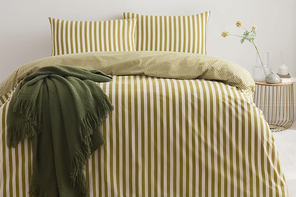
Hot sleepers should switch to this type of bed sheet, according to experts

Published

on

Hot sleepers should switch to this type of bed sheet, according to experts

There’s nothing worse than finally climbing into bed after a long day, only to spend the night tossing and turning because you’re too hot to sleep. While things like your bedroom temperature, bedtime routine and the weather all play a part, your bedding has a bigger impact than you might realise. The wrong sheets can trap heat, hold onto moisture and leave you waking up hot, sweaty and uncomfortable, especially during a heatwave.

The good news is that the right sheets can make a noticeable difference. But staying cool at night isn’t simply a case of choosing the thinnest fabric you can find. Different materials vary in how breathable they are, how well they wick away moisture and how easily air can circulate, meaning some are far better suited to hot sleepers than others.

To find out which sheets are really worth investing in, I spoke to sleep experts about what to look for when shopping for cooling bedding, the materials they recommend and why the right fabric can help you sleep more comfortably.

Read more: How to wash and care for linen bedding

Advertisement

What sheet material is best for people who sleep hot?

Dr. Louis Lerebours, MD, a board-certified family medicine physician at Freeman Recovery Center says the best materials for hot sleepers are those with “natural breathable fibres with good air circulation.” These materials can include cotton, linen, bamboo-derived viscose, and Tencel.

He explains: “These breathable fibres will also allow your body to move some moisture during the course of the night. This is important because most people who experience excessive nighttime sweating (or what’s commonly referred to as night sweats) have an inability to move enough sweat out of their skin to cool themselves down properly during the night. In other words, they retain too much heat in the upper layers of their skin. As this excess heat builds up, it causes them to become excessively warm and sweaty at night. So, breathable fabrics may be beneficial to you if you find yourself getting hot and waking up multiple times throughout the night.”

How do different fabrics compare when it comes to breathability and temperature regulation?

According to Dr. Lerebours, there are some differences in how these materials work. Linen, he explains, is made with a large weave that doesn’t cling to the skin, whereas cotton will feel cooler due to its crisper texture.

“Bamboo and Tencel are also examples of breathable sheet materials,” he adds. “They’re also softer than heavier materials such as microfibre or densely woven sateen.”

Advertisement

How to reduce your temperature while sleeping

There are some sleep tricks you can follow to try and stop your body temperature rising at night. According to Dr Tim Mercer, NHS GP partner and GP trainer, adjusting your sleep position helps more than you might think.

“Sleeping on your side can improve airflow and reduce contact between your body and heat-retaining surfaces like your mattress and bedding,” he explains. “Minimising contact points may help your body stay cooler overnight. If you share a bed, avoid physical contact during sleep, as body heat transfer can worsen discomfort.”

Best linen bedding

Best cotton bedding

Meet the experts

  • Dr. Louis Lerebours, MD: Bard-certified family medicine physician at Freeman Recovery Center
  • Dr Tim Mercer: NHS GP partner and GP trainer

Experts share whether linen bedding is better than cotton

Source link

Continue Reading

NewsBeat

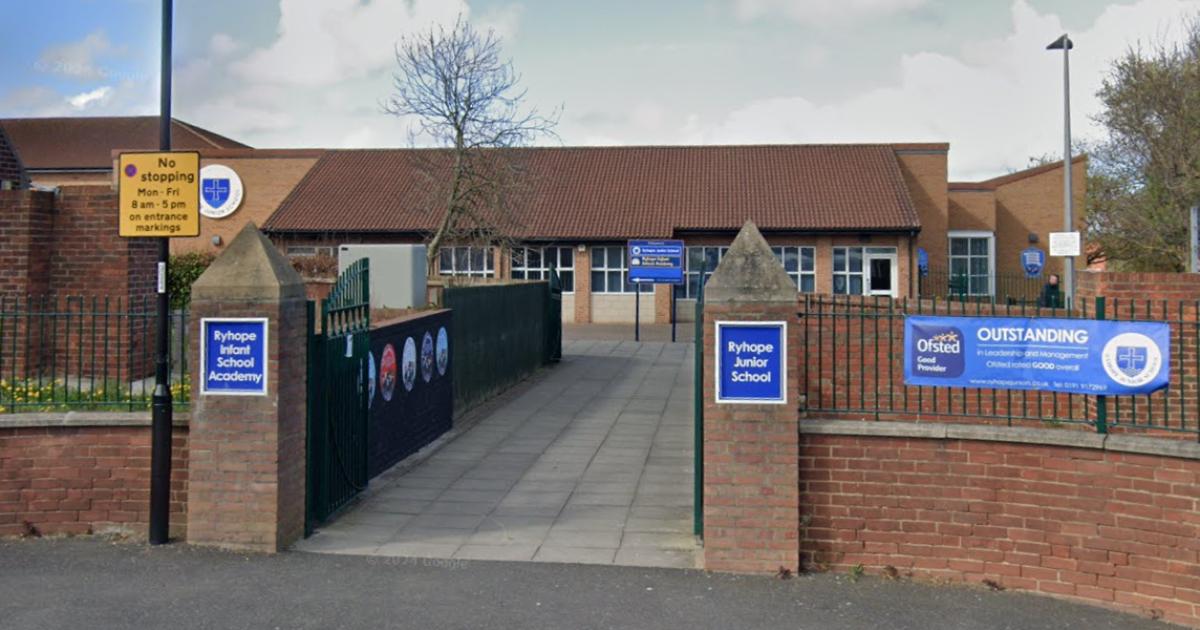
‘Superb ambassadors’ – Ryhope Junior School wins ‘strong’ from Ofsted

Published

on

‘Superb ambassadors’ - Ryhope Junior School wins 'strong' from Ofsted

Ryhope Junior School in Sunderland was rated as meeting ‘strong standards’ in four out of six categories following a visit by Ofsted.

The team praised the school’s environment, describing it as one where pupils “feel safe, are happy and feel valued as members of ‘Team RJS’.”

The report also underlines the quality of relationships and safeguarding culture at Ryhope.

Advertisement

Well‑trained and vigilant staff are said to understand the context of each individual pupil, building highly positive relationships that create a clear sense of care and nurture.

Inspectors note that bullying, derogatory language and other poor behaviours are “very rare”, and that pupils have confidence that problems will be dealt with swiftly and effectively.

Inspectors said: “Pupils at Ryhope are very well prepared for life in the community beyond the school gates.”

They also found them to be “superb ambassadors for their school.”

Advertisement

Ofsted noted that the school’s focus on personal development, behaviour, inclusion, and leadership were particular strengths.

The report highlighted the pride pupils take in their roles across the school and the positive impact of these responsibilities on attendance.

Inspectors also commended the “very high-quality pastoral support” and the effectiveness of tailored assistance for pupils with additional needs.

In the two categories rated as ‘expected standard’, Ofsted recognised the progress made in curriculum and achievement.

Advertisement


The report noted that while most pupils achieve well and are prepared for the next stage of their education, further work is needed to close the attainment gap between disadvantaged pupils and their peers.

“A collaborative approach between leaders and governors ensures that their actions have demonstrable impact”, it added.

The school’s motto of “learn to live” is described as central to pupils’ wider development, with inspectors concluding that pupils are valued members of a community where they “do very well from their different starting points.”

Advertisement

Source link

Continue Reading

NewsBeat

How Ricky Gervais Kept The BBC At Bay When Making The Office

Published

on

How Ricky Gervais Kept The BBC At Bay When Making The Office

It’s now been 25 years since The Office premiered on the BBC – and changed comedy forever.

To mark the occasion, the show’s creator – and David Brent himself – Ricky Gervais recently reminisced to Empire about making the classic sitcom

During the interview, the After Life creator was asked just how much intervention there was from the BBC when he was making his breakthrough comedy series, to which he admitted that the broadcaster “really didn’t” have too many notes for him at the time.

However, he did admit then when suggestions came in, he purposefully tried to keep the broadcaster away from his show.

Advertisement

“I remember thinking whenever I walked into the BBC or on to the set, that I had a big flaming sign on me saying, ‘Get away, get away from me!’,” he joked. “And I think that’s because I was in my late thirties and I was thinking, ‘Just let me fail, just let me fucking fail, right?’.”

He continued: “There was a time when we were in the edit and I was told ‘Oh they didn’t like this’, and I said, ’Okay, send it back to them with a note saying, ‘How’s this?, but don’t change anything’, and the reply came back saying, ‘Thanks – much better’.”

Ricky Gervais as David Brent in the original UK version of The Office

He also shared an anecdote about BBC producer Jon Plowman, who questioned the initial demo video he’d made showcasing David Brent in all his cringeworthy glory.

The Bafta winner recalled: “He really liked it but he had one question: ‘If David Brent is so bad at his job, how has he kept it?’. And I said, ‘Let’s have a walk around the BBC, shall we?’. And he laughed and said, ‘Good point’. And that was it.”

Advertisement

Ricky’s interview comes amid remarks from co-star Martin Freeman that he was “annoyed” that the show’s creators had claimed that nothing was improvised on-set – which is clearly not how he remembers things.

A quarter-century on from its debut, The Office is now considered one of the most important TV shows of the 21st century.

It has spawned numerous international remakes, most notably a US version starring Steve Carell, and started a trend for mockumentary sitcoms like Parks And Recreation and Abbott Elementary.

Last year, a spin-off of The Office US, The Paper, premiered in the US, starring Domnhal Gleesson as the new editor-in-chief of a struggling local paper.

Advertisement

Source link

Continue Reading

NewsBeat

Glasgow city centre street taped off after report of late-night rape

Published

on

Daily Record

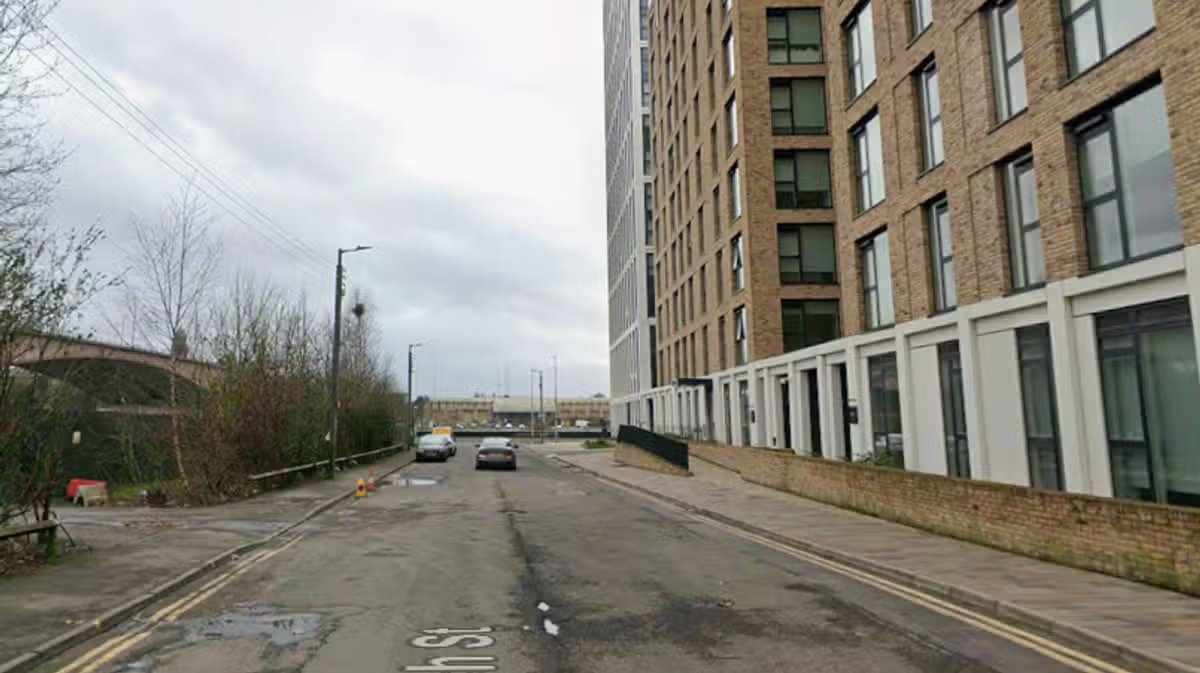
The area has been taped off by police.

A street has been taped off by police in Glasgow after reports of a late-night rape.

Advertisement

Officers were called to the scene on Warroch Street near the city centre at around 10.45pm on Wednesday, July 8. Police say inquiries into the street attack are at an early stage.

A Police Scotland spokesperson said: “Around 10.45pm on Wednesday, 8 July, we received a report of a serious sexual assault in the Warroch Street area of Glasgow. Inquiries are ongoing and at an early stage.”

We’ll be bringing you the very latest updates, pictures and video on this breaking news story.

For the latest news and breaking news visit dailyrecord.co.uk

Get all the big headlines, pictures, analysis, opinion and video on the stories that matter to you.

Advertisement

Follow us on Twitter @Daily_Record – the official Daily Record Twitter account – real news in real time.

We’re also on Facebook – your must-see news, features, videos and pictures throughout the day from the Daily Record, Sunday Mail and Record Online

Get more Daily Record exclusives by signing up for free to Google’s preferred sources. Click HERE.

Source link

Advertisement
Continue Reading

Trending

Copyright © 2025