Connect with us
DAPA Banner

NewsBeat

Lessons learned in ’70s have made US, world economies less vulnerable to oil shocks

Published

on

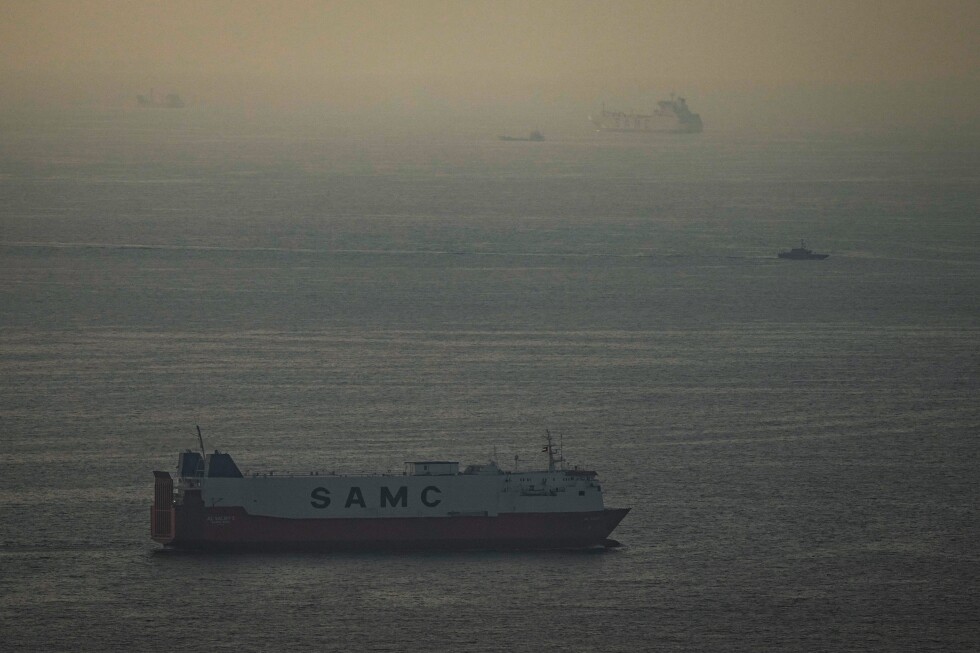
Iran formalizes its chokehold over the Strait of Hormuz

WASHINGTON (AP) — The world economy is experiencing a disorienting flashback to the 1970s.

Oil prices are once again surging in the wake of war in the Middle East, driving up the cost of gasoline, diesel and jet fuel and threatening a return to stagflation – the toxic mix of higher prices and slower growth that made economic life so miserable a half century ago.

But the U.S. and world economies are less vulnerable now than they were when Saudi Arabia and other Middle Eastern petroleum producers withheld oil supplies to punish countries that supported Israel in the 1973 Yom Kippur War.

In response to that shock – and another triggered six years later by the Iranian revolution — countries embarked on a new course to increase their energy efficiency, reduce their dependence on Middle Eastern oil, stockpile fuel against future threats, and find and develop alternative sources of energy.

Advertisement

“We have decades of experience now dealing with these kinds of oil shocks,’’ said Amy Myers Jaffe, research professor at New York University’s Center for Global Affairs.

Of course, the notion that the current Iran energy shock could have been worse is little comfort to frustrated American motorists paying $4 or more for a gallon of gasoline, to European farmers contending with skyrocketing fertilizer prices and to street vendors in India who can’t get enough gas to cook curries and samosas for their customers.

And the sheer scale is unprecedented. In response to attacks by the United States and Israel that began Feb. 28, Iran effectively shut off the Strait of Hormuz, through which 20 million barrels of oil — or one-fifth of global production — flowed daily.

Lutz Kilian, director of the Federal Reserve Bank of Dallas’ Center for Energy and the Economy, figures that 5 million daily barrels can either be rerouted from the Persian Gulf to the Red Sea or continue to transit through the Strait of Hormuz. But that still means that roughly 15 million barrels — or 15% — of daily global oil production is missing, compared with just 6% in the 1973 embargo and after Iraq’s invasion of Kuwait in 1990.

Advertisement

Cushioning the blow

Changes the U.S. and other countries made over the past five decades have limited the economic fallout from the war. In 1973, oil accounted for almost half — 46% — of world energy supplies. By 2023, oil’s share had fallen to 30%, according to the International Energy Agency.

The world still uses more oil than ever: Consumption topped 100 million barrels a day last year, up from fewer than 60 million barrels a day in 1973. But a much bigger share of global energy is coming from other sources — such as natural gas, nuclear, solar — compared to five decades ago.

The United States, in particular, has weaned itself away from dependence on foreign oil.

When the ’73 oil shock hit, America’s domestic energy production was in decline and its reliance on oil imports was growing alarmingly. But the rise of fracking — pumping high-pressure water deep underground to extract previously hard-to-get oil or gas from rock – rejuvenated U.S. energy production in the 21st century. By 2019, America had become a net petroleum exporter.

“The U.S. economy is much better positioned than it was in the 1970s,” when it was “particularly vulnerable to an oil price shock,” said Sam Ori, executive director of the University of Chicago’s Energy Policy Institute.

In the early ‘70s, for example, the United States got about 20% of its electricity from oil, Ori said. But a law enacted in 1978 prohibited the use of petroleum in power plants. Now the United States gets no electricity from oil — aside from a few generators in, say, the far reaches of Alaska.

Advertisement

Dimming the lights

The 1973 oil embargo was a wakeup call, creating shortages that led to long lines at U.S. gasoline stations.

On Nov. 25, 1973, President Richard Nixon went on television to ask the American people to make sacrifices. To conserve fuel, he urged gasoline stations to shut their pumps from Saturday night through Sunday, hoping to discourage long-distance weekend driving.

He asked Congress to lower the maximum speed limit to 50 miles an hour (lawmakers settled for 55 miles an hour) and to ban ornamental and most commercial lighting (they balked at that). Nixon himself promised to dim the White House Christmas lights.

But while those memories may have left a lasting imprint on some, Jaffe of New York University’s Center for Global Affairs says that today, “a repeat of long gasoline lines, fuel rationing, and outright fuel shortages in the U.S seems highly unlikely.”

Advertisement

Other countries took aggressive action following the 1973 oil embargo as well.

The United Kingdom, contending with a coal strike as well as the energy crisis, cut the work week to three days to slash electricity consumption. France ordered offices to turn off the lights at night.

Japan, almost entirely dependent on imported oil, passed a series of “sho-ene’’ laws — combining the Japanese words for “save’’ or “reduce’’ with “energy’’ — mandating energy efficiency in shipping, buildings, machinery, automobiles and homes.

Japan also encouraged the use of liquefied natural and gas and the rapid growth of nuclear power, an effort set back after a 2011 earthquake and tsunami damaged the Fukushima nuclear plant. Overall, Japan ranks No. 21 in the world in per-capita energy consumption, according to International Energy Agency data, as a result of its efficiency drive and widespread use of buses and trains. The United States is No. 9.

Advertisement

More fuel efficient cars, new oil fields

The U.S. government began imposing fuel economy standards in 1975. Fuel economy has risen from 13.1 miles per gallon for model year 1975 vehicles to 27.1 mpg in model year 2023, according to the Environmental Protection Agency. The World Bank, in fact, attributes most of the drop in the global economy’s dependence on oil to stricter fuel efficiency requirements for vehicles around the world.

The ’70s shocks also set off a search for oil outside the Middle East — Prudhoe Bay in Alaska, the North Sea fields off the coasts of the United Kingdom and Norway and Canada’s oil sands deposits.

As fracking boomed, U.S. oil production shot up from 5 million barrels a day in 2008 to 13.6 million barrels a day last year. Over the same period, U.S. natural gas production has more than doubled.

Countries also began stockpiling oil and set up the Paris-based International Energy Agency in 1975 to coordinate responses to energy shocks. Last month, the agency’s 32 member countries agreed to release 400 million barrels of oil in an effort to calm the oil market; included were 172 million barrels from the U.S. Strategic Petroleum Reserve, set up in 1975.

Advertisement

Central banks such as the Federal Reserve also learned lessons. In the ‘70s, they reduced interest rates to protect the economy from the oil shocks. In so doing, they overlooked the threat posed by higher energy costs — and inflation, already elevated, got worse.

In a Feb. 17 commentary – 11 days before the United States and Israel attacked Iran – the Dallas Fed’s Kilian wrote that the Fed erred in cutting rates to boost the economy when the 1970s oil shocks hit: “What we can learn from the 1970s is that a well-intentioned policy of stimulating the economy by lowering interest rates has the potential of inadvertently reigniting inflation.’’

Trump undoes efforts to reduce oil dependence

While much has changed, the University of Chicago’s Ori cautions: “Oil is still king, the No. 1 fuel in the U.S. economy.’’ Cars, planes, trucks and ships get about 90% of their delivered energy from petroleum. “The lifeblood of the economy – the transportation sector —is still overwhelmingly reliant on petroleum fuel, the price of which is set in a global market,’’ Ori said, “and a disruption anywhere affects the price everywhere.’’

He also notes that President Donald Trump is undoing many of the policies meant to reduce America’s dependence on petroleum and to encourage the use of electric vehicles.

Advertisement

Trump’s sweeping tax bill last year ended consumer credits of up to $7,500 for EV purchases. He has announced a proposal to weaken U.S. fuel economy standards and repealed fines on automakers that don’t meet those standards.

“You take all that together, and the fact is, the U.S. is going in the opposite direction of making big changes to further insulate the economy from oil shocks and oil price volatility,’’ Ori said.

_____

Kageyama reported from Tokyo.

Advertisement

Source link

Advertisement
Continue Reading
Click to comment

You must be logged in to post a comment Login

Leave a Reply

NewsBeat

UK Foreign Office issues statement after suspected Hantavirus outbreak kills three on cruise ship

Published

on

Manchester Evening News

The victims were passengers of the MV Hondius

The Foreign Office has issued a statement following a suspected outbreak of hantavirus outbreak on a cruise ship that has left three people dead.

The victims were passengers of the MV Hondius which was travelling from Argentina to Cape Verde, according to the World Health Organisation (WHO).

Advertisement

Reports state that another person, who is a British national, is currently in intensive care.

Click here to get the biggest stories straight to your inbox in our Daily Newsletter

A UK Foreign Office spokesperson said: “We are closely monitoring reports of a potential hantavirus outbreak on the cruise ship Hondius and stand ready to support British nationals if needed.

“We are in touch with the cruise company and local authorities.”

Advertisement

Hantavirus typically comes about following contact with urine or faeces from infected rodents.

In some cases, the virus can spread between people and lead to a dangerous respiratory illness.

South African authorities report the first person to show symptoms was a 70-year-old passenger who died on board. His body has since been transferred to the island of Saint Helena.

His 69-year-old wife also became ill during the voyage and was evacuated to South Africa, where she later died in a Johannesburg hospital. A 69-year-old British man was also evacuated to Johannesburg and is currently receiving treatment in intensive care.

Advertisement

The WHO said it is assisting with coordination between member states and the ship’s operator, including the medical evacuation of two symptomatic passengers, a full public health risk assessment, and support for those still on board.

Their full statement reads: “WHO is aware of and supporting a public health event involving a cruise vessel sailing in the Atlantic Ocean. To date, one case of hantavirus infection has been laboratory confirmed, and there are five additional suspected cases.

“Of the six affected individuals, three have died and one is currently in intensive care in South Africa.

“Detailed investigations are ongoing, including further laboratory testing, and epidemiological investigations. Medical care and support are being provided to passengers and crew. Sequencing of the virus is also ongoing.

Advertisement

“Hantavirus infections are typically linked to environmental exposure (exposure to infected rodents’ urine or faeces). While rare, hantavirus may spread between people, and can lead to severe respiratory illness and requires careful patient monitoring, support and response.

“WHO is facilitating coordination between member states and the ship’s operators for medical evacuation of two symptomatic passengers, as well as full public health risk assessment and support to the remaining passengers on board.

“WHO is grateful for the rapid actions and coordination amongst all involved.”

Hantavirus was in the news after the late actor Gene Hackman’s wife, Betsy Arakawa, died from hantavirus infection in New Mexico last year. Hackman died a week later at their home.

Advertisement

Source link

Continue Reading

NewsBeat

World Snooker Championship 2026: Wu Yize in control of Crucible final against Shaun Murphy

Published

on

Shaun Murphy & Wu Yize pose with the trophy

Wu made a scintillating start to the evening, having resumed at 4-4 after an afternoon session that was briefly interrupted by a female spectator jumping over the front-row barrier before referee Rob Spencer and security intervened to remove her.

Breaks of 82 and 103 gave him a two-frame advantage and while Murphy, who had earlier recovered from 3-0 down, hit back with a 72 it appeared as though he was struggling to stem the flow of his opponent.

Murphy, 43, who is aiming to set a new record for the longest gap between first and second titles, openly admitted that Wu had blasted him off the table at the Masters in January – albeit in a best-of-11 contest.

And having never won a match on his two visits to the Crucible prior to this year, Wu has so far has answered every question posed of him in the longer format.

Advertisement

Source link

Continue Reading

NewsBeat

Drawing linked to Mary Anning found at Yorkshire Museum

Published

on

Drawing linked to Mary Anning found at Yorkshire Museum

New research has revealed a fresh connection to Mary Anning, the renowned 18th-century palaeontologist, through a drawing held in the archives of the Yorkshire Museum.

The unpublished illustration was uncovered during a study focused on Lyme Regis, Mary Anning, and the drawings and letters of Elizabeth Philpot.

The research team, led by Tom Sharpe, Hugh Torrens, and Dr Sarah King, traced the origins of the drawing to 1833, when Yorkshire woman Anne Wickham sent it to the museum’s keeper, John Phillips, along with a letter.

Dr King, curator of natural sciences at York Museums Trust, said: “The Yorkshire Museum has held Wickham’s drawing since 1833, but it has been unknown and unpublished for almost two centuries.

Advertisement

Anne Wickham’s Drawing of an Ichthyosaur Skull, 1833 (Image: York Museums Trust)

“Diligent research efforts have enabled us to track down the drawing and accompanying letter, which reveals more about the network of women interested in and writing about palaeontology in the eighteenth century.”

Wickham created the drawing using fossilised sepia ink, made from the ink sacs of fossilised cephalopods.

Her letter gives, for the first time, the recipe for reconstituting fossilised sepia for use as an ink, providing valuable insight into the other published drawings from Philpot’s collection.

The letter was found in the York Philosophical Society’s collection in the University of York’s Borthwick Archive.

Advertisement

Drawings in fossilised sepia ink have long been studied for their connection to Lyme Regis and subsequently Mary Anning.

The drawing and letter from Yorkshire confirm existing evidence about how this ink was obtained and provide new insight into the production of the sepia ink drawings.

Dr King said: “Research and exhibitions like this are a wonderful thing, celebrating women in science and recognising the importance of Anning to these practices of recording fossilised specimens.”

Mary Anning Rocks at the Yorkshire Museum (Image: Anthony Chappel Ross)

The Yorkshire Museum currently has an exhibition dedicated to Mary Anning and her pioneering efforts.

Advertisement

Tom Sharpe, a Mary Anning expert and a key figure in the research, added: “Working with different partners and institutions is always so exciting and rewarding, especially when a collective effort reveals something fascinating.

“Having worked with the Yorkshire Museum in the past on the Mary Anning Rocks! exhibition, it was a delight to discover more links to her and her livelihood within the Yorkshire Museum’s collection.

“Tracing the letter to the Borthwick Archives was also a special moment during the research process.

“The power of connections, museum archives and scientific networks has enabled this to come to light and solidify what we already know about the other sepia drawings and reveal more about the breadth of Anning’s influence on palaeontology.”

Advertisement

The full research paper is now available on the Yorkshire Museum’s website.

Source link

Advertisement
Continue Reading

NewsBeat

Three dead and British national in intensive care after virus outbreak on Atlantic cruise ship

Published

on

Three dead and British national in intensive care after virus outbreak on Atlantic cruise ship

Three people have died and five others have been taken unwell after a suspected virus outbreak on a cruise ship sailing in the Atlantic Ocean.

One case of hantavirus has been confirmed, while one British national, aged 69, is in intensive care in Johannesburg, South Africa.

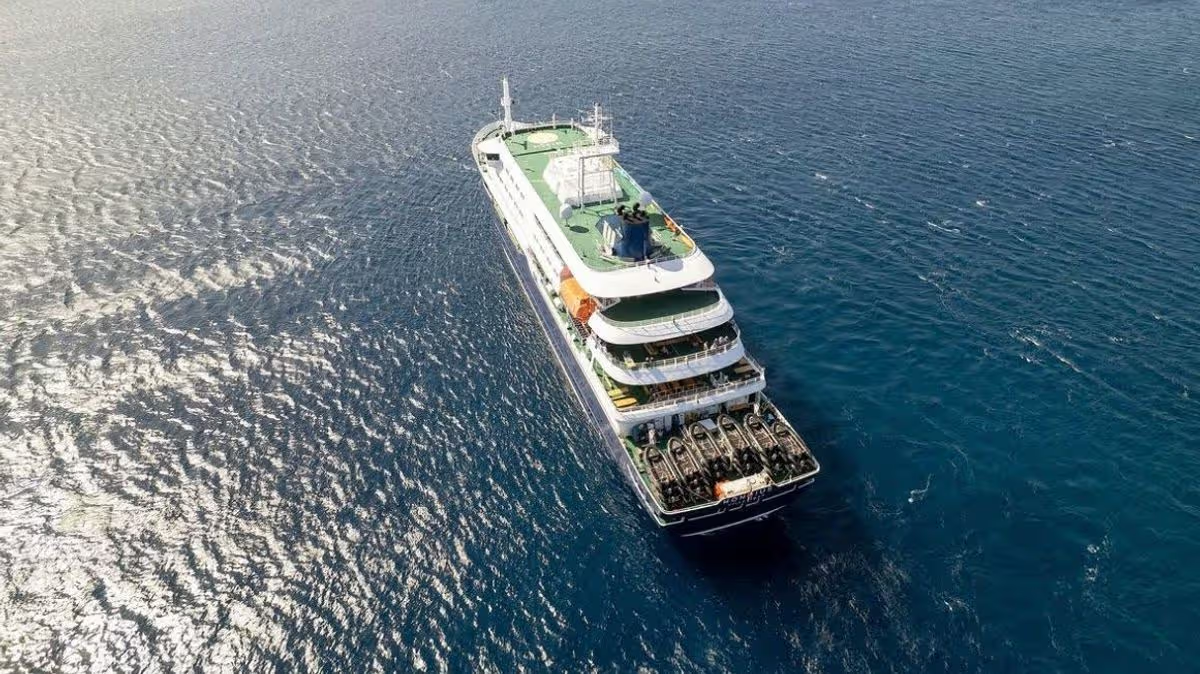
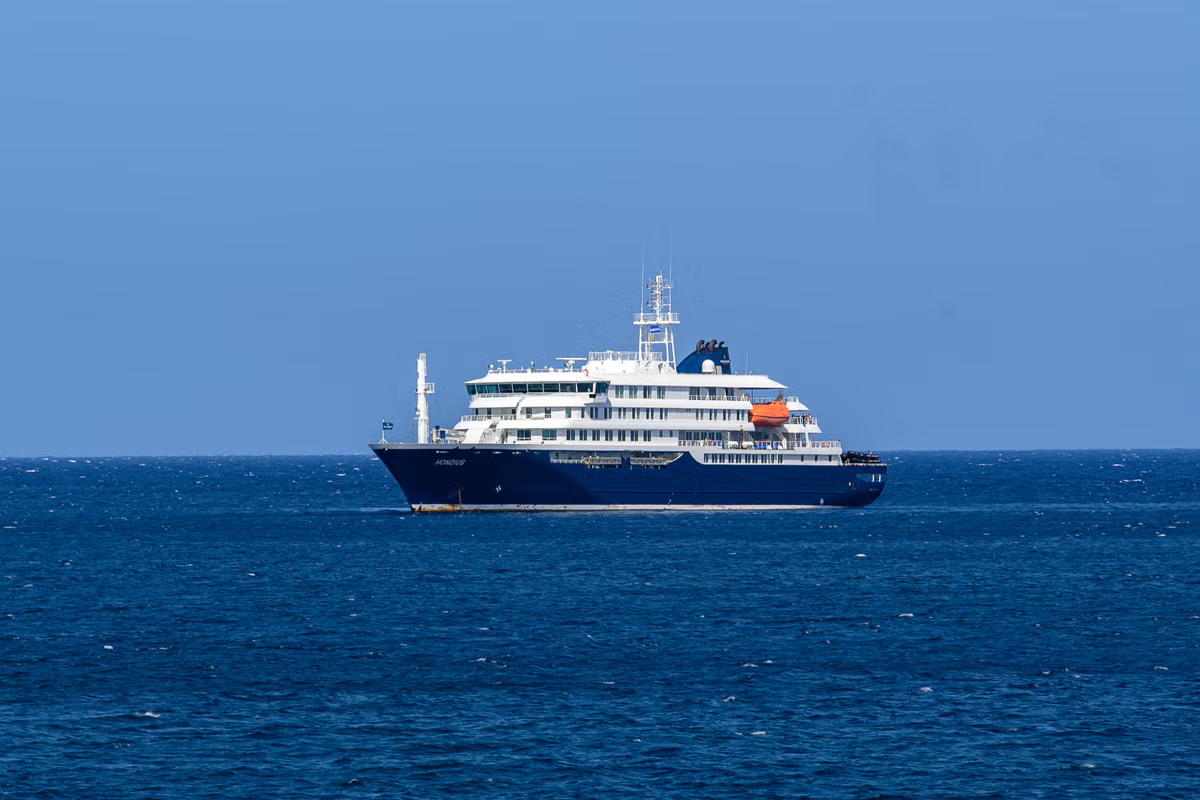
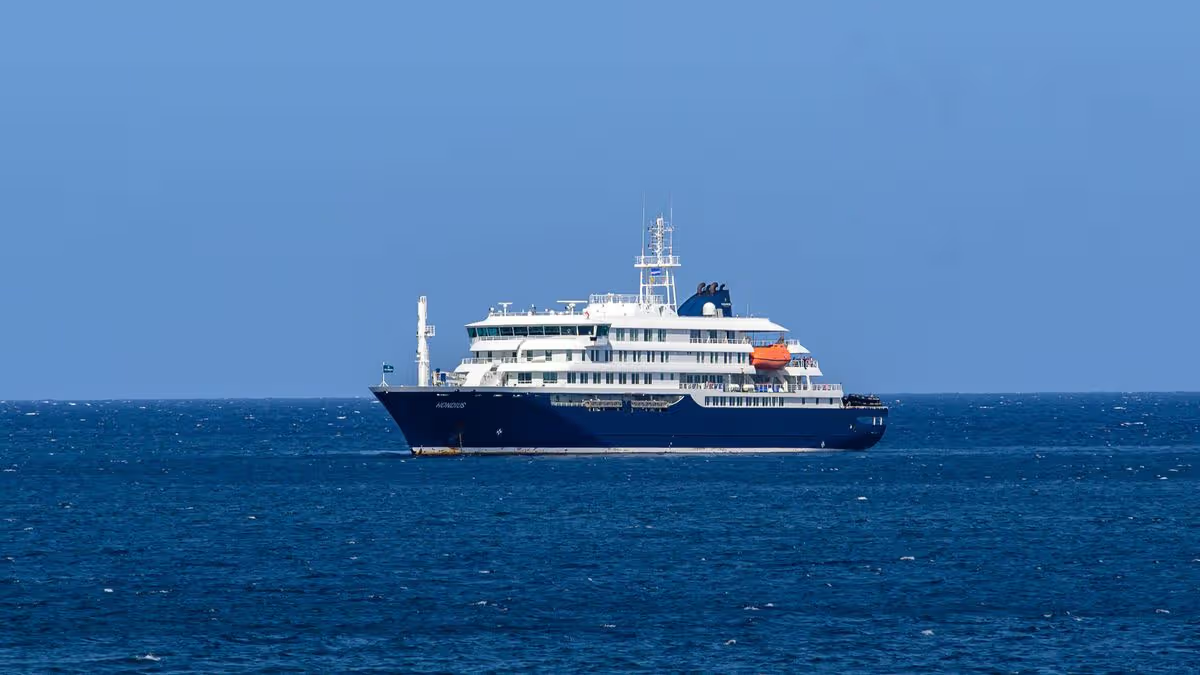
The outbreak was reported aboard the MV Hondius cruise ship, which was travelling from Argentina to Cape Verde.

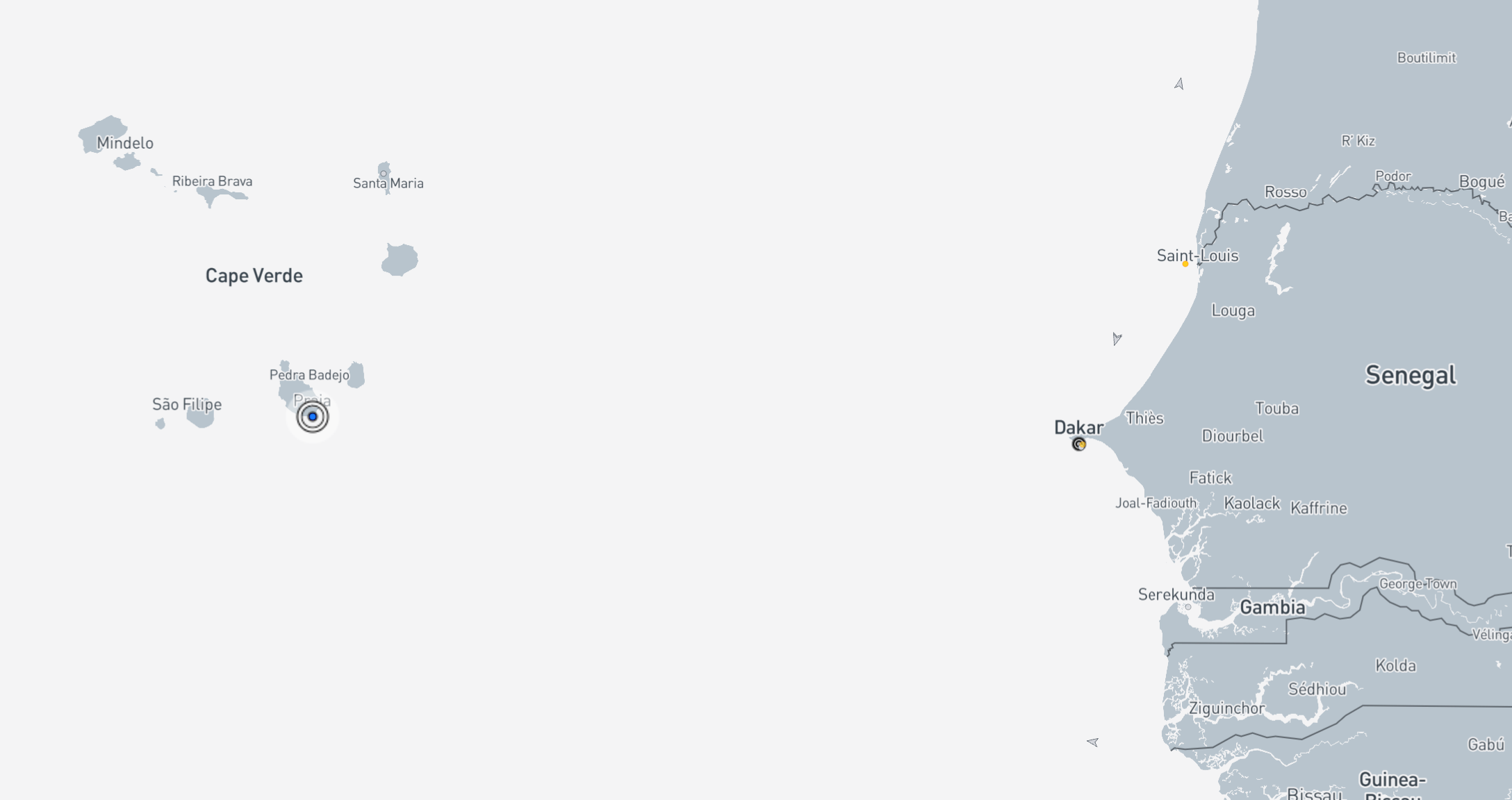
The MarineTraffic global shipping website identified the vessel as a Dutch-flagged passenger cruise ship. It located it as docked in Praia, the capital of Cape Verde, on Sunday night.

Advertisement

South African authorities told the BBC the first person to show virus symptoms was a 70-year-old passenger who died on board. His body is now on the island of Saint Helena, a British territory in the South Atlantic.

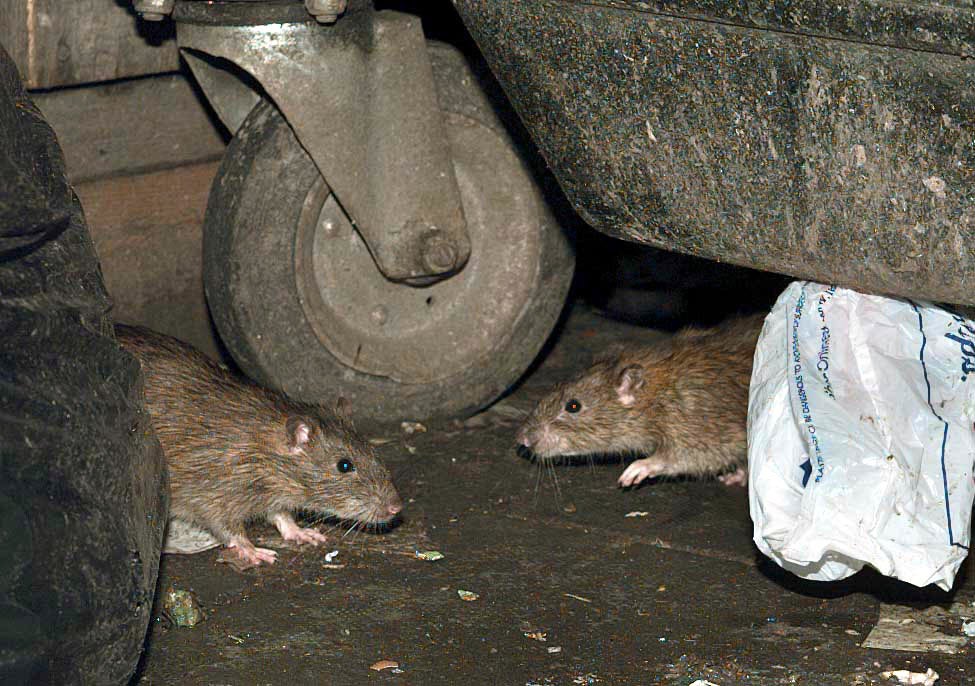
Hantavirus infections are typically linked to exposure to the faeces or urine of infected rodents
Hantavirus infections are typically linked to exposure to the faeces or urine of infected rodents (PA)

His 69-year-old wife also became ill on board and was evacuated to South Africa, where she died in a Johannesburg hospital.

The World Health Organisation said that it was working with authorities to evacuate two other passengers with symptoms from the ship.

Hantavirus infections are typically linked to exposure to the feces or urine of infected rodents, WHO said.

While rare, WHO said they can be spread between people and they can lead to severe respiratory illness. There is no specific treatment or cure, but early medical attention can increase the chance of survival.

Advertisement

In a statement, they said: “WHO is aware of and supporting a public health event involving a cruise vessel sailing in the Atlantic Ocean. To date, one case of hantavirus infection has been laboratory confirmed, and there are five additional suspected cases. Of the six affected individuals, three have died and one is currently in intensive care in South Africa.

The Hondius is currently docked off Cape Verde
The Hondius is currently docked off Cape Verde (Marine Traffic)

“Detailed investigations are ongoing, including further laboratory testing, and epidemiological investigations. Medical care and support are being provided to passengers and crew. Sequencing of the virus is also ongoing.

“Hantavirus infections are typically linked to environmental exposure (exposure to infected rodents’ urine or faeces). While rare, hantavirus may spread between people, and can lead to severe respiratory illness and requires careful patient monitoring, support and response.”

Hantavirus was in the news after the late actor Gene Hackman’s wife, Betsy Arakawa, died from hantavirus infection in New Mexico last year. Hackman died a week later at their home.

The m/v Hondius is run by tour company Oceanwide Expeditions, described as the “first-registered Polar Class 6 vessel in the world, meeting the latest and highest Lloyd’s Register standards for ice-strengthened cruise ships.”

Advertisement

A FCDO spokesperson said: “We are closely monitoring reports of a potential hantavirus outbreak on the cruise ship Hondius and stand ready to support British nationals if needed. We are in touch with the cruise company and local authorities.”

The Independent has contacted Oceanwide Expeditions for comment.

Source link

Advertisement
Continue Reading

NewsBeat

Iran says US has responded to its latest peace proposal

Published

on

Iran says US has responded to its latest peace proposal

In a brief post on Truth Social, the US president wrote: “I will soon be reviewing the plan that Iran has just sent to us, but can’t imagine that it would be acceptable in that they have not yet paid a big enough price for what they have done to Humanity, and the World, over the last 47 years.”

Source link

Continue Reading

NewsBeat

‘Let’s see’: Michael Carrick coy on Manchester United future after confirming Champions League return

Published

on

'Let's see': Michael Carrick coy on Manchester United future after confirming Champions League return

It is not yet confirmed, though, whether he will remain in the post next season. Questions have been raised as to whether Carrick is experienced enough for the role despite his remarkable impact this season, with more experienced managers in Andoni Iraola and Oliver Glasner both available as free agents.

Source link

Continue Reading

NewsBeat

Kobbie Mainoo delivers perfect response to Roy Keane and Gary Neville with stunning Man Utd winner

Published

on

Manchester Evening News

Kobbie Mainoo struck a late winner against Liverpool to secure Manchester United a place in next season’s Champions League after Gary Neville and Roy Keane expressed pre-match doubts

Kobbie Mainoo marked his new Manchester United contract in spectacular fashion against Liverpool while simultaneously silencing Gary Neville and Roy Keane.

Advertisement

Earlier in the week, Mainoo pledged his long-term future to United by putting pen to paper on a fresh deal that ties him to Old Trafford until 2031. United then made a dream start against Arne Slot’s outfit on Sunday when Matheus Cunha and Benjamin Sesko found the net within the opening 14 minutes.

Nevertheless, a sluggish beginning to the second period allowed the reigning Premier League champions to mount a comeback. Dominik Szoboszlai capitalised on Amad’s wayward pass to pull one back before Cody Gakpo restored parity following a Senne Lammens error.

Get MEN Premium now for just £1 HERE – or get involved in our United WhatsApp group by clicking HERE. You can also join our United Facebook page by clicking HERE and don’t miss out on our brilliant selection of newsletters HERE.

Yet with 13 minutes of regulation time left on the clock, Mainoo fired home from the edge of the area after Liverpool failed to clear a delivery into the penalty area. His strike also guaranteed United a spot in next season’s Champions League.

Advertisement

It arrived after Roy Keane had expressed pre-match reservations about the England international. He said: “Mainoo has given them some energy; he’s helped Casemiro.

“But I have my worries about them – the centre-backs and the centre-midfielders, you can get at them.” It was not only former United captain Keane who voiced his concerns about the midfielder.

Neville commented during the first half: “The one message that Michael Carrick will want to get to his players at half-time is that there’s a bit of a gap between the midfield and his defence.”

“Liverpool are getting players into that area. They are going to have to tighten up a little bit. Liverpool could score from around 20 yards.”

Advertisement

Following Mainoo’s goal, Neville remarked: “It’s been a tough second half for Man Utd and Mainoo, but he could have just cancelled out all of that worry.” Neville, however, still pushed for a personnel change again shortly after that strike.

Sky Sports, HBO Max, Netflix and Disney+ with Ultimate TV package

This article contains affiliate links, we will receive a commission on any sales we generate from it. Learn more
Content Image

Sky has upgraded its Ultimate TV and Sky Sports bundle to now include HBO Max, Netflix, Disney+, discovery+ and Hayu, as well as 135 channels and full Sky coverage of the Premier League and EFL.

Sky broadcasts more than 1,400 live matches across the Premier League, EFL and more with at least 215 live from the top flight alongside Formula 1, darts and golf.

“I’m sure they’re thinking about how to get more strength in the middle of midfield, where Liverpool are dominating. It would be dangerous to leave Mainoo and Casemiro in the midfield alone right now.”

Advertisement

However, speaking after the final whistle, Keane appeared to temper his earlier criticism, saying: “It’s a great moment for him. He’s had his challenges over the last few months. That’s the journey of any young player. He’s taken his opportunity. To score the winning goal for any local kid, it’s fantastic.”

Mainoo’s future at United had appeared uncertain, having dropped down the pecking order under former manager Ruben Amorim, with a loan request in August rejected before transfer speculation intensified in January. However, Carrick’s arrival proved to be a turning point for the England international, who has since established himself as a key figure at United.

Content cannot be displayed without consent

Source link

Advertisement
Continue Reading

NewsBeat

Three passengers dead and one fighting for life after virus outbreak on cruise ship

Published

on

Manchester Evening News

Officials say three people have lost their lives following a Hantavirus outbreak

Three people on a cruise ship have died after a suspected outbreak of Hantavirus caused by rodent droppings.

The victims were passengers of the MV Hondius which was travelling from Argentina to Cape Verde, according to the World Health Organisation (WHO).

Reports state that another person, who is a British national, is currently in intensive care. The disease is known as Hantavirus, and typically comes about following contact with urine or faeces from infected rodents.

Advertisement

In some cases, the virus can spread between people and lead to a dangerous respiratory illness.

Foster Mohale, a spokesperson for South Africa’s health ministry, told the BBC that at least two people had died. The vessel is operated by Dutch tour company Oceanwide Expeditions.

South African authorities report the first person to show symptoms was a 70-year-old passenger who died on board. His body has since been transferred to the island of Saint Helena.

His 69-year-old wife also became ill during the voyage and was evacuated to South Africa, where she later died in a Johannesburg hospital. A 69-year-old British man was also evacuated to Johannesburg and is currently receiving treatment in intensive care.

Advertisement

The WHO said it is assisting with coordination between member states and the ship’s operator, including the medical evacuation of two symptomatic passengers, a full public health risk assessment, and support for those still on board.

Their full statement reads: “WHO is aware of and supporting a public health event involving a cruise vessel sailing in the Atlantic Ocean. To date, one case of hantavirus infection has been laboratory confirmed, and there are five additional suspected cases.

“Of the six affected individuals, three have died and one is currently in intensive care in South Africa.

“Detailed investigations are ongoing, including further laboratory testing, and epidemiological investigations. Medical care and support are being provided to passengers and crew. Sequencing of the virus is also ongoing.

Advertisement

“Hantavirus infections are typically linked to environmental exposure (exposure to infected rodents’ urine or faeces). While rare, hantavirus may spread between people, and can lead to severe respiratory illness and requires careful patient monitoring, support and response.

“WHO is facilitating coordination between member states and the ship’s operators for medical evacuation of two symptomatic passengers, as well as full public health risk assessment and support to the remaining passengers on board.

“WHO is grateful for the rapid actions and coordination amongst all involved.”

Source link

Advertisement
Continue Reading

NewsBeat

Cruise ship virus outbreak leaves three dead as Brit fights for life in South Africa

Published

on

Daily Record

Hantavirus is most commonly contracted through contact with the urine or faeces of infected rodents

Three passengers have died aboard a cruise ship after a suspected outbreak of hantavirus, thought to have been triggered by rodent droppings.

Advertisement

Health officials have confirmed one case of the rare virus and are investigating five more, while a British traveller is reported to be in intensive care. The infections were detected on the MV Hondius, which was sailing from Argentina to Cape Verde, according to the World Health Organisation.

Hantavirus is most commonly contracted through contact with the urine or faeces of infected rodents, though it can, in exceptional circumstances, spread between people and cause severe respiratory illness., the Mirror reports.

Foster Mohale, a spokesperson for South Africa’s health ministry, confirmed at least two people had died onboard the vessel, which the Dutch tour company Oceanwide Expeditions operates.

Advertisement

The ship departed Ushuaia, Argentina, on March 20, according to the company’s published itinerary, due to arrive in Cape Verde on Monday (May 4).

A 69-year-old British man was evacuated to Johannesburg during the trip as passengers showed signs of the virus, and is currently receiving treatment in intensive care.

Ensure our latest stories always appear at the top of your Google Search by making us a Preferred Source. Click here to activate or add us as your Preferred Source in your Google search settings.

South African authorities confirmed the first person to show symptoms was a 70-year-old passenger who died on board. His body has since been transferred to the island of Saint Helena.

Advertisement

The man’s 69-year-old wife also became ill during the journey and was evacuated to South Africa, where she later died in a Johannesburg hospital.

The ship measures 107.6m (353ft) in length and can carry up to 170 passengers across 80 cabins, according to Oceanwide Expeditions

The WHO said it is assisting with coordination between member states and the ship’s operator, including the medical evacuation of two symptomatic passengers, a full public health risk assessment, and support for those still on board.

Source link

Advertisement
Continue Reading

NewsBeat

Premier League relegation permutations and what Tottenham need after Aston Villa win

Published

on

Daily Mirror
Premier League relegation permutations and what Tottenham need after Aston Villa win – The Mirror

Advertisement
reach logo

At Reach and across our entities we and our partners use information collected through cookies and other identifiers from your device to improve experience on our site, analyse how it is used and to show personalised advertising. You can opt out of the sale or sharing of your data, at any time clicking the “Do Not Sell or Share my Data” button at the bottom of the webpage. Please note that your preferences are browser specific. Use of our website and any of our services represents your acceptance of the use of cookies and consent to the practices described in our Privacy Notice and Terms and Conditions.

Source link

Continue Reading

Trending

Copyright © 2025