Mr Amir Ahmed Bhatti, the former clinical lead for breast services at County Durham and Darlington NHS Foundation Trust (CDDFT), asked the High Court to overturn restrictions preventing him from treating patients.
But in a judgment handed down on May 11, Deputy High Court Judge Elizabeth O’Neill ruled the trust was entitled to keep the restrictions in place because of ongoing “serious safety and probity concerns”.
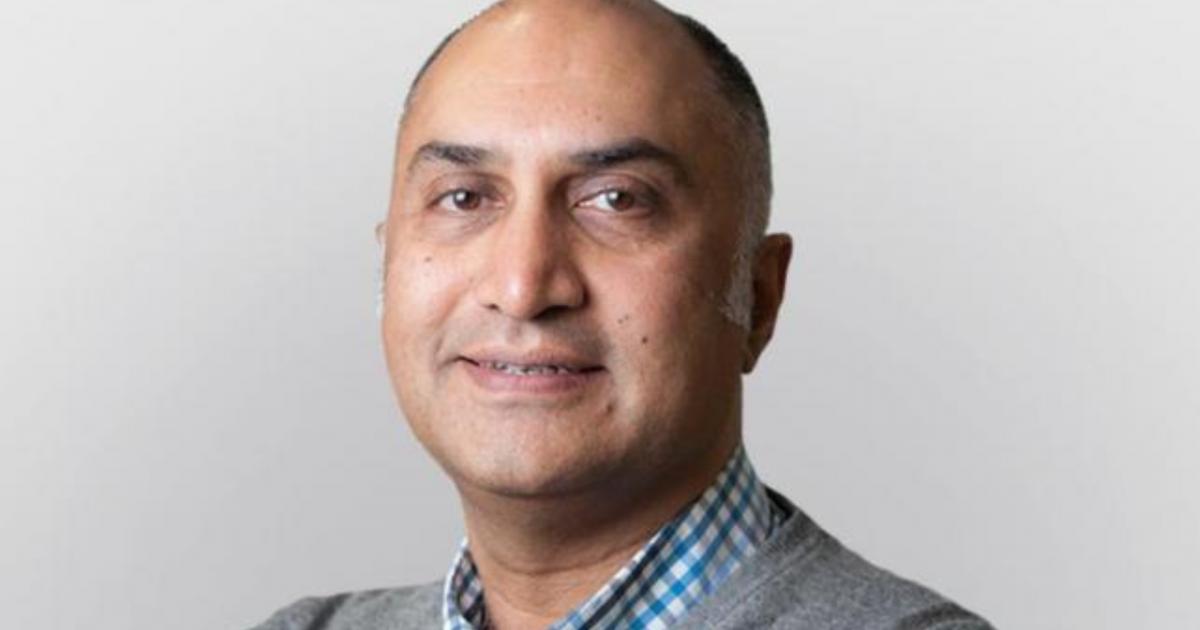
![Mr Amir Bhatti]() Mr Amir Bhatti (Image: SUPPLIED)
Mr Amir Bhatti (Image: SUPPLIED)
The case forms part of the fallout from a major investigation into the trust’s breast surgery service, launched after external reviews uncovered cases involving “missed cancers, unnecessary procedures and concerns about outdated clinical practices,” in what the report called “decade-long systemic failures”.
Mr Bhatti, who has worked for the trust since 2005, was first restricted from carrying out breast cancer surgery in February 2025 following concerns raised during the breast service investigation.
At that stage, he was still permitted to carry out general surgery and other clinical duties.
![]() Darlington Memorial Hospital (Image: SARAH CALDECOTT)
Darlington Memorial Hospital (Image: SARAH CALDECOTT)
However, the restrictions were widened in October 2025, preventing him from undertaking any clinical practice, including general surgery, outpatient work and multidisciplinary meetings.
The trust said the wider restrictions were necessary because some breast cancer patients had expressed concerns about encountering Mr Bhatti following publication of critical reports into the service.
In a letter quoted in the judgment, the trust referred to a “potential risk of psychological harm to patients who attend the Breast Service and may encounter you there”.
It also argued Mr Bhatti’s refusal to fully engage with retraining measures raised concerns about his professional judgment and insight. The trust told him, “Given the context surrounding the training plan, your refusal to engage is a serious concern.”
The High Court heard the problems within the breast service first came to light following a review by the Northern Cancer Alliance in June 2024.
![]() A County Durham and Darlington NHS Trust sign (Image: SARAH CALDECOTT)
A County Durham and Darlington NHS Trust sign (Image: SARAH CALDECOTT)
That report examined almost 700 breast surgery operations carried out by the trust and identified significant departures from national guidance and best practice.
One of the most serious incidents examined during proceedings involved a patient who underwent a Fine Needle Aspiration (FNA) test, which produced an inconclusive result.
No repeat biopsy was carried out, and the patient was later discharged before subsequently being diagnosed with metastatic breast cancer.
Following that case, the trust banned the use of FNAs within breast services and introduced retraining requirements for breast surgeons.
In court, Nicola Newbegin and Annie Davis, representing Mr Bhatti, argued the trust had acted “irrationally” and “failed to properly follow NHS disciplinary procedures”.
They also argued there was no justification for preventing him from carrying out general surgery when the concerns related to breast services.
Judge O’Neill accepted there were questions about whether the October 2025 restrictions went too far, particularly because they extended into Mr Bhatti’s general surgery work.
“It is not clear how these concerns relate to the Claimant’s general surgery,” she wrote.
However, the judge said the key issue was the trust’s later decision in January 2026 to continue the restrictions after the investigation expanded and further concerns emerged.
Those concerns included allegations involving delayed diagnoses, patient discharge decisions, complaint handling and issues connected to private treatment arrangements.
![]() The University Hospital of North Durham (Image: SARAH CALDECOTT)
The University Hospital of North Durham (Image: SARAH CALDECOTT)
The trust also relied on findings from a later governance review, which criticised aspects of the breast service and raised concerns about oversight arrangements.
In refusing the application, Judge O’Neill said the trust was entitled to take a precautionary approach while investigations remained ongoing.
“The January 2026 Decision was based on serious safety and probity concerns,” she wrote, adding that the restrictions were considered necessary “to protect the interests of patients, whatever clinical context in which the Claimant was acting”.
The judge concluded there was “no serious issue to be tried” in relation to the trust’s decision to maintain the restrictions and ruled that “the application is refused”.
Responding to the ruling, CDDFT chief executive Steve Russell said: “We note the outcome of the recent High Court proceedings relating to breast surgeon Mr Amir Bhatti, which found in the Trust’s favour.
“The restrictions were introduced by the Trust on patient safety grounds while investigations and patient reviews continue. We continue to believe this was the right action in light of the patient experiences we have heard and continue to hear through the review process.”
Mr Russell added the trust recognised the case may cause “further distress for affected patients and families” and said it remained “deeply sorry for the worry and upset caused”.
He said “significant changes” had been made within breast services over the past year and that improvements were “now leading to better outcomes for patients”.
Mr Bhatti was ordered to pay the trust’s legal costs, assessed at £47,000.
He remains employed by the trust on full pay while the wider investigation continues.
A law firm representing patients affected by the ongoing breast surgery review at CDDFT welcomed the High Court’s decision.
![]() Hayley Collinson, Hudgells (Image: Neil Holmes/Hudgells)
Hayley Collinson, Hudgells (Image: Neil Holmes/Hudgells)
Responding to the ruling, solicitor Hayley Collinson, of Hudgell Solicitors, said the judgment reflected the seriousness of the concerns still under investigation.
“For Mr Bhatti to challenge the limitations on his practice, and expect to be reinstated by the Trust when he has failed to complete a full retraining programme, is concerning and suggests a lack of appreciation of the seriousness of the issues which have resulted in the ongoing investigations,” she said.
“We are pleased to see the decision of the High Court in this case.
“We continue to be contacted by patients of the Trust, and Mr Bhatti, who either have serious concerns over their treatment, have been told their care forms part of the review, or have been told they have been harmed.”












































You must be logged in to post a comment Login