








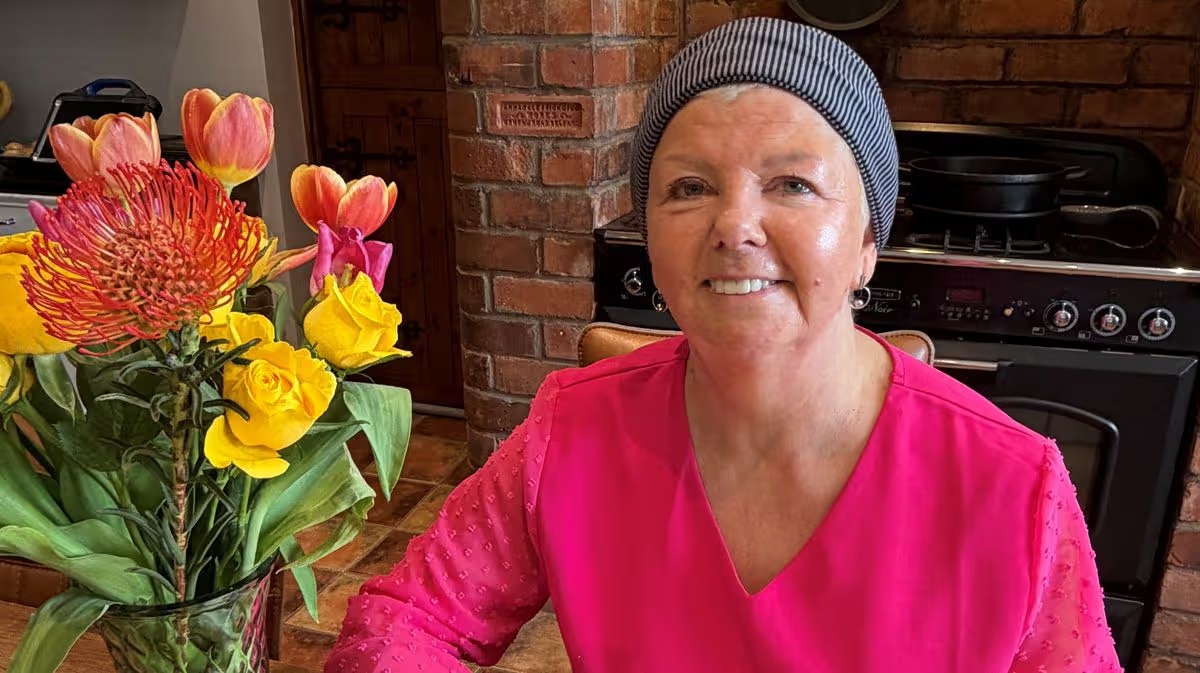
She has opened up about her brave battle to raise awareness and is now determined to help others
After months of unexplained pain and uncertainty, last May, Mel Walker received the devastating news that she had multiple myeloma.
Multiple myeloma is a blood cancer that affects plasma cells, a crucial part of the immune system. Symptoms can include persistent pain, fatigue, unexplained bruising or bleeding, frequent infections and bone damage, but they often start subtly, making the disease difficult to detect.
Diagnosis can take on average five months, longer than any other cancer. Multiple myeloma is the third most common blood cancer in the UK and Northern Ireland, with around 173 people diagnosed here each year. While it is currently incurable, it can be managed with treatment, care and ongoing support.
READ MORE: ‘My life was turned upside down after devastating diagnosis in my 40s’READ MORE: ‘Don’t be embarrassed about bowel cancer, get help before it’s too late’
Mel’s journey began with persistent shoulder pain, but looking back, other warning signs were there, fatigue, ongoing discomfort and symptoms that were not improving. By the time she received her diagnosis in May 2025, Mel, from Comber in Co Down had developed blood clots and bone damage.
Mel explained: “The diagnosis was a huge shock. Before this, I had never even heard of multiple myeloma. I had a sense of fear and uncertainty, but also a feeling of relief at finally knowing what was wrong, after months of not knowing.”
Since her diagnosis, Mel has undergone chemotherapy, ongoing treatments and a stem cell transplant: “It has been physically and emotionally challenging, but I have responded well to treatment and I am now focused on recovery and raising awareness.”
Determined to make a difference, Mel has used her experience to campaign for greater awareness of multiple myeloma, including speaking out at Stormont to highlight the need for earlier diagnosis and improved understanding of the condition.
Mel is also part of a local support group, Myeloma Forward, with groups in Belfast and Ballymena, creating a vital network for people affected by the condition.
Recognising the importance of early detection, Mel hopes her story will encourage others to pay attention to their health: “Multiple myeloma is often diagnosed late because symptoms can be vague and mistaken for other conditions. Greater awareness, both among the public and healthcare professionals can make a real difference in outcomes.”
Mel has been fortunate to have had strong support from her family, friends, medical and nursing teams, which has been vital during treatment and recovery. Through Myeloma Forward, she is now helping others access that same sense of support and understanding.
She added: “It has been incredibly valuable to connect with others who understand this journey. Myeloma Forward offers a safe space to share experiences, advice and encouragement.”
South Eastern Trust, Haematology Clinical Nurse Specialist, Emma Kerrigan highlights the importance of being aware of the signs and symptoms of myeloma and seeking prompt medical advice.
She said: “Anyone experiencing persistent bone pain, extreme tiredness, recurrent infections and unexplained weight loss should speak to their GP without delay. Recognising these symptoms early can help speed up the diagnostic process and get onto the right management pathway.”
Mel also paid tribute to the team who have supported her throughout her treatment: “I cannot thank the staff at the Ulster Hospital enough. From the very beginning, they have shown care, compassion and professionalism. They supported me through every stage of my treatment and made an incredibly difficult time that bit easier.”
Encouraging others who face a diagnosis, Mel said: “You are not alone. A multiple myeloma diagnosis can feel overwhelming, but support is available and treatments are improving all the time. Take things one step at a time, ask questions and do not be afraid to lean on others. There is a whole community ready to support you.”
For further information on Myeloma Forward, contact melwalker01@btinternet.com or myelomaforward@gmail.com.
For all the latest news, visit the Belfast Live homepage here and sign up to our daily newsletter here.














































You must be logged in to post a comment Login