Named Skate Island, the project is being built at Newcastle Racecourse using shipping containers, with the site already starting to take shape.
The pop-up rink will open to the public on April 2 and will run every Thursday to Sunday for eight weeks.
Stuart Nurse, co-director of organiser EVNT Inspirations, said: “We’ve started to put all the pieces in place to create Skate Island and to ensure it is going to be an absolutely fantastic experience.
Advertisement
“There has been nothing like this in the region before and we are looking forward to unveiling the whole site and giving people a really memorable experience.”
The attraction will feature food and drink vendors housed in containers, themed entertainment, and a packed schedule of events.
Student nights will take place every Thursday, while Friday evenings will transform into roller discos with a rotation of weekly themes including girl power, country music, karaoke, and neon raves.
Saturday mornings from 9am to noon will be dedicated to family sessions.
Advertisement
From noon onwards, the rink will host Retro Roller, an adult-only disco skate event where dressing up is encouraged.
Sundays will be open to all ages, with skating available for children and families from 9am to 9pm.
Each booking includes a 90-minute skating session and skate hire, though visitors are welcome to stay longer to enjoy the food and drink attractions.
Skate Island is the latest creation from EVNT Inspirations, the team behind popular North East events including Moosenwirt pop-up Alpine bar, Newcastle Christmas Village, Paddy Fest, and The Great British Tribute Fest.
Advertisement
Tickets start at £7.50 for family events, £10 for the student night, and £15 for Retro Roller, with all prices subject to a booking fee.
Sarah Gillis, owner of The Copper Kettle in Reeth, has seen her popular Swaledale café selected as an official stop on the 2026 MARK Bike & Brew Passport.
The initiative, run by the charity Motorbiker Acts of Random Kindness (MARK), encourages riders to visit independent biker-friendly venues while raising money for local causes.
The Copper Kettle in Reeth (Image: NORTHERN ECHO)
Out of 296 participating cafés across England and Wales, The Copper Kettle holds the distinction of being the second most northern stop on the route this year.
The scheme invites bikers to collect stamps at venues along the trail, helping to fund community projects including food banks, hospices and veterans’ support, while also promoting mental health awareness within the motorcycling community.
Advertisement
Sarah said: “Being the second most northern stop out of nearly 300 cafés is a real badge of honour for us.
“Reeth has always been a favourite for bikers, but being part of the MARK family adds a deeper purpose.
“It’s about more than just a pit stop; it’s about supporting mental health and being part of a community that looks out for one another.
Advertisement
“We’re ready to put the kettle on for everyone riding north this year.”
The café is expected to welcome an influx of visitors when the 2026 riding season officially begins on April 1, as bikers travel to tick off one of the northernmost locations on the national map.
MARK, which achieved full charity status in 2025, was founded by riders aiming to channel the biking community’s passion into acts of kindness and support.
Its Bike & Brew Passport scheme has grown into a nationwide network of cafés and “rider hubs” offering welcoming spaces for bikers to connect.
Advertisement
Funds raised through the initiative support a range of grassroots causes, while the organisation also delivers mental health first aid training and installs life-saving equipment such as defibrillators in biker-friendly venues.
Residents and visiting riders are being encouraged to stop by The Copper Kettle to see the passport scheme in action and support a business helping to put Reeth on the national charity map.
The quarterly survey of more than 100 founders across the region found that 71 per cent are optimistic about their business prospects over the next 12 months, with many reporting strong pipelines, new opportunities, and encouraging levels of demand.
In contrast, the findings also highlight significant pressures facing SMEs.
Elaine Stroud, chief executive of the Entrepreneurs’ Forum, (Image: Supplied)
Around 70 per cent of entrepreneurs cite rising costs as their biggest concern, with employment costs, including recent increases in minimum wage and National Insurance contributions, most frequently mentioned.
More broadly, nearly half of respondents say government policy and regulatory uncertainty are affecting business confidence.
Advertisement
Changes to employment legislation, taxation, and the overall regulatory environment are creating additional challenges for founders planning their next stage of growth.
Cash flow pressures appear to have eased since the previous survey (December 2025), with the proportion of entrepreneurs naming them as a key challenge falling from 33 per cent to 25 per cent, but the underlying picture remains complex.
About four in ten entrepreneurs report difficulties converting pipeline opportunities into revenue, citing slower client decision-making and payment terms that extend well beyond traditional timeframes.
Despite these challenges, the survey points to a resilient entrepreneurial community.
Advertisement
Three-quarters of respondents expect their turnover to increase over the next 12 months, and more than half anticipate expanding their workforce during the same period.
Elaine Stroud, chief executive of the Entrepreneurs’ Forum, said: “Entrepreneurs are naturally optimistic people, and that optimism really comes through in this survey.
“Many founders across the North East are seeing strong sales pipelines, new opportunities, and encouraging momentum.
“At the same time, rising employment costs and economic uncertainty are clearly creating pressure, but what stands out is the resilience of the region’s entrepreneurial community.
Advertisement
“Even in a challenging environment, founders continue to invest, adapt, and look for new opportunities.
“And that entrepreneurial energy remains a key driver of growth for the North East economy.”
The survey also highlights the growing role of technology in business operations.
More than 90 per cent of respondents say they are now using Artificial Intelligence in some form, most commonly to support productivity, data analysis, marketing, and operational efficiency.
Advertisement
The Entrepreneurs’ Forum Pulse Survey is conducted quarterly to capture the views of founders and business leaders across the North East region and provide insight into the opportunities and challenges shaping the region’s economy.
The Welsh Government funding is provided through the Cardiff Capital Region Regional Transport Fund 26/27, with the goal to make local transport more accessible for everyone and help people get around more easily.
The funding is in addition to the £603,000 set aside for the project within the council’s highways and engineering 2026/27 capital programme agreed by cabinet on March 18.
The council says that the scheme is a key part of Cardiff Capital Region’s five-year Regional Transport Plan, and that it will help to improve connectivity in the north of the Cynon Valley to support the area’s long term growth.
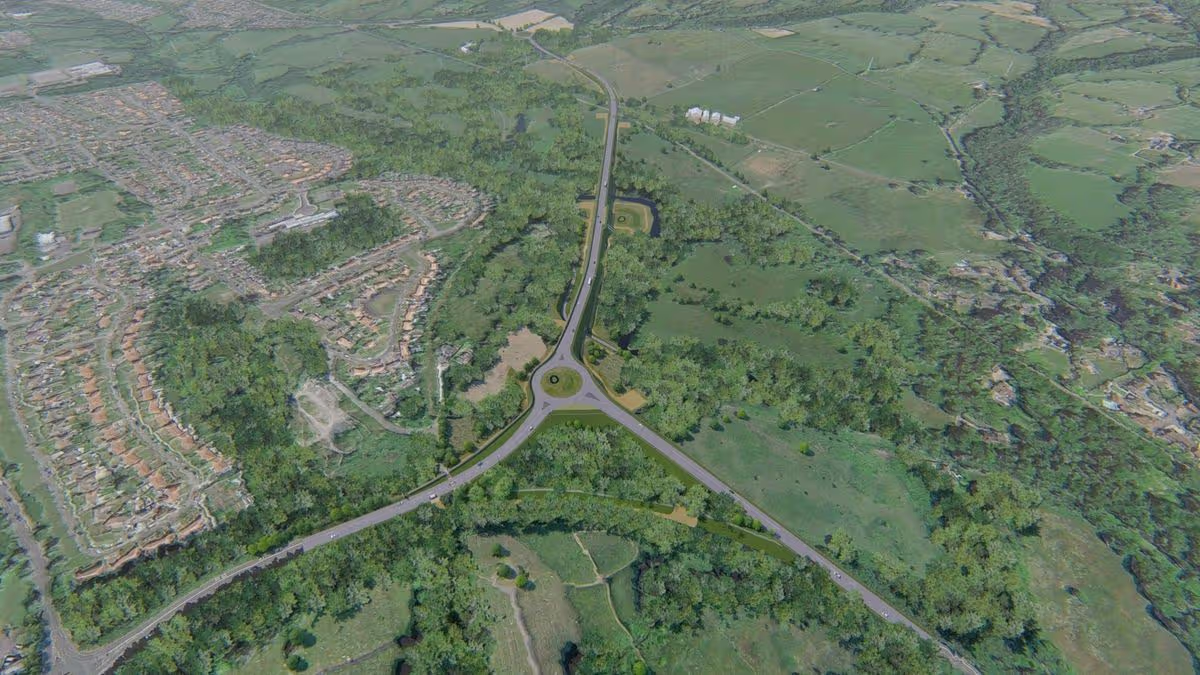
The Cynon Gateway Link Road is a 1.2km link road that will connect the A4059 Aberdare Bypass to the A465 Heads of the Valleys Road.
Advertisement
The aim is to strengthen north-south transport links between Llwydcoed and Penywaun, improve access across the area, and help ease congestion on local routes.
The scheme also forms part of wider plans to improve transport connectivity and support economic growth in the Cynon Valley.
As the council has continued to work on the scheme in recent years, AtkinsRéalis was appointed in September 2025 to support delivery of the project. For our free daily briefing on the biggest issues facing the nation sign up to the Wales Matters newsletter here.
In February 2023, the scheme was put on hold due to the Welsh Government’s roads review but in August 2024 it was announced that revised plans were being drawn up with a view to going ahead with it.
Advertisement
Councillor Andrew Morgan OBE, leader of Rhondda Cynon Taf Council and cabinet member for infrastructure and investment, said: “This is positive news for Rhondda Cynon Taf and especially for the north of the Cynon Valley.
“The Cynon Gateway Link Road is an important project that has the potential to improve connections, tackle long-standing transport challenges and support future investment in the area.
“We welcome this significant £2.01m from Welsh Government and Cardiff Capital Region, which builds on the council funding already committed to the project for 2026/27.
“It means we can continue moving this major scheme forward and keepup the momentum behind a project that is important for local communities and the wider regional economy.
Advertisement
“Over the last decade, the council has made substantial investment in highways, transport and wider infrastructure right across Rhondda Cynon Taf.
“We’ve taken a long-term approach because we know that good infrastructure matters. Whether that is maintaining roads, repairing structures, delivering flood alleviation, improving active travel, or developing major future transport schemes like this one.
“Our investment programme has grown substantially over the past decade, and that continued commitment is helping us deliver the improvements our communities need now while planning properly for the future.”
On November 14 1985, a letter announcing the discovery of a superstable species of carbon appeared in the science journal Nature. Even the letter’s title, C₆₀: Buckminsterfullerene, caused a stir among the journal’s scholarly readers.
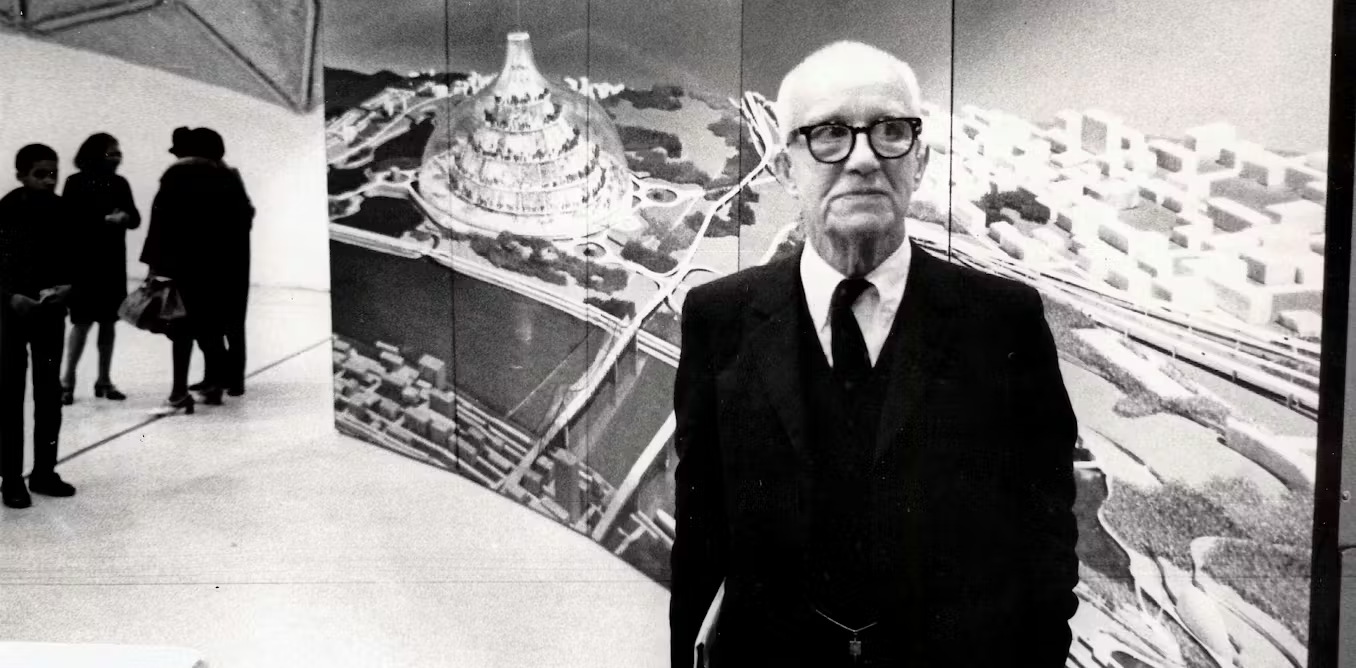
Molecules are usually named with sterile precision. This one was named after the American architect and futurist Richard Buckminster Fuller (Bucky to his friends), whose geodesic domes had become icons of modern design in the 1950s and 60s.
Fuller’s spherical domes were designed to be lightweight yet strong, with each triangular element distributing stress evenly across a curved framework. C₆₀ was the atomic analogue of these domes, built not from steel struts but carbon atoms – each joined by strong bonds with three of its neighbours to create a tiny spherical cage.
This new allotrope of carbon was so stable and symmetric that it redrew the map of molecular architecture. It kicked off a scientific sprint that led, barely a decade later, to the 1996 Nobel prize in chemistry for English scientist Harold Kroto and his American colleagues Robert Curl and Richard Smalley for their discovery.
Advertisement
Fullerenes (now nicknamed Buckyballs) had always existed on Earth – in candle soot, volcanic emissions and ancient minerals. But their scientific discovery emerged from an attempt to simulate the chemistry of carbon-rich red giant stars.
The discovery opened the era of nanotechnology – the manufacture and manipulation of materials at previously impossibly small scales. But this is not the only way Fuller’s name is remembered in science.
Buckminster Fuller holding a geodesic sphere, the structure he pioneered. Wikimedia, CC BY-NC-ND
Who was Buckminster Fuller?
Few 20th-century figures are as hard to classify as Fuller. He was, at the least, an inventor, designer, engineer, writer, philosopher and futurist. Born in Massachusetts in 1895, his formal education was brief and rather turbulent – he was expelled twice from Harvard University. Yet this did not lessen his ambition to redesign the world.
Advertisement
Fuller could be eccentric and sometimes controversial. His early enterprises frequently failed, yet his charisma and boundless optimism made him a compelling public figure. The result was a remarkable portfolio of inventions and concepts, showcasing bold prototypes and radical ideas.
His earliest geodesic domes were built from lightweight materials, typically steel tubular struts connected in a triangular lattice and clad with acrylic panels. They capitalised on the structural advantage of symmetry: enclosing a vast space with relatively little material and remaining exceptionally strong.
Fuller patented the design in 1951. Despite initial scepticism from some in the architectural establishment, geodesic domes soon found practical applications. The US Marine Corps used them for rapidly deployable radar stations in Arctic conditions.
One of the most famous examples is the giant dome built for the Expo 67 international exposition in the Canadian city of Montreal. Known today as the Montreal Biosphere, the structure became one of the most recognisable symbols of futuristic architecture in the 1960s.
Advertisement
Video: Atlas Pictures.
Alongside his designs, Fuller spent much of his life developing Synergetics, a philosophical-geometric framework exploring how structures and energies interact in nature. At the heart of this work was “ephemeralisation” — a term Fuller coined to describe the process of achieving ever greater results with fewer materials and less energy.
In later life, he became a global intellectual celebrity, delivering thousands of lectures around the world. Fuller captivated audiences with a unique vision of design, technology and planetary stewardship — once delivering a marathon series of lectures entitled “Everything I know”. It ran for 42 hours.
The power of symmetry
Symmetry is among science’s most powerful unifying codes and one of its most versatile interpretive tools. It reveals surprising equivalences between forms that differ in size but not in structure.
Advertisement
In the 1960s, footballs adopted a similar geometry to Fuller’s geodesic dome: a combination of 12 pentagons and 20 hexagons stitched into a resilient mesh to absorb force and rolls with minimal deformation. Indeed, a diagram of a football was used to illustrate the announcement of C₆₀: Buckminsterfullerene.
This series is dedicated to lesser-known, highly influential scientists who have had a powerful influence on the careers and research paths of many others, including the authors of these articles.
A growing family of atom-thin, superstrong materials has emerged since that 1985 Nature letter. These include the tiny-in-diameter but much longer carbon nanotubes in 1991, and the one-atom thick graphene in 2004 – both of which are now widely used in electronics, sensors, composites and energy devices.
When added to polymer composites or metal alloys, these tiny carbon cages strengthen and lighten materials, enhancing performance in everything from aircraft components and solar panels to medical tools including MRI scanners.
Advertisement
Doing more with less
The structure of fullerenes naturally realises Fuller’s principle of ephemeralisation – the ability to do more and more with less and less.
Fuller imagined technological progress as a path toward efficiency, elegance, sustainability and abundance. He applied ephemeralisation across his designs, harnessing science and geometry to achieve maximum performance with minimal resources.
Video: The Wall Street Journal.
Beyond geodesic domes, his innovations included the Dymaxion House – a prefabricated, environmentally efficient home designed for easy mass production and transport – and the Dymaxion Car. Patented in 1933, its streamlined aerodynamic bodywork was designed to carry more passengers while improving both fuel efficiency and top speed.
Advertisement
Fuller also imagined radical solutions for extreme environments. These included the Undersea Island – a submerged base anchored by crisscrossing cables to stay rock steady in storms – and the suspension building system, which inverted the idea of a suspension bridge into an arched dome that created vast interior space with minimal material.
Fuller died in 1983 after a lifetime spent redesigning the world – and reimagining how humanity might live. Two years later, chemistry paid him an unexpected tribute: a perfectly symmetrical carbon molecule was named after him, recognising his lifelong dedication to geometrical efficiency.
In the nanosized Buckyball, Fuller’s aspirational social ideas are encapsulated in a molecule that embodies minimalism, efficiency and intelligent design.
Most of the 9 million pensioner households due the 2025/26 Winter Fuel Payment have received the lump sum
Linda Howard Money and Consumer Writer
21:00, 24 Mar 2026
The Department for Work and Pensions (DWP) recently confirmed that the majority of the 9 million pensioner households due the 2025/26 Winter Fuel Payment received the lump sum of £100, £200, or £300 before the automatic payment window closed on January 28.
Nearly 90,000 individuals over 66 in Scotland should also have received their Pension Age Winter Heating Payment from Social Security Scotland by the end of February.
Advertisement
However, according to UK Government guidance, there are two specific groups of people who may need to claim the Winter Fuel Payment. It’s crucial to note this can only be done by post or over the phone before March 31, 2026.
Only pensioners born before September 22, 1959 with an income at or below £35,000 should have received an automatic Winter Fuel Payment from the DWP.
DWP guidance explains if pensioners “do not get a letter or the money has not been paid into your account by 28 January 2026, contact the Winter Fuel Payment Centre” as you may need to claim, reports the Daily Record.
The money should have appeared in bank accounts – where the State Pension or benefits are usually paid – with the payment reference starting with the National Insurance number followed by ‘DWP WFP.’
Advertisement
Pensioners are urged to double check their bank statements for this reference number before contacting the Winter Fuel Payment Centre on 0800 731 0160.
“All the while, all we are really doing is watching construction inflation drive this further and further away from us”
The Chief Executive of Belfast Council has criticised a Stormont decision to put the brakes on a plan for a new bridge in South Belfast as “making no sense.”
Advertisement
The top official at City Hall made the comments during a committee meeting in which elected members agreed to demand that the Stormont Department for Infrastructure press ahead with the new Ormeau Bridge, which locals have been waiting on for over 10 years.
Members and officials were discussing the Belfast City Region Deal during the March meeting of the council’s important Strategic Policy and Resources Committee, when SDLP Councillor Séamas de Faoite successfully proposed the council writes to Stormont urging to end delay on the Lagan pedestrian and cycling bridge. All parties in the chamber supported the proposal.
The Stormont Department for Infrastructure has put all major infrastructure projects on hold while legal proceedings on the A5 case continue. While the Sinn Féin Minister Liz Kimmins says all infrastructure projects “remain live” some have said the lack of a timetable could mean projects, including the Ormeau Bridge have been effectively kicked into the long grass.
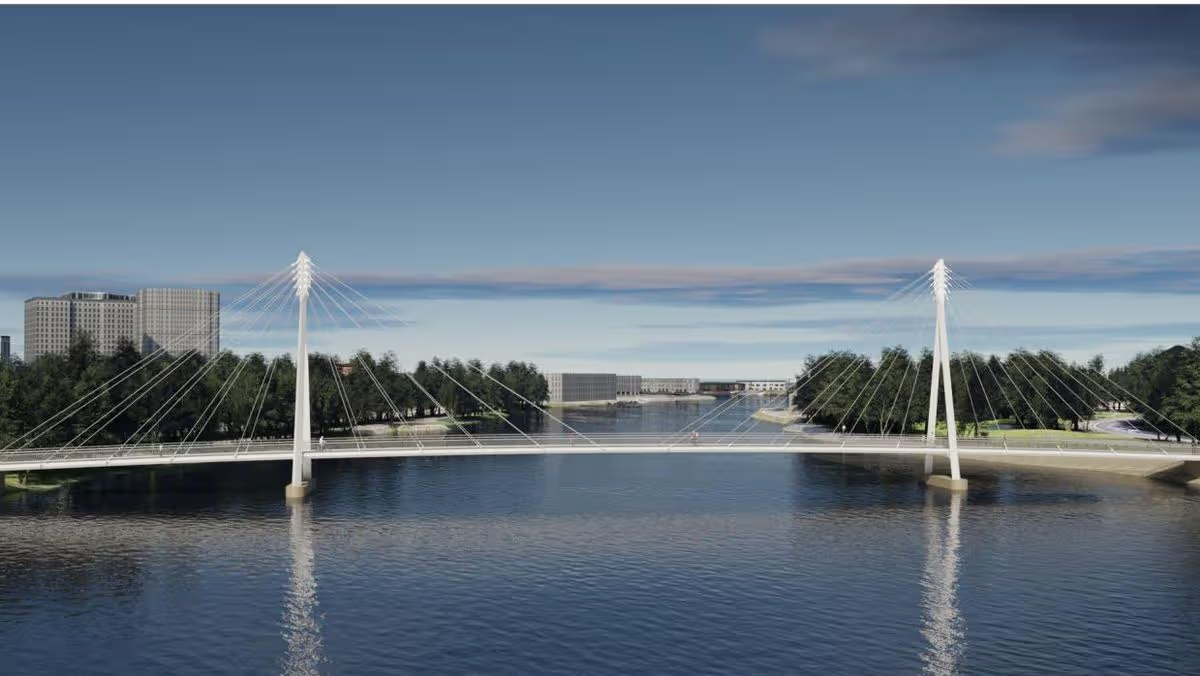
The DfI website states: “The Lagan Pedestrian and Cycle Bridge will be a twin-pylon cable-stayed steel bridge spanning 143 metres across the River Lagan from the Lagan Towpath at the Gasworks site to the Ormeau Embankment, close to the ‘Ozone’ indoor tennis centre and leisure complex.”
It adds: “The width of the bridge, at 5 metres, will accommodate both pedestrians and cyclists and improve linkages between communities from both sides of the River Lagan. It will also improve transport linkages to the city centre for pedestrians and cyclists and accessibility to leisure facilities and parks for local communities and commuters.”
Councillor de Faoite said at the Belfast Council meeting: “For some strange reason the Department for Infrastructure has decided that the A5 judgement means that a walking, wheeling, cycling project has to be reviewed in relation to the Climate Change Act. It baffles and bemuses me that they have decided to put on hold an active travel infrastructure piece, which the local community wants, and which has been delayed for around 10 years because of the amount of faffing around with the Executive and Assembly being down. We want to see movement on this as soon as possible.”
Advertisement
He successfully proposed writing to the Department for Infrastructure Minister expressing the council’s “deep frustration” that the bridge project, and also the North/South Glider project, had “ground to a halt”. He said the council would ask for “clarity” on the Lagan pedestrian and cycling bridge, and would urge the Minister to progress the project immediately.
Green Party Councillor Brian Smyth said at the meeting: “In terms of the A5 court case, I think it is really disingenuous how this debate is being shaped, and (what the reason is) for the hold up. It is not about climate versus roads, it is the Department versus competency.
“This is a department that is unaccountable and has been highly dysfunctional for years. It is not a new thing.” He said “a handful of civil servants are calling the shots, to the detriment of everybody across Northern Ireland.”
Chief Executive John Walsh said at the meeting: “As recently as yesterday I was highly critical of this decision, with DfI representatives in the room. It actually makes no sense whatsoever: a, there is no perception of any legal challenge, b, it is a cycling and pedestrian bridge. What part of that do they not get? The A5 climate aspect is not going to come into it, in terms of the construction at this site, to any extent whatsoever.
Advertisement
“All the while, all we are really doing is watching construction inflation drive this further and further away from us. That is my concern, and I have raised that very forcibly.”
Last month in Assembly Questions Minister Kimmins was asked to detail any projects which are now being held back as a result of the A5 Western Transport Corridor scheme appeal. The Northern Ireland Court of Appeal is currently reviewing a decision by the High Court last year that quashed approval for the £1.7bn A5 road upgrade. The Department for Infrastructure is seeking to overturn the High Court decision.
Ms Kimmins said: “The outcome of this appeal will have far-reaching implications for all major infrastructure projects pursued by departments across the North. To safeguard my Department’s limited resources, I am carefully considering how to advance other infrastructure schemes in line with the outcome of the A5 judgment.
“To preserve the progress already made, I have ensured these schemes can remain live until the final judgment is delivered through the extension of the tender validity periods for both the A4 Enniskillen Bypass and the Lagan and Pedestrian Cycle Bridge. My officials are also preparing options for my consideration to protect the A1 Junctions Phase 2 project.
Advertisement
“My priority remains the delivery of these vital infrastructure projects, and I am committed to protecting the progress of these schemes as much as possible while the legal process continues.”
Two pilots were killed and several passengers and crew were injured when an Air Canada plane collided with a fire truck at New York’s LaGuardia airport.
BBC Verify has been using air-traffic-control audio and flight-tracking data to piece together what happened on the runway on 22 March – as Jake Horton explains.
Produced by Aisha Sembhi. Graphics by Mesut Ersoz. Verification by Daniele Palumbo.
“It means that in future, everyone, including families with young children and prams, people with disabilities, and older visitors will be able to experience everything the zoo has to offer through a fully accessible hop-on, hop-off service.”
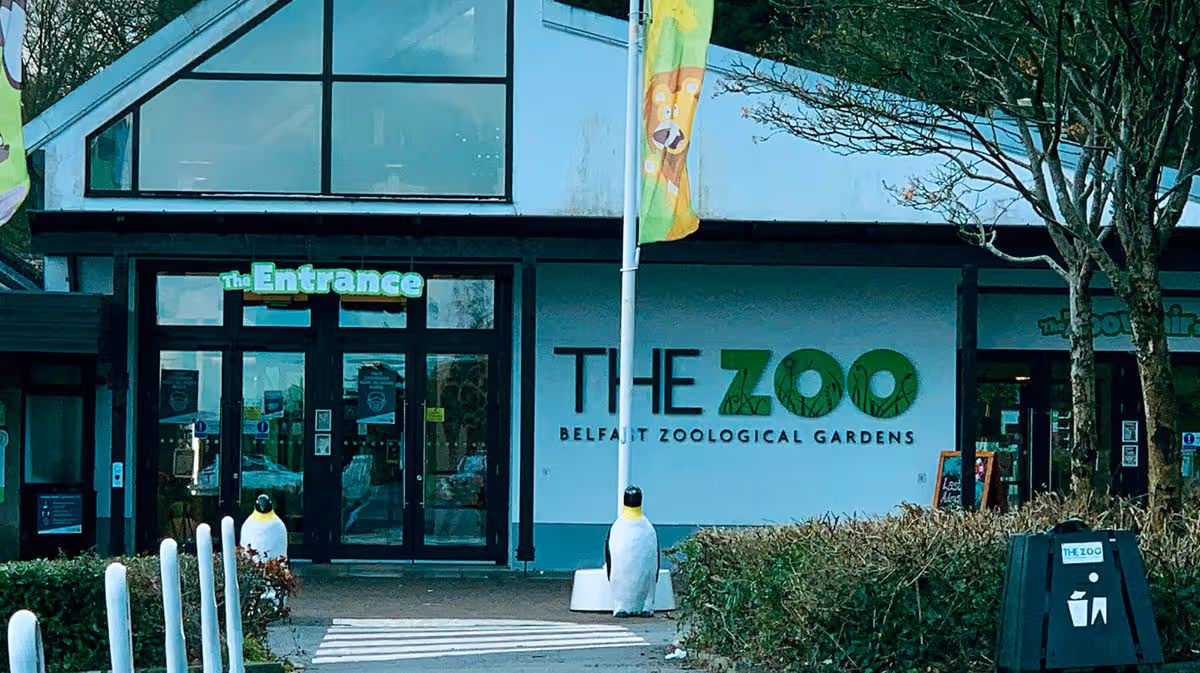
Belfast Zoo is set to get a new accessible hop-on, hop-off train in a £75,000 investment.
Advertisement
The new train is set to be available for all. SDLP North Belfast Councillor Carl Whyte described the investment as “an important step in making the attraction more inclusive for visitors”.
Councillor Carl Whyte said: “For years, people have quite rightly pointed out that the steep nature of Belfast Zoo can make it difficult to fully enjoy.
“This investment is a really important step forward. It means that in future, everyone, including families with young children and prams, people with disabilities, and older visitors will be able to experience everything the zoo has to offer through a fully accessible hop-on, hop-off service.
“With the worst of the winter weather behind us, now is a brilliant time to visit Belfast Zoo. It’s home to a wide range of endangered species, all cared for by highly trained animal experts who are doing vital conservation work every day.
Advertisement
“This new addition will help ensure that even more people can enjoy and support that work.”
The Richmond Artisan Market, curated by Little Bird Made, launched its first event of 2026 on Sunday March 22 at Richmond marketplace, with stallholders and visitors turning out in force to support small businesses and to celebrate Yorkshire craftsmanship.
Mayor of Richmond Councillor Carl Tate attended the event, spending the morning visiting stalls, meeting traders, and discussing the economic importance of supporting independent artisans.
The Richmond Artisan Market has returned to Richmond, North Yorkshire, launching its first 2026 event on March 22 and drawing strong support for local businesses and Yorkshire craftsmanship (Image: Supplied)
Jackie Crozier, managing director of Little Bird Made, said: “We are absolutely delighted to be back in the heart of Richmond.
“The energy from the local community today reminded us exactly why we love this town.
Advertisement
“It was a particular honour to welcome the Mayor, Cllr Carl Tate.
Richmond Mayor Councillor Carl Tate with stall holders (Image: Supplied)
“As someone who is passionate about the survival of our high streets and small businesses, we truly appreciate him taking the time to speak with our artisans.”
Cllr Tate praised the creativity and spirit on display at the event.
He said: “It was a real pleasure to see our first artisan market of 2026 bring so many people together in the heart of Richmond.
Advertisement
The Richmond Artisan Market has returned to Richmond (Image: Supplied)
“The quality, enthusiasm, creativity and talent of the traders on display was impressive.
“Events like this not only support independent businesses but also reinforce the vibrant spirit that makes our town special.”
Karen Bushell, owner of Love Sewing, said: “It was lovely to see the Mayor of Richmond taking the time to visit small, local, independent artisan businesses at the artisan market.
“We really appreciated him taking the time to welcome us all back after the winter break and spending time chatting with the traders today.”
Advertisement
The Richmond Artisan Market has returned to Richmond (Image: Supplied)
Heather Cumpstone, owner of Kefi Ropemakers, said: “Being a Richmond-based small business, it was lovely for us to meet the Mayor of Richmond, Cllr Carl Tate in our home town at the Little Bird Artisan Market.
“We love how he champions small local businesses and look forward to him supporting small local businesses in the future.”
The Richmond Artisan Market will return on Sunday, April 26, from 10am.
For more information or to book a stall, visit www.littlebirdmade.com or email info@littlebirdmade.co.uk.
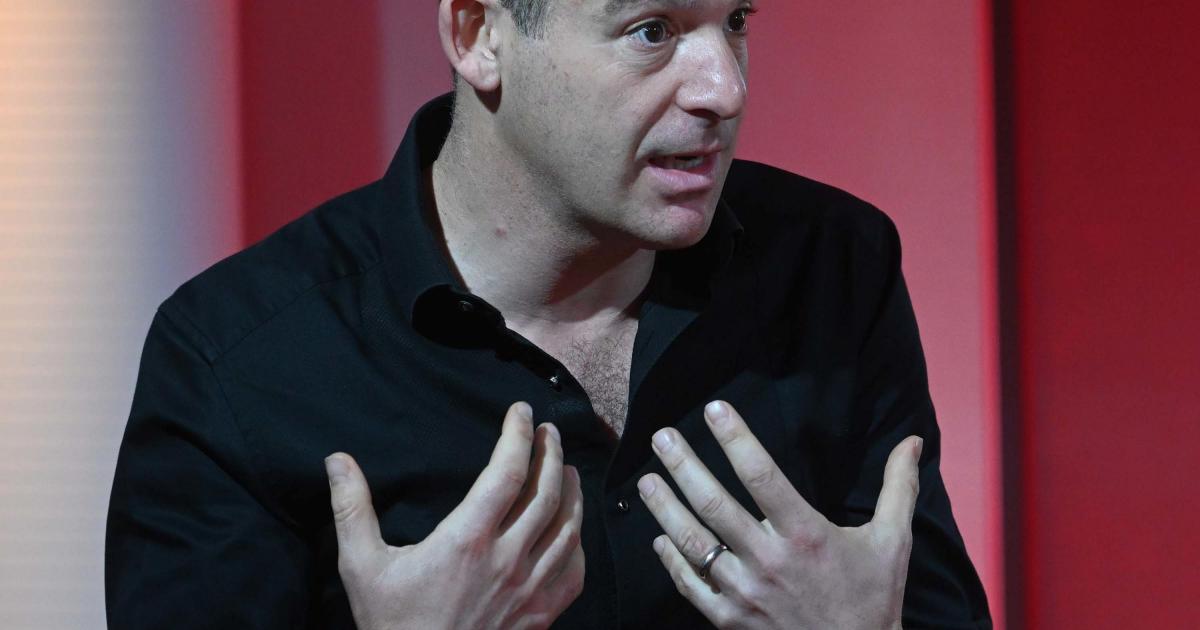
Speaking about everyday frustrations faced by consumers on his Martin Lewis podcast, the Money Saving Expert founder highlighted the stark difference between joining and leaving services such as broadband, subscriptions and utilities.
“I can set up broadband in five minutes,” said one caller. “Yet to cancel, I have to spend an hour waiting on the phone, being passed between teams and pressured to stay.”
He added that sales teams often answer quickly, while cancellation departments can leave customers waiting far longer – something he believes should be addressed by regulation.
Advertisement
“My view has always been quite simple,” Lewis replied. “I should get out of something the same way I got into it.
“If I signed up online, I should be able to cancel online. If I called, I should be able to call.”
The issue is particularly important for vulnerable consumers, including older people and those with mental health challenges, who may struggle with complex or drawn-out cancellation processes.
The good news for consumers is that change could be on the way. Under the Digital Markets, Competition and Consumers Act, companies may soon be required to ensure customers do not have to put more effort into cancelling a subscription than they did to sign up.
Advertisement
The proposed rules would mean:
Customers can cancel using the same method they signed up with
Only one contact may be required to end a subscription
Firms must simplify and streamline exit processes
However, while the law has been passed, the detailed rules needed to enforce it are still being developed.
Recommended reading:
The government must introduce secondary legislation before the changes come into force.
Originally expected earlier this year, the timeline has now shifted, with final rules likely to be confirmed later in 2026 following a consultation process.
Advertisement
Until then, Lewis says consumers should remain cautious — and be aware that, for now, cancelling some services may still take far longer than signing up.


















































You must be logged in to post a comment Login