NewsBeat
Middle East conflict: AA warns of fuel price rise after US and Israeli strikes on Iran

Drivers are anticipating hiked petrol prices following the eruption of conflict in the Middle East after the US and Israel carried out strikes across lran.
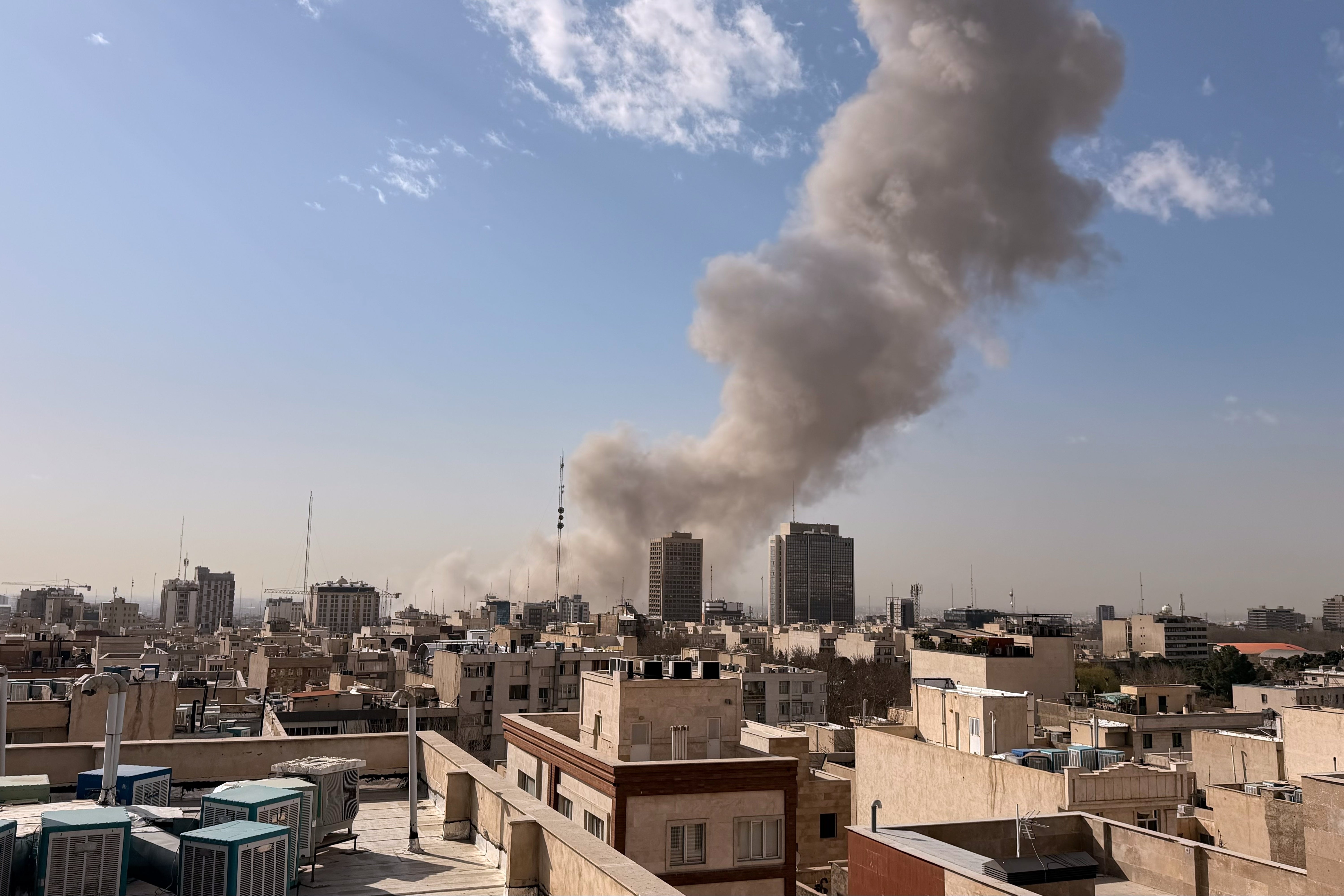
The attacks, along with retaliatory strikes by Iranian forces have seen targets in the UAE, Qatar, Bahrain, Jordan and Iraq hit, have prompted several oil companies to suspend the shipments of crude oil through the Strait of Hormuz.
Edmund King, president of the AA, has now warned that the bombing across the Middle East will cause significant disruption to the oil trade.
“The turmoil and bombing across the Middle East will surely be a catalyst to disrupt oil distribution globally, which will inevitably lead to price hikes,” Mr King told The Times.

“So drivers beware, within the next 10 to 12 days we could be seeing record prices at the pumps.”
Oil prices are expected to surge when the New York Futures market opens at 11pm on Sunday, with crucial shipping lanes affected by the joint US-Israeli assault, which Iranian media reports has killed at least 201 people so far.
Several oil companies and tanker owners have suspended crude oil, fuel and liquefied natural gas shipments via the Strait of Hormuz following the eruption of conflict in the region, trading sources earlier told Reuters news agency.
The strait is the world’s most vital oil export route, which connects the biggest Gulf oil producers, such as Saudia Arabia, Iran, Iraq, and the United Arab Emirates, with the Gulf of Oman and the Arabian Sea.
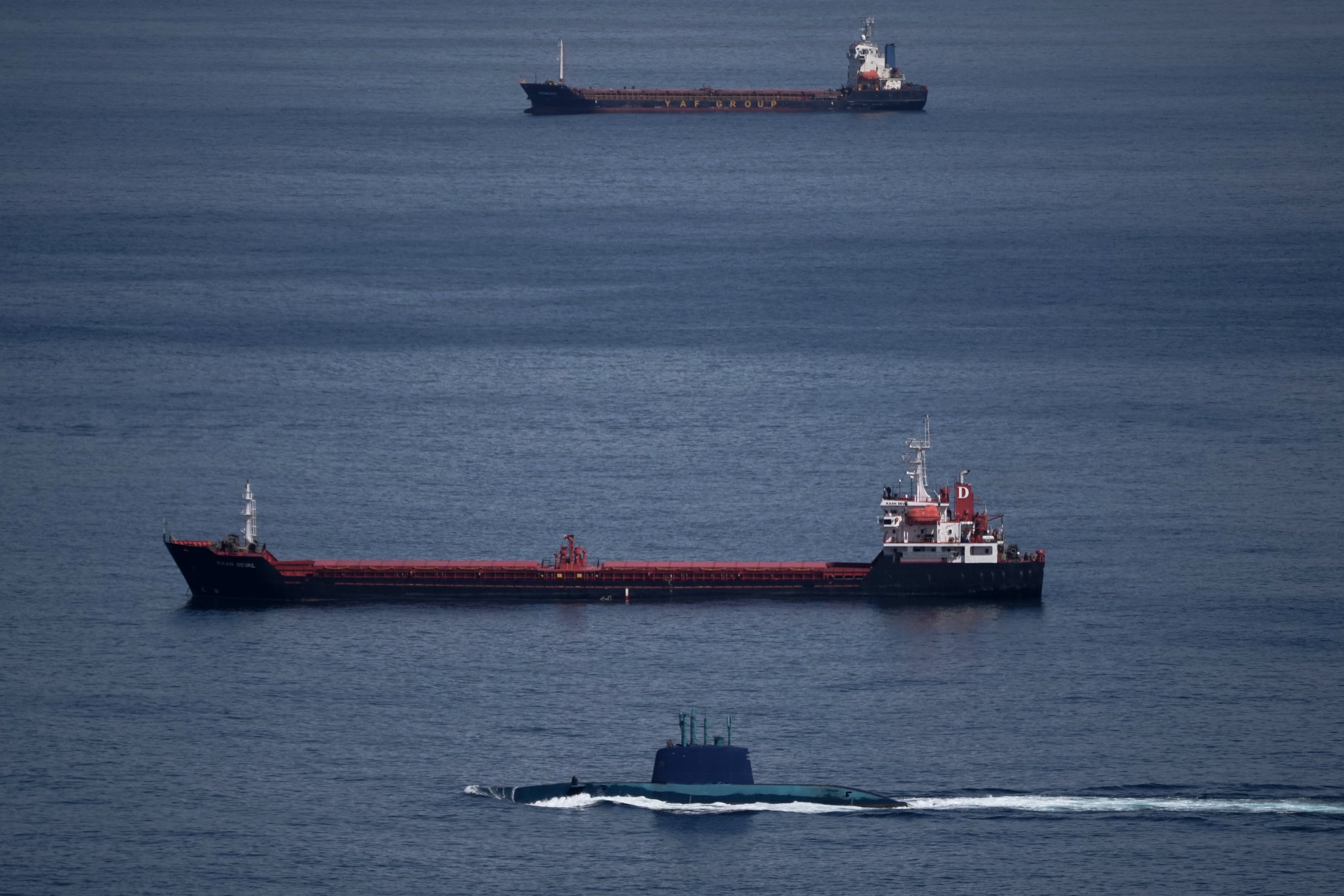
“Our ships will stay put for several days,” one top executive at a major trading desk said. Satellite images from tanker trackers showed vessels piling up next to big ports, such as Fujairah in the United Arab Emirates, and not moving through Hormuz.
Multiple vessels in the area have received VHF transmission from Iran’s Revolutionary Guards that “no ship is allowed to pass the Strait of Hormuz”, an official with the EU naval mission Aspides told Reuters.
The UK Navy said Iran’s orders were not legally binding and advised vessels to transit with caution.
An official from the European Union’s naval mission Aspides had earlier said that Iran’s Revolutionary Guards were warning that “no ship is allowed to pass the Strait of Hormuz”.
Iran has not formally confirmed any such order. About 20 per cent of global oil and gas flows through this narrow shipping lane in the Gulf, and blocking it could have serious consequences for the global economy.
You must be logged in to post a comment Login