NewsBeat
Ministers may scrap fuel duty hike if Middle East war drags on, Ed Miliband suggests

The government is looking at scrapping a planned fuel duty hike in response to the rising energy prices caused by the war in the Middle East, the energy secretary has suggested.
Ed Miliband said he is “sending a clear message” that the government is “going to stand by people in this crisis” amid growing pressure on the government to protect consumers amid spiralling costs.
Fuel duty is currently frozen to help drivers with the cost of living, but that is due to end in the autumn. Chancellor Rachel Reeves has so far resisted calls to cancel the planned hike in response to the oil price spike caused by Donald Trump’s war on Iran.
Asked whether plans to end the 16-year fuel duty freeze in September would be reversed because of spiking oil prices, he said: “Let me answer that by saying this, which is, I’ll be candid with you, we don’t know how long this conflict is going to go on and therefore, with five months to go until September, we will have to see where we are, obviously.”

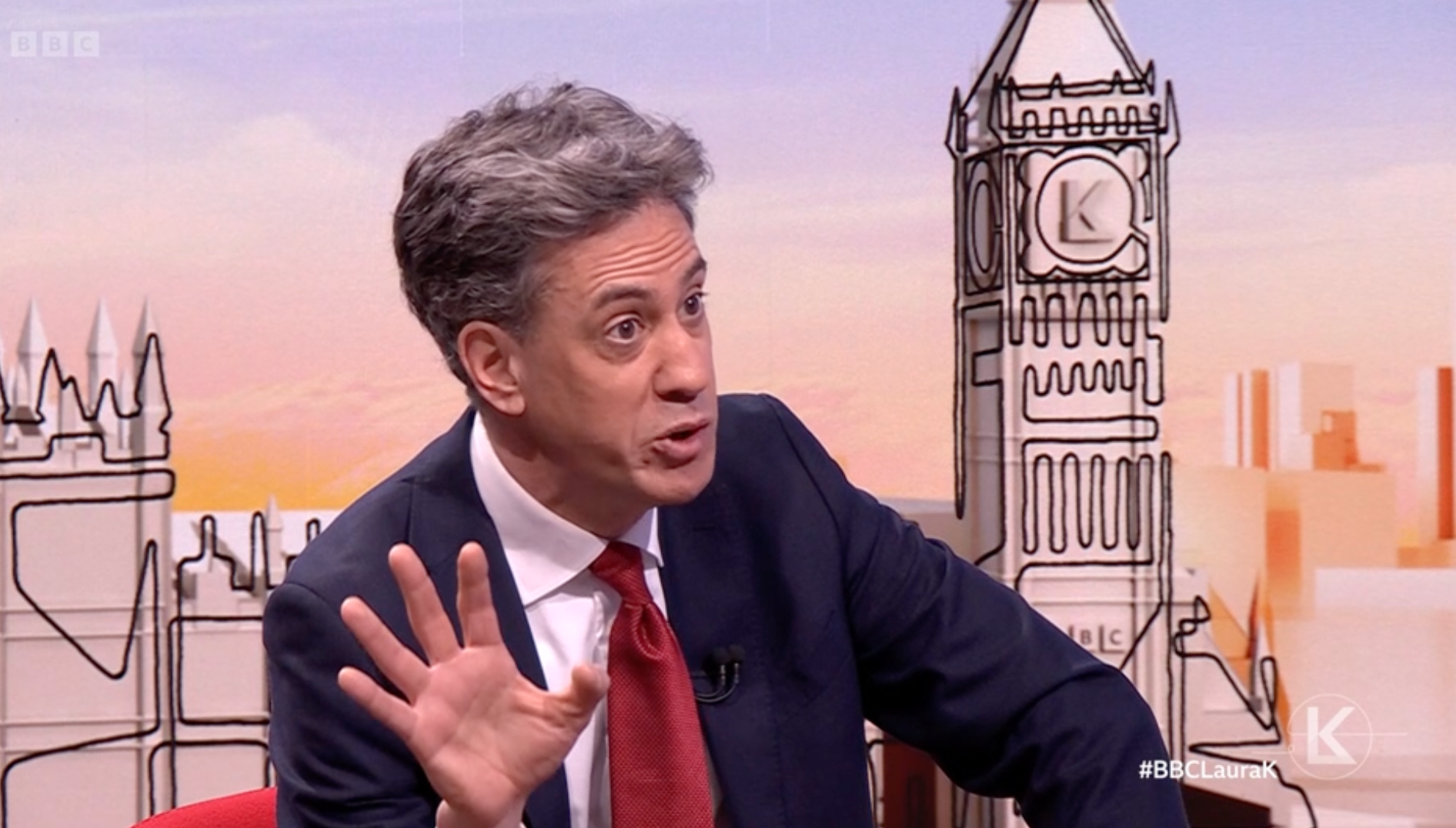
He then spoke of the chancellor’s actions to reduce energy bills, before adding: “We will stand by the British people in this in this crisis, and we’ll do what it takes to do that.”
Pressed again whether this meant keeping the fuel duty freeze in place, Mr Miliband said: “You’re asking me to sort of speculate on what the chancellor is going to do on fuel duty… but look, I am sending a clear message, which is we are going to stand by people in this crisis.”
It comes as fears over a cost of living crisis similar to what happened in 2022 as a result of Russia’s invasion of Ukraine have been heightened by the price of oil rising more than 20 per cent to above $100 a barrel and gas more than 50 per cent.
The RAC’s head of policy said last week that diesel prices have already risen by nearly 9 per cent since 28 February. Meanwhile, petrol prices are on average 6 per cent more across the same period, RAC Fuel Watch said.
Chancellor Rachel Reeves has previously insisted that the rise would go ahead in September. But ministers have since softened their stance, with prime minister Sir Keir Starmer last week telling MPs that the planned 5p increase would be “kept under review” before it is due to come into force in September.

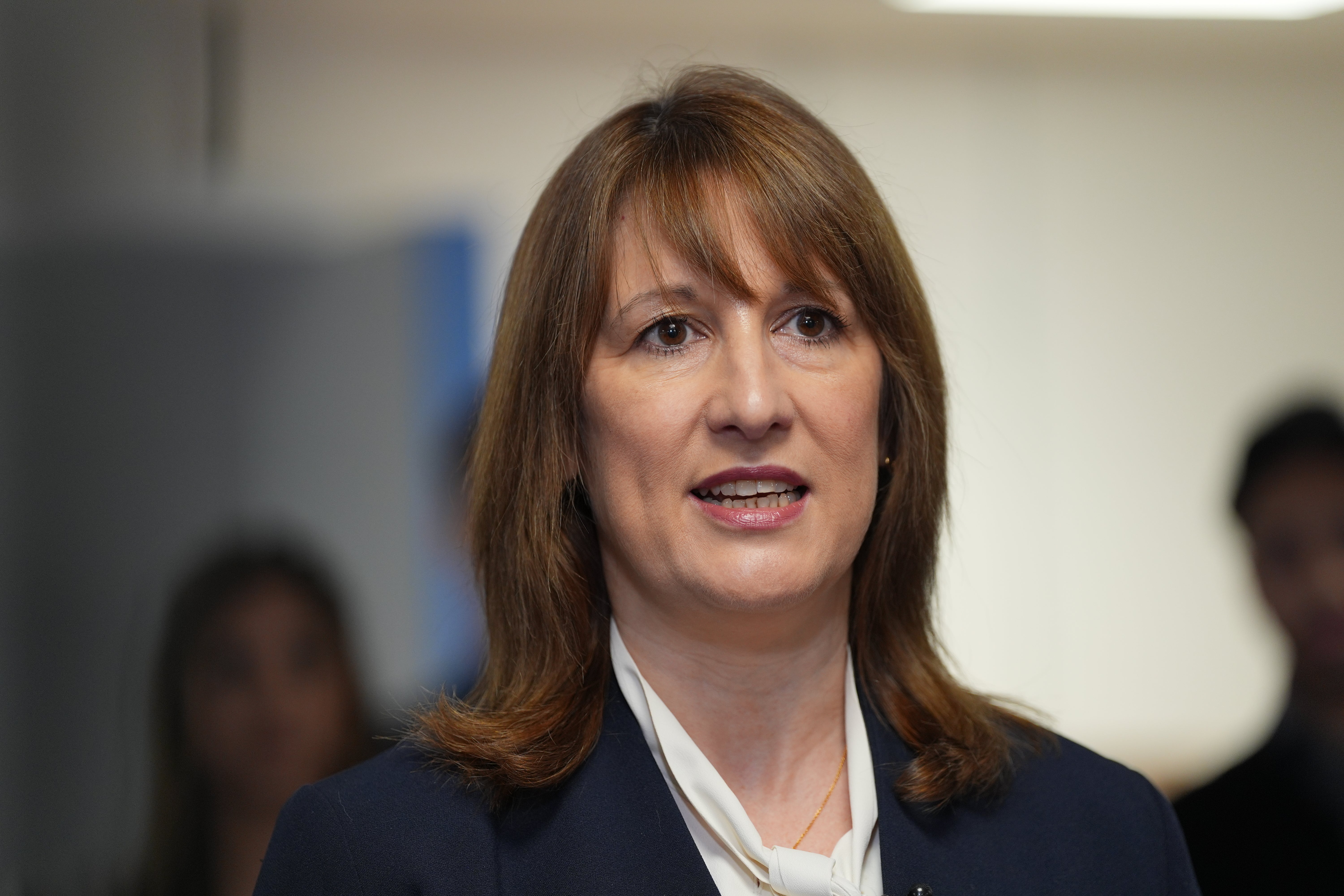
Ms Reeves has also indicated that targeted support could be offered to households struggling with soaring energy bills as a result of the Middle East crisis.
The chancellor said she would give support “to those who really need it”, with a package of help for people who rely on heating oil – which is not covered by the energy price cap – expected next week.
Gas and electricity bills are covered by regulator Ofgem’s price cap which is fixed until June, but if the conflict continues and Iran maintains its stranglehold on shipping in the Strait of Hormuz, then, households could face dramatic hikes at that point.
But about 1.5 million households relying on heating oil already face soaring costs, with the price per litre doubling since the start of the crisis.
It comes after Ms Reeves and Mr Miliband met with petrol industry representatives to warn against profiteering during the Iran war, with the latter saying that the government would not tolerate “unfair practices”.
“It is our obligation as the government to ensure the consumers are treated fairly in this crisis”, he said.
Ahead of the talks, the chancellor wrote to the Competition and Markets Authority (CMA), asking it to stay on “high alert” for “unjustifiable” price hikes, and insisted she would “not tolerate” firms exploiting uncertainty in the Middle East for financial gain, as concerns grow over the impact of the war on the cost of living.
But the Petrol Retailers Association (PRA), which represents large and small independent petrol retailers across the UK, hit out at ministers’ suggestions that there had been “rip-off” pricing and “profiteering” by fuel providers, accusing them of “incorrect and inflammatory language”.