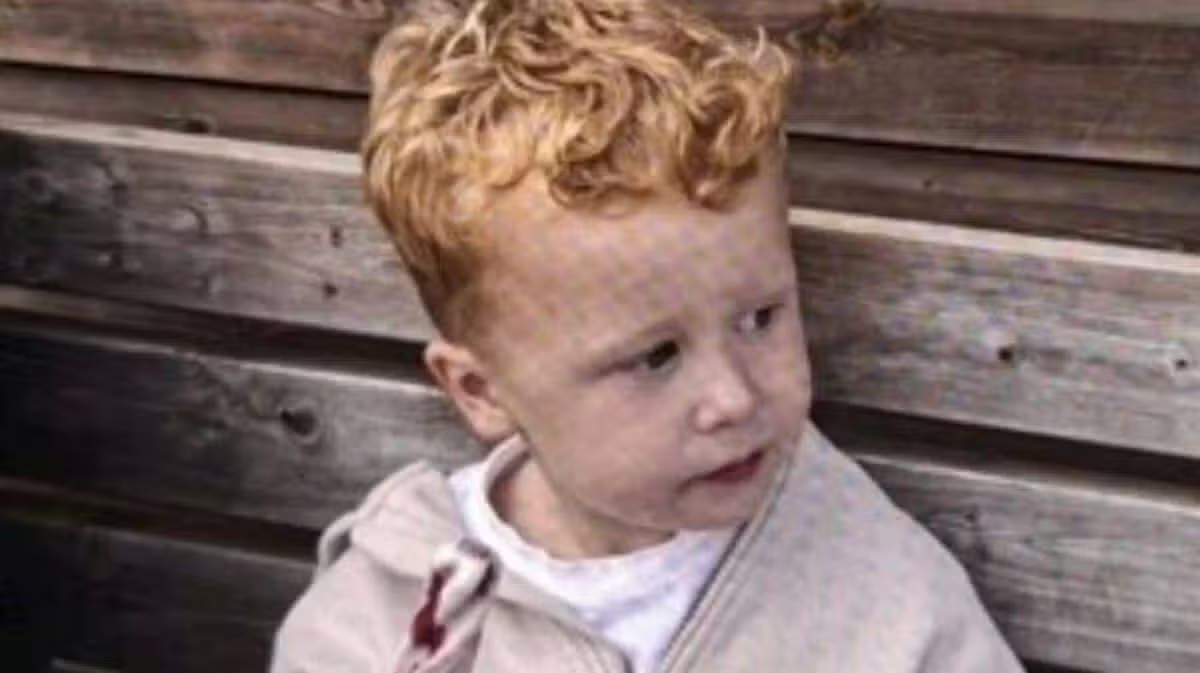
Noah, aged three, was last seen at 3pm on Tuesday, Suffolk Police said, when he became separated from a relative after visiting the playground in Merriam Close in Brantham, near Manningtree
Kirstie McCrum and Ellie Crabbe
22:22, 15 Sep 2026Updated 22:49, 15 Sep 2026
A massive search operation has been launched for a young boy named Noah, with police urging local residents to check their gardens, sheds and outbuildings. The non-verbal autistic youngster went missing after a trip to a playground, with Suffolk Police confirming he was last spotted at 3pm on Tuesday, when he became separated from a relative at the playground in Merriam Close in Brantham, near Manningtree.
The force confirmed the three-year-old is autistic, non-verbal and has partial hearing loss.
Advertisement
A Coastguard helicopter was observed circling the village, which sits close to the estuary of the River Stour.
Officers said Noah is believed to have bolted down an alleyway beside the playground towards a nearby new-build housing estate. The three year old is white with curly ginger hair and was last seen wearing a white T-shirt featuring TV character Bluey, shorts and white trainers.
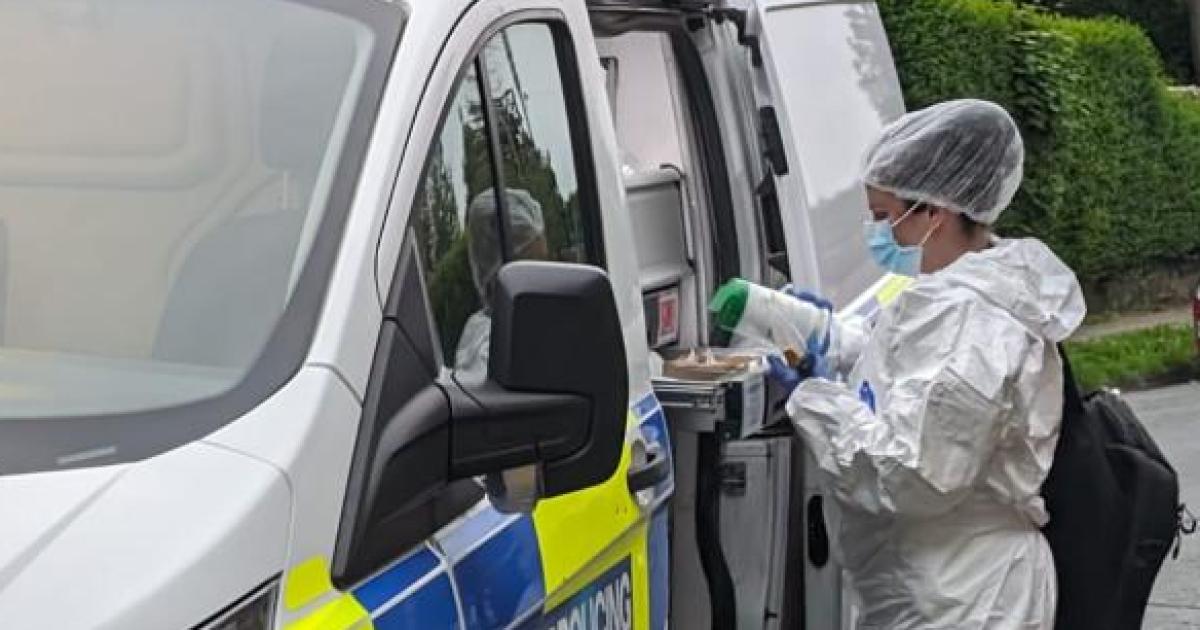
A Suffolk Constabulary spokesperson said: “Emergency services are currently in Brantham conducting searches. Residents in the area are asked to check their gardens, sheds and outbuildings.”
Advertisement
The BBC reported that more than 100 people had joined the search effort on Tuesday evening, reports Essex Live.
An HM Coastguard spokesperson said: “We are assisting Suffolk Constabulary with an incident at Brantham by sending an HM Coastguard helicopter and Coastguard Rescue Teams from Felixstowe and Holbrook.”
Anyone who believes they may have seen Noah is urged to get in touch with Suffolk Police, quoting CAD 203 of September 15.
Ensure our latest stories always appear at the top of your Google Search by making us a Preferred Source. Click here to activate or add us as your Preferred Source in your Google search settings.
Without the world reducing climate-warming emissions, most of which come from burning fossil fuels for power, homes, transport and industry, to net zero, global temperatures will continue to rise with worsening impacts including extreme heatwaves, floods, drought and rising seas.
It is tempting to tell a tidy story in which people in Britain take too many pills because they exercise too little and eat too poorly, while Danes stay slim by cycling everywhere. The assumption is that Britain relies on medication to fix lifestyle failures, whereas Denmark relies on prevention.
But are Britons actually more medicine-dependent than the Danes? The honest answer is yes and no.
When it comes to the more routine maintenance of getting older – managing the physical wear and tear of the body – the two countries prescribe in remarkably similar volumes.
But where pills are sought to compensate for what society has failed to provide, Britain reaches for the prescription pad far more readily. And, crucially, the heaviest of that prescribing is concentrated in the UK’s most deprived communities.
Advertisement
Health Gap / Sundhedskløften is a collaborative series from The Conversation UK and Denmark’s Videnskab.dk exploring what the two countries can learn from each other when it comes to health and wellbeing.
From cycling and alcohol to inequality, healthcare and everyday habits, the series looks beyond hospitals and medical treatment to explore how culture, politics and society shape the way people live – and how healthy they are.
Take heart disease. Around 13% of the Danish population are prescribed statins to lower cardiovascular risk. In the UK, the figure is nearly identical: the British Heart Foundation estimates 14 to 15% of adults take them.
This pattern holds for polypharmacy (taking multiple drugs regularly), too. Around half of all Danes aged 75 and over take five or more medicines a week; in England, the figure for the same age group is 51%.
So, a retired Dane and a retired Brit are taking roughly the same number of pills for chronic health conditions. Does this undermine the idea that Denmark prevents disease through lifestyle while Britain over-medicates? Not entirely.
The UK government’s own reviews suggest around 10% of items dispensed in English primary care are overprescribed – meaning a medicine that isn’t needed, is no longer needed, whose harms outweigh its benefits, or that the patient would prefer to swap for a non-drug alternative.
So, if the two countries prescribe heart and blood pressure medications at similar rates, what’s driving Britain’s excess in volume? The answer lies in the drugs most directly tied to pain, anxiety and distress.
These are the medicines whose volume responds most directly to the conditions of people’s lives – used to treat chronic pain, mental distress and social isolation. Researchers and the UK Health Security Agency have linked rising prescribing of this kind to widening social and economic disadvantage. It is in these drug classes, rather than in cardiovascular disease or diabetes medicines, that the gap between Britain and Denmark opens up.
A 2019 study found that the UK had the highest consumption rate of prescription opioids for pain management per capita in the world. Yau Ming Low/Shutterstock.com
This national divergence is mirrored within the UK itself. Conditions like heart disease are more common in deprived areas, driven by higher rates of smoking, obesity, diet and polluted air, so it makes sense that more heart medicines are prescribed there too.
But the bigger gap – one that heart disease alone can’t explain – is in medications for pain, mood, anxiety and sleep.
Antipsychotics are dispensed nearly three times as often in the most deprived parts of England, compared with the least deprived. Opioid prescribing is roughly twice as high in the poorest areas, with nine of the ten highest-prescribing regions in the north of England.
Some researchers call this prescribing for “diseases of despair”. The trend aligns with a spike in suicides and alcohol- and drug-related deaths concentrated in these same communities over the last decade.
The illusion of autonomy
The cultural difference extends beyond the doctor’s office and on to supermarket shelves. In Britain, painkillers like paracetamol and ibuprofen are ubiquitous in corner shops and petrol stations. Co-codamol, a codeine and paracetamol combination, is the country’s second most dispensed painkiller, with millions of packs sold over the counter every year.
In Denmark, supermarket sales of basic painkillers are sharply restricted, and only a single weak codeine combination is available, kept behind pharmacy counters.
Britain’s higher prescription rates aren’t just about medicine – they’re rooted in how society is structured. Denmark’s lower use of drugs for pain and psychological distress can’t easily be explained by clinical guidelines alone – it points to the protective effect of stronger social foundations.
With less inequality, a stronger safety net and an environment built to support people’s wellbeing, Denmark simply has fewer of the conditions that hardship and poor surroundings tend to cause.
In the UK, the opposite is true. Over a decade of austerity, widening wealth inequality and fraying public health infrastructure have had profound consequences. Poverty, insecure housing and precarious work don’t just make life harder; they are reliable predictors of chronic distress and long-term illness.
The gap in healthy life expectancy between the richest and poorest in England has widened to 19 years. Extreme inequality manufactures disease, creating populations that inherently need more medication.
Advertisement
This is the practical dilemma of UK general practice. In deprived areas, depression, chronic pain and anxiety are often driven by adverse living conditions. Without the tools to directly alter a patient’s housing or income, reaching for an antidepressant or a painkiller is a rational response to help patients cope. Medical interventions are increasingly deployed to manage structural problems.
The concentration of the UK’s prescription volume in medications for pain and mood disorders suggests this is not a purely clinical issue, but the predictable consequence of widening health inequalities.
Denmark’s lower reliance on medication is not simply a lifestyle choice, but the outcome of deliberate investment in equality, housing and social protection. The comparison with Britain suggests that where these foundations weaken, prescribing rises to fill the gap – a reminder of what such systems help prevent.
This series was commissioned as part of a partnership between Videnskab.dk and The Conversation, where articles are published in English and Danish.
The players emerge from the Portman Road tunnel, Ipswich in their customary home blue shirts and white shorts, Arsenal in red and also white shorts. Last week Arsenal were made to change into red shorts to avoid a similar clash with Napoli, but apparently that’s no problem tonight. Modern football for ya!
Suffolk Police has apologised for not updating the public on their search for missing three-year-old Noah, who was last seen near a playground in Brantham, Suffolk
00:24, 16 Sep 2026Updated 00:29, 16 Sep 2026
More than 100 people have reportedly joined the search for a missing three-year-old boy in Suffolk.
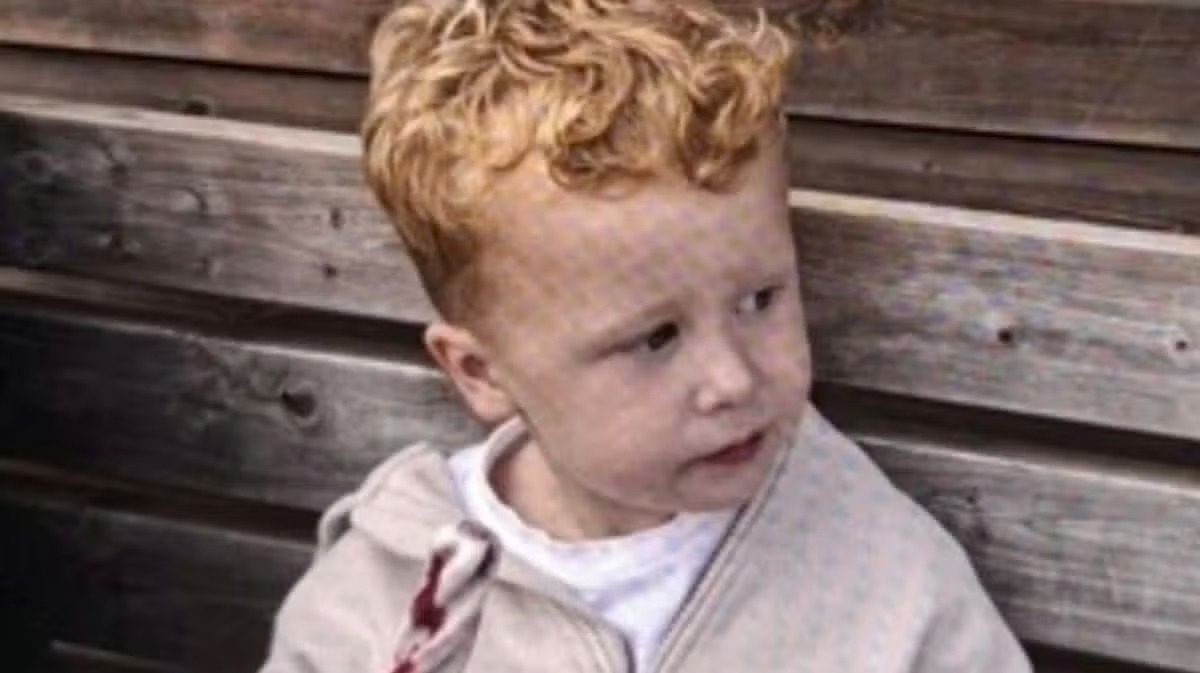
Police are urgently appealing for help to locate Noah, who was last seen at approximately 3pm yesterday afternoon, Tuesday September 15. Noah is reported to have run off down an alleyway after visiting the playground in Merriam Close, Brantham.
Police described Noah as white, with curly ginger hair, and said he would not respond to his name being called, according to the BBC.
Advertisement
The youngster became separated from a relative after visiting the playground in Merriam Close, Suffolk Police said. Now more than 100 people are said to have joined the searches, the BBC reports.
A police spokesperson commented on the original Facebook post: “Thank you all for your comments, it is overwhelming to read the support people are offering.
“I apologise that we haven’t been able to reply sooner however I am sure you appreciate the volume of resources that are assisting with this and the sheer volume of contact from the public that our staff and officers are dealing with.
“As soon as there is any update, we will post on here. Thank you again.”
Advertisement
A spokesperson for HM Coastguard said: “We are assisting Suffolk Constabulary with an incident at Brantham by sending an HM Coastguard helicopter and Coastguard Rescue Teams from Felixstowe and Holbrook.”
Anyone who believes they have seen Noah is asked to contact Suffolk Police, quoting CAD 203 of 15 September.
The force can be contacted on its website or by calling 101. Alternatively, you can use the Live Chat service by clicking the icon at the bottom right corner of the Suffolk Police homepage here.
The UK government is in discussions about joining a global investment bank, aimed at raising more money for defence spending.
Chancellor John Healey is considering a bid to join the Defence, Security and Resilience Bank (DSRB), not long after his predecessor Rachel Reeves rejected the idea.
Canada has been leading efforts to establish the bank, which supporters say would enable governments to borrow at lower costs to increase military spending.
Treasury officials stressed that no decision has been made. A government spokesperson said it was “fully committed to working alongside our international partners to scale defence industrial capacity.”
Advertisement
Before he cancelled commitments due to the death of his father, Prime Minister Andy Burnham had been due to meet Canada’s Prime Minister Mark Carney in the UK on Wednesday.
Nato Secretary General Mark Rutte is also travelling to the UK for his first meeting with the prime minister.
He is giving a speech in Oxfordshire, where he is expected to say the UK is “serious about security” and praise the country’s efforts supporting Ukraine.
He will also say that Nato will “not be intimidated by Russia’s campaign of hostile actions.
Advertisement
“Russia wants to stop us helping Ukraine – but their actions will only lead us to do more for Ukraine.”
It comes after Nato forces shot down a drone over Lithuania in the latest security scare on the alliance’s eastern flank, where tensions remain high amid Russia’s full-scale invasion of Ukraine.
And on Tuesday Denmark also accused a Russian warship of firing two emergency flares at one of its helicopters while it was tracking the vessel in the Baltic Sea.
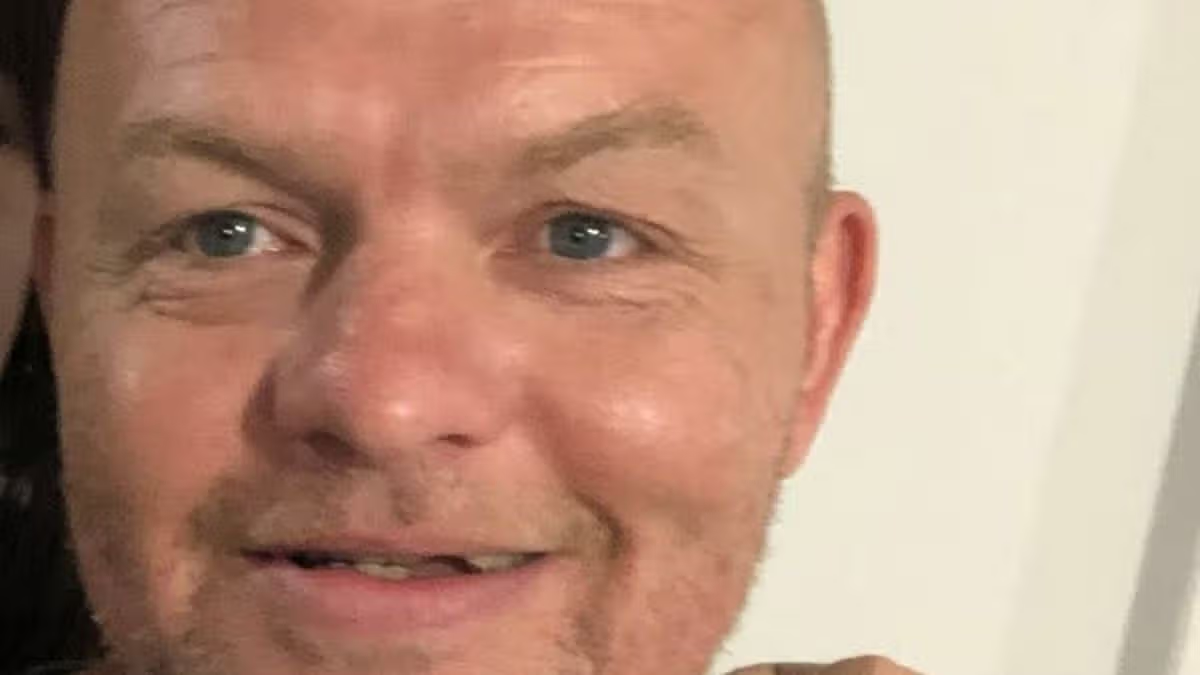
Tony Montgomery passed away at the scene after being hit by a Mini Cooper on the M8 near Glasgow Airport.
A dad who died after being hit by a car on the M8 near Glasgow Airport has been pictured for the first time as tributes pour in from his family.
Advertisement
Emergency crews rushed to a stretch of the busy motorway near junction 29 around 11.45pm on Sunday. An alarm was raised after police received a report that a male pedestrian had been struck by a black Mini Cooper.
Upon arrival to the scene near Paisley, a 45-year-old man was pronounced dead. His next of kin have been made aware and no other injuries were reported.
The deceased has now been named locally as Tony Montgomery from Dumbarton. He leaves behind his wife Louise and daughters Chloe and Murrin.
Tributes have flooded in online for the Rangers fan from those closest to him during this tragic time.
His sister-in-law, Charlene Connelly, said: “Shine bright Tony bro.”
Andy McLeish continued: “Such sad news. I send out my deepest sympathy to Tony Montgomery’s family and friends. One of the shires good people. Rest easy Tony. Thoughts and prayers to the family.”
Gary Drain wrote: “Rest easy Tony Montgomery. Castlehill have lost a good one. You always had time for everyone. My kids always loved a laugh with you. You were a true legend. Fly high up there, bro.”
Advertisement
Tara Towie added: “Rest easy Tony. We will miss you. The best pal, father and friend we could all know. Life in the end was not easy for you but you will be remembered for the family man you were. You were a big kid at heart and always loved a carry on. You taught my kids a thing or two. We will remember the good times.”
The road was closed following the crash to allow for investigation work to be carried out and re-opened around 8.55am on Monday, September 14.
Before then, drivers faced rushed hour chaos and were advised to use another route after the busy motorway was closed in both directions. Traffic Scotland was issuing updates and details on alternative routes through the night.
Advertisement
Officers expressed their condolences to the man’s loved ones and are urging anyone who saw the crash, has dash-cam footage from the time and place of the incident, or has any other details on what happened to come forward.
Sergeant Jack Swindells said: “Our thoughts remain with the man’s family and friends at this difficult time, and our enquiries remain ongoing to establish the full circumstances.
“I am appealing to anyone who witnessed the crash and has yet to speak with officers to come forward.
“I’d also ask that those driving in the area at the time with dash-cam footage review this to see if it has captured anything that could assist with our investigation.”
Advertisement
Anyone with information is asked to contact Police Scotland on 101, quoting incident number 3828 of 13 September, 2026.
Get more Daily Record exclusives by signing up for free to Google’s preferred sources. Click HERE.
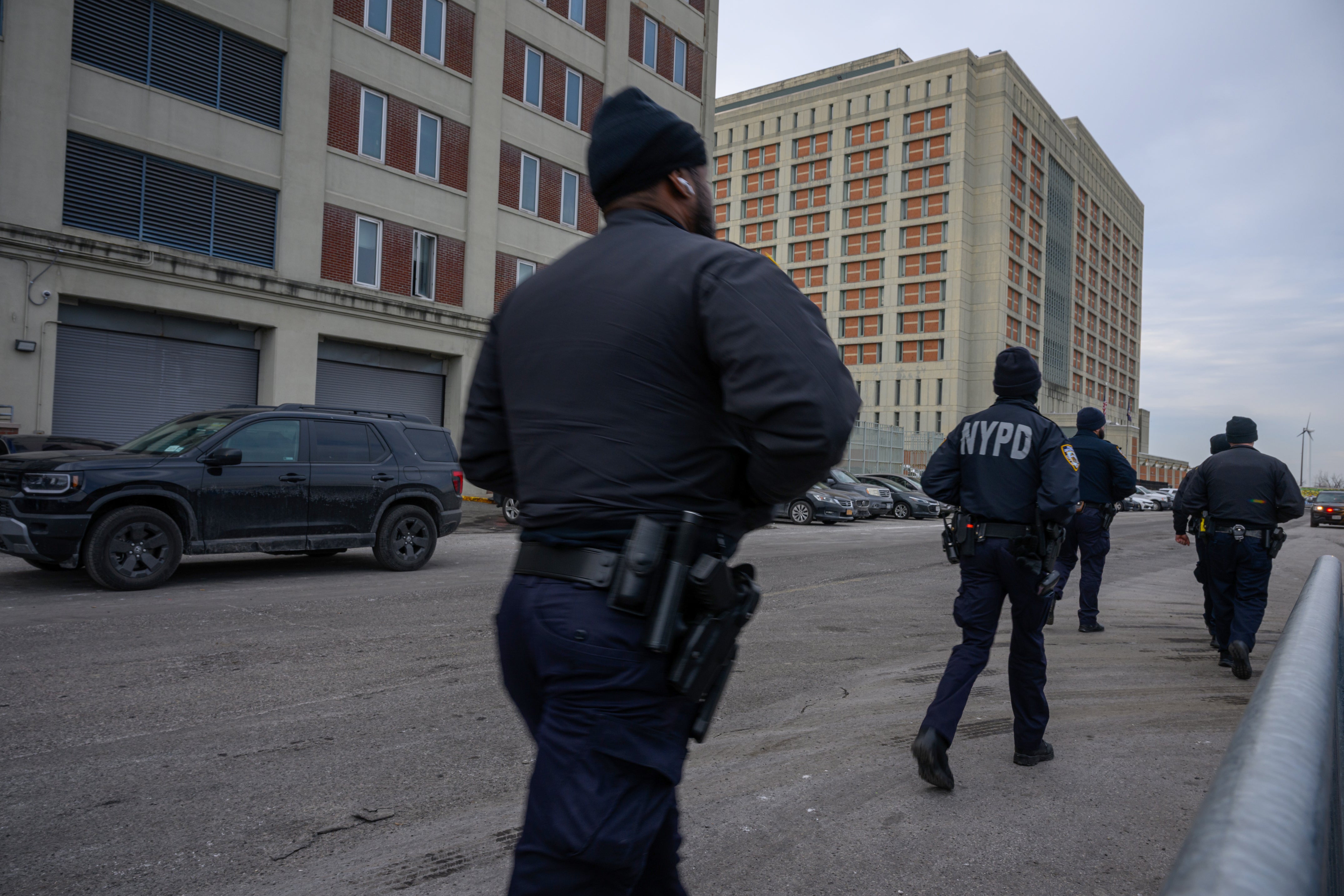
Federal officials confirmed to The Independent that the massive fight took place on the morning of September 6 at the Metropolitan Detention Center in Brooklyn, New York. The New York Daily News first reported on the brawl, which their sources said was gang-related.
Members of the Trinitarios gang fought another gang on the seventh floor of the jail’s west building, the Daily News’ sources said, adding that a total of at least 20 people had joined in the brawl.
“Several incarcerated individuals were medically assessed and treated for minor injuries at the facility, while other incarcerated individuals sustained injuries requiring outside medical treatment,” Donald Murphy, a spokesperson for the Federal Bureau of Prisons, told The Independent.
Advertisement
Murphy did not confirm the exact number of inmates involved in the fight and the number of those wounded remains unknown. The exact injuries that the wounded inmates sustained are also not clear.
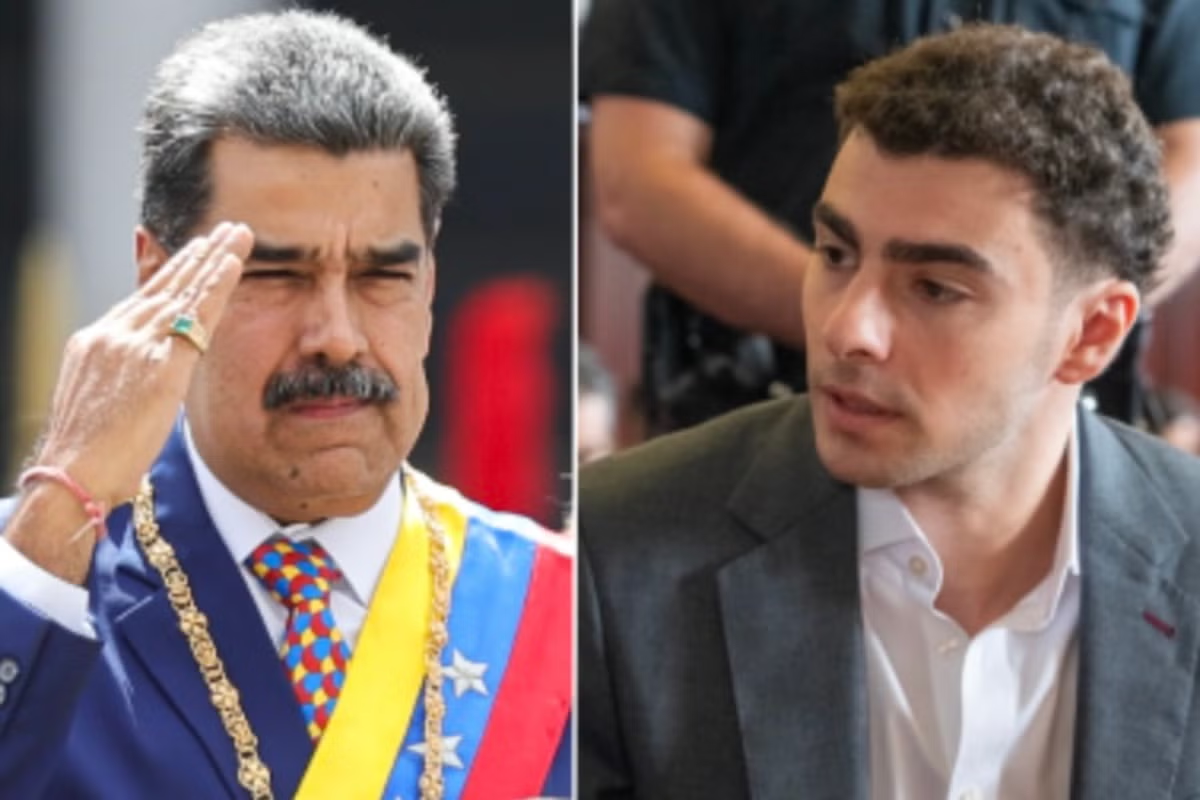
Multiple inmates were stabbed and slashed during a major brawl at the Metropolitan Detention Center in Brooklyn, New York, which is currently housing UnitedHealthcare CEO killer Luigi Mangione and disgraced former Venezuelan President Nicolás Maduro, earlier this month (Getty Images)
Murphy told The Independent that jail employees were able to contain the incident without being injured themselves, adding, “At no time was the public in danger.” The incident is still under investigation.
MDC Brooklyn, as the jail is commonly referred to, is known for holding infamous inmates like Mangione and Maduro.
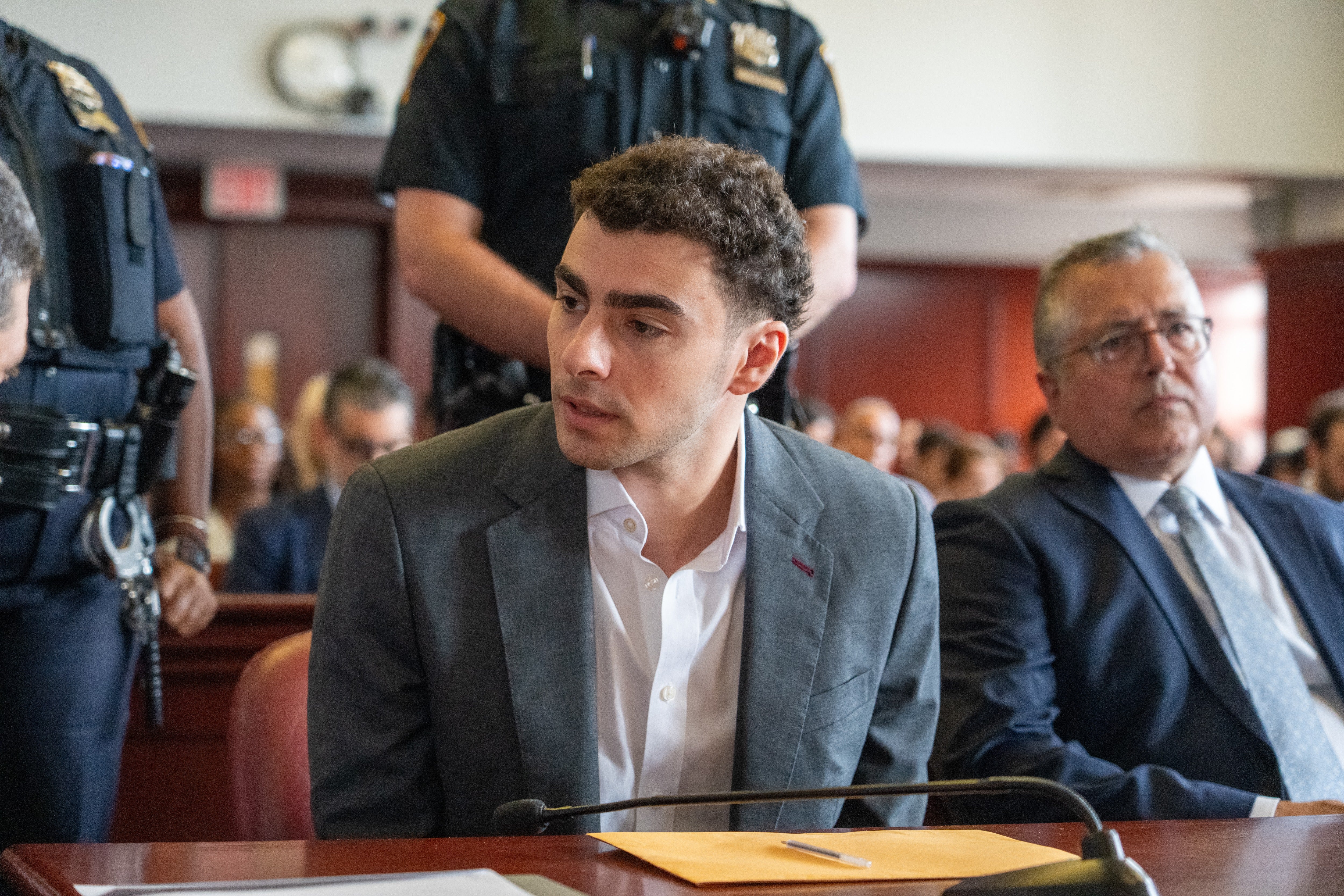
Mangione, 28, is currently awaiting sentencing in the jail after he admitted last month to fatally shooting UnitedHealthcare CEO Brian Thompson on the streets of Manhattan in 2024. Thompson’s murder shocked the nation as the New York City Police Department tracked down the Ivy League graduate, with some admiring the killer for what they saw as a stance against the health insurance industry.
“I shot Mr. Thompson and he died,” Mangione said in court on August 14. “I understood that my actions would place him in fear of death or bodily injury. I knew what I was doing was illegal.”
Advertisement
Mangione, 28, is currently awaiting sentencing in the jail after he admitted last month to fatally shooting UnitedHealthcare CEO Brian Thompson on the streets of Manhattan in 2024 (Getty Images)
Maduro, 63, and his wife Cilia Flores, 69, are currently awaiting trial at the jail on drug trafficking charges, following a stealth mission by American forces to capture the couple from their Caracas home in early January. Their trial is set for next June.
Both have pleaded not guilty to charges stemming from an alleged conspiracy to transport thousands of tons of cocaine to the U.S.
Maduro “and his co-conspirators have, for decades, partnered with some of the most violent and prolific drug traffickers and narco-terrorists in the world, and relied on corrupt officials throughout the region, to distribute tons of cocaine to the United States,” their indictment reads.
Maduro, 63, and his wife Cilia Flores, 69, are currently awaiting trial at the jail on drug trafficking charges, following a stealth mission by American forces to capture the couple from their Carcas home in early January (Getty Images)
MDC Brooklyn has a history of violence, including the reported February 2025 stabbing of Karl Jordan Jr., who was convicted and then acquitted of the 2002 murder of New York rap star Jam Master Jay. Jordan survived the attack.
In September 2024, the Justice Department announced charges against nine inmates in five separate cases involving violence at MDC Brooklyn, including the murder of Uriel Whyte on June 7, 2024, and the murder of Edwin Cordero on July 17, 2024.
“Violence will not be tolerated in our federal jails,” Breon Peace, United States Attorney for the Eastern District of New York, said at the time. “As the only federal pretrial facility in New York City, MDC-Brooklyn houses pretrial inmates accused of some of the most serious crimes in our region.”
Advertisement
“Let these charges serve as a warning to those who would engage in criminal conduct behind bars, and anyone else who facilitates those crimes: your conduct will be exposed, and you will be held accountable,’ Peace said.
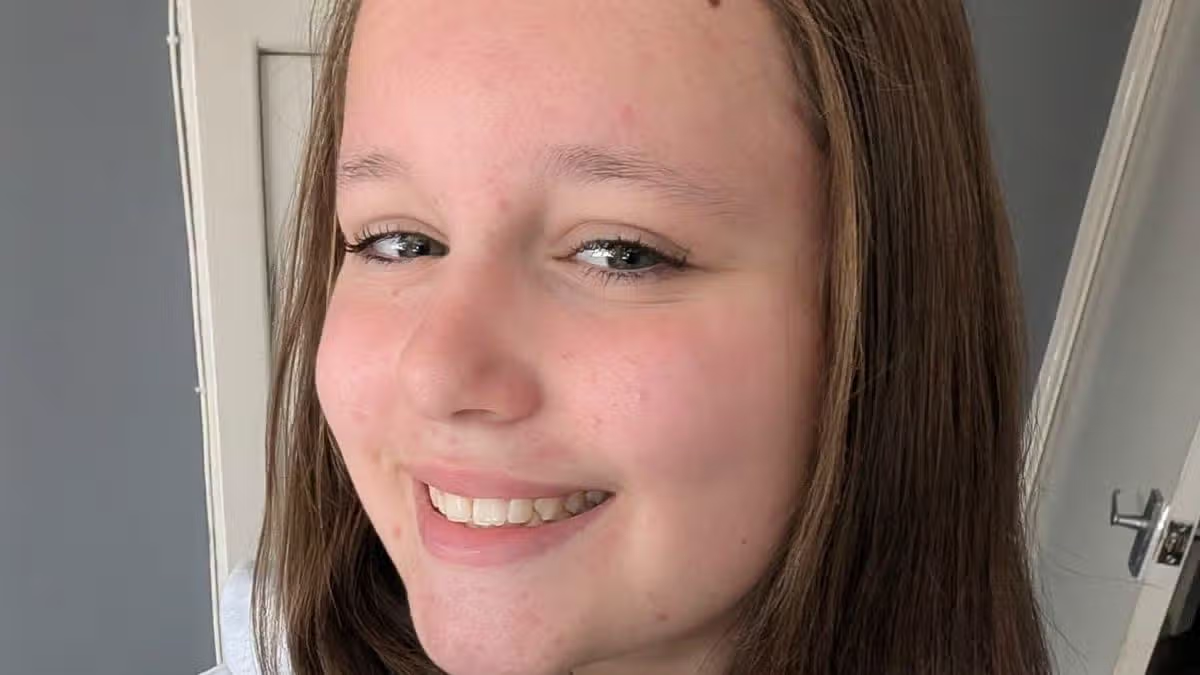
The mum of a missing girl from Bolton has issued a heartfelt plea for her daughter to ‘come home’. Lillia has been missing from Bolton since Friday (September 11).
Advertisement
The 13-year-old was last spotted at Piccadilly Gardens bus station just before 11pm that evening.
Lillia is described as, 5 foot 5 inches tall, with a slim build, brown hair and glasses. She was last seen wearing a black zip-up hooded top, light blue baggy jeans and a black Nike backpack.
Click here to get the biggest stories straight to your inbox in our Daily Newsletter
Lillia’s mother Jessica has issued a personal appeal for her: “Lillia, you’re not in any trouble, I’m really, really worried. It’s been four nights now and you need to be safe. Please come home, we all love you very much.”
Members of the public who have any information have been asked to contact police in Bolton on 0161 856 5757 quoting reference number MSP/06KK/0002168/26.
Viewers of the last ever episode of 7 Up have been left ‘in bits’ as the show’s favourites reflected on how their lives have changed for the final time.
The grand finale, 70 Up, aired tonight – 62 years after the first documentary appeared on our television screens in 1964.
And fans were barely two minutes into the programme before the tears were flowing, with viewers taking to social media to admit they were ‘already crying’.
Audiences were also devastated to see Yorkshire lad Nick Hitchon appear on the documentary just three days before he died of throat cancer in July 2023.
Advertisement
One person posted: ‘I was in tears even from the opening titles. Such a touching and interesting series.’
’70 Up has been on two minutes and already crying seeing the past clips knowing it is the last one,’ another added. A third said: ‘I’m filling up already.’
Viewers swooned over Liverpudlian Neil Hughes, who has perhaps led the most chaotic life of the original 14 participants, who began sharing their lives on the series aged just seven.
Neil was homeless for 28 Up, in a council house by 35 Up, and had a brief marriage that had ended by 63 Up. He thinks he’s probably always suffered from depression.
Advertisement
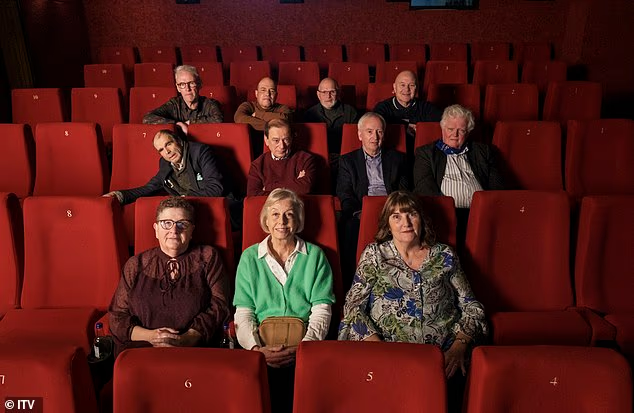
Pictured: John, Bruce, Symon, Andrew, Suzy, Jackie, Tony, Sue, Peter, Paul and Neil in 70 UP
Liverpudlian Neil has led the most chaotic life. He was homeless for 28 Up, in a council house by 35 Up, had a brief marriage that had ended by 63 Up, and now lives in France
But for 70 Up, Neil revealed that he now lives in France, in the same house that he came to for many years on holiday.
Advertisement
He said while he may appear to be a hoarder, everything in the property ‘has a purpose’.
Neil also revealed that he is planning on retiring but is questioning where the money will come from.
‘Neil, he must be protected,’ one person posted on X. ‘Neil is such an intelligent man who just lost his way. Very sad,’ another added.
A third said: ‘Neil has always seemed like a questing, restless person. And far from not having done much, he has done more than most other people do in a lifetime.
Advertisement
‘In a strange way, it looks to me as something of a triumph of will.’
The series 7 Up was helmed by director Michael Apted from 1970 until his death in 2021. For the finale, Academy Award-winning director Asif Kapadia stepped in.
There have been a total of ten films which explore how the participants’ lives have changed in the intervening time periods.
Advertisement
Most of the stars have appeared every seven years, but some have missed episodes, dropped out or been unhappy with their portrayal.
Public schoolboy and lawyer John Brisby said in 70 Up he felt he’d been ‘set up to represent an outmoded class system that had no validity in the modern world’.
Advertisement
Meanwhile, East End girl Jackie Bassett also appeared.
She said she was initially picked because ‘I wouldn’t stop talking. In our house, if you didn’t speak up you didn’t get heard. I don’t think I’ve changed.’
Jackie married at 19, divorced, remarried, moved to Scotland, had three kids, divorced again and was a single mother. Her fellow East Ender Lynn died in 2013.
Sue, also from the East End, married at 24 but was divorced by the age of 35. She has now remarried.
Advertisement
In 70 Up, she revealed she has now retired after holding a series of office jobs.
She said, however, she needs to find herself a ‘new direction’ as she sometimes doesn’t know what to do with herself.
Public schoolboy Bruce, who wanted to be a missionary, also appeared on tonight’s show, as well as Symon, who has fostered more than 120 children and has 12 grandchildren.
Viewers also heard from Charles, a former participant who stopped appearing in the films after the age of 21.
Advertisement
In the final show the children are 70. Pictured in 1964: Jackie Bassett, Lynn Johnson, Suzanne Lusk
Jackie married at 19, divorced, remarried, moved to Scotland, had three kids, divorced again and was a single mother (Jackie centre pictured with her family)
Lawyer Andrew, the prep school pupil who read The Financial Times, returned together with Suzy – once a young ballerina who hated her private school.
ITV factual controller Jo Clinton-Davis previously said the series was a ‘truly distinctive landmark piece of filmmaking that has become part of our cultural fabric’.
Advertisement
She said: ‘In the evolving stories of our cast we see the universal themes of life play out… Ultimately, this is a tribute to the courage of all the cast who continue to share their lives with us so we can see our lives in them.’

















































You must be logged in to post a comment Login