NewsBeat
My Mom Pressured Me To Have Kids, But I Had A Secret

As a little girl, my favourite doll was Betsy Wetsy, a 1950’s “drink and wet” toy that resembled an infant. I fed her water through a baby bottle, and moments later, she wet her diaper, the water dripping down her plastic, chubby legs.
“Oops! She has to be changed,” I shouted to my mother.
Taking care of Betsy made me feel like a mom, and like so many girls on my Brooklyn block, I dreamed of becoming one in the future. But that was not meant to be.
I was married to Steve, the love of my life, for 45 years, but we did not have children.
My mother pressured me to have a baby throughout my life. “You’re selfish,” she said. “You care more about your lifestyle and work than you do about having children.”
My cousin Susan, a Southern Baptist and mother of two, came at me from a different angle. “It’s against the Lord’s will. You must have a child,“ she said.
My mother’s second husband asked, “Why did you ever get married if you had no intention of having children?”
When I was nearing the end of my childbearing years, my mother told me, “When you’re older, you’ll be sorry, just like my Aunt Laura. She’s alone. I don’t want that to happen to you.”
Steve and I had discussed having a child. In fact, we almost had one. Three months after our wedding, I found out I was pregnant. It was unplanned, and we decided it was not the right time to be parents.
Our Greenwich Village apartment was in a tenement, up four flights with no elevator. I had just started a master’s degree program, and my husband hated his new teaching job. “It’s just too soon for us now,” he said.
Abortions had recently become legal in New York. The decision seemed easy. I made a phone call to Planned Parenthood, secured an office visit and paid $175 in cash.
“It’s the right thing to do,” we told each other. “We’ll have other opportunities.”
There were no other opportunities.
A year after the abortion, my gynaecologist discovered huge fibroids were pressing against my uterus. “Your uterus is heart-shaped,” he said. “You’ll have problems carrying a fetus to full term and will probably have a miscarriage.”
Some couples might be devastated by the news, but Steve and I were ambivalent. He always said, “I don’t have a burning desire.”
Did I have a burning desire? Not then.
When I turned 37 in 1985, and Steve was 36, my childbearing clock began ticking loudly. I suddenly, desperately wanted a child. Our jobs were secure, and we were happy together. If not now, then when? I wondered. However, the universe had other ideas.

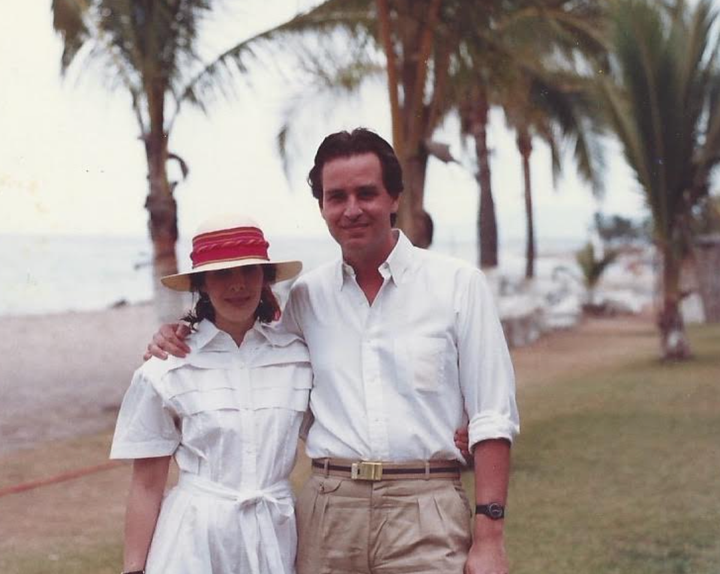
That year, AIDS was beginning to pop up in national headlines more and more frequently. No one in our circle knew much about it or how it was contracted, but as the months went by, we became more concerned.
“Do you get it from having sex?” I asked my doctor. It seemed like there were no definitive answers. Still, no matter how someone became sick with the disease, the telltale signs were visible at some point.
Soon, the West Village was filled with skeletons slowly making their way down the cozy streets. People with AIDS were grappling not only with the deadly disease, but also a huge stigma. There was very little information available at that time and no medications; a blood test to detect HIV had just become available.
An internist we knew was one of the first doctors to get access to the screening. Since Steve and I had both had other partners before and occasionally during our marriage, we decided to be tested before trying to have a child.
We took the test in 1986. I tested negative. Steve didn’t. From that moment on, he was labeled HIV+, a status he lived with for the rest of his life. It’s impossible to know when he contracted it. The test only indicated he was positive and nothing else.
Steve’s diagnosis affected our marriage in ways we could have never anticipated.
“We can’t tell anyone,” my husband pleaded. “I’ll tell my brothers I have a blood disorder, so if I start having symptoms, I can blame it on that.”
I nodded my head yes. My life felt like a nightmare.
We decided to tell our personal doctors. “Promise me you won’t tell anyone else,” Steve said.
“Yes. Yes. I promise.”
“And we can’t have sex.”

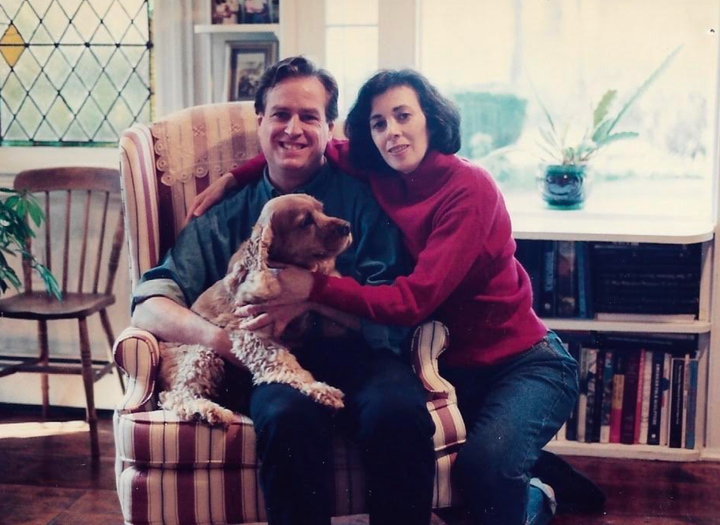
There would be no babies for us, even though my mother continued to try to coax us into having one.
“Why don’t you have children?” she asked repeatedly.
“It’s just not right for us,” I’d answer.
When I shared Steve’s diagnosis with my gynaecologist, his face fell, and his usual cheery disposition faded. He told me of a young doctor friend who, when he found out he was HIV+, jumped off his roof.
“You know, Ann, the life expectancy rate is five years after a diagnosis,” he told me.
I had heard that figure and other rumours about HIV and AIDS, but I didn’t know if they were true.
My therapist told me to have affairs, reasoning, “You’re too young not to have sex.”
“You could look into artificial insemination,” my gynaecologist suggested. Then he paused, shook his head, and said, “Actually, it’s probably not a good idea – you have to consider that you might wind up a single mother.”
I could play the odds of whether or not I would miscarry, but I could not fathom my life without Steve. As I got older and understood that my chances of getting pregnant were decreasing, I fantasised even more about being a mother, but the path forward felt unbearably difficult.
We thought about adopting, but after speaking with several agencies, we learned we’d have a hard – if not impossible – time being accepted. Nobody wanted to risk placing a baby in what could become a single-parent household.
So, we focused on our careers and bought a house in the country. From the outside, it appeared we had the perfect life. We even rescued a dog from a local animal shelter: a cute brown and white cocker spaniel named Cassie. Though she wasn’t a child, we adored her, and in so many ways, she was our baby.
Thanks to experimental medications, a diligent diet, a healthy lifestyle and good luck, Steve’s HIV+ status never progressed to AIDS.

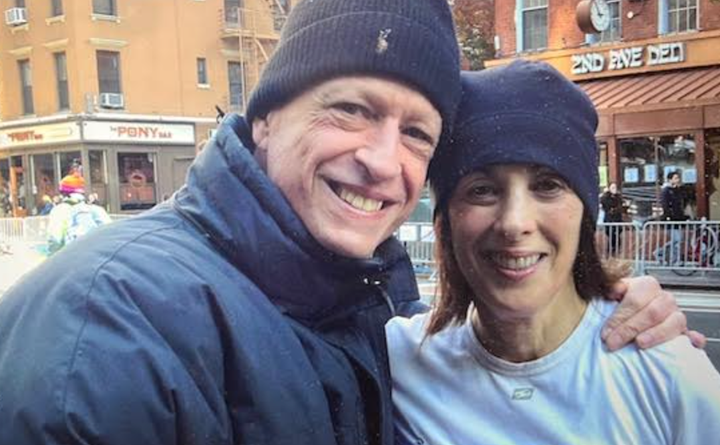
Our dog Cassie passed away right before Covid-19 hit. In 2022, when I was 71, Steve was admitted to the ICU with a highly contagious strain of pneumonia that developed after he had surgery for cancer. While he was in the hospital, he used his iPad to search the internet for a puppy.
“Annie, you need a dog,” he typed. “I found one – Romeo.”
Several weeks later, the night before Steve passed, I held his hand as the nurses were getting ready to disconnect him from life support.
“I love you,” I told him. “I would not have chosen any other life than the one we’ve had together.”
A smile came to his lips.
I meant every word. Did I wish I had married someone else? Never. I had a wonderful life with Steve despite his health challenges and the resulting hardships we endured because of them. And through it all, we always had each other.

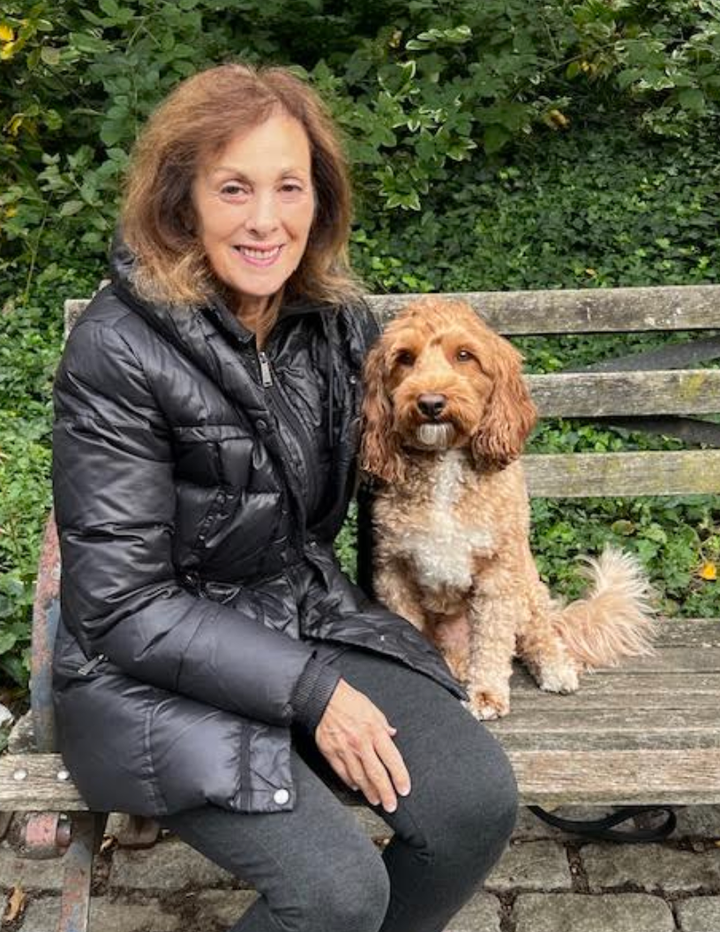
Would I have liked to have had a child? Of course. But just because I don’t have any children doesn’t mean that I’m alone. My brother and stepsister have children and now grandchildren. They have been a huge part of my life. I’ve watched them grow, and we care deeply about each other. And I have a wonderful group of friends and a vibrant community.
I also have Romeo. I met him a few weeks after Steve passed. He’s an adorable mini goldendoodle, and he’s always by my side – literally, following me from room to room.
He has brought me such joy in the midst of so much grief. He was Steve’s parting gift to me, and one more example of how even in the worst of times, he was always looking out for my happiness in whatever ways he could.
Yes, my mother was right – sort of. I would have loved to have had a child, but it wasn’t meant to be. I realise now she was just doing what she thought would be best for me. When she was near death, I told her the truth about Steve’s diagnosis. She looked at me with tears in her eyes, and whispered, “I understand.”
Even though my life turned out differently than what she expected – or I once desired – I’ve had a beautiful life. I got to spend 45 years with a man who truly loved me, and though I’m not a traditional mother, I’ve found ways to feel motherly love and be connected.
Ann Gorewitz is a writer. Her debut memoir, You, Me, & The Dog: An Unconditional Love Story (Heliotrope Books), is now available at Amazon, Barnes & Noble, Bookshop, iBooks, Kobo, Booktopia, and other eBook platforms. Ann can be contacted on Instagram @gorewitzann, Facebook @ann.gorewitz, and her website.
Do you have a compelling personal story you’d like to see published on HuffPost? Find out what we’re looking for here and send us a pitch at pitch@huffpost.com.
You must be logged in to post a comment Login